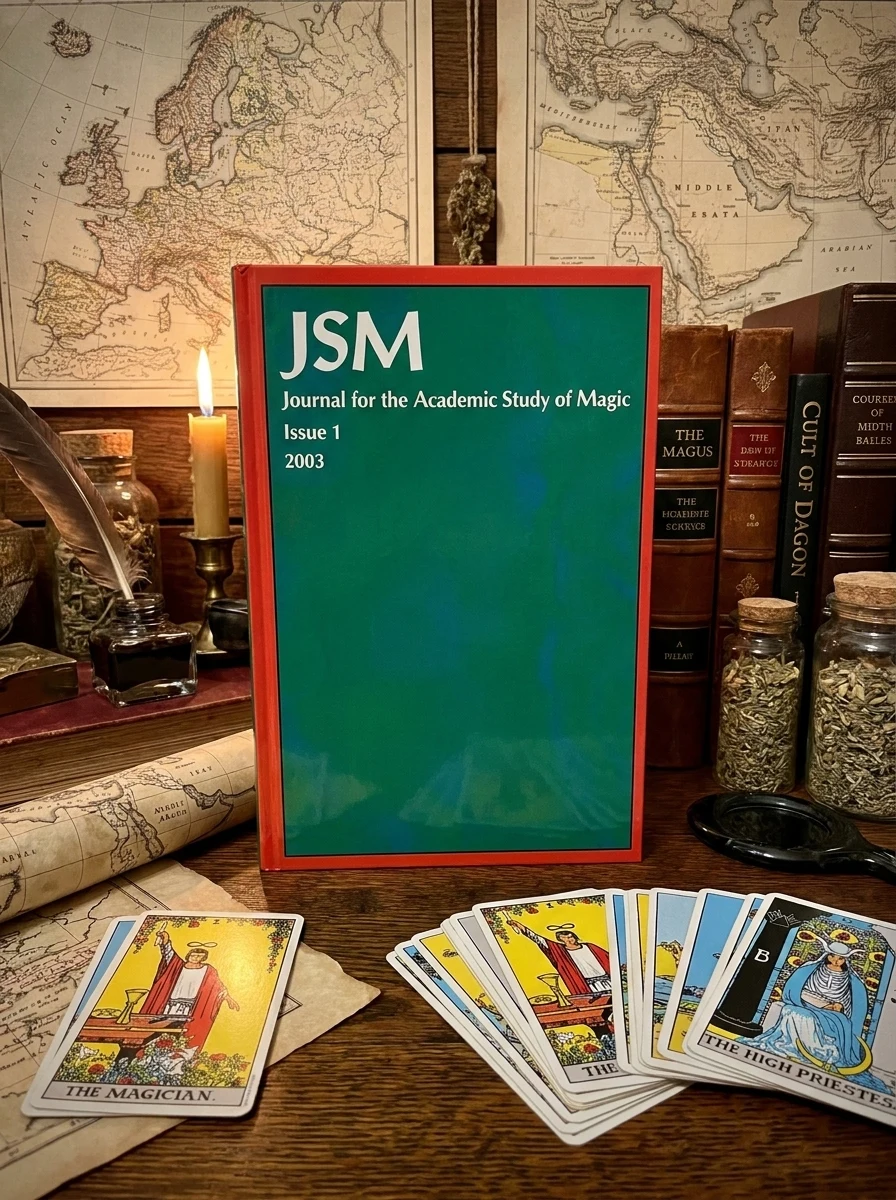
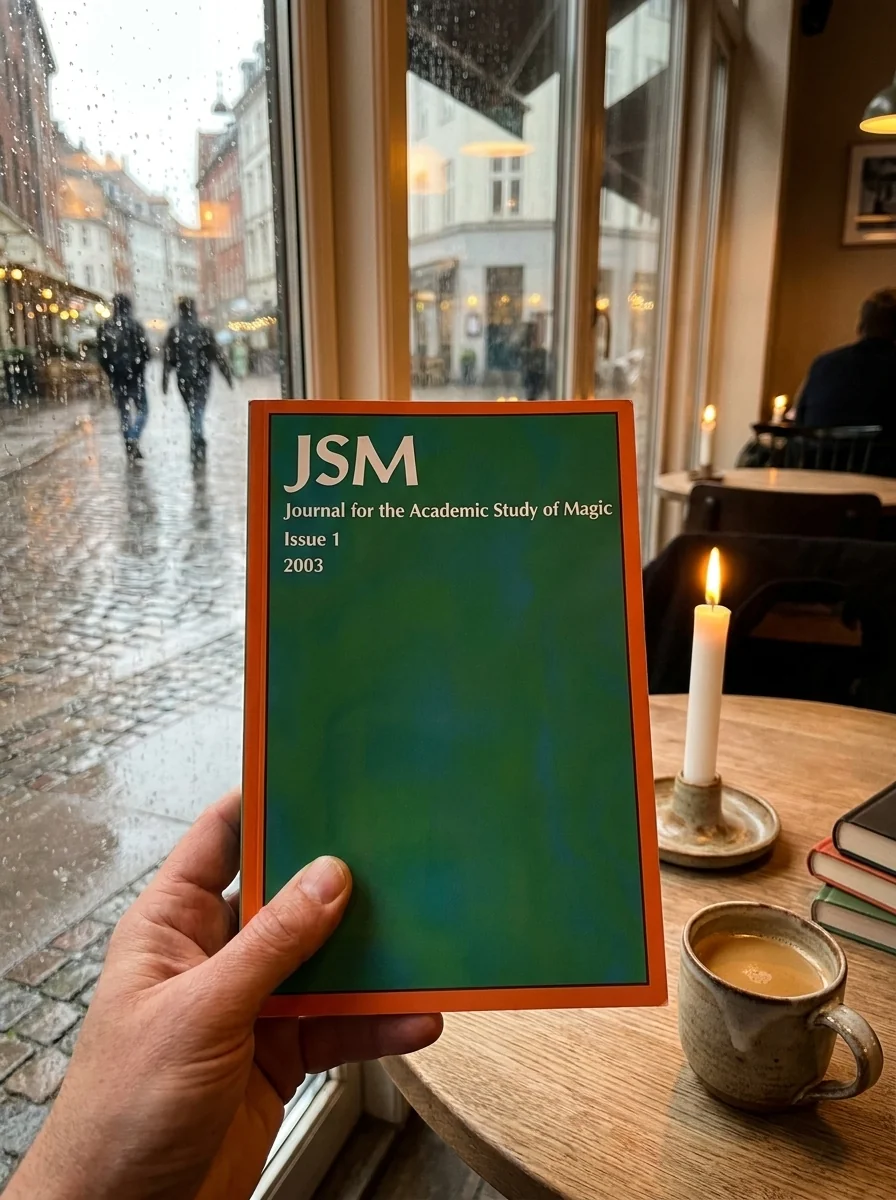
Journal For the Academic Study of Magick 1 Evans, Dave
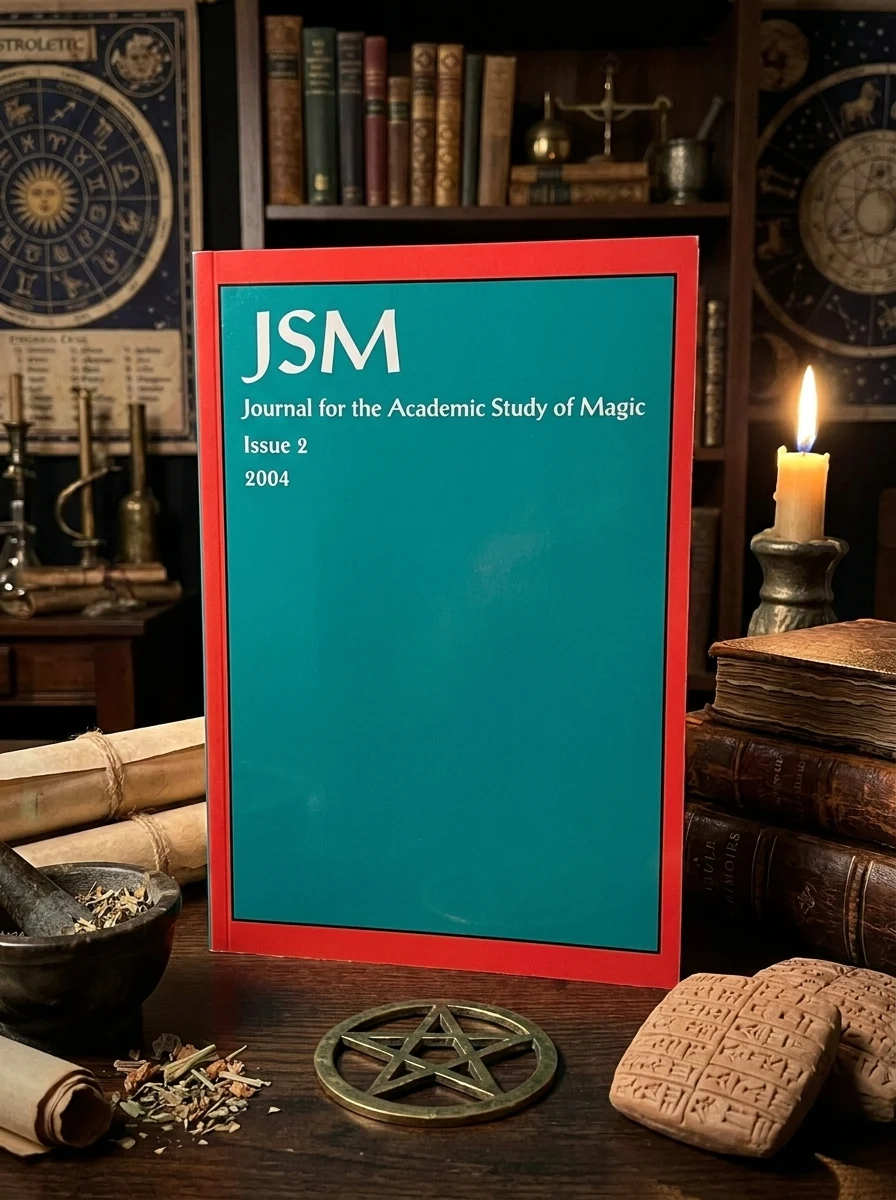
This esteemed academic journal offers a rigorous, peer-reviewed exploration into the multifaceted realms of magic, witchcraft, and paganism. Spanning diverse geographical regions and historical periods, this issue delves into topics from the esoteric history of Tarot to the sociological underpinnings of magical identity. With contributions examining Italian-American queer writings and the philosophical dimensions of anomalous sorceries, it presents cutting-edge research. It is an indispensable resource for serious scholars and dedicated students seeking to deepen their understanding of these complex esoteric traditions.


📝 Description: Journal For the Academic Study of Magick 1 Evans, Dave
💎 Expert review
📖 Why choose it
Why this book is worth reading
This journal is an indispensable resource for serious scholars and dedicated students who seek to deepen their understanding of complex esoteric traditions through a rigorous lens. It offers a unique opportunity to explore the scholarly depths of magic, witchcraft, and paganism across various cultures and time periods. Readers will appreciate the peer-reviewed exploration of topics ranging from the esoteric history of Tarot to the sociological underpinnings of magical identity. By examining Italian-American queer writings and the philosophical dimensions of anomalous sorceries, it provides cutting-edge research that illuminates the broader context of occult practices. It is perfect for those who want to move beyond superficial understanding and engage with the intellectual foundations of these mystical fields.
⭐ Reader reviews
Reader rating
This esteemed academic journal offers a rigorous, peer-reviewed exploration into the multifaceted realms of magic, witchcraft, and paganism. Spanning diverse geographical regions and historical periods, it delves into topics from the esoteric history of Tarot to the sociological underpinnings of magical identity. With contributions examining Italian-American queer writings and the philosophical dimensions of anomalous sorceries, it presents cutting-edge research. However, this volume does NOT suit readers seeking practical spell-casting instructions or casual interest in pop-occultism. It is dense with scholarly analysis rather than accessible mythology. The peer-reviewed nature demands a high level of academic engagement, making it unsuitable for those looking for light reading or immediate magical application. It is strictly for the intellectually curious scholar.
❓ Frequently asked questions
📖 Who should read this
This volume is essential for students, academics, and anyone committed to a serious, scholarly engagement with esoteric traditions. If you seek rigorous analysis and critical discourse on magic's historical, sociological, and philosophical dimensions, this journal is for you.
🎯 Key themes and symbolism
Magic and Social Identity
Several articles explore the profound connections between magical practice, personal identity, and societal structures. One piece investigates how "magical identity" emerges and evolves within contexts of social uncertainty, offering insights into the psychological and communal aspects of embracing esoteric paths in a changing world.
Contemporary & Queer Magick
The journal features compelling scholarship on modern magical currents, including their intersections with identity politics. A notable contribution explores the resurgence of "Streghe" within Italian-American queer writings, illuminating how ancient traditions are reinterpreted and revitalized through contemporary experiences and cultural lenses.
📜 Historical context
📚 Glossary
- Barrett's Magus
- Cult of Dagon
- Anomalous Sorceries
📔 Questions to reflect on
- How do multidisciplinary approaches, like those presented in this journal, enrich or complicate our understanding of historical magical practices?
- In what ways might the academic study of "magical identity" intersect with or diverge from personal, lived experiences of spiritual or esoteric paths?
- Reflecting on the various articles, how do specific cultural contexts shape both the form and interpretation of magical beliefs and practices?