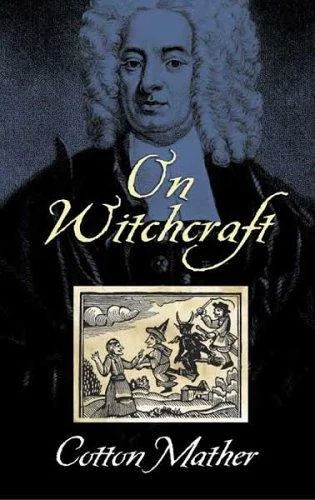
On Witchcraft Mather, Cotton
✍️ Mather, CottonCotton Mather's 1692 defense of the Salem witch trials and colonial Massachusetts witchcraft prosecutions.
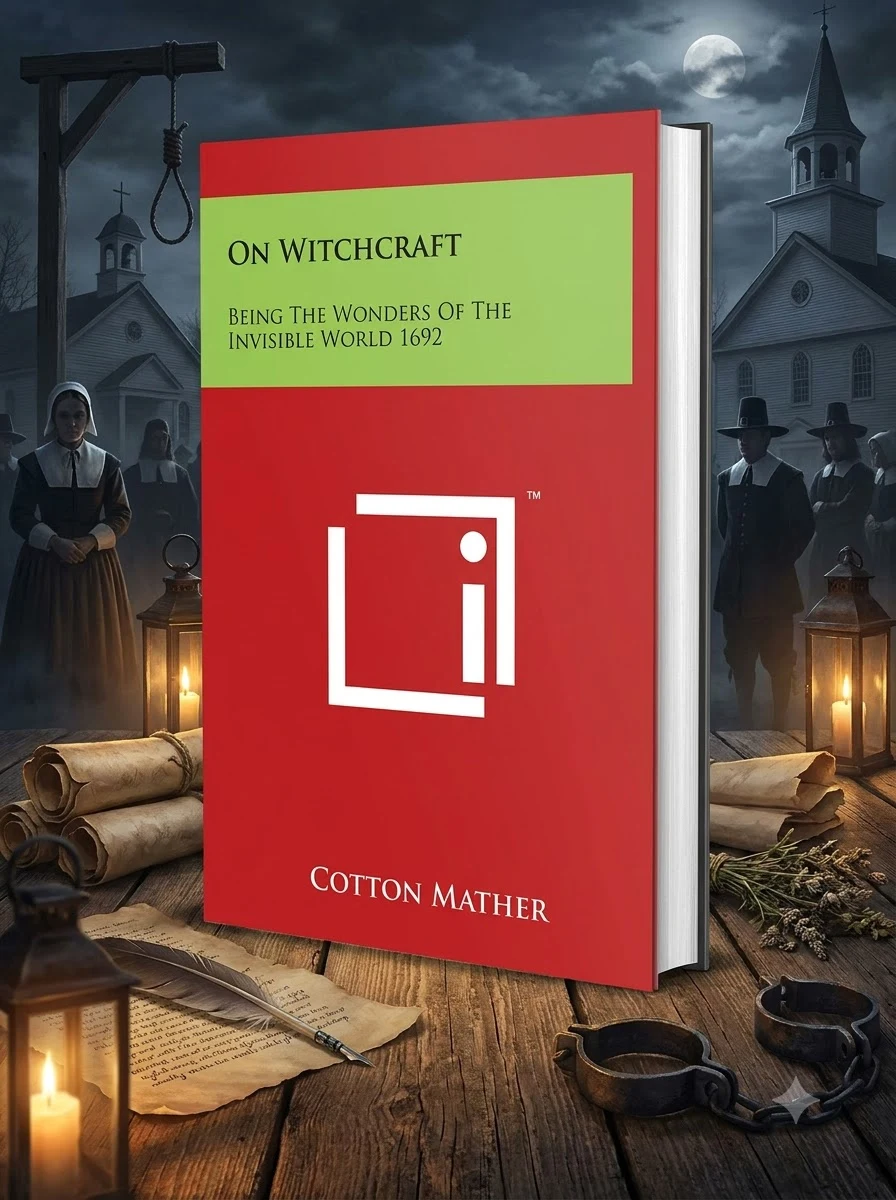
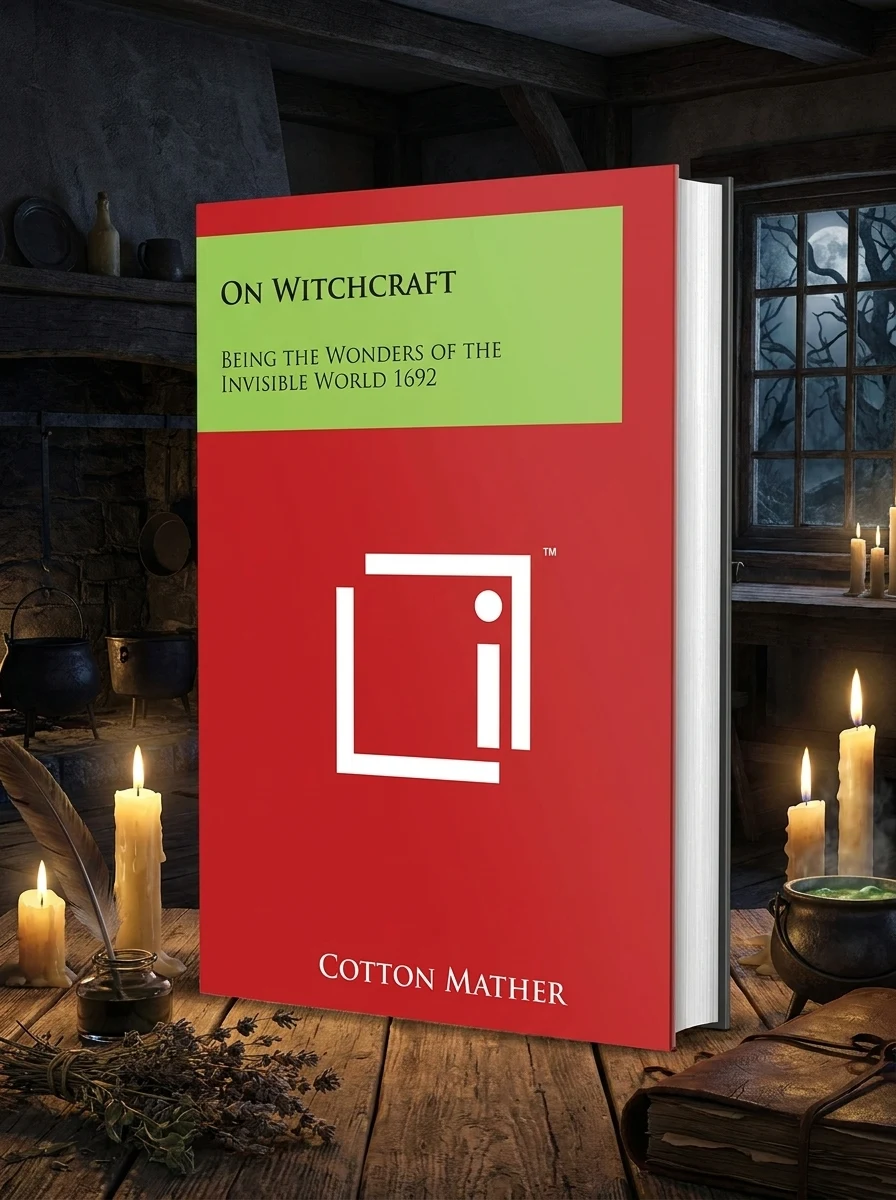
First published in 1692, this seminal historical text provides a first-hand account of the Salem witch trials written by Cotton Mather, an influential Boston minister. Mather defends the judicial proceedings, details spiritual warfare concepts, outlines methods used to identify witchcraft, and offers strategies to resist demonic temptation. This Dover Publications edition serves as a vital primary source for students and historians studying early American history.
Written in late seventeenth-century Massachusetts, this text reflects the intense religious anxieties of colonial America during the Salem witch trials. It captures the social and spiritual atmosphere of Boston's Old North Church ministry during a period of widespread belief in physical spectral conflict.


📝 Description: On Witchcraft Mather, Cotton
💎 Expert review
📖 Why choose it
Why this book is worth reading
Readers fascinated by the psychological underpinnings of historical hysteria and the complex relationship between religious dogma and perceived supernatural forces will find this volume indispensable. It offers a rare, unfiltered glimpse into the mind of a key figure who sought to rationalize the darkest chapters of early American history through a theological lens. Those interested in the evolution of Western occult thought, particularly how Puritanism shaped later esoteric perceptions of witchcraft, will appreciate Mather’s candid defense and his detailed strategies for spiritual resistance against demonic influence.
⭐ Reader reviews
Reader rating
This work is essential for historians and scholars of religious extremism but may prove tedious or deeply unsettling for casual readers seeking entertainment. It does not suit those who expect a fictionalized narrative or modern occult practice guides; instead, it demands engagement with dense theological arguments and historical testimony. Readers uncomfortable with the justification of violence in the name of faith or those preferring secular analyses of social phenomena will likely find this text alienating. However, for those willing to endure its moral weight, it provides an unvarnished look at the intellectual mechanisms behind mass panic.
❓ Frequently asked questions
📖 Who should read this
If you seek to understand the grim realities of the Salem trials from a primary source, or are drawn to early American religious thought, this book is essential. It offers a chilling glimpse into a society gripped by fear and fervent faith.
🎯 Key themes and symbolism
Justifying the Witch Hunts
Mather, an influential Puritan minister, directly addresses his role and beliefs during the Salem crisis. This book serves as his theological and moral argument, attempting to legitimize the accusations and executions by portraying the events as a direct assault by the Devil on Christian society, thus absolving himself and others of perceived wrongdoing.
Demonic Influence & Detection
The text provides a detailed framework for understanding how Satan supposedly operated within colonial communities. Mather offers guidelines for recognizing individuals who might be under the devil's sway, elucidating the signs of witchcraft and the perceived methods by which good Christians could be lured into pacts with dark forces.
Colonial Religious Fervor
This work offers an unparalleled window into the intense spiritual anxieties and rigid doctrines of late 17th-century New England. It showcases the pervasive belief in a literal Devil and active demonic intervention, revealing how these convictions shaped legal proceedings, social paranoia, and early American life.
📜 Historical context
📚 Glossary
- Puritanism
- Spectral Evidence
- Demonic Temptation
📔 Questions to reflect on
- How might deeply held religious beliefs, even well-intentioned ones, contribute to widespread fear and injustice within a community?
- Consider the role of authority figures like Cotton Mather in shaping public perception during times of crisis. What are the ethical responsibilities of such influence?
- Reflect on the historical context of the late 17th century. What societal factors beyond religious fervor might have contributed to the intense belief in witchcraft and the ensuing trials?