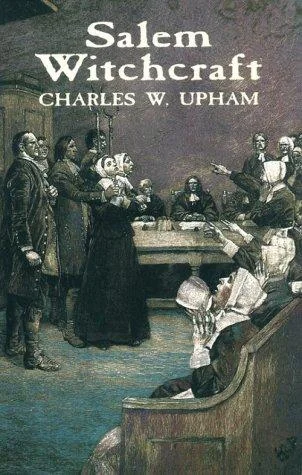
Salem Witchcraft Upham, Charles W
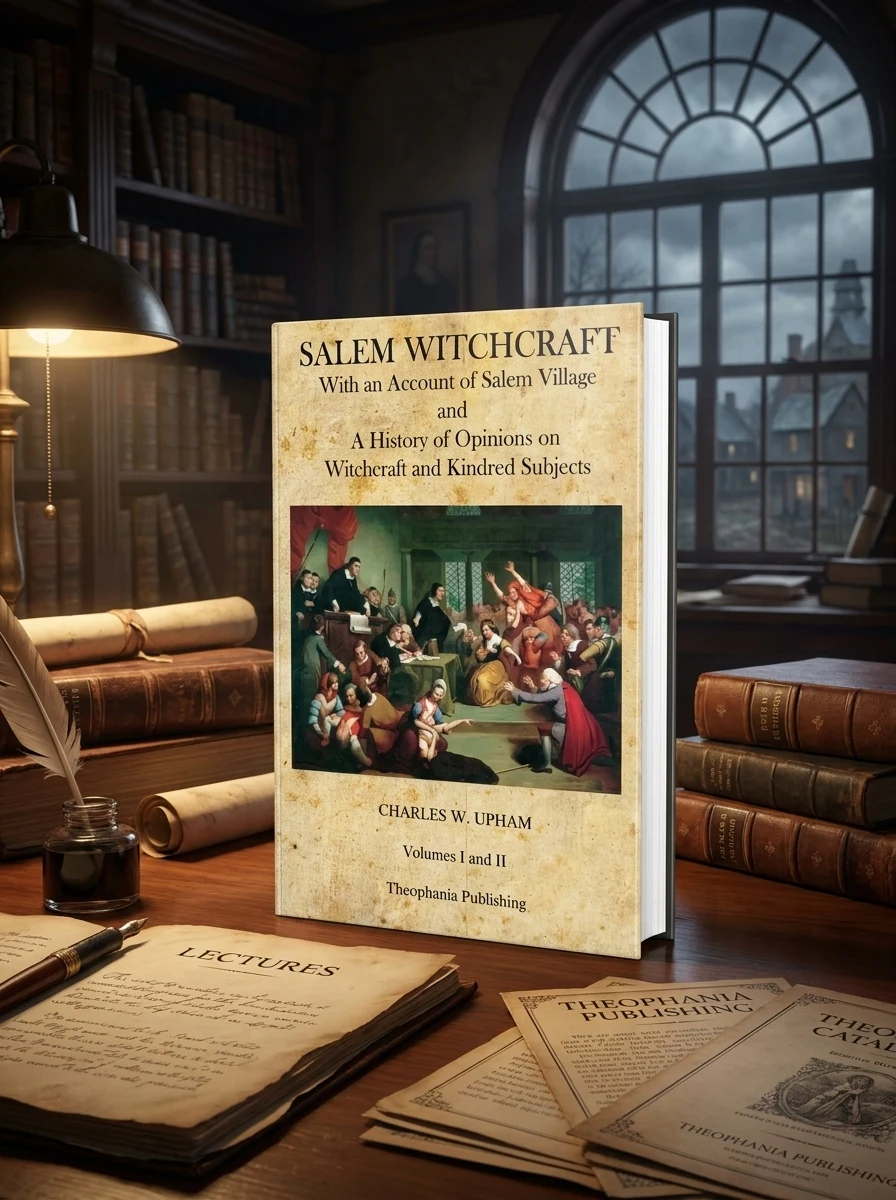
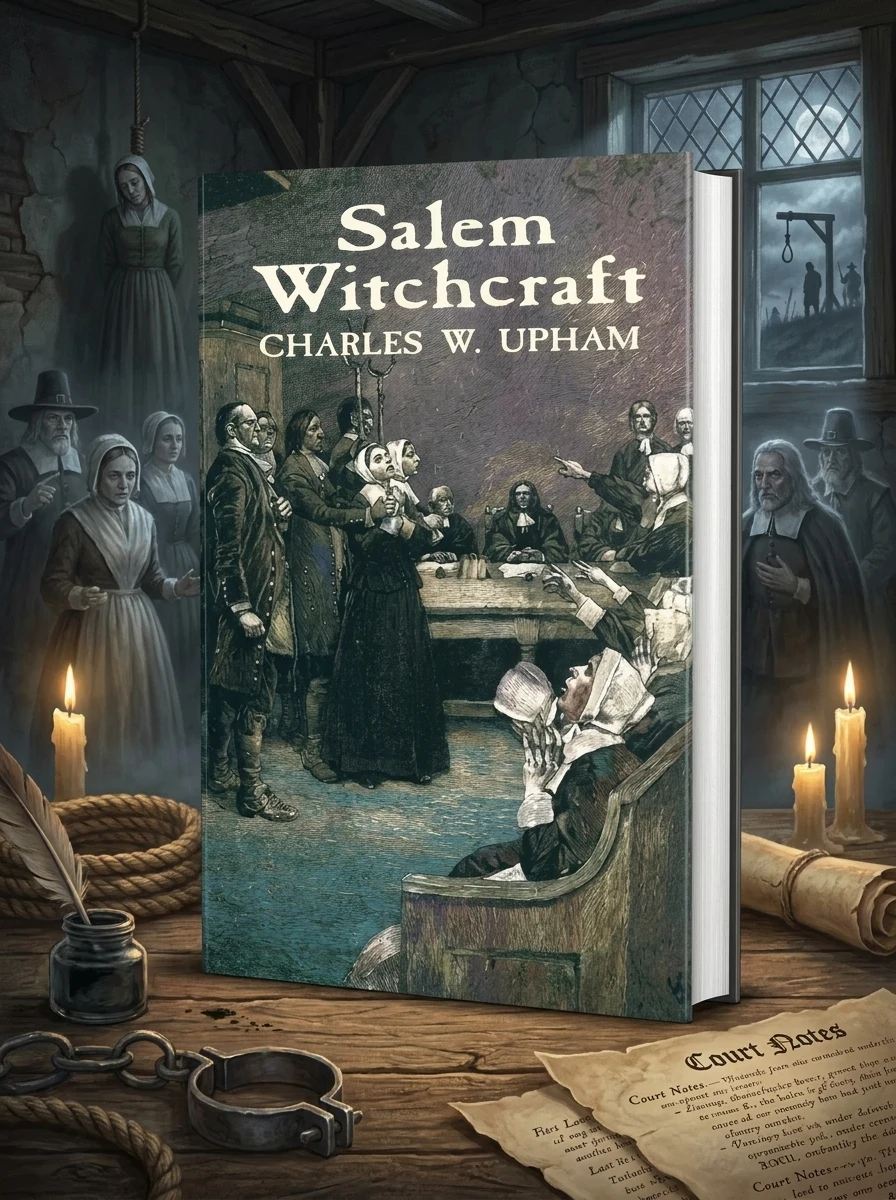
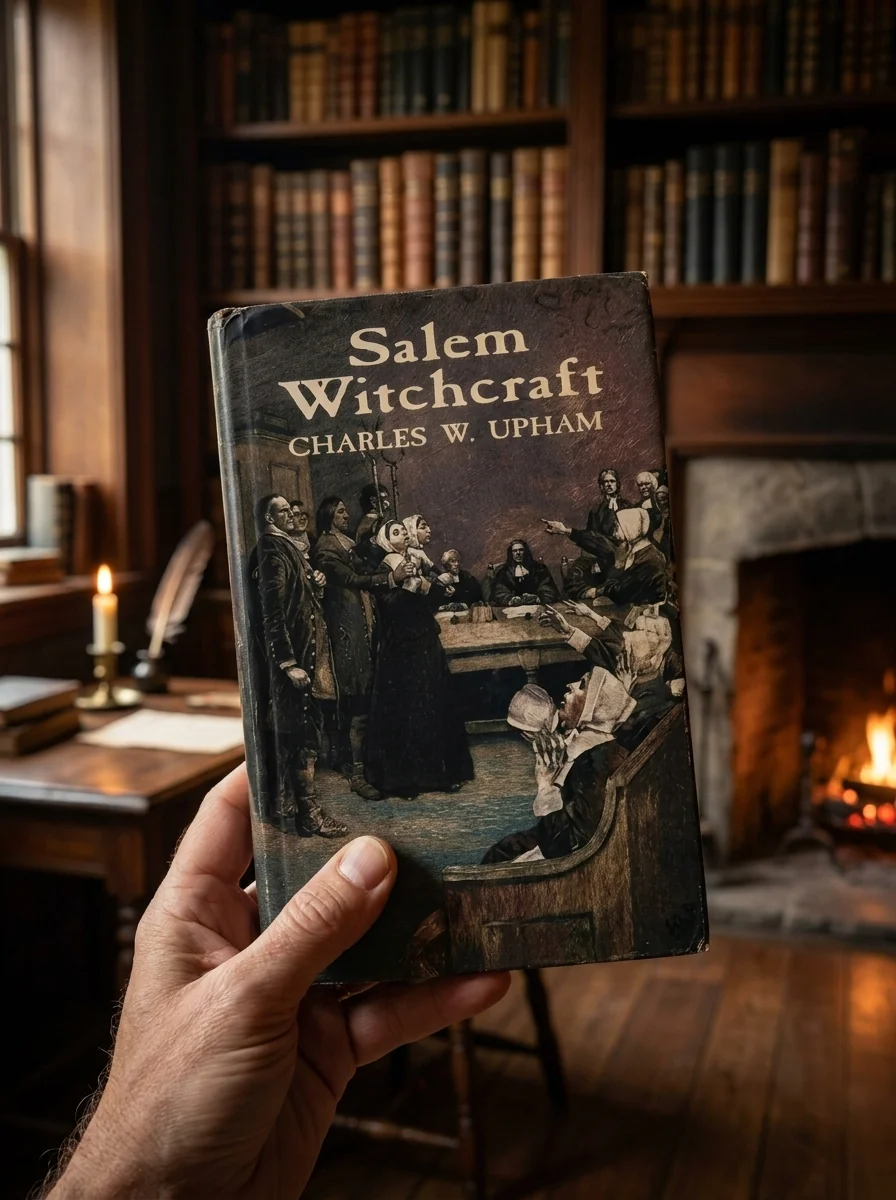
✍️ Upham, Charles WCharles W. Upham's monumental work, first appearing in 1867, remains the definitive account of the Salem witch trials. A former mayor and minister, Upham delved into extensive historical records, crafting an extraordinarily detailed narrative of the 1692 events. He meticulously explores not only the accusations and executions of nineteen villagers but also the complex economic, political, and social tensions that inflamed suspicions and fear within the Puritan community. This comprehensive study organizes scattered primary sources into a cohesive, articulate examination, revealing the underlying currents that fueled one of America's most notorious historical episodes.


📝 Description: Salem Witchcraft Upham, Charles W
💎 Expert review
📖 Why choose it
Why this book is worth reading
Scholars and dedicated history enthusiasts will find immense value in this monumental work, which meticulously reconstructs the chaotic atmosphere of 1692. Upham, drawing upon his unique position as both a former mayor and minister, offers an unparalleled deep dive into the economic, political, and social tensions that fueled the hysteria. Readers seeking to understand the complex web of accusations against nineteen villagers will appreciate how scattered primary sources are woven into a cohesive narrative. It is essential for those who wish to look beyond the surface level of the infamous trials to grasp the underlying currents of fear and suspicion within the puritan community.
⭐ Reader reviews
Reader rating
Upham’s definitive account is exhaustive, yet its dense academic tone may alienate casual readers seeking a quick overview or dramatic flair. Those looking for lighthearted folklore or simplified modern interpretations will likely struggle with its rigorous examination of primary sources and historical context. However, for the serious student of american colonial history, it remains an indispensable resource. The book does not shy away from the grim realities of executions and political maneuvering, making it a heavy but necessary read for understanding the true scope of this notorious episode in american heritage.
❓ Frequently asked questions
📖 Who should read this
For discerning readers captivated by early American history, the psychology of mass hysteria, or the dark intersections of faith and fear. If you seek a foundational, meticulously researched account of the Salem witch trials, this indispensable classic belongs on your shelf.
🎯 Key themes and symbolism
Unveiling Historical Truths
Upham's rigorous research stands as a foundational effort in American historiography. He painstakingly gathered and organized disparate records, offering an unprecedented, detailed reconstruction of the events of 1692. This meticulous approach solidified the book's reputation as the foremost authority on the Salem trials, providing a comprehensive narrative from fragmented primary sources.
Societal Undercurrents Explored
Beyond the sensational accusations, Upham masterfully uncovers the intricate web of legislative struggles, economic anxieties, and long-standing local feuds that plagued Salem Village. He demonstrates how these simmering resentments and power dynamics created fertile ground for suspicion and paranoia, ultimately contributing significantly to the tragic outburst of the witch hunt.
The Psychology of Fear
This work delves into the collective mindset of a community gripped by intense superstition and fear. Upham illuminates how seemingly respectable individuals, convinced of demonic complicity, became accusers. His narrative effectively captures the pervasive atmosphere of dread and the tragic consequences when irrational belief and communal distrust override reason and justice.
📜 Historical context
📚 Glossary
- Witchcraft
- Colonial Period
- Witch Hunt
📔 Questions to reflect on
- Considering Upham's detailed account, what societal conditions today might similarly foster collective paranoia or scapegoating?
- How does understanding the historical context of Salem change your perspective on accusations and justice in highly charged public events?
- Upham reveals that 'good and respectable people' were accusers. What does this suggest about human nature when fear and superstition take hold?