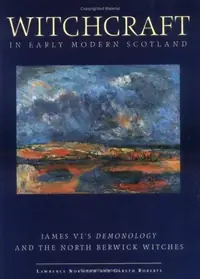
Witchcraft in Early Modern Scotland Normand
Normand, Lawrence; , Roberts, Gareth 80
80
 Editorial score
How we rate
Editorial score
How we rate
Stock reported in the catalog; fulfillment is confirmed with your request.
Uncover the chilling truth behind King James's infamous Scottish witch hunt.
This compelling volume offers an insightful journey into the foundational concepts of witchcraft and demonology. It meticulously examines one of the most infamous chapters in Scottish history: the North Berwick witch trials. Through this specific, dramatic case, the book illuminates the broader societal anxieties and intellectual frameworks that underpinned early modern beliefs about magic and the demonic. Readers will gain a profound understanding of how these powerful ideas were not abstract theories, but played out with devastating real-world consequences, significantly shaped by King James VI's personal involvement and fervent convictions.
This work resides within the historical study of early modern European demonology and the specific cultural hysteria surrounding witchcraft in Scotland. It bridges the gap between academic history and esoteric interest by examining the intellectual frameworks that legitimized persecution.


📝 Description: Witchcraft in Early Modern Scotland Normand
💎 Expert review
📖 Why choose it
Why this book is worth reading
Readers with a deep fascination for the intersection of religion, politics, and supernatural fear will find this volume indispensable. It is particularly suited for those seeking to understand how King James VI’s personal convictions transformed abstract theological fears into devastating legal realities. By focusing on the North Berwick trials, the book offers a concrete case study that reveals the societal anxieties of the era. If you are interested in how intellectual frameworks about magic influenced real-world justice and persecution, this text provides a profound, nuanced perspective without relying on sensationalism, making it an essential resource for serious students of occult history.
⭐ Reader reviews
Reader rating
This volume serves as a rigorous academic examination rather than a lurid recounting of supernatural events. It is ideal for historians and scholars analyzing the legal and theological underpinnings of the North Berwick trials. However, readers seeking dramatic narratives, ghost stories, or practical Wiccan techniques will likely find it dry and overly dense. The focus remains strictly on societal anxieties and demonology rather than mystical practice. Consequently, casual enthusiasts of modern witchcraft may find the historical distance and scholarly tone alienating, as the book prioritizes intellectual context over entertainment value.
❓ Frequently asked questions
📖 Who should read this
For scholars of early modern history, legal historians, and anyone deeply fascinated by the intersection of politics, religion, and societal fear, this book offers an indispensable account of a pivotal historical moment. It's a must-read for those seeking to understand the grim realities of witch hunts.
🎯 Key themes and symbolism
The Nature of Witchcraft
The book delves into the popular and academic understandings of witchcraft during the Early Modern period. It explores the perceived practices, malevolent intentions, and societal fears that defined a 'witch' in Scotland, going beyond mere superstition to analyze the complex cultural and legal definitions that led to widespread persecution and terror in communities.
Understanding Demonology
This study unpacks the intricate theological and philosophical frameworks of demonology prevalent in the 16th and 17th centuries. It examines how beliefs about the devil, demonic pacts, and infernal influence provided a lens through which unexplained misfortunes were interpreted, forming the intellectual bedrock for prosecuting alleged sorcerers and solidifying fear.
The North Berwick Trials
At its core, the book provides a detailed examination of the notorious North Berwick witch hunt, a pivotal event where accusations spiraled into a national crisis. It scrutinizes the specific accusations, confessions, and legal proceedings, critically assessing King James VI's personal fascination and direct involvement, which profoundly shaped the course of these infamous trials.
💬 Quotes from the book
“The pervasive dread of maleficium deeply permeated society, transforming neighborly disputes into accusations of dark magic.”
“King James's personal conviction regarding diabolical conspiracy profoundly shaped the judicial process and public imagination during this period.”
📜 Historical context
📚 Glossary
- Demonology
- Maleficium
- Early Modern Period
📔 Questions to reflect on
- How did the political climate and personal beliefs of figures like King James VI contribute to the intensity of witch hunts?
- Reflect on how historical fears and anxieties, such as those about witchcraft, resonate with contemporary societal fears or moral panics.
- Consider the role of legal systems and confessions, often extracted under duress, in shaping the narrative and outcomes of witch trials.
📖 From the series “Exeter Studies in History”
All books in the series →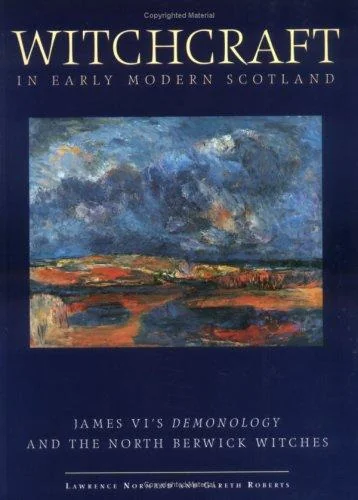
✍️ More books by this author Normand, Lawrence; , Roberts, Gareth
All books by this author →🏛 Books from this publisher Liverpool University Press
All books from this publisher →
 85
85
You might also like
See more →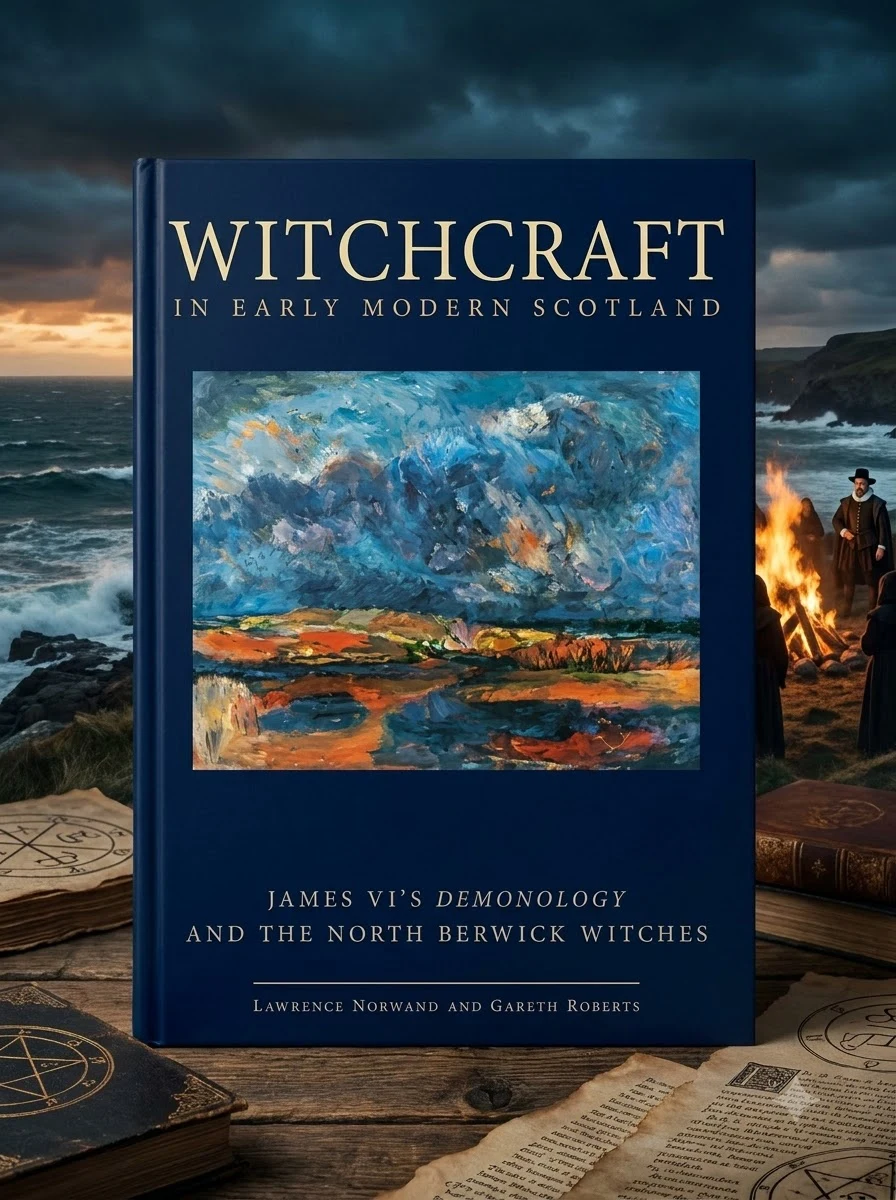
 91
91