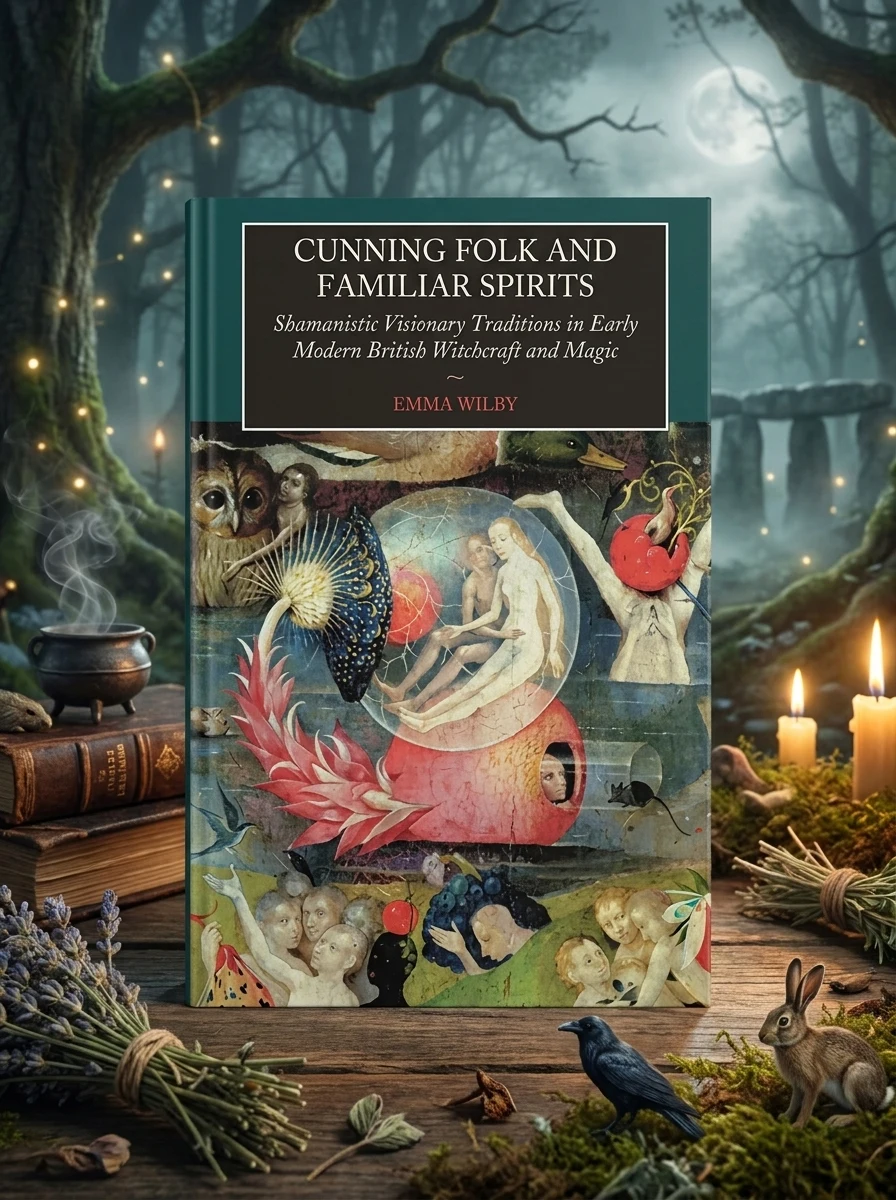
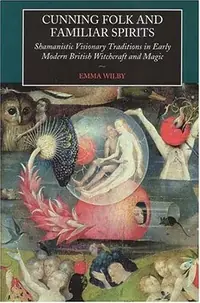
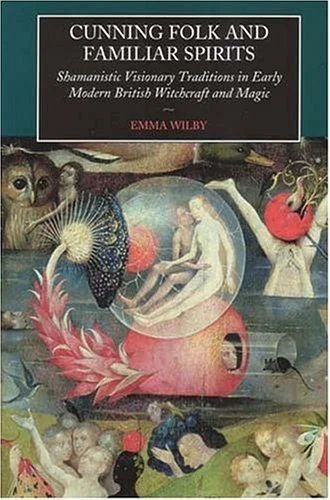
Cunning-Folk and Familiar Spirits
Wilby, EmmaStock reported in the catalog; fulfillment is confirmed with your request.
Uncover the hidden world of familiar spirits and the cunning folk who communed with them.
Delve into the largely unexamined world of familiar spirits in early modern Britain, exploring the profound connections between common magical practitioners and their supernatural allies. Emma Wilby masterfully correlates these beliefs with tribal shamanism, revealing the deeply personal and often misunderstood experiences of popular magic and witchcraft. She meticulously traces the folkloric lineage of familiar lore, demonstrating its intricate ties to both traditional fairy beliefs and the darker accusations of witchcraft, challenging previous historical dismissals and offering a vital new perspective on this rich, complex tradition.
This work situates itself within the study of early modern British esotericism, specifically examining the intersection of popular folk magic and the historical accusations of witchcraft.


📝 Description: Cunning-Folk and Familiar Spirits
💎 Expert review
📖 Why choose it
Why this book is worth reading
Readers fascinated by the nuanced history of magic and the lived experiences of early modern practitioners will find this book indispensable. Emma Wilby offers a vital corrective to historical dismissals, illuminating the profound personal connections between cunning-folk and their familiar spirits. By correlating these beliefs with tribal shamanism, she reveals a rich, complex tradition often misunderstood as mere superstition. Scholars and enthusiasts of occult history will appreciate the meticulous tracing of folkloric lineages, linking fairy lore to witchcraft accusations. This text provides deep insight into the spiritual lives of those on the margins, offering a fresh perspective that honors their agency and complexity without romanticizing or demonizing their practices.
⭐ Reader reviews
Reader rating
Wilby’s scholarship is rigorous and transformative, yet it demands patience from readers seeking light entertainment. This is not a guide to performing spells but a dense historical analysis of belief systems. It may disappoint those looking for practical occult instructions or sensationalist tales of demonic pacts. The academic tone and focus on early modern Britain might alienate general fantasy readers unfamiliar with this specific period. However, for those willing to engage with the intricate ties between shamanism, fairy lore, and witchcraft trials, it is an essential, albeit demanding, contribution to understanding the hidden world of popular magic.
❓ Frequently asked questions
📖 Who should read this
For those fascinated by the authentic practices of historical magic, the intersection of folklore and social history, or the hidden experiential dimensions of early modern spirituality. If you seek to understand the nuanced realities behind the witch trials and the enduring power of popular belief, this book is an essential journey.
🎯 Key themes and symbolism
Intimate Spirit Collaborations
This work unveils the practical, often intimate partnerships between cunning folk and their familiar spirits, whether animalistic or humanoid. It highlights the lived, experiential nature of early modern British magic, revealing how these practitioners navigated their world through direct engagement with these supernatural entities, moving beyond mere theoretical concepts.
Shamanic Roots in Britain
Wilby draws compelling parallels between the practices of early modern British cunning folk and the ancient traditions of tribal shamanism. By examining the shared elements of spirit communication, altered states, and healing, the book posits a fundamental, cross-cultural spiritual technology at play, offering a fresh lens through which to understand historical magic.
Reclaiming Folkloric Magic
Challenging long-held historical biases, this book resurrects the folkloric underpinnings of familiar lore, demonstrating its deep roots in traditional fairy beliefs. It recontextualizes the phenomenon of witchcraft accusations, showing how genuine spiritual practices were often misinterpreted or demonized, moving beyond simplistic narratives of demonic pacts.
💬 Quotes from the book
“The seemingly bizarre confessions of familiar encounters, once dismissed as mere legal fictions, reveal a profound and consistent spiritual paradigm woven into the fabric of popular belief.”
“By drawing parallels between British folk magic and global shamanic practices, we uncover a universal human impulse to connect with the unseen realms through mediating spirits.”
📜 Historical context
📚 Glossary
- Cunning-Folk
- Familiar Spirit
- Early Modern Britain
📔 Questions to reflect on
- How might our understanding of historical "superstition" change if we centered the experiential reality of its practitioners?
- In what ways do modern spiritual or magical practices echo the ancient relationships between humans and familiar spirits?
- Reflect on the power dynamics inherent in historical interpretations: who benefits when certain beliefs are dismissed as delusion?
✍️ More books by this author Wilby, Emma
All books by this author →
🏛 Books from this publisher Liverpool University Press
All books from this publisher →
You might also like
See more →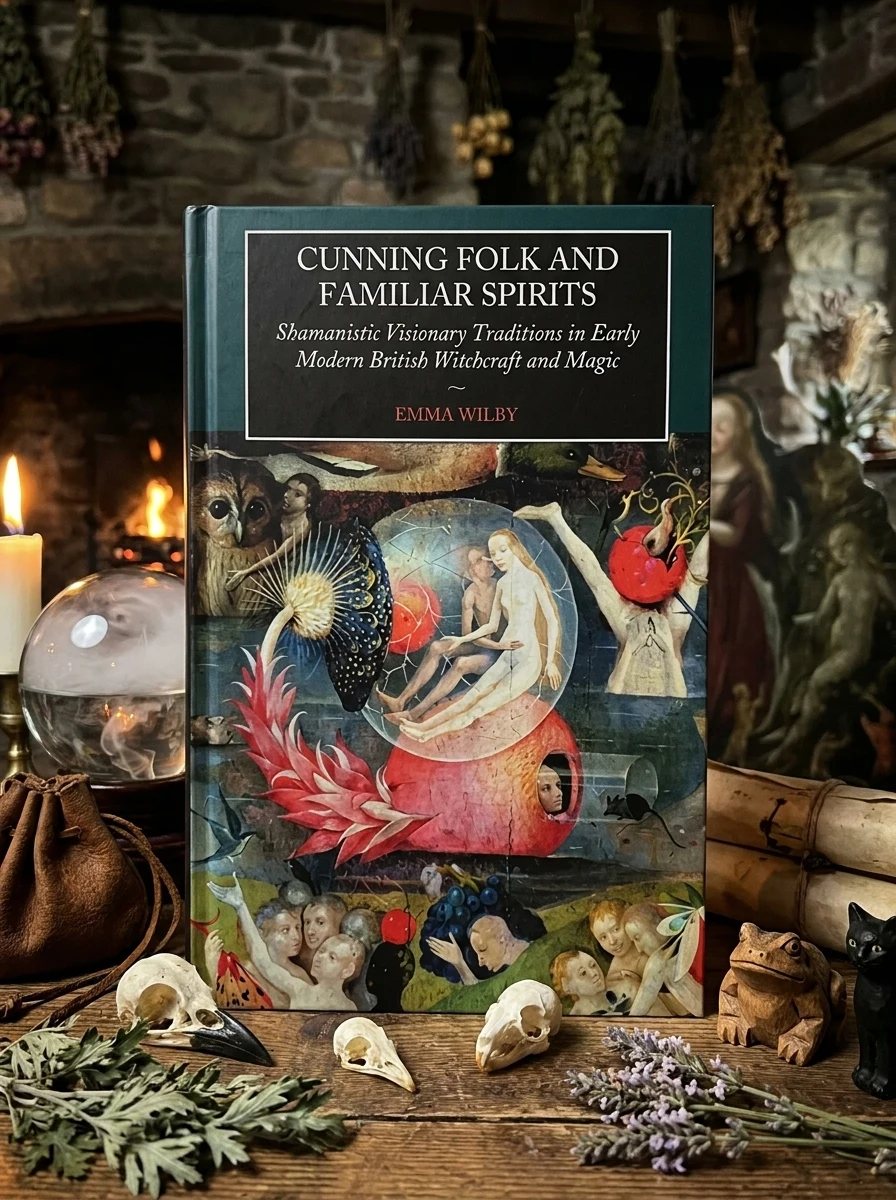
 85
85
 91
91