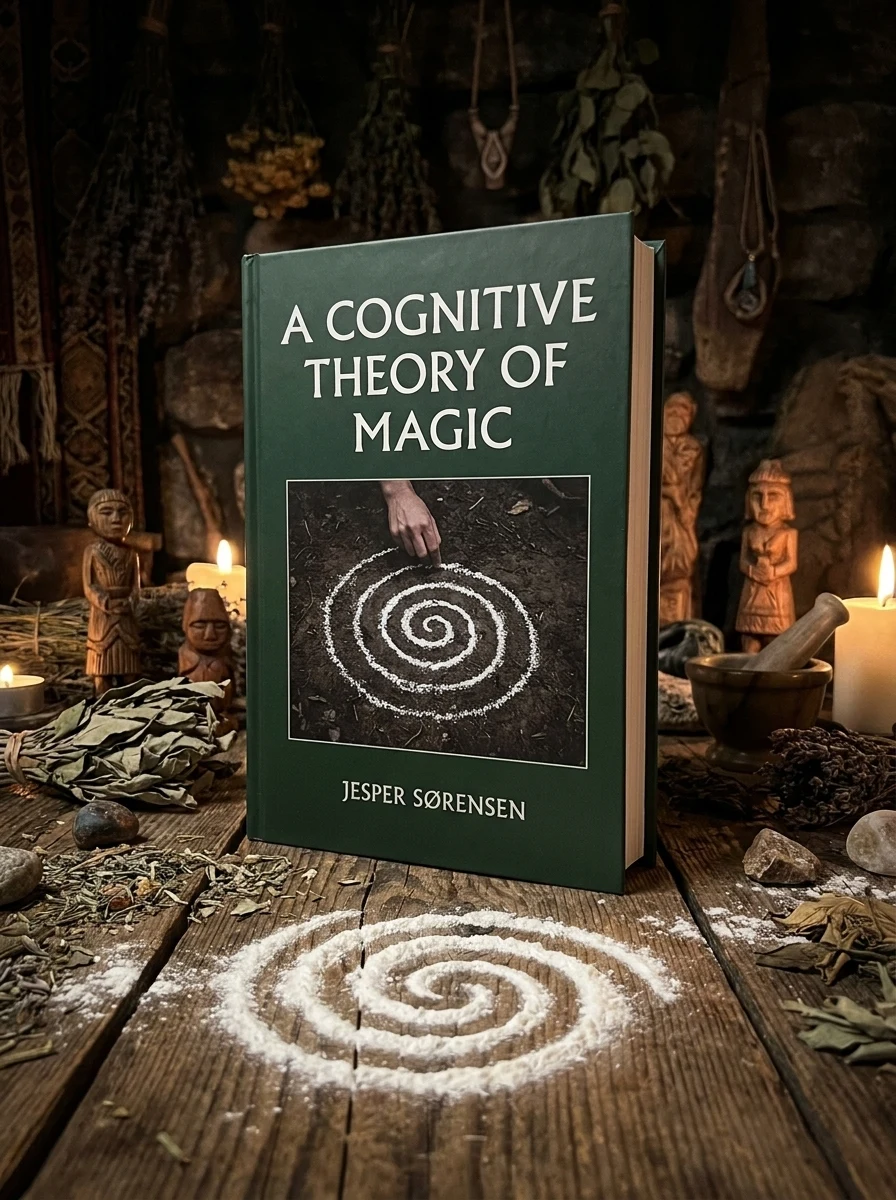
Cognitive Theory of Magic Sørensen, Jesper
Sørensen, JesperStock reported in the catalog; fulfillment is confirmed with your request.
Unravel the universal threads of magic through the lens of human cognition.
Jesper Sørensen offers a groundbreaking cognitive analysis of magic, asserting its ubiquitous presence across human cultures. Moving beyond traditional interpretations, he meticulously examines classical ethnographic evidence to demonstrate how recurrent cognitive processes underpin magic's diverse manifestations. The book illuminates how ritual actions acquire perceived power, the mechanisms of contagion and similarity in magical manipulation, and how the very act of performance solidifies beliefs in a ritual's efficacy. Sørensen ultimately constructs a comprehensive cognitive theory, explaining how we represent magical rituals as purposeful and integrate them into our understanding of events.
This work sits at the intersection of cognitive science and anthropological studies of esoteric practices, offering a modern theoretical framework for understanding magic through human cognition rather than supernatural metaphysics. It contributes to the scholarly discourse on ceremonial magic by grounding its mechanisms in universal psychological processes.


📝 Description: Cognitive Theory of Magic Sørensen, Jesper
💎 Expert review
📖 Why choose it
Why this book is worth reading
Readers fascinated by the psychological underpinnings of ritual will find this text invaluable. It appeals to those who seek a rational, cognitive explanation for the pervasive presence of magic across human cultures. By examining how recurrent cognitive processes shape magical manifestations, the book helps readers understand why ritual actions acquire perceived power and how performance solidifies belief. It is ideal for scholars and enthusiasts who want to move beyond traditional interpretations to grasp how we represent magical rituals as purposeful. This work offers a comprehensive theory that integrates these elements into our broader understanding of events, providing a deep, intellectual engagement with the mechanics of belief and practice.
⭐ Reader reviews
Reader rating
Sørensen delivers a rigorous cognitive analysis that demystifies magic by linking it to universal mental processes. The text is dense and academic, relying heavily on classical ethnographic evidence to build its case. While insightful for those interested in the structural logic of ritual, it may disappoint readers seeking practical spellcasting instructions or mystical experiences. Those looking for esoteric secrets or non-cognitive spiritual frameworks will likely find the approach too clinical. However, for intellectuals willing to engage with complex arguments about contagion, similarity, and belief formation, it offers a compelling, albeit demanding, perspective on the human relationship with the magical.
❓ Frequently asked questions
📖 Who should read this
If you're fascinated by the intersection of psychology, anthropology, and esoteric traditions, this book is for you. Scholars and curious practitioners alike will find a rigorous, scientific exploration of why magic persists as a human phenomenon. Dive deep into the mind's role in shaping our understanding of the supernatural.
🎯 Key themes and symbolism
Universal Magical Patterns
Sørensen argues that the widespread occurrence of similar magical practices across disparate cultures is not coincidental. Instead, he posits that fundamental human cognitive structures predispose us to certain modes of thought, making magical reasoning intuitively compelling and explaining its consistent appearance globally, transcending specific cultural contexts.
Ritual Mechanics & Power
The book dissects the specific operational principles believed to govern magic, such as the transference of properties via physical touch (contagion) or the influence of objects based on their resemblance (similarity). It investigates how these symbolic acts are perceived to imbue rituals with efficacy, transforming them into potent tools for desired outcomes.
Representing Magical Action
A central inquiry involves how individuals form mental representations of magical acts as both intentional and effective. Sørensen explores how the very performance of a ritual reinforces the belief in its power, integrating these actions into a broader cognitive framework that shapes our understanding of causality and event sequences.
💬 Quotes from the book
“The ubiquity of magical thought across disparate cultures suggests an underlying architecture of human cognition, rather than simply learned cultural patterns.”
“Ritual efficacy, from a cognitive standpoint, is often less about direct causal impact and more about the generation of potent mental representations that shape actor perception and intention.”
📜 Historical context
📚 Glossary
- Cognitive Perspective
- Contagion (Magical)
- Sympathetic Magic
📔 Questions to reflect on
- Reflect on a 'superstitious' habit or belief you or someone you know holds. How might Sørensen's cognitive theory explain its persistence or perceived effectiveness?
- Consider a modern-day ritual (e.g., sports superstitions, daily routines before a big event). How do principles of contagion or similarity manifest in these actions, even if not explicitly labeled 'magic'?
- How does understanding the cognitive underpinnings of magic challenge or affirm your own views on the nature of belief and reality?
✍️ More books by this author Sørensen, Jesper
All books by this author →
🏛 Books from this publisher Altamira Press
All books from this publisher →You might also like
See more →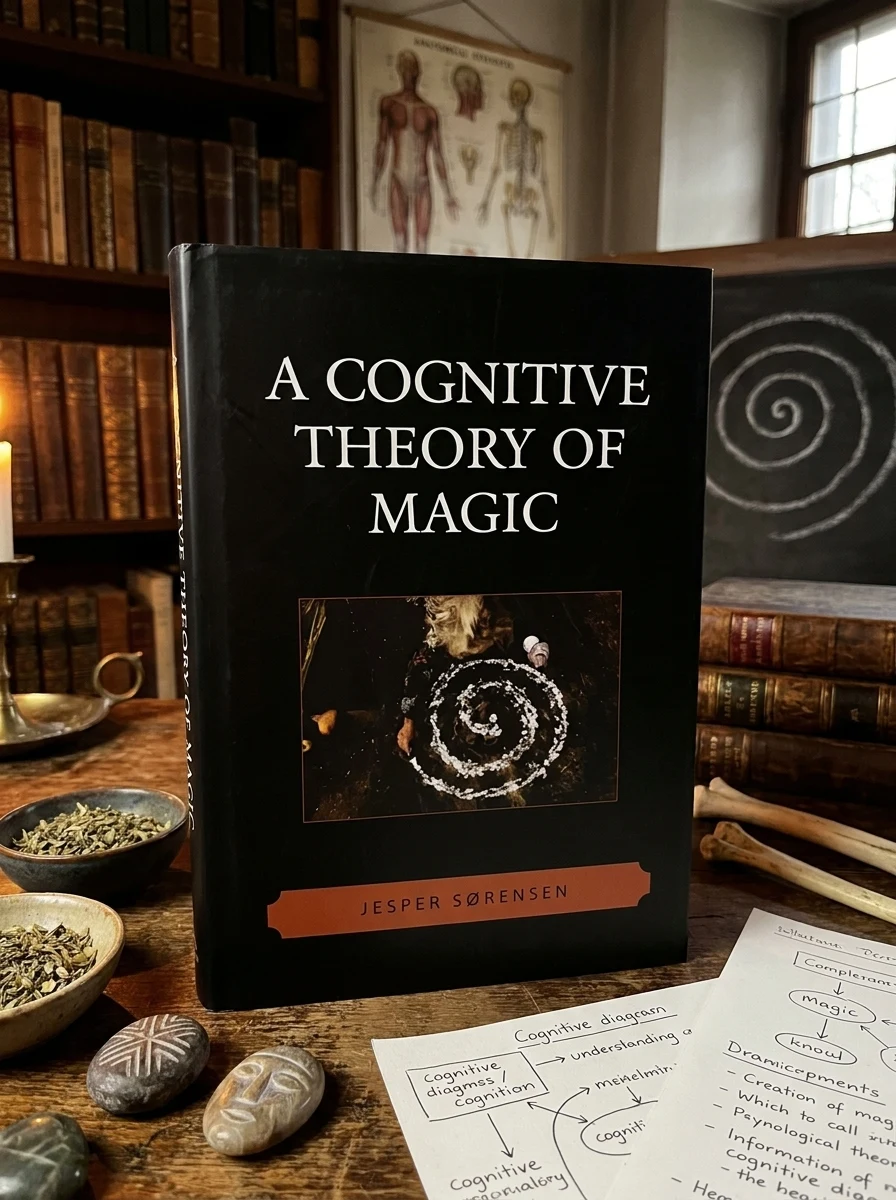
 82
82
 91
91