US shipping Secure card payment Occult and esoteric books

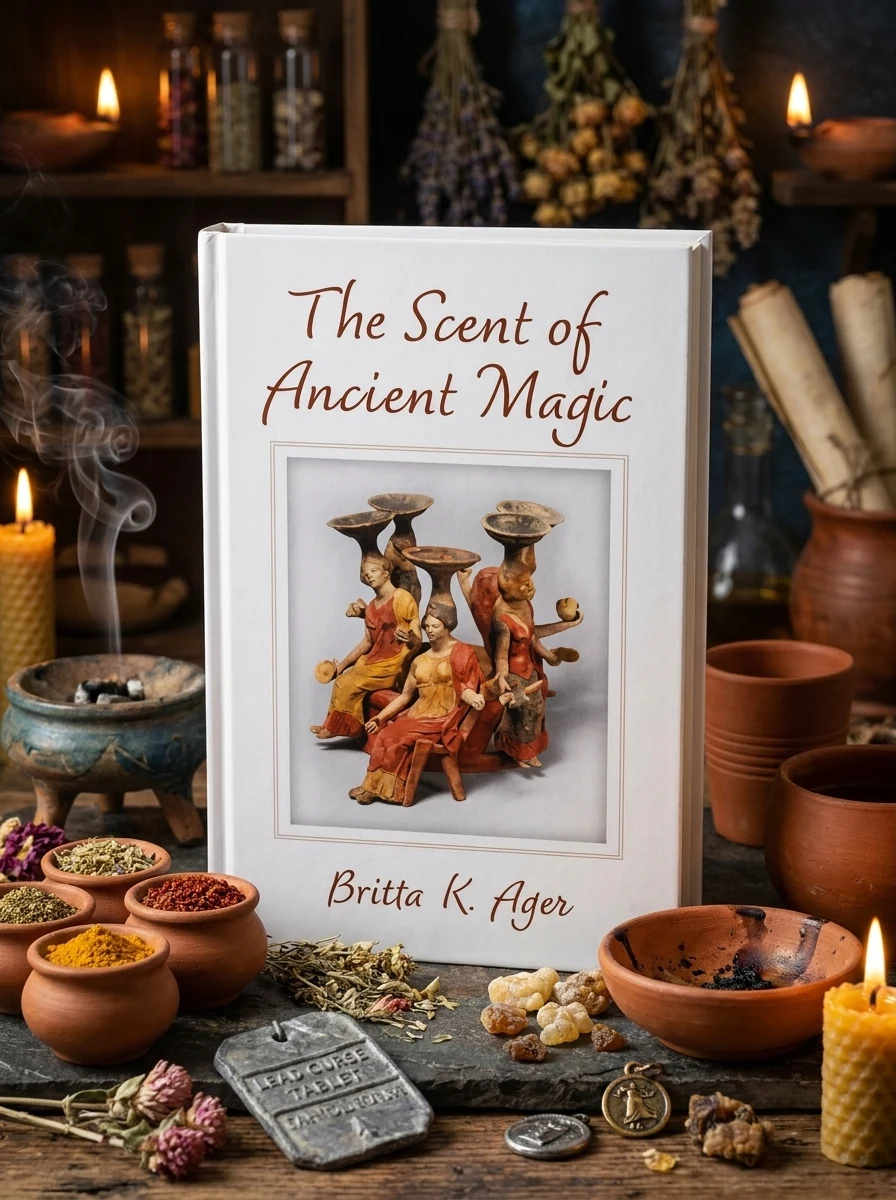
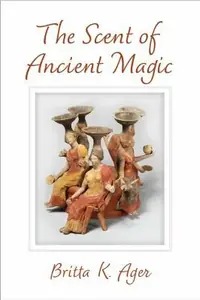
The Scent of Ancient Magic

Ager, Britta K
Reader rating
4.5
(1 reviews) 42 sold
Availability to be confirmed

This edition can be ordered. No arrival date is confirmed.

📚 ABOUT THE BOOK

Uncover the forgotten, potent sensory world of ancient Greco-Roman magic.

Britta Ager's groundbreaking work explores how magic in the Greco-Roman world was a profoundly sensory experience, far beyond mere incantations or written spells. She reveals how practitioners engaged all five senses—especially smell—to manipulate their reality. From the sweet perfumes inviting deities to foul odors used in curses, scent permeated every aspect of ritual. This book illustrates how these sensory engagements were not just symbolic, but practical methods for coping with daily life, creating immersive experiences for divine contact, healing, and even aggressive magical acts, intertwining deeply with both daily life and literary expression.

Key themes
Sensory Rituals Unveiled Everyday Enchantments Scent's Dual Power
Historical context

This work situates itself within the study of ancient Greco-Roman occult practices, specifically examining the sensory dimensions of ceremonial magic in antiquity. It bridges classical studies with esoteric history by focusing on how scent and physical sensation defined magical efficacy.


Difficulty
●●● Demanding
Fans will love it
Mary Douglas · Walter Burkert · Rougemont's sensory anthropology
⚜️ Ceremonial Magic
🏛 University of Michigan Press 📅 2022 📖 238 pages 📔 Hardcover 📐 Hardcover ISBN: 9780472133024
Fun fact
Ager's "The Scent of Ancient Magic" is a revelatory contribution, skillfully bringing the sensory world of Greco-Roman magic to life. It excels at demonstrating how deeply intertwined scent was with ancient spiritual practice, making historical rituals feel vibrantly immediate. While it might disappoint those seeking a purely philological or artifact-focused study, its unique embodied perspective makes it essential reading for anyone interested in ancient occultism or sensory history. This book firmly establishes a new lens for understanding the practical realities of magic in antiquity.

📝 Description: The Scent of Ancient Magic

Magic was a fundamental part of the Greco-Roman world. Curses, erotic spells, healing charms, divination, and other supernatural methods of trying to change the universe were everyday methods of coping with the difficulties of life in antiquity. While ancient magic is most often studied through texts like surviving Greco-Egyptian spellbooks and artifacts like lead curse tablets, for a Greek or Roman magician a ritual was a rich sensual experience full of unusual tastes, smells, textures, and sounds, bright colors, and sensations like fasting and sleeplessness. Greco-Roman magical rituals were particularly dominated by the sense of smell, both fragrant smells and foul odors. Ritual practitioners surrounded themselves with clouds of fragrant incense and perfume to create a sweet and inviting atmosphere for contact with the divine and to alter their own perceptions; they also used odors as an instrumental weapon to attack enemies and command the gods. Elsewhere, odiferous herbs were used equally as medical cures and magical ingredients. In literature, scent and magic became intertwined as metaphors, with fragrant spells representing the dangers of sensual perfumes and conversely, smells acting as a visceral way of envisioning the mysterious action of magic. The Scent of Ancient Magic explores the complex interconnection of scent and magic in the Greco-Roman world between 800 BCE and CE 600, drawing on ancient literature and the modern study of the senses to examine the sensory depth and richness of ancient magic. Author Britta K. Ager looks at how ancient magicians used scents as part of their spells, to put themselves in the right mindset for an encounter with a god or to attack their enemies through scent. Ager also examines the magicians who appear in ancient fiction, like Medea and Circe, and the more metaphorical ways in which their spells are confused with perfumes and herbs. This book brings together recent scholarship on ancient magic from classical studies and on scent from the interdisciplinary field of sensory studies in order to examine how practicing ancient magicians used scents for ritual purposes, how scent and magic were conceptually related in ancient literature and culture, and how the assumption that strong scents convey powerful effects of various sorts was also found in related areas like ancient medical practices and normative religious ritual.

💎 Expert review

💎
Esoterica Books editorial team
Occult literature desk
Ager’s study is a rigorous academic exploration that demands patience from readers seeking quick, practical grimoire instructions or mystical insights. This volume is not suited for casual hobbyists looking for easy spellcasting guides; it is a dense scholarly text focused on historical analysis of sensory engagement in antiquity. However, for academics and serious historians of religion, it is a significant contribution. The work successfully argues that scent was a practical tool rather than mere symbolism. Readers expecting narrative flair or esoteric secrets may find the tone too dry and analytical, but those valuing rigorous cultural context will appreciate its depth.
✓ EDITOR'S REVIEW

📖 Why choose it

📖

Why this book is worth reading

Readers deeply interested in the materiality of ritual and the historical intersection of olfaction and spirituality will find this text invaluable. Britta Ager offers a fresh perspective on Greco-Roman magic, moving beyond textual analysis to explore how practitioners used scent to manipulate reality. If you are fascinated by the practical application of sensory experiences in healing, divine contact, or cursing, this book provides essential context for understanding how ancient communities engaged with the divine through smell. It is particularly rewarding for those who appreciate scholarly works that reveal the immersive, bodily nature of historical religious and magical practices.

⭐ Reader reviews

The starting rating comes from the team Esoterica Books —
⭐ Esoterica editorial review Editorial rating 4.5/5
★★★★
If you're fascinated by the lived experience of ancient magic, beyond just texts and artifacts, or seek to understand the sensory dimensions of historical rituals, this book offers a unique and immersive perspective. It's perfect for those interested in the practical application of occultism in…

Reader rating

4.5
Based on 1 reviews
5
0
4
1
3
0
2
0
1
0
E
Esoterica Books editorial team

Ager’s study is a rigorous academic exploration that demands patience from readers seeking quick, practical grimoire instructions or mystical insights. This volume is not suited for casual hobbyists looking for easy spellcasting guides; it is a dense scholarly text focused on historical analysis of sensory engagement in antiquity. However, for academics and serious historians of religion, it is a significant contribution. The work successfully argues that scent was a practical tool rather than mere symbolism. Readers expecting narrative flair or esoteric secrets may find the tone too dry and analytical, but those valuing rigorous cultural context will appreciate its depth.

❓ Frequently asked questions

It reorients the study of Greco-Roman magic by focusing on the often-overlooked sensory aspects, particularly the profound role of smell, rather than solely on textual or material evidence, providing a more holistic understanding of ancient ritual practice.
While it covers a broad spectrum of magic—curses, healing, divination, erotic spells—its central thesis explores how the sense of smell was instrumental across these various practices, serving as a key element for practitioners to achieve their magical aims.

📖 Who should read this

If you're fascinated by the lived experience of ancient magic, beyond just texts and artifacts, or seek to understand the sensory dimensions of historical rituals, this book offers a unique and immersive perspective. It's perfect for those interested in the practical application of occultism in antiquity.

🎯 Key themes and symbolism

Sensory Rituals Unveiled

The book meticulously details how ancient magical practices were designed to engage all the senses. It argues that rituals were immersive, multi-sensory events, with particular emphasis on how smells—both alluring and repulsive—were employed to alter perception, invite or repel spirits, and create potent, unforgettable experiences for the practitioner and their targets.

Everyday Enchantments

Ager demonstrates that magic was an integrated part of daily existence in antiquity, not a fringe activity. People turned to spells and charms for a wide range of common life challenges, including love, protection from enemies, healing, and seeking guidance through divination. These practices were vital coping mechanisms woven into the fabric of society.

Scent's Dual Power

This study highlights the paradoxical role of scent in ancient magic. Fragrant incenses and perfumes were used to create sacred atmospheres, inviting divine presence and purifying spaces. Conversely, noxious odors served as potent weapons to curse foes or compel gods. The book explores this duality, linking it to both medical and magical applications of odorous substances.

💬 Quotes from the book

“Imagine the ancient magician, not merely reciting, but enveloped in a cloud of frankincense and myrrh, the sacred smoke clinging to their robes, altering their very breath, opening a pathway to the unseen.”

“A delicate whisper of fragrant herbs could mend a broken body, yet the acrid smoke of burning sulfur might bind an enemy. Scent, in the ancient world, was not merely perceived; it was an active force, a weapon, a balm.”

📜 Historical context

While much scholarship on Greco-Roman magic focuses on textual analysis of spellbooks and the archaeology of curse tablets, Ager's work shifts the paradigm. It integrates a phenomenological approach, emphasizing the sensory world of the practitioner. By foregrounding the role of smell, the book offers a fresh and vital contribution to understanding ancient spiritual and magical traditions, grounding them in the embodied experience of their time.

📚 Glossary

Greco-Roman Magic
Divination
Erotic Spells

📔 Questions to reflect on

  1. Reflect on a time when a specific scent powerfully evoked a memory or emotion for you. How might ancient practitioners have harnessed such personal and collective associations in their magic?
  2. Consider how engaging multiple senses in a modern spiritual or meditative practice could deepen its impact compared to a purely intellectual or visual approach. What senses would you prioritize?
  3. If you were to design a magical or ritualistic space today, what specific smells, sounds, textures, and sights would you incorporate to create a desired atmosphere or effect?

You might also like

See more →