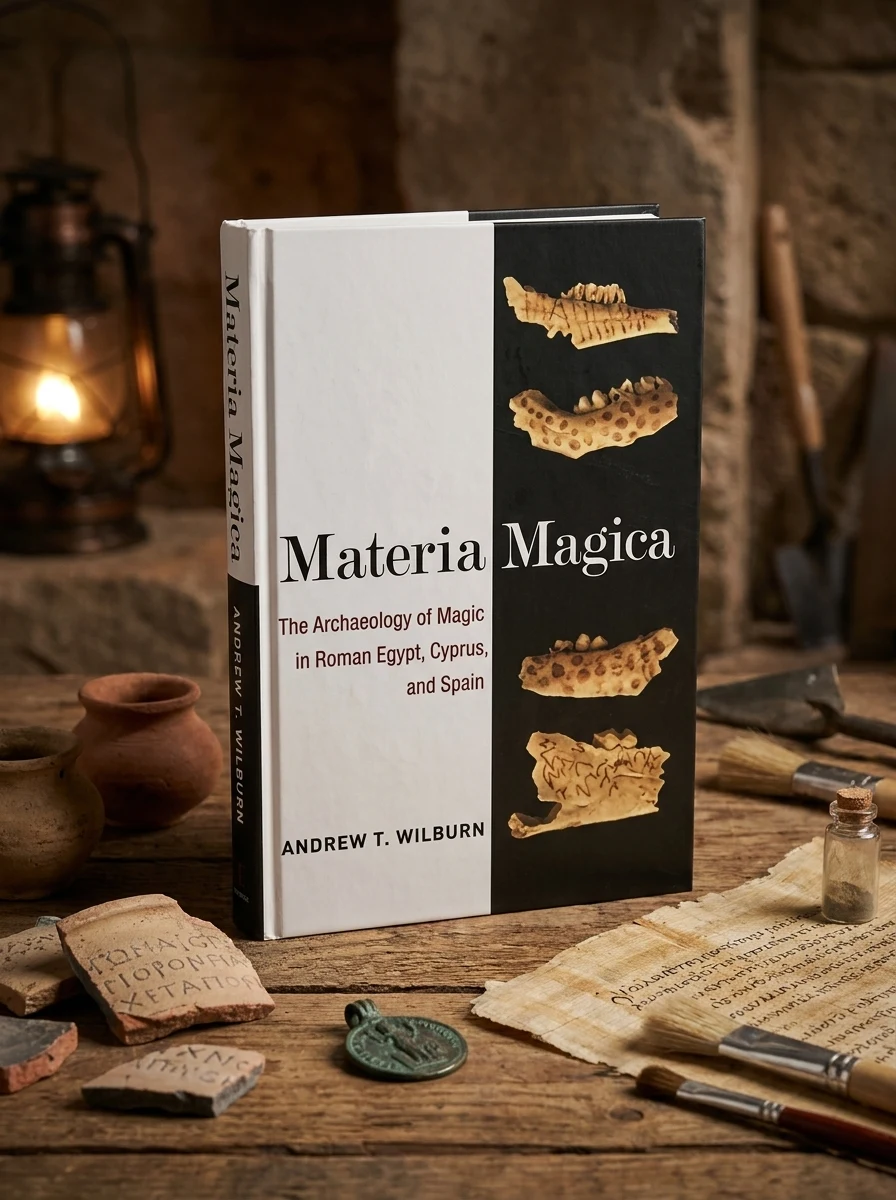
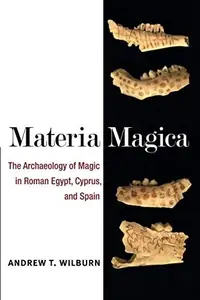
Materia Magica: The Archaeology of Magic in Roman Egypt, Cyprus, and Spain Wilburn, Andrew T
Wilburn, Andrew TThis edition can be ordered. No arrival date is confirmed.
Unearth the tangible reality of ancient magic through its surviving material forms.
Andrew T. Wilburn’s "Materia Magica" redefines our understanding of ancient magic by focusing on its physical manifestations. Through meticulous archaeological case studies from Roman Egypt, Cyprus, and Spain, Wilburn illustrates how spells, rituals, and objects were inseparable components of magical practice. This groundbreaking work reveals how everyday items became imbued with power, frequently employed by individuals seeking practical solutions during times of crisis. By contextualizing these artifacts, the book offers a fresh perspective on the pervasive role of magic in the lives of ancient peoples, uncovering previously unrecognized forms of ritual engagement.
This work belongs to the scholarly tradition of archaeology and classical studies, specifically examining the material culture of magic within the Roman Empire. It bridges the gap between historical artifact analysis and the practical application of ancient esoteric practices.


📝 Description: Materia Magica: The Archaeology of Magic in Roman Egypt, Cyprus, and Spain Wilburn, Andrew T
💎 Expert review
📖 Why choose it
Why this book is worth reading
Scholars and serious enthusiasts of ancient history will find this text indispensable for its rigorous archaeological approach to understanding magic. By focusing on tangible artifacts from Roman Egypt, Cyprus, and Spain, Wilburn provides a grounded perspective that demystifies the supernatural by anchoring it in physical reality. Readers interested in how everyday objects were transformed into tools of power during times of personal crisis will appreciate the detailed case studies. This book is essential for those seeking to move beyond textual sources and understand the lived experience of ancient magical practitioners through their material remains, offering a fresh and vital perspective on the pervasive role of magic in antiquity.
⭐ Reader reviews
Reader rating
Wilburn’s "Materia Magica" offers a compelling, evidence-based redefinition of ancient magic through its material forms. However, it is strictly an academic archaeological study, not a guide for modern practitioners seeking ritual instructions or spiritual guidance. Casual readers looking for entertaining anecdotes or mystical secrets will likely find the dense focus on pottery, figurines, and inscriptions dry and inaccessible. It is best suited for those with a strong background in classical archaeology who appreciate meticulous analysis over narrative flair. The book demands patience and scholarly interest, making it unsuitable for anyone expecting a light, popular history or an occult handbook.
❓ Frequently asked questions
📖 Who should read this
If you're fascinated by the tangible history of occult practices, curious about how ancient peoples truly engaged with magic, or an archaeologist looking for new ways to interpret artifacts, this book offers profound insights into the lived reality of ancient enchantment.
🎯 Key themes and symbolism
The Materiality of Magic
This book argues that magic wasn't just spoken spells or mental exercises, but deeply rooted in physical objects. Wilburn demonstrates how amulets, curses, and ritual tools weren't mere conduits but active participants in ancient rites, embodying power and intention. He shows how the very substances and forms of these artifacts were integral to the magical act itself.
Archaeological Insights
By meticulously examining artifacts excavated from Roman sites, the author unearths previously overlooked forms of magical practice. This approach transforms ancient detritus into profound evidence, revealing the intricate relationship between physical remains and esoteric action. It champions a methodology that connects textual analysis of inscriptions with a deep consideration of the objects' physical presence and context.
Everyday Enchantments
Wilburn illustrates how magic permeated the daily lives of people in the ancient Mediterranean. Far from being an exotic or rare practice, individuals frequently turned to practical magic, particularly during times of personal or societal distress, using common objects for protection or petition. This challenges notions of magic as solely an elite or clandestine activity.
💬 Quotes from the book
“We must listen to the silent testimonies of the broken potsherd, the corroded lead tablet, for they speak volumes about the living, breathing magic of antiquity.”
“Beyond the grand temples and philosophical treatises, magic thrived in the domestic sphere, woven into the fabric of everyday fears and desires, palpable in the simplest of household items.”
📜 Historical context
📚 Glossary
- Materia Magica
- Archaeological Context
- Ritual Performance
📔 Questions to reflect on
- Consider a contemporary crisis or common fear. What everyday objects might people imbue with magical significance today, and why?
- How does examining the physical remains of a belief system change your understanding compared to reading about its texts or philosophies alone?
- Reflect on an item you own that holds personal significance. How might its 'materia' (materiality) contribute to its perceived power or meaning for you?
📖 From the series “New Texts from Ancient Cultures”
All books in the series →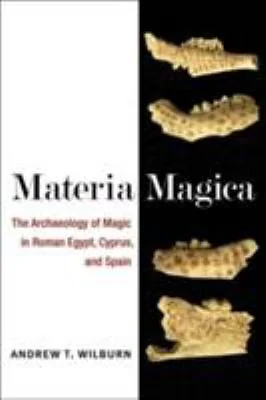
✍️ More books by this author Wilburn, Andrew T
All books by this author →🏛 Books from this publisher University of Michigan Press
All books from this publisher →
You might also like
See more →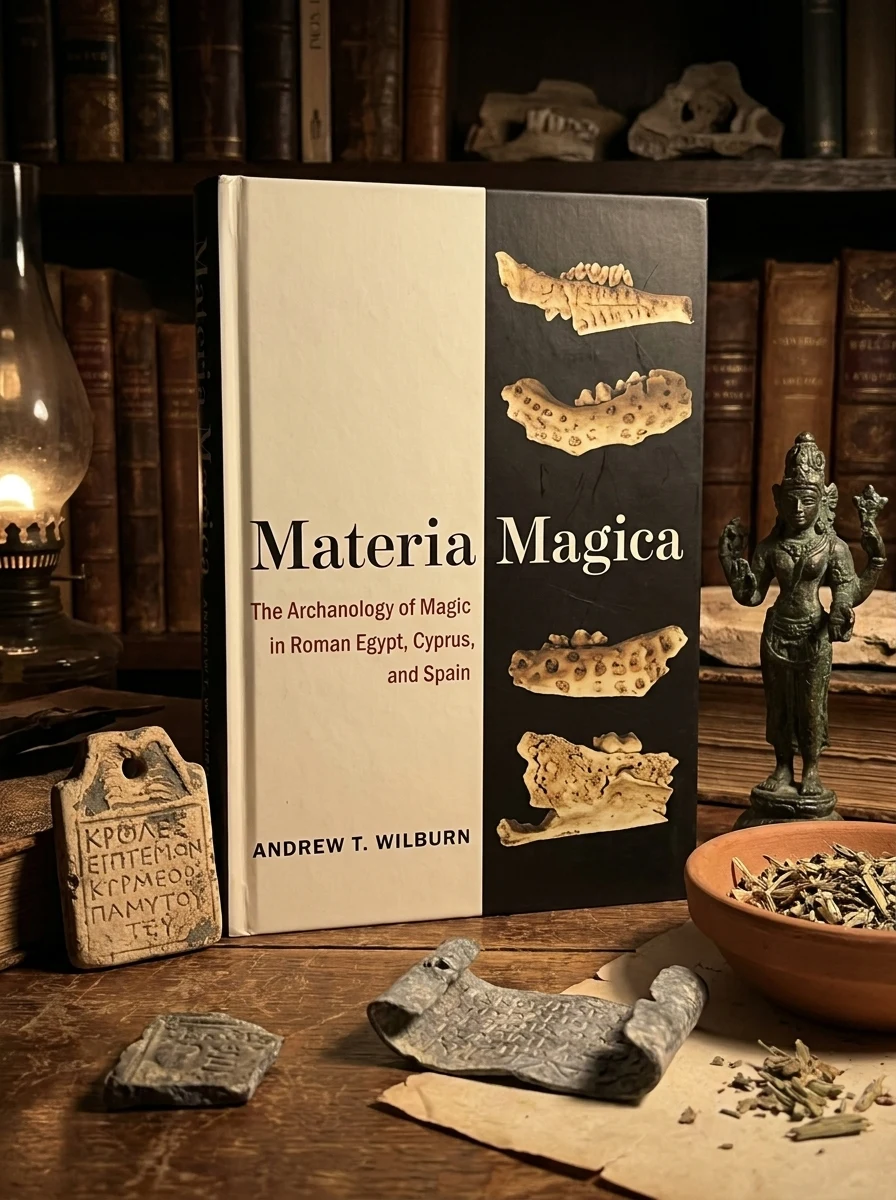
 91
91
 91
91
 91
91