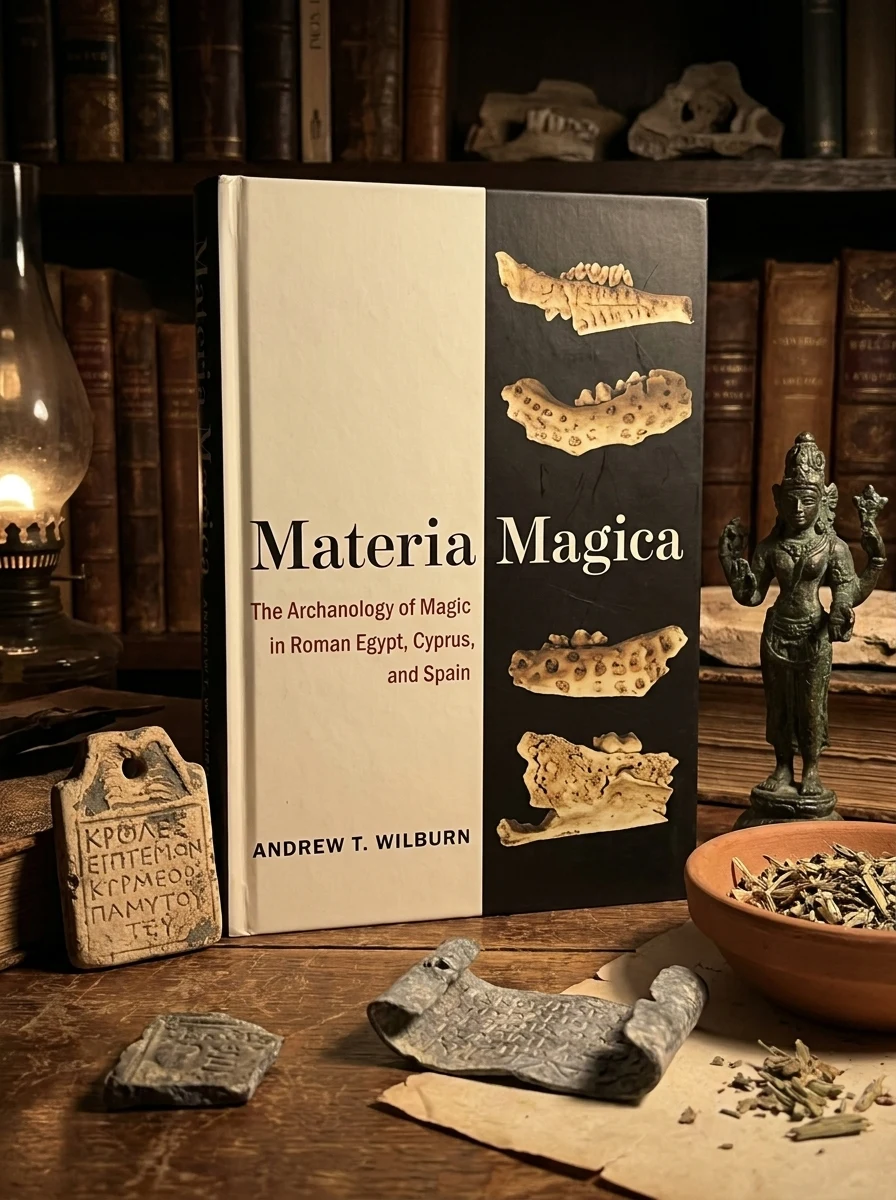
Materia Magica: The Archaeology of Magic in Roman Egypt, Cyprus, and Spain Wilburn, Andrew T
Wilburn, Andrew TThis edition can be ordered. No arrival date is confirmed.
Unearth the forgotten magic of the ancient world, embedded in everyday objects.
Andrew T. Wilburn's Materia Magica embarks on an innovative archaeological journey, unearthing previously overlooked forms of ancient magic across Roman Egypt, Cyprus, and Spain. By scrutinizing objects recovered from daily life, Wilburn illuminates how individuals frequently turned to magical practices, especially during times of adversity. This study uniquely identifies local magical traditions and explores whether such practices served as a form of quiet resistance. It masterfully connects inscribed texts with the physical artifacts, revealing the intricate interplay of spoken spells, ritual actions, and material components in ancient magical rites.
This work situates itself within the scholarly discourse of Roman antiquity and esoteric studies, specifically focusing on the material culture of magic in Egypt, Cyprus, and Spain. It bridges the gap between classical archaeology and the history of occult practices by examining how ritual was embedded in daily life.


📝 Description: Materia Magica: The Archaeology of Magic in Roman Egypt, Cyprus, and Spain Wilburn, Andrew T
💎 Expert review
📖 Why choose it
Why this book is worth reading
Scholars and serious enthusiasts of antiquity will find this book invaluable for its fresh perspective on how magic functioned in the ancient world. By focusing on everyday objects rather than grand rituals, Wilburn reveals the intimate, personal nature of magical practice during times of adversity. Readers interested in the intersection of material culture and spiritual belief will appreciate the detailed analysis of inscribed texts alongside physical artifacts. It offers a nuanced view of local traditions and potential quiet resistance, providing essential context for understanding the lived experience of magic in Roman Egypt, Cyprus, and Spain beyond mere superstition.
⭐ Reader reviews
Reader rating
Wilburn provides a rigorous archaeological examination that appeals primarily to academics and dedicated historians of religion. The text demands significant patience due to its dense focus on material analysis and local traditions. It is not suitable for casual readers seeking narrative-driven fantasy or accessible introductions to occultism. Those looking for practical spellcasting guides will find little utility here, as the work is strictly an academic study of past practices. However, for those willing to engage with complex archaeological data, it offers a profound understanding of how ancient individuals navigated their spiritual lives through tangible means.
❓ Frequently asked questions
📖 Who should read this
If you're fascinated by the intersection of ancient history, archaeology, and esoteric practices, this book is essential. It's for those who want to move beyond popular notions of magic and delve into its tangible, historical realities, uncovering the daily lives of ancient magical practitioners.
🎯 Key themes and symbolism
Archaeology of Magic
This book pioneers a method for identifying ancient magical practices through archaeological finds. Instead of relying solely on written texts, Wilburn demonstrates how careful examination of excavated objects, their context, and their physical attributes can reveal specific, often localized, forms of magic previously unknown to scholars. It's a deep dive into material culture as a primary source for understanding ritual.
Magic as Resistance
Wilburn explores a fascinating hypothesis: that magic in ancient societies could function as a form of countercultural resistance. By isolating practitioners and analyzing their rites, the book investigates how individuals, perhaps marginalized or facing societal pressures, might have used magical means to assert agency or challenge established norms, offering a new perspective on social dynamics and power.
Materiality of Ritual
This study emphasizes that ancient magic was a deeply material endeavor. It wasn't just about incantations or intentions; physical objects, specific ritual actions, and spoken words were all integral components woven together in the performance of a magical rite. The book meticulously analyzes how these elements combined to create potent magical interventions in daily life.
💬 Quotes from the book
“By marrying epigraphic analysis with the physical form of an artifact, we unlock a richer understanding of its ritual purpose.”
“Many seemingly mundane household items, when viewed through a careful archaeological lens, reveal their frequent deployment in moments of personal crisis.”
📜 Historical context
📚 Glossary
- Materia Magica
- Archaeology of Magic
- Countercultural Resistance
📔 Questions to reflect on
- Consider an everyday object in your own life. If discovered millennia from now, what might an archaeologist infer about your beliefs or practices based on its context and form?
- How might the practice of 'magic' (broadly defined) in contemporary society serve as a form of individual or collective resistance against prevailing norms or anxieties?
- Reflect on the interplay between spoken words, physical actions, and material objects in any ritual or personal practice you observe or engage in. How do these elements combine to create meaning or effect?
📖 From the series “New Texts from Ancient Cultures”
All books in the series →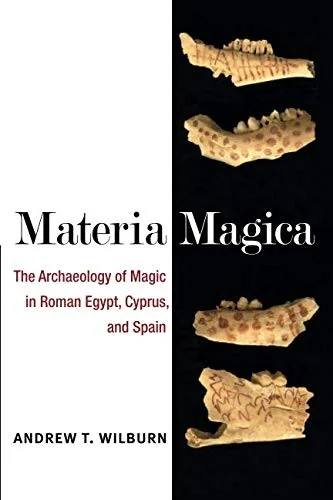
✍️ More books by this author Wilburn, Andrew T
All books by this author →🏛 Books from this publisher University of Michigan Press
All books from this publisher →
You might also like
See more →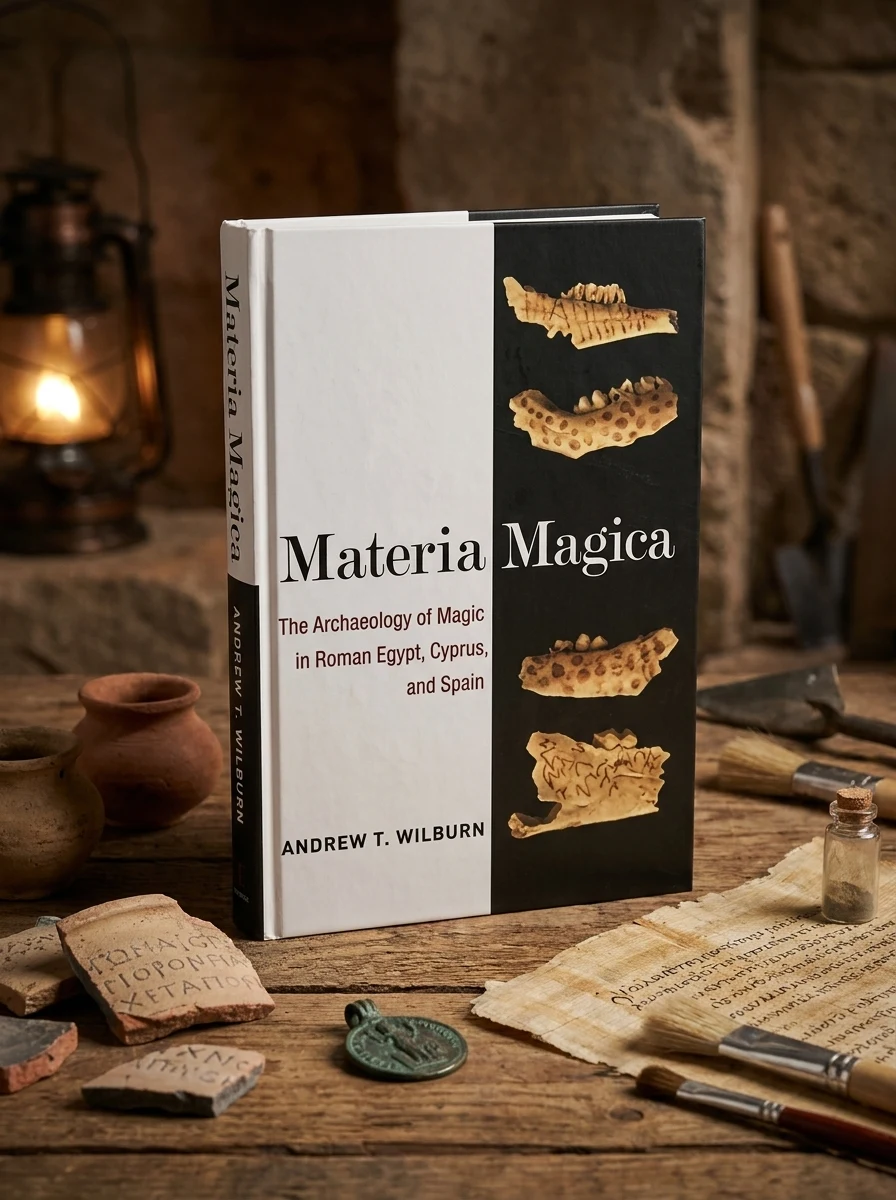

 91
91