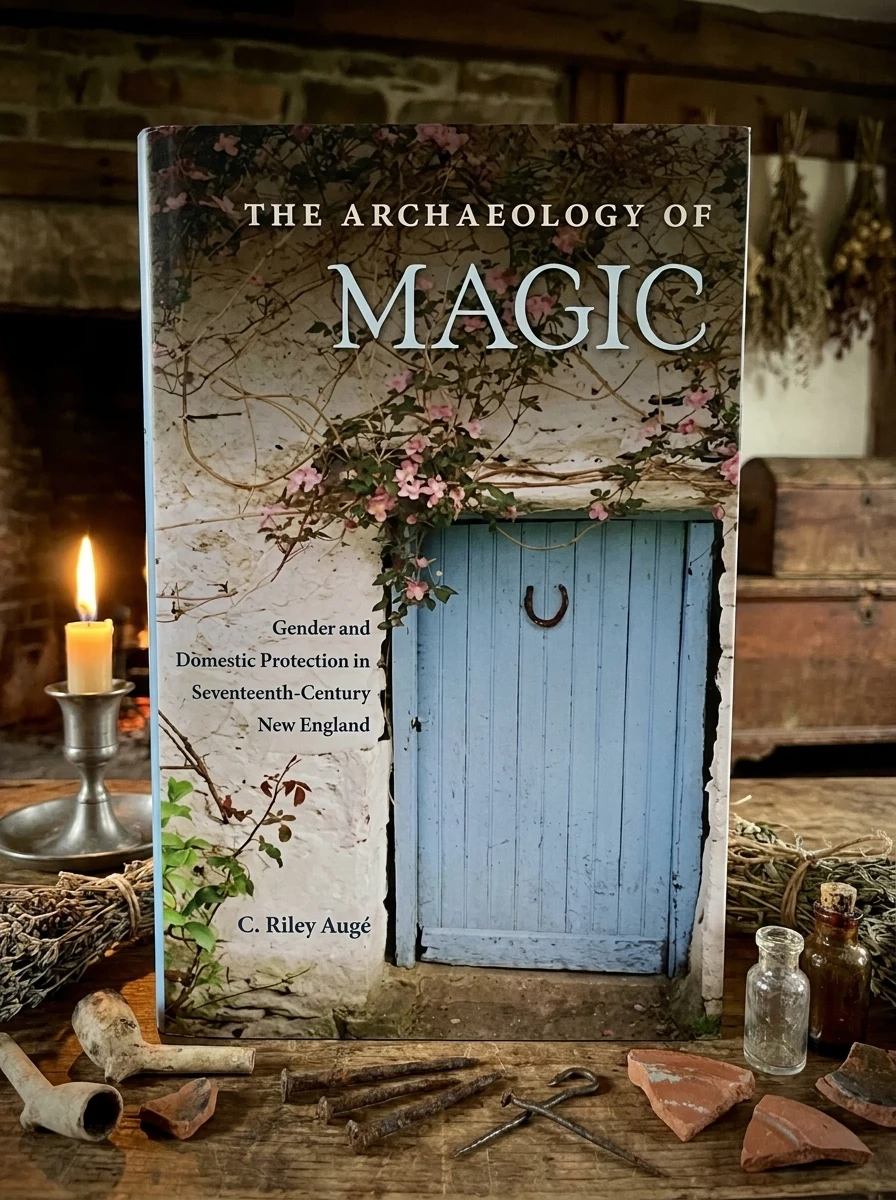
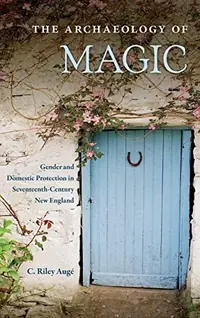
The Archaeology of Magic: Gender and Domestic Protection in Seventeenth-Century New England Augé, C Riley
Stock reported in the catalog; fulfillment is confirmed with your request.
Unearth the hidden magic safeguarding colonial New England homes from unseen threats.
C. Riley Augé's groundbreaking work reveals how early American colonists embraced magical practices for protection in a challenging new world. Through a unique blend of archaeological findings from 17th-century homesteads and meticulous analysis of historical documents like letters, sermons, and court records, Augé uncovers the gendered dimensions of these practices within Puritan society. This study illuminates the anxieties that drove individuals to manipulate the supernatural, demonstrating how everyday objects and architectural details became powerful defenses. It offers a fresh perspective on colonial life, where deeply held religious convictions coexisted with a vibrant, often unacknowledged, magical tradition.
This scholarly work situates itself within the intersection of early American colonial history and esoteric studies, exploring the often-overlooked magical practices of seventeenth-century Puritan society.


📝 Description: The Archaeology of Magic: Gender and Domestic Protection in Seventeenth-Century New England Augé, C Riley
💎 Expert review
📖 Why choose it
Why this book is worth reading
Readers fascinated by the hidden spiritual undercurrents of colonial America will find this book indispensable. It offers a profound look at how ordinary people navigated fear and uncertainty through domestic magic. Those interested in gender studies within historical contexts will appreciate the analysis of protective rituals. The blend of archaeological evidence with textual records provides a unique, tangible connection to the past. It is ideal for those who enjoy uncovering the secret lives of historical figures beyond their public religious personas.
⭐ Reader reviews
Reader rating
Augé’s research is meticulous and groundbreaking, offering fresh insights into colonial anxieties through material culture. However, readers seeking narrative-driven storytelling or simple historical accounts may find the academic rigor dry and dense. It is not suited for casual tourists interested only in surface-level witchcraft lore. The analysis is deeply specific to Puritan society, which might feel exclusionary to those looking for broader comparative occult studies. Scholars of early American history will value it, but general readers should be prepared for a scholarly, rather than entertaining, experience.
❓ Frequently asked questions
📖 Who should read this
If you're fascinated by the hidden dimensions of colonial history, the intersection of anthropology and archaeology, or the often-surprising ways belief systems manifest, this book is for you. It's a must-read for anyone eager to understand the deeper anxieties and spiritual lives of early American settlers.
🎯 Key themes and symbolism
Colonial Protective Rituals
Augé meticulously documents the various ways colonists integrated protective magic into their daily lives and homes. From hidden objects beneath hearths to specific architectural designs, this book uncovers a fascinating material culture of defense against perceived supernatural threats, demonstrating a widespread belief system often overlooked in historical narratives of early America.
Gendered Magical Practices
This study offers a nuanced look at how men and women engaged with magic differently within Puritan society. Augé reveals distinct patterns in their use of protective charms and rituals, often correlating with their respective domestic roles and societal expectations. This highlights the intricate relationship between gender, power, and spiritual belief in the colonial era.
Puritanism and Folk Belief
Augé masterfully navigates the apparent paradox of devout Puritans practicing folk magic. The book demonstrates that rather than being mutually exclusive, these belief systems often coexisted and even complemented each other, providing a more complete picture of colonial spirituality. It challenges the simplistic view of Puritan society as solely rational and religiously dogmatic.
💬 Quotes from the book
“The domestic hearth, far from being solely a place of piety, often housed subtle apotropaic measures, revealing a pervasive undercurrent of supernatural anxiety within Puritan households.”
“Our analysis of court records and personal correspondence consistently shows that while men might invoke protective charms for their property, women's magical engagement frequently centered on the health and safety of their families, reflecting distinct gendered spheres of spiritual action.”
📜 Historical context
📚 Glossary
- Apotropaic Magic
- Material Culture
- Puritanism
📔 Questions to reflect on
- Consider how anxieties in your own life might manifest in unconscious or 'superstitious' behaviors. How do these compare to the colonial practices described?
- Reflect on how gender roles in historical contexts might have influenced spiritual or protective practices. Can you identify similar patterns in other cultures or eras?
- How does the coexistence of deeply held religious beliefs and folk magic in colonial New England challenge or confirm your understanding of faith and spirituality?
🏛 Books from this publisher University Press of Florida
All books from this publisher →
You might also like
See more →

 91
91
 91
91