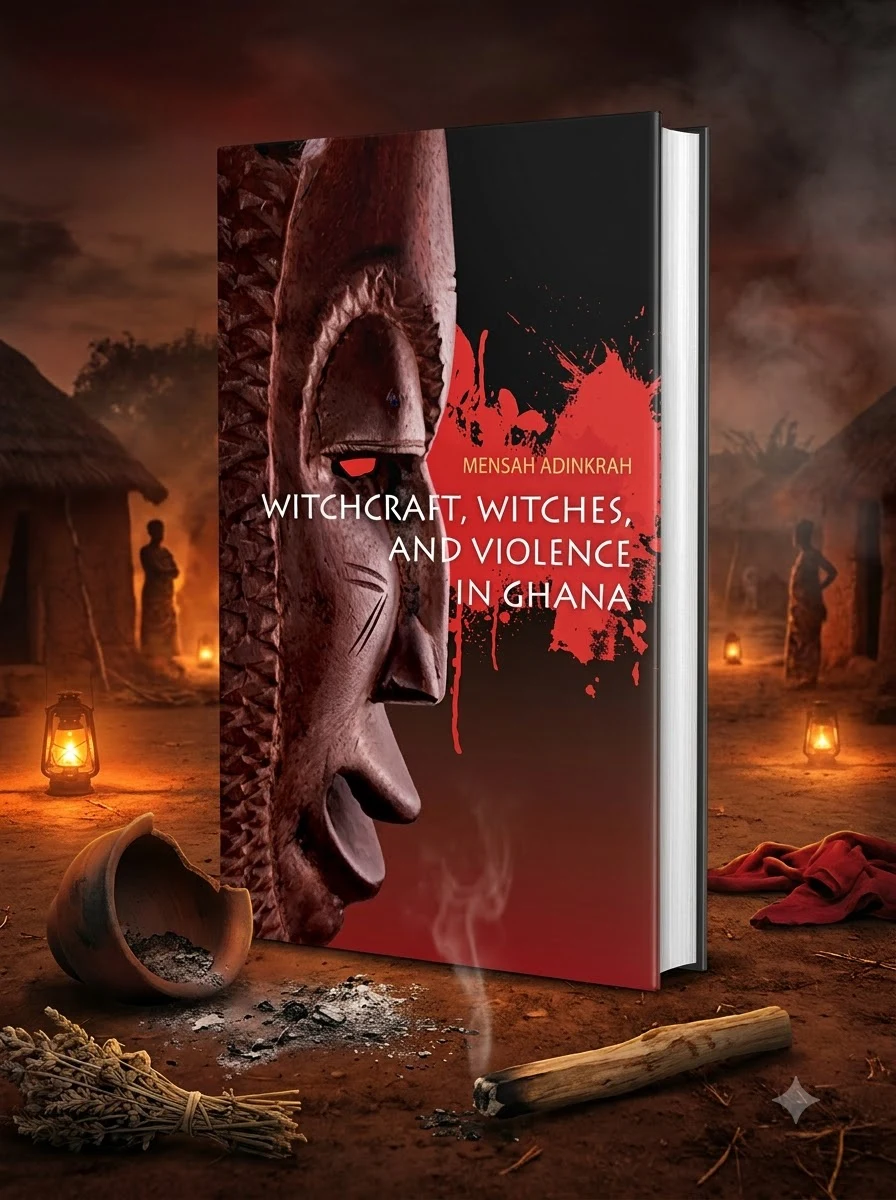
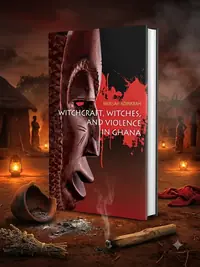
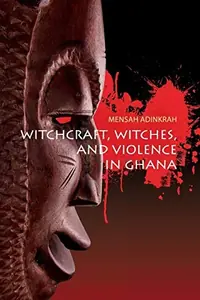
Witchcraft, Witches, and Violence in Ghana
Adinkrah, MensahStock reported in the catalog; fulfillment is confirmed with your request.
Uncover the dark tapestry of belief, accusation, and violence woven around witchcraft in modern Ghana.
This compelling study delves into the pervasive belief in witchcraft across contemporary Ghanaian society, where purported practitioners are often blamed for widespread suffering, from inexplicable illnesses to untimely deaths. Author Adinkrah meticulously details how these deeply entrenched convictions fuel violent attacks against alleged witches by individuals and vigilante groups. The book highlights that those accused are typically marginalized women—elderly, poor, and vulnerable—and explores how cultural transmission ensures these potent beliefs endure across generations, shaping social responses and contributing to ongoing societal conflict. It offers a critical look at the mechanisms perpetuating this cycle of accusation and violence.
This work sits within the critical sociological and anthropological examination of contemporary African societies, specifically addressing the intersection of traditional belief systems and modern legal frameworks in Ghana.


📝 Description: Witchcraft, Witches, and Violence in Ghana
💎 Expert review
📖 Why choose it
Why this book is worth reading
This book is essential reading for scholars, human rights advocates, and sociologists who seek to understand the complex mechanisms driving social conflict in modern Ghana. It provides a vital, unflinching look at how marginalized elderly women bear the brunt of societal anxiety through accusations of witchcraft. Readers interested in the tangible consequences of entrenched cultural beliefs on vulnerable populations will find profound value in Adinkrah’s meticulous documentation. It serves as a crucial resource for those working to dismantle cycles of violence and vigilante justice, offering deep insights into the transmission of harmful convictions across generations.
⭐ Reader reviews
Reader rating
Adinkrah delivers a rigorous, albeit heavy, analysis of witchcraft accusations in Ghana. While academically robust, this text is not suited for casual readers seeking light entertainment or simple narratives. It requires patience for dense sociological concepts and may be too distressing for those sensitive to graphic descriptions of violence against the elderly. The book is best appreciated by those with a strong background in anthropology or human rights law who can handle its grim subject matter without becoming overwhelmed by its serious tone and lack of narrative relief.
❓ Frequently asked questions
📖 Who should read this
If you are a scholar of anthropology, sociology, or African studies, or simply a curious reader interested in the complex interplay of belief, culture, and violence, this book offers profound insights into a challenging societal phenomenon. It's a vital read for understanding the human cost of entrenched cultural convictions.
🎯 Key themes and symbolism
Witchcraft Beliefs & Impact
The book meticulously examines the widespread belief in witchcraft within Ghana, detailing how malevolent activities attributed to witches are seen as the root cause of diverse misfortunes. It explores the profound societal impact of these convictions, demonstrating their direct link to violent retaliation against those accused, shedding light on the serious consequences for individuals and communities alike.
Vulnerability of Accused Witches
A central theme is the disproportionate targeting of specific demographics in witchcraft accusations. This work reveals that alleged witches are predominantly elderly, impoverished, and marginalized women, echoing historical patterns seen in other societies. It analyzes the social mechanisms that render these individuals particularly susceptible to being scapegoated in times of adversity and fear.
Perpetuation of Beliefs
This study investigates the intricate ways in which witchcraft beliefs are transmitted and solidified across generations in Ghana. It identifies key institutional mechanisms, including childhood socialization within families and schools, and the influence of mass media, that ensure these ancient convictions remain deeply entrenched, influencing public perception and social behavior over time.
💬 Quotes from the book
“The chilling reality in Ghana reveals a deeply embedded societal conviction that malevolent forces manifest through human agents, attributing widespread misfortune to their dark machinations.”
“Across diverse Ghanaian communities, the specter of witchcraft disproportionately targets the elderly, impoverished, and marginalized women, rendering them vulnerable scapegoats in times of communal stress.”
📜 Historical context
📚 Glossary
- Witchcraft Violence
- Putative Witches
- Childhood Socialization
📔 Questions to reflect on
- Reflect on how deeply ingrained cultural beliefs, like those about witchcraft, can influence societal responses to misfortune and vulnerability. Can you identify similar patterns in other contexts?
- Consider the role of socialization and media in perpetuating or challenging powerful cultural narratives. How do these factors contribute to the endurance of beliefs across generations?
- What ethical responsibilities do scholars and observers have when documenting sensitive cultural phenomena like witchcraft accusations and violence? How can their work promote understanding without sensationalizing?
✍️ More books by this author Adinkrah, Mensah
All books by this author →
🏛 Books from this publisher Berghahn Books
All books from this publisher →




You might also like
See more →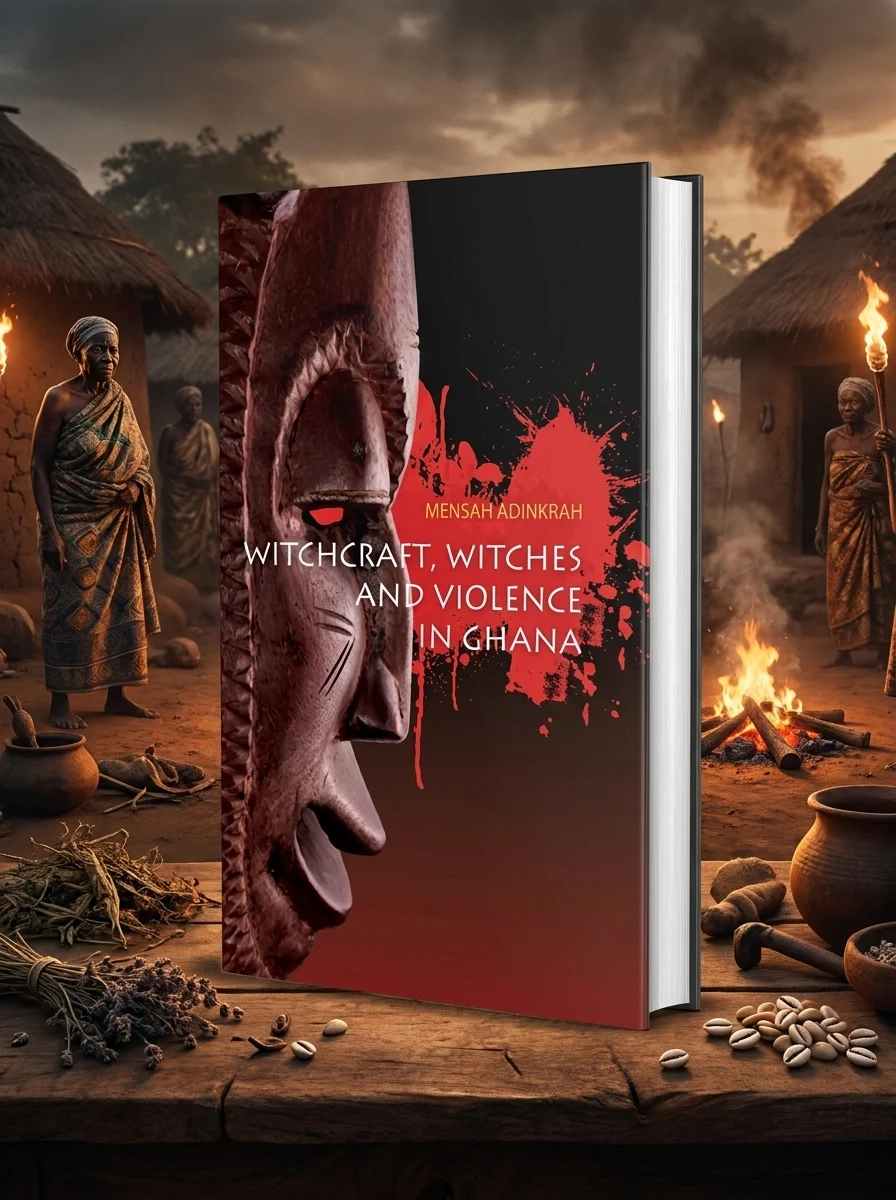
 81
81