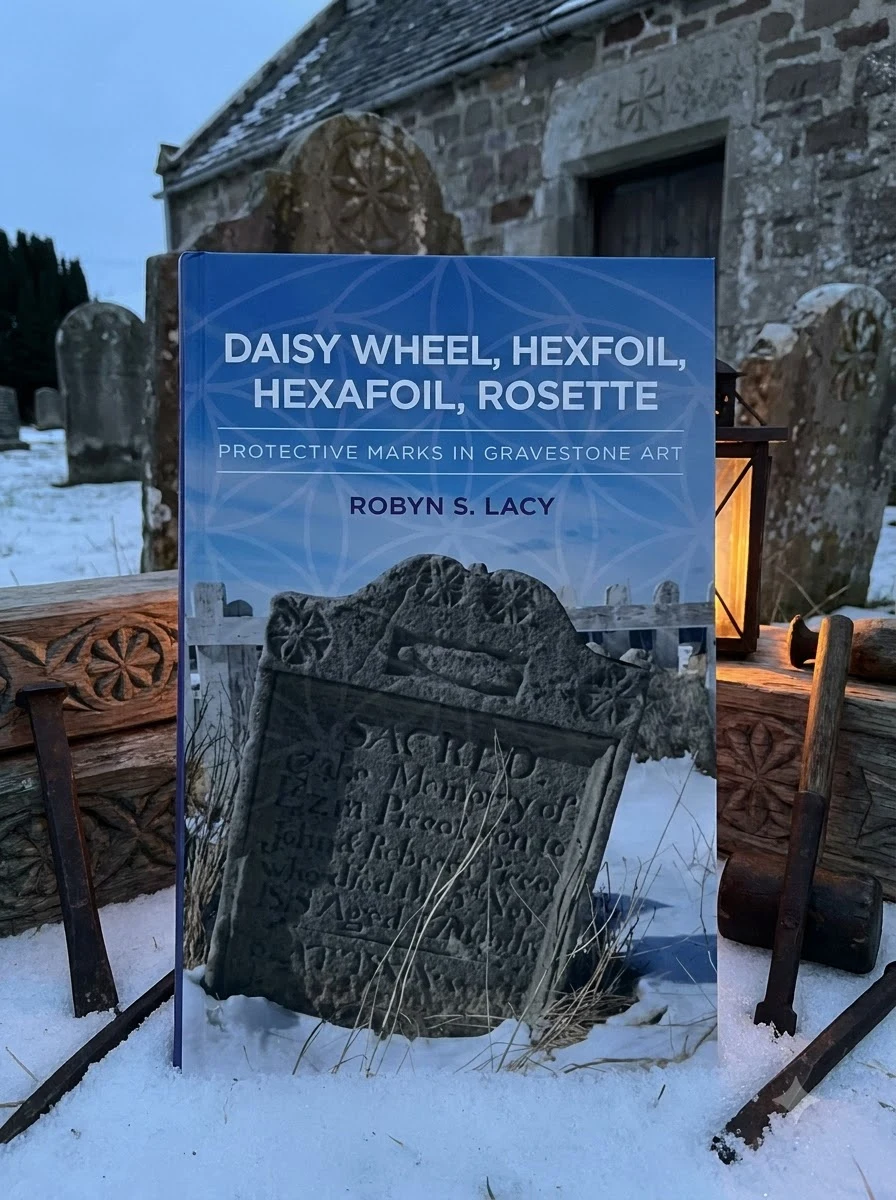
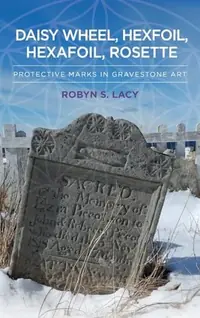
Daisy Wheel, Hexfoil, Hexafoil, Rosette: Protective Marks in Gravestone Art
 82
82
 Editorial score
How we rate
Editorial score
How we rate
Stock reported in the catalog; fulfillment is confirmed with your request.
Uncover the ancient secrets etched into gravestones across continents.
Delve into the intriguing world of apotropaic symbols, those ancient protective marks found embedded in folk magic traditions across continents. This insightful volume meticulously explores the presence and significance of designs like the daisy wheel, hexfoil, and rosette, tracing their appearance not just in domestic spaces or sacred buildings, but profoundly on gravestones. Discover how these intricate carvings served as silent guardians for the departed, offering a fascinating glimpse into historical beliefs surrounding protection and the afterlife, bridging archaeology, folklore, and spiritual practice.
This work sits at the intersection of archaeology, folklore, and spiritual practice, examining apotropaic symbols within folk magic traditions across continents. It explores how these protective marks functioned as silent guardians in historical beliefs surrounding death and the afterlife.


📝 Description: Daisy Wheel, Hexfoil, Hexafoil, Rosette: Protective Marks in Gravestone Art
💎 Expert review
📖 Why choose it
Why this book is worth reading
This book is an essential read for those fascinated by the hidden spiritual layers of everyday history. If you are a practitioner of folk magic or simply intrigued by how ancient cultures sought to protect their dead, this volume offers a profound glimpse into past beliefs. It bridges the gap between academic archaeology and esoteric practice, revealing how simple geometric designs like hexfoils served as vital apotropaic tools. Readers will appreciate the meticulous exploration of these carvings on gravestones across different continents, understanding their role as silent guardians. It is perfect for anyone who wants to uncover the ancient secrets etched into stone and connect with the enduring human desire for safety beyond the grave.
⭐ Reader reviews
Reader rating
Robyn S. Lacy provides a meticulous and insightful exploration of apotropaic symbols on gravestones, successfully bridging archaeology and folklore. The analysis of designs like the daisy wheel and rosette is thorough and fascinating for those interested in historical spiritual practices. However, this book does NOT suit readers seeking practical spellcraft instructions or modern occult theory; it is strictly a scholarly examination of historical artifacts and their cultural significance. Those looking for immediate magical application may find the focus on academic context dry. It is best suited for historians, archaeologists, and serious students of folk magic who appreciate detailed visual and contextual analysis over esoteric instruction.
❓ Frequently asked questions
📖 Who should read this
For seekers of hidden meanings in historical artifacts, those fascinated by folk magic's protective power, or anyone intrigued by the intersection of archaeology and spiritual beliefs, this book offers profound insights. Unearth the secrets etched into the very stones of the past.
🎯 Key themes and symbolism
Protective Folk Marks
This book meticulously dissects the concept of apotropaic symbols, exploring how specific designs like the hexfoil were believed to ward off malevolent forces. It examines their pervasive role in folk magic, revealing how these ancient protective emblems were integrated into everyday life and sacred spaces, ensuring safety and spiritual well-being across diverse cultures.
Etched Afterlife Guardians
Focusing uniquely on funerary art, the work illuminates how protective marks like the daisy wheel transcended their usual contexts to adorn gravestones. It delves into the specific meanings these symbols held for the deceased and their communities, offering comfort and safeguarding the spiritual journey, transforming memorials into bastions against unseen threats.
Global Folk Magic
The text traces the fascinating geographical spread of these protective motifs, from European villages to Australian settlements and North American cemeteries. It highlights the universal human impulse to seek spiritual defense through symbolic representation, demonstrating how these ancient patterns, regardless of cultural origin, served similar apotropaic functions across vast distances and historical periods.
💬 Quotes from the book
“The seemingly innocuous rosette, carved with deliberate precision into aged stone, served not merely as decoration but as a potent spiritual barrier against the unseen depredations of the spectral world.”
“Tracing the widespread appearance of the hexfoil across disparate cultural landscapes reveals a universal human impulse to safeguard the liminal spaces of existence, particularly where life transitions into death.”
📜 Historical context
📚 Glossary
- Apotropaic
- Hexfoil
- Daisy Wheel
📔 Questions to reflect on
- Consider a local cemetery or historical site you know. Can you identify any symbols that might have had a protective or apotropaic meaning? What do they communicate about past beliefs?
- Reflect on the human need for protection against unseen forces. How do modern societies or individuals express this need, and what symbols or rituals do they employ today?
- If you were to design a protective mark for a loved one's memorial, drawing inspiration from historical forms, what elements would you incorporate and why?
🏛 Books from this publisher Berghahn Books
All books from this publisher →


You might also like
See more →
 81
81