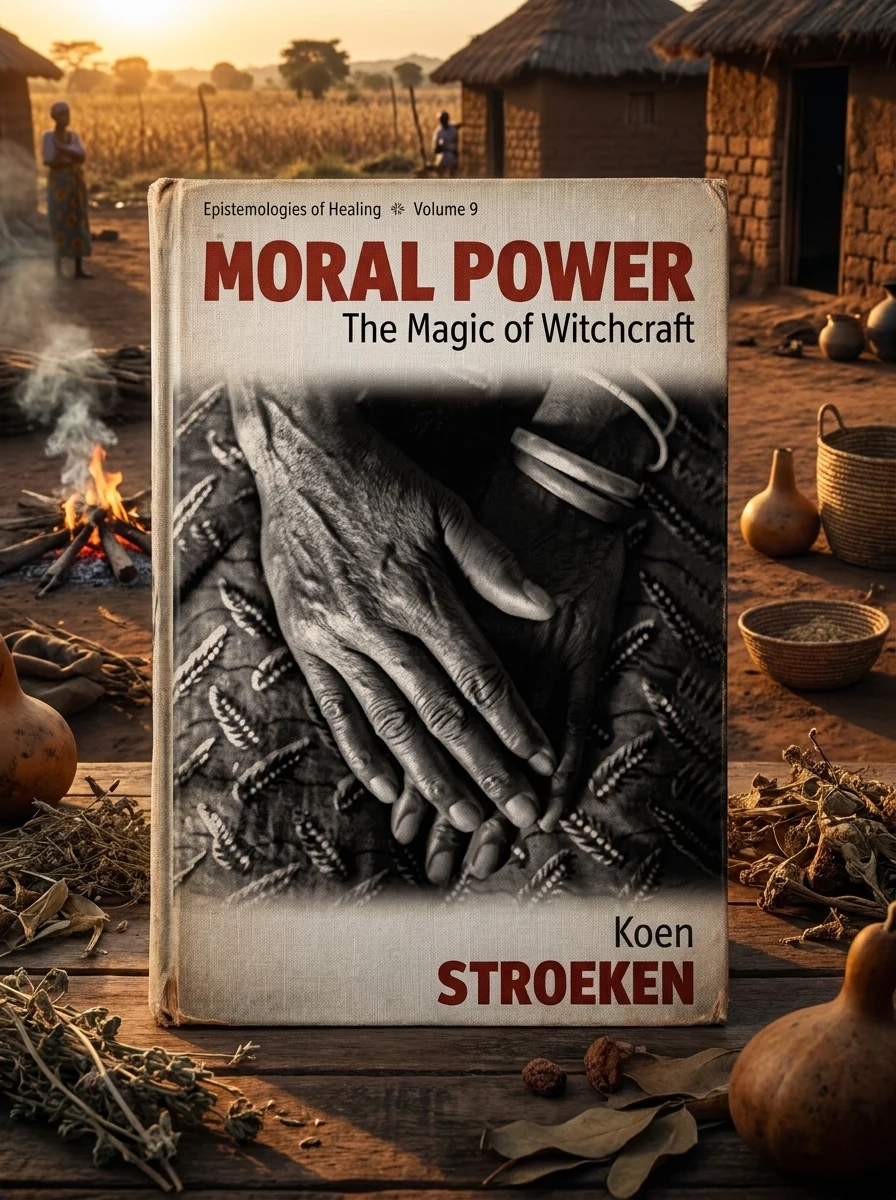
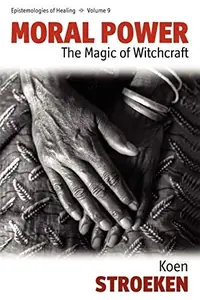
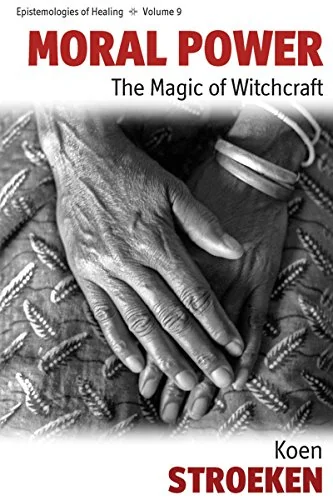
Moral Power: The Magic of Witchcraft - Ingram Academic Stroeken, Koen
Stroeken, KoenStock reported in the catalog; fulfillment is confirmed with your request.
Unravel the enigmatic force attributed to the witch in times of Tanzanian crisis.
Koen Stroeken's groundbreaking work delves into the intricate concept of "moral power" as perceived by Sukuma farmers in Tanzania. This study explores how an unknown figure, dubbed a witch, is believed to wield this power, profoundly impacting individuals during times of societal upheaval. Stroeken meticulously examines the universal, multifaceted processes—both physical and social—through which such attributions can hinder a patient's recovery. It's an essential read for understanding the complex interplay between belief systems, social dynamics, and well-being in indigenous cultures.
This academic study situates itself within anthropological research on Tanzanian societies, specifically examining the Sukuma farmers' indigenous belief systems regarding witchcraft and social dynamics.


📝 Description: Moral Power: The Magic of Witchcraft - Ingram Academic Stroeken, Koen
💎 Expert review
📖 Why choose it
Why this book is worth reading
You should read this book if you are deeply interested in the intersection of anthropology, psychology, and cultural belief systems. Koen Stroeken offers a rigorous examination of how the concept of 'moral power' operates within Sukuma society during times of crisis. It is essential for scholars and readers who wish to understand how attributions of witchcraft influence physical recovery and social relationships. The work provides a unique window into indigenous perspectives on well-being, showing how societal upheaval shapes individual experiences of illness and healing. If you value detailed ethnographic analysis over sensationalist tales of magic, this text offers profound insights into the complex mechanisms that govern health and community cohesion in Tanzania.
⭐ Reader reviews
Reader rating
Stroeken’s work is a dense, scholarly exploration that demands patience from the reader. It is not suitable for those seeking entertaining narratives or practical guides to witchcraft practices. The text focuses heavily on theoretical frameworks and social processes rather than mystical experiences. Readers looking for light reading or immediate applicability to modern Wiccan practice will find this dry and overly academic. However, for those committed to serious anthropological inquiry, it offers a vital, albeit difficult, perspective on how belief impacts reality in specific cultural contexts.
❓ Frequently asked questions
📖 Who should read this
If you're fascinated by the anthropology of belief, the sociology of healing, or the intricate cultural dimensions of spiritual power, this book offers profound insights. It's perfect for those seeking to understand how non-Western societies interpret and respond to crisis and illness.
🎯 Key themes and symbolism
The Nature of Moral Power
This book intricately defines 'moral power' not as a simple dichotomy of good or evil, but as a complex, dualistic force. It explores how Sukuma communities attribute this power to a shadowy witch figure, influencing not only social interactions but also individual health outcomes, particularly in moments of community stress or crisis, making it a central analytical lens.
Witchcraft's Social Dynamics
Stroeken examines witchcraft beyond mere superstition, positioning it as a fundamental social mechanism within Sukuma society. The text details how the belief in a witch's influence shapes community responses to suffering and illness, highlighting the collective negotiation of blame and responsibility. It reveals the deep social structures that underpin and perpetuate these powerful perceptions.
Illness, Belief, and Recovery
The author meticulously investigates how the attribution of moral power to a witch can directly impede a patient's healing process. This theme explores the profound psychological and social obstacles that arise when illness is perceived as supernaturally instigated, demonstrating the critical link between cultural beliefs, bodily experience, and the pathways to recovery or prolonged suffering.
💬 Quotes from the book
“The very essence of moral power, as understood by the Sukuma, defies a simplistic categorization; it is simultaneously a force of agency and a reflection of community anxieties.”
“When a patient's recovery is thwarted, the unseen machinations attributed to the witch are not merely spiritual, but profoundly embodied and socially embedded, obstructing healing at multiple levels.”
📜 Historical context
📚 Glossary
- Moral Power
- Witch
- Sukuma
📔 Questions to reflect on
- How do the concepts of 'moral power' and witchcraft in Sukuma culture resonate with or diverge from similar beliefs in other traditions you know?
- Consider a time of personal or community crisis. How might an attribution of 'moral power' or a 'witch' figure have altered perceptions or outcomes in that situation?
- Reflect on the idea that an unseen, attributed force can physically obstruct recovery. What does this suggest about the interplay between belief, psychology, and physical health?
📖 From the series “Epistemologies of Healing”
All books in the series →
✍️ More books by this author Stroeken, Koen
All books by this author →🏛 Books from this publisher Berghahn Books
All books from this publisher →

You might also like
See more →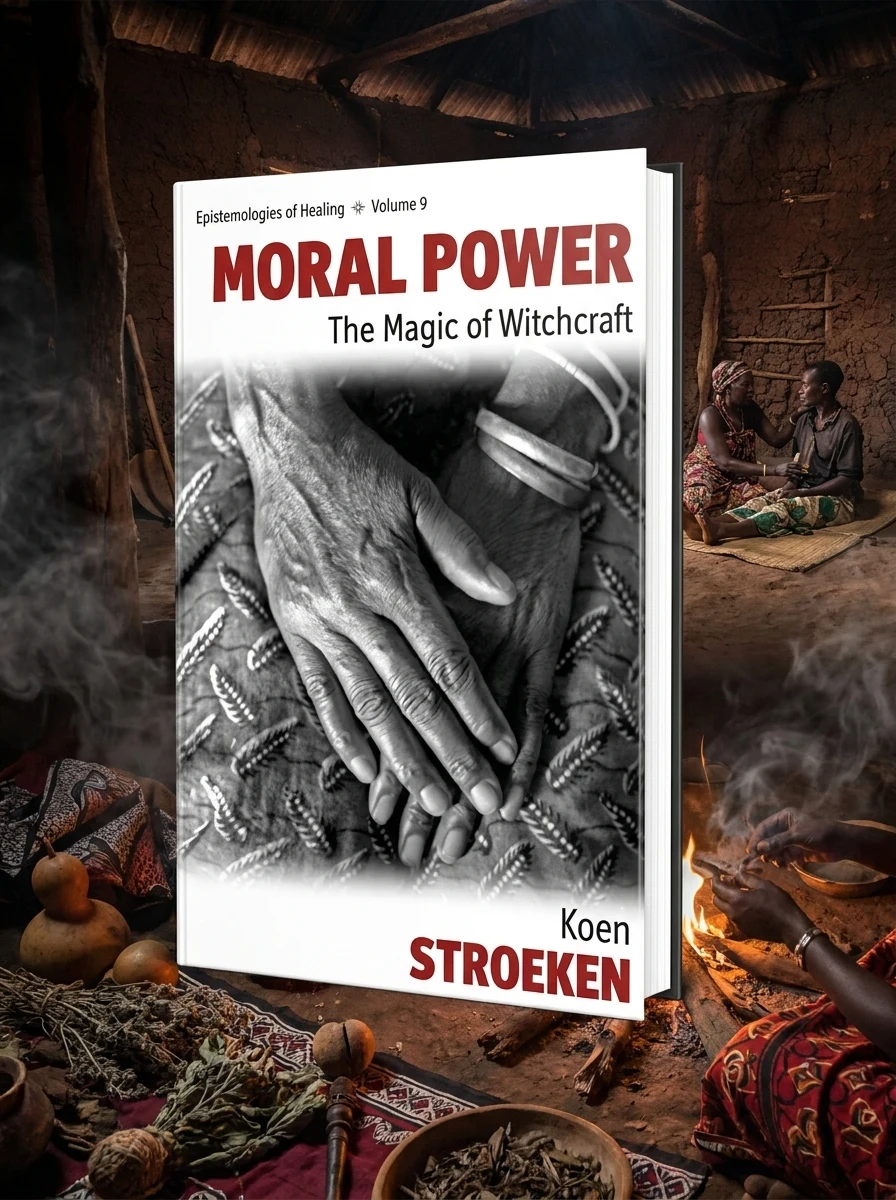
 81
81