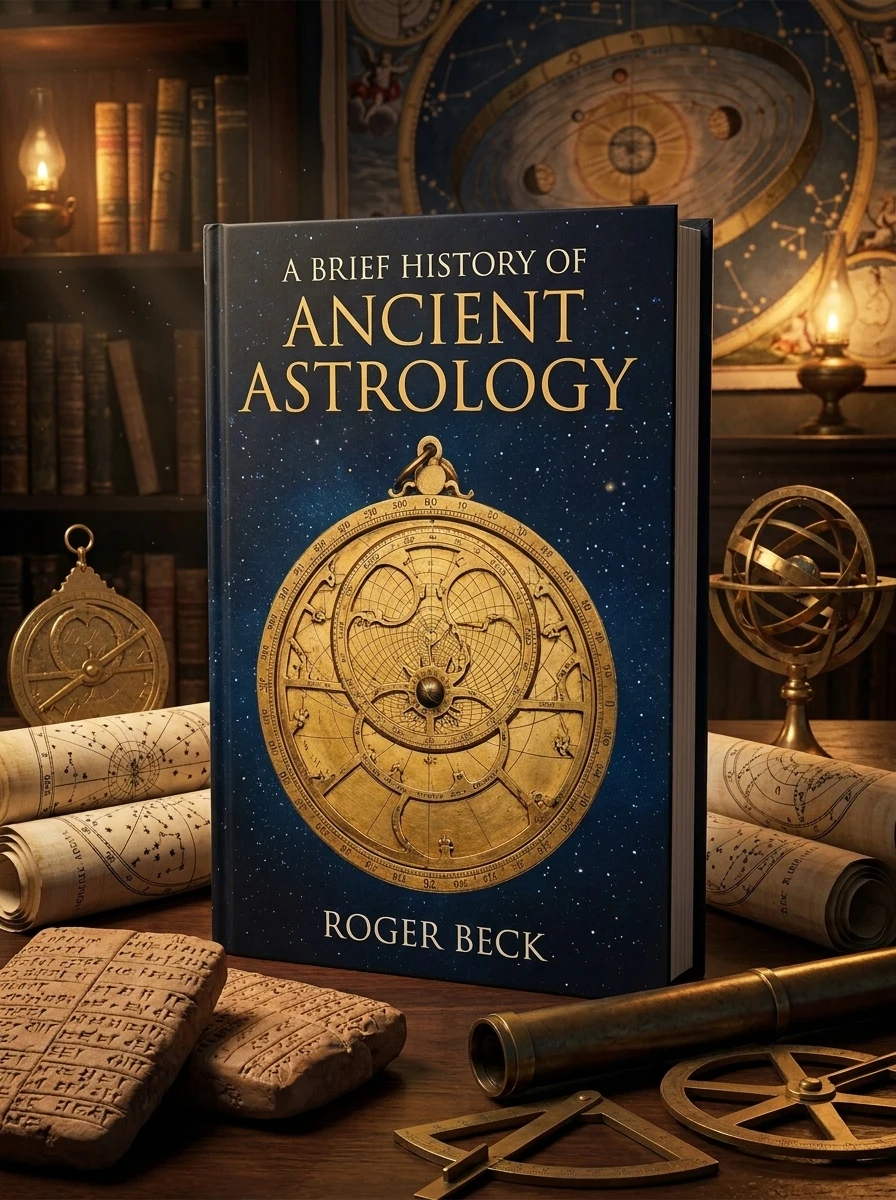
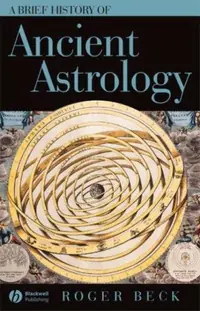
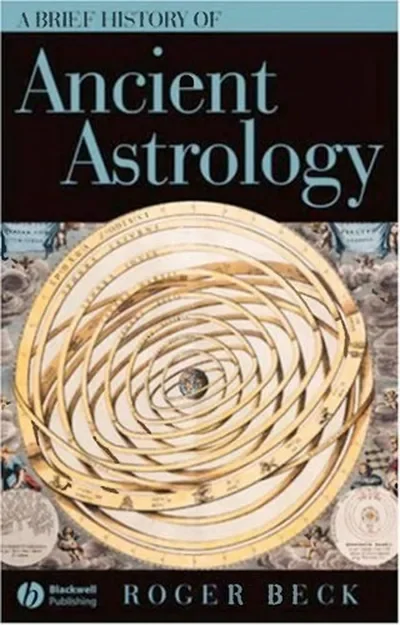
Brief History of Ancient Astrology Beck, Roger
Beck, RogerStock reported in the catalog; fulfillment is confirmed with your request.
Unearth the celestial origins of human destiny through millennia of stargazing wisdom.
Roger Beck’s "Brief History of Ancient Astrology" invites readers on an illuminating journey through the foundational eras of celestial interpretation, from the pioneering observations of Babylon to the sophisticated systems of Hellenistic Greece and Imperial Rome. This concise yet comprehensive volume meticulously traces the evolution of astrological theory and practice, revealing its profound cultural and political influence on bygone societies. It also critically examines the intricate, often inseparable, relationship between early astronomical inquiry and the development of astrological thought, offering a fresh perspective on this ancient art.
This volume situates itself within the historical study of ancient celestial interpretation, bridging the gap between early astronomical inquiry and the development of astrological thought in Babylonian, Hellenistic, and Roman contexts.


📝 Description: Brief History of Ancient Astrology Beck, Roger
💎 Expert review
📖 Why choose it
Why this book is worth reading
Readers fascinated by the deep roots of celestial wisdom will find immense value in this concise yet comprehensive journey. It is ideal for those seeking to understand how Babylonian observations evolved into the sophisticated systems of Hellenistic Greece and Imperial Rome. The book appeals to history enthusiasts who want to grasp the profound cultural and political influence astrology exerted on bygone societies. By critically examining the inseparable relationship between astronomy and astrology, it offers a fresh perspective for scholars and curious minds alike who wish to unearth the celestial origins of human destiny through millennia of stargazing wisdom without getting lost in overly dense academic jargon.
⭐ Reader reviews
Reader rating
Roger Beck delivers a meticulously traced evolution of astrological theory, offering a fresh perspective on this ancient art. It is an essential resource for understanding the foundational eras of celestial interpretation and its political influence. However, it does not suit readers seeking practical divinatory techniques or modern psychological astrology frameworks. Those expecting a purely scientific debunking may also find its respectful treatment of historical belief systems less than satisfying. The book is best appreciated by those interested in the intellectual history of astronomy and its complex interplay with astrological thought. It provides clarity on how these disciplines developed together, making it a strong choice for academic or serious historical inquiry rather than casual hobbyist interest.
❓ Frequently asked questions
📖 Who should read this
If you're curious about the deep historical roots of astrology, its foundational theories, or its widespread influence on ancient cultures, this book is for you. It offers an accessible yet scholarly introduction for both the novice and the seasoned student of esoteric history.
🎯 Key themes and symbolism
Cosmic Origins Unveiled
Explore how ancient civilizations, particularly in Mesopotamia, first observed celestial patterns and developed intricate systems to interpret their perceived influence on earthly events. The book traces the earliest forms of predictive astrology, showcasing its initial integration into religious and governmental structures, demonstrating its foundational importance.
Cultural & Political Sway
Delve into the pervasive impact of astrology on the daily lives, decisions, and governance of ancient societies. Discover how rulers and commoners alike consulted the stars for guidance, shaping everything from military campaigns to personal fortunes, and how this celestial art became deeply intertwined with power structures and societal norms.
Stars & Science Converge
Examine the fascinating historical period when astrology and astronomy were not distinct disciplines but rather two sides of the same observational coin. The book highlights how early attempts to map and understand the cosmos were intrinsically linked to the desire to predict and interpret omens, laying groundwork for both fields concurrently.
💬 Quotes from the book
“To understand the genesis of astrology is to grasp the very fabric of ancient thought, where the celestial sphere was not merely a distant spectacle but an active participant in human destiny.”
“The meticulous charting of planetary movements, initially a pursuit of omen interpretation, gradually laid the empirical foundation upon which both predictive arts and scientific astronomy would eventually diverge.”
📜 Historical context
📚 Glossary
- Hellenistic Astrology
- Astrolatry
- Horoscopy
📔 Questions to reflect on
- Consider how the integration of astrology into ancient political structures might have influenced public perception and obedience. What parallels, if any, can you draw to modern societal beliefs?
- Reflect on the historical moment when astronomy and astrology began to diverge as disciplines. What factors do you believe contributed most significantly to this separation, and what was lost or gained?
- Imagine living in an ancient civilization where celestial omens dictated major life decisions. How might this constant awareness of cosmic influence shape your daily choices, worldview, and sense of personal agency?
✍️ More books by this author Beck, Roger
All books by this author →🏛 Books from this publisher Wiley-Blackwell
All books from this publisher →

 75
75
You might also like
See more →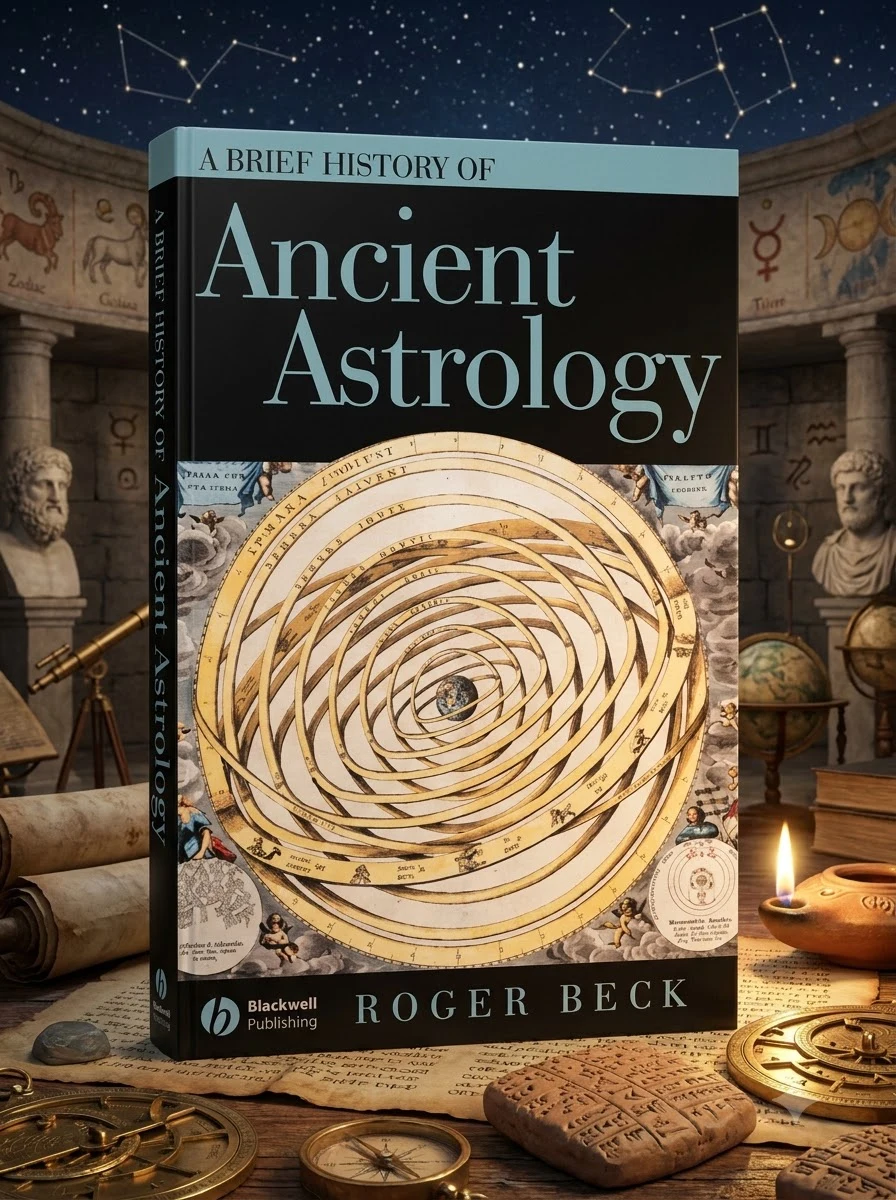 75
75

 91
91
 91
91
 91
91
 91
91