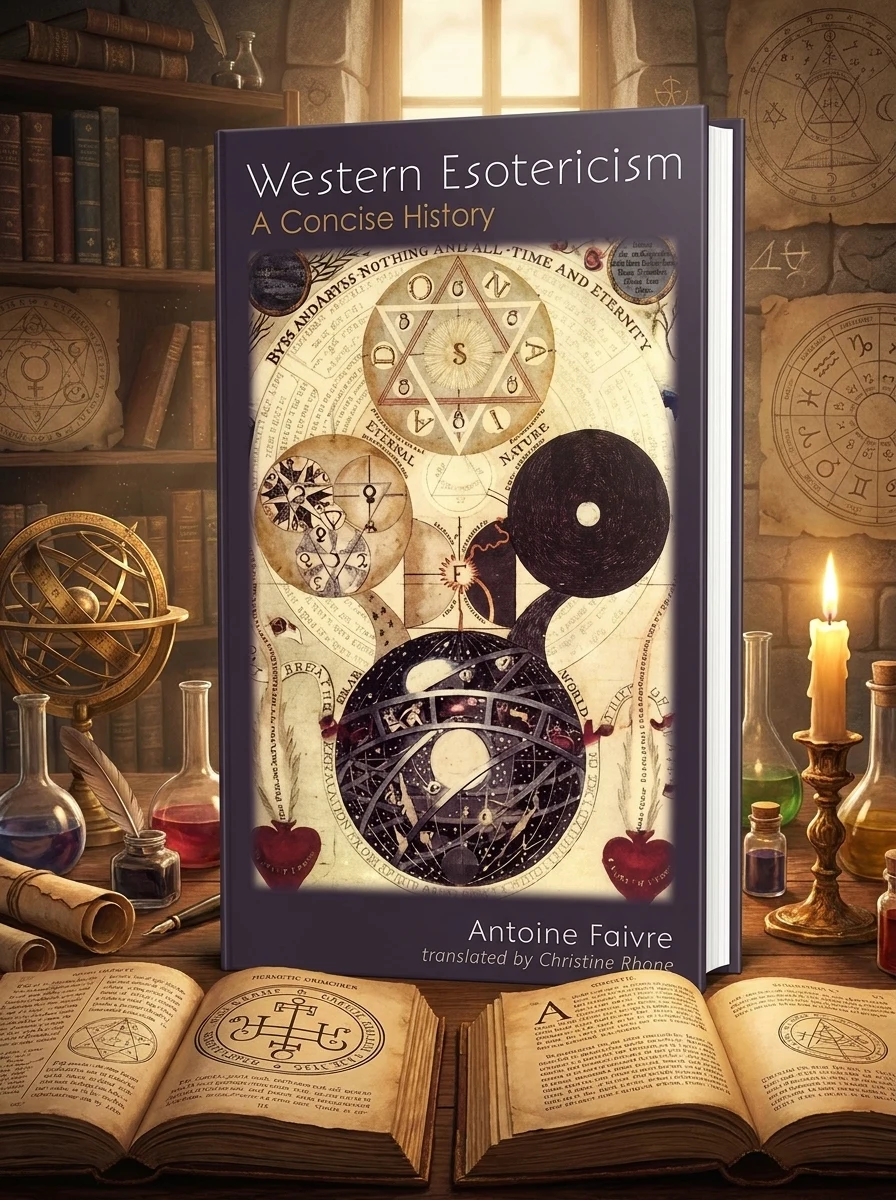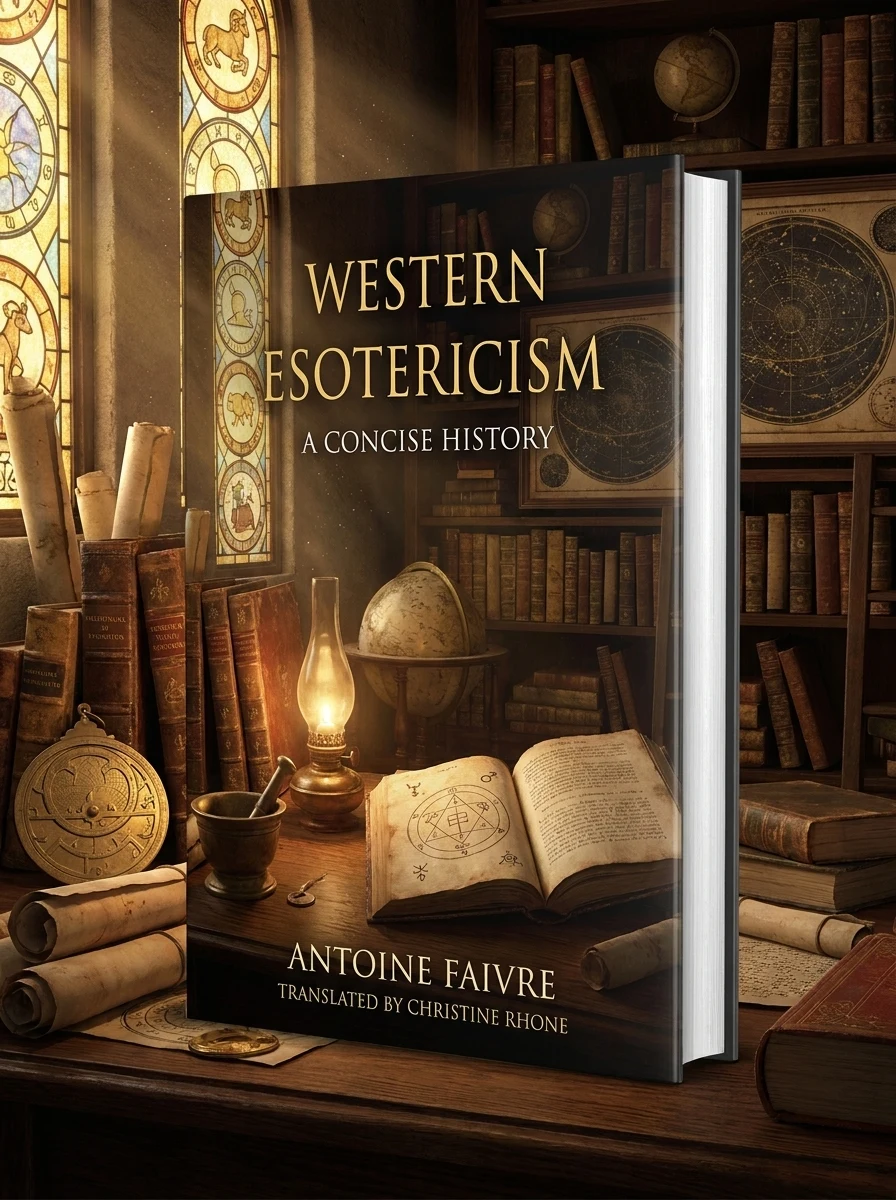
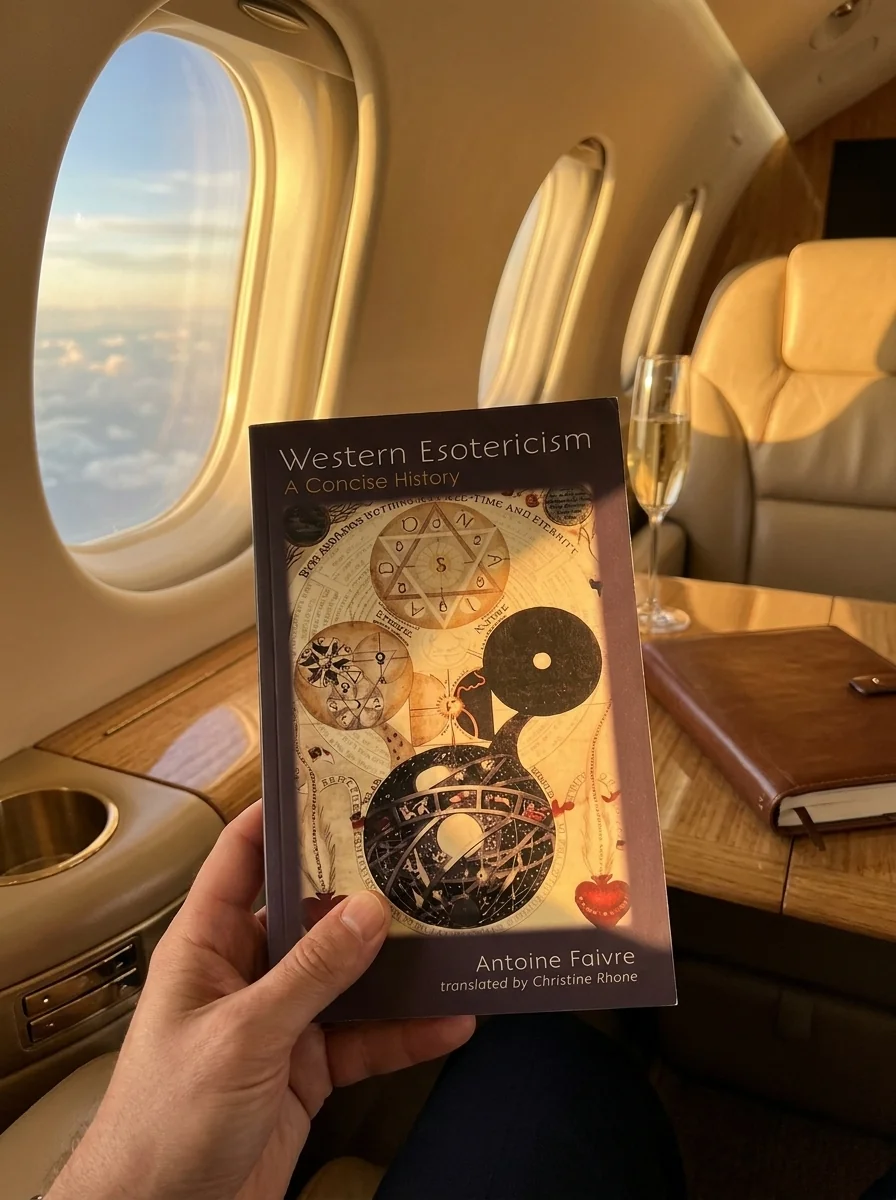
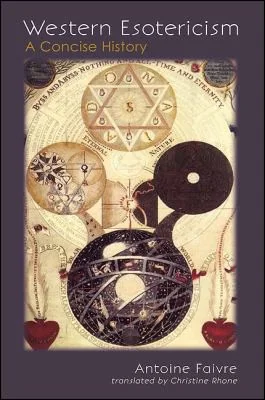
Western Esotericism: A Concise History Faivre, Antoine
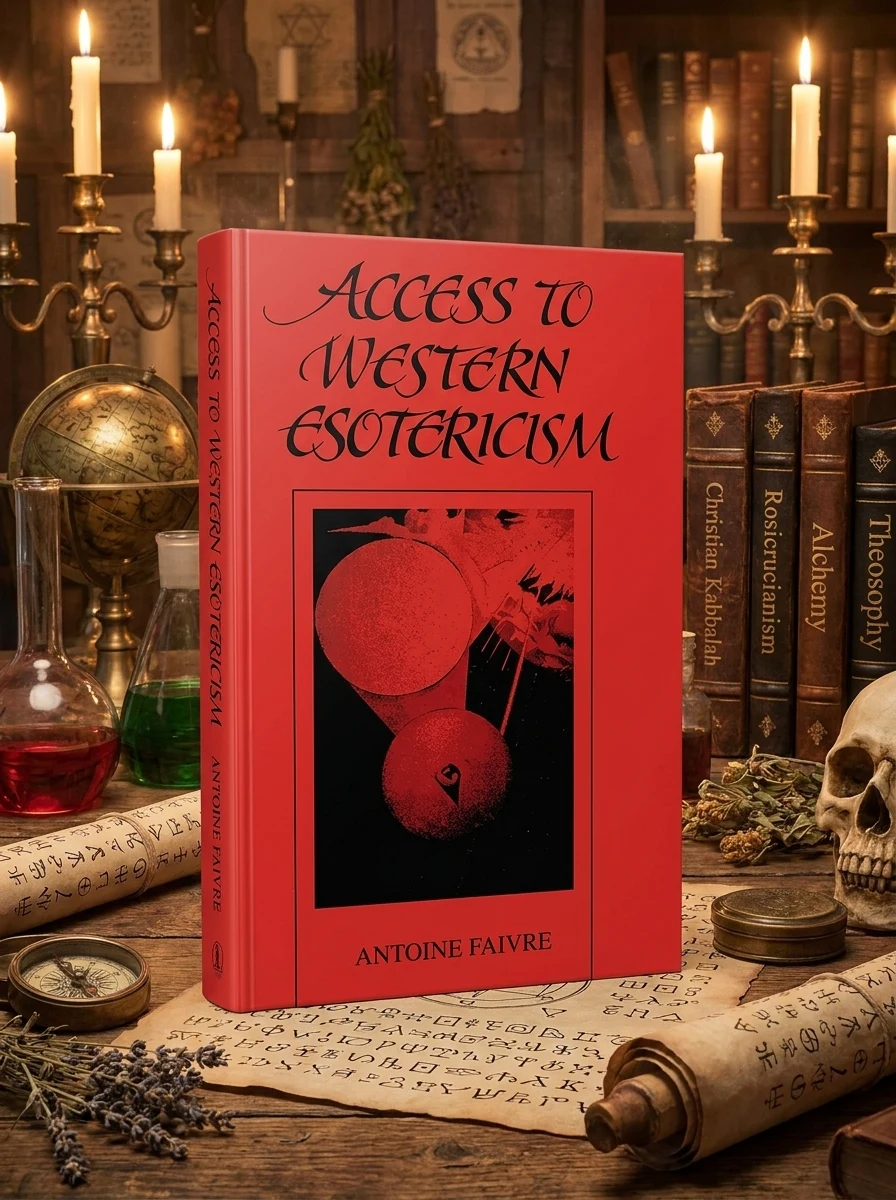
✍️ Faivre, Antoine; , Rhone, ChristineAntoine Faivre, a pioneer in the academic study of esotericism, offers an essential and accessible introduction to the concealed intellectual traditions of the West. This concise yet comprehensive historical guide traces esoteric currents from late antiquity through to modern times, including Gnosticism, Hermetism, Kabbalah, Rosicrucianism, and Theosophy. Designed for both new students and curious readers, it illuminates the interconnectedness of these diverse spiritual paths, revealing their profound influence on art and literature. Faivre's precise language and chronological approach make complex concepts understandable, complete with a valuable annotated bibliography for further exploration.


📝 Description: Western Esotericism: A Concise History Faivre, Antoine
💎 Expert review
📖 Why choose it
Why this book is worth reading
This book is an essential guide for new students and curious readers alike who seek to understand the hidden threads of Western thought. Antoine Faivre, a foundational scholar, provides an accessible entry point into complex esoteric traditions such as Rosicrucianism and Theosophy. Its chronological approach demystifies diverse spiritual paths, revealing their interconnectedness and profound cultural impact. With precise language and a valuable annotated bibliography, it empowers readers to explore further with confidence. Whether you are drawn to the Kabbalah or Hermetism, this concise history illuminates the intellectual landscape of esotericism, making it an indispensable resource for anyone eager to unravel the concealed traditions that shape our cultural heritage.
⭐ Reader reviews
Reader rating
Faivre delivers a precise and chronological overview of Western esotericism, making complex concepts accessible through clear language. It is ideal for those seeking a structured introduction to Gnosticism, Hermetism, or Theosophy, supported by a helpful bibliography. However, readers expecting deep theoretical debates or primary source analysis may find it too introductory. Scholars already well-versed in the field might consider it overly concise, lacking the nuance required for advanced research. It does not suit those looking for practical magical instruction or speculative fiction elements. This is strictly an academic history, best appreciated by those valizing clarity and breadth over depth or esoteric practice.
❓ Frequently asked questions
📖 Who should read this
If you're new to the vast field of Western esotericism and seeking a clear, authoritative starting point, this book is for you. It's an indispensable guide for students, curious minds, and anyone wishing to understand the complex history and interconnectedness of hidden traditions without getting lost in specialized jargon.
🎯 Key themes and symbolism
Historical Evolution of Esotericism
Faivre meticulously charts the development of Western esoteric thought across millennia, from its ancient roots in Alexandrian Hermetism and Neoplatonism through the Renaissance, the Enlightenment, and into modern spiritual movements. He demonstrates how these often-hidden traditions have continuously shaped Western intellectual and spiritual landscapes over time, illustrating their persistent presence.
Interconnectedness of Traditions
The book highlights how seemingly disparate esoteric currents—such as Kabbalah, Alchemy, Rosicrucianism, and Theosophy—are not isolated phenomena but rather parts of a continuous, interwoven tapestry. Faivre reveals the underlying philosophical and spiritual threads that link these diverse traditions, showing their mutual influences and shared conceptual frameworks across eras.
Esotericism in Culture
Beyond merely cataloging movements, Faivre explores the profound impact of esoteric thought on Western art and literature. He illustrates how these mystical and hidden philosophies have inspired countless creative works, subtly influencing cultural expression and providing a deeper, often unacknowledged, dimension to mainstream artistic and literary movements throughout history.
📜 Historical context
📚 Glossary
- Hermetism
- Gnosticism
- Kabbalah
📔 Questions to reflect on
- Reflect on how understanding the historical progression of esoteric thought might change your perception of mainstream Western intellectual or religious history.
- Considering Faivre's emphasis on interconnectedness, identify two seemingly disparate esoteric traditions and ponder what underlying principles or aims they might share.
- How might the concept of "esotericism" – hidden knowledge or traditions – influence contemporary art, literature, or even social movements in ways we might not immediately recognize?