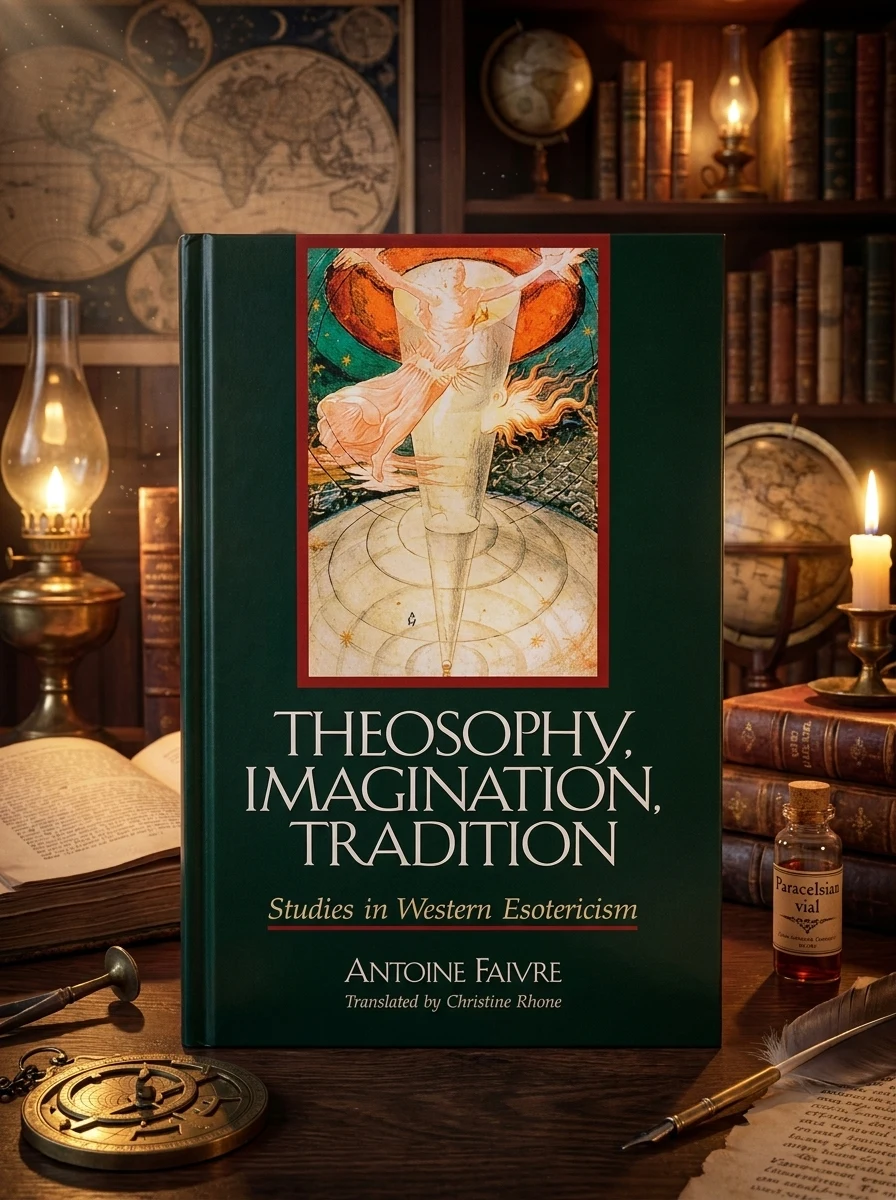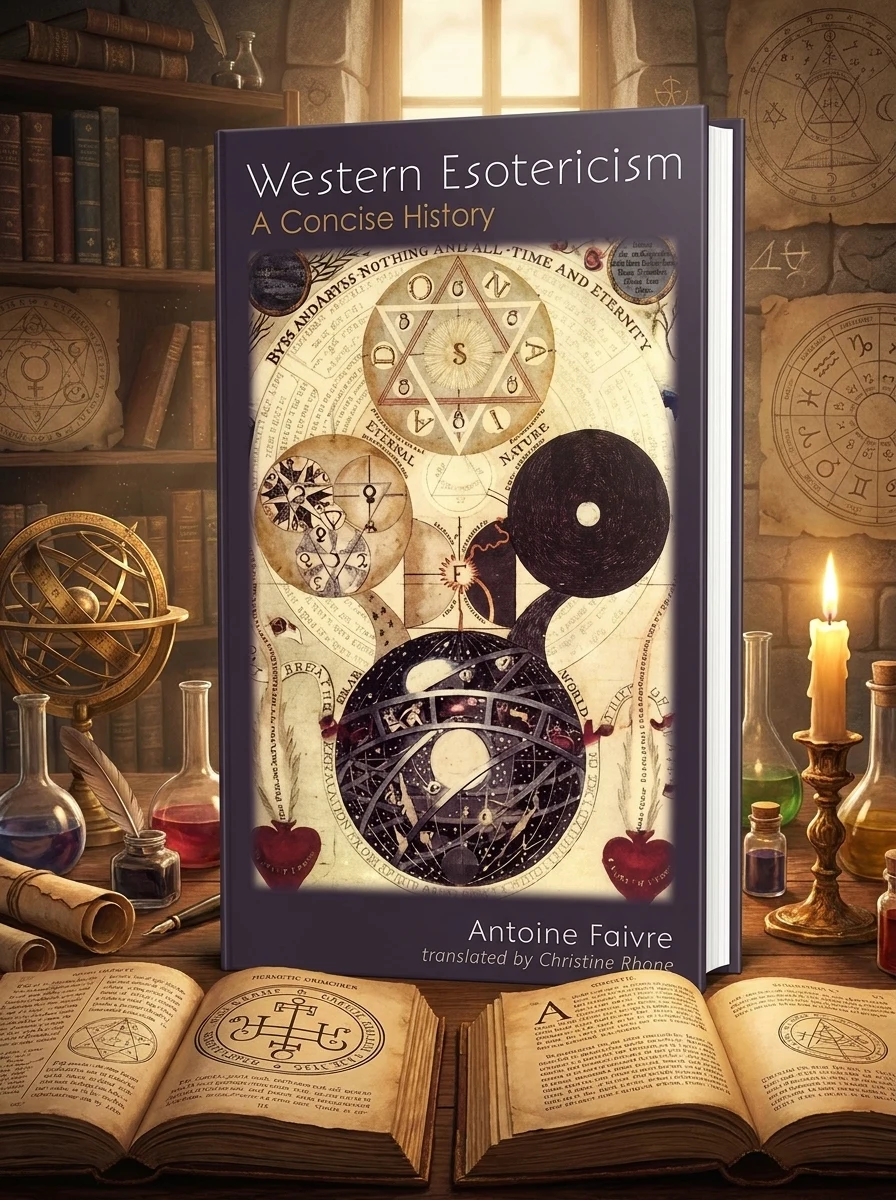
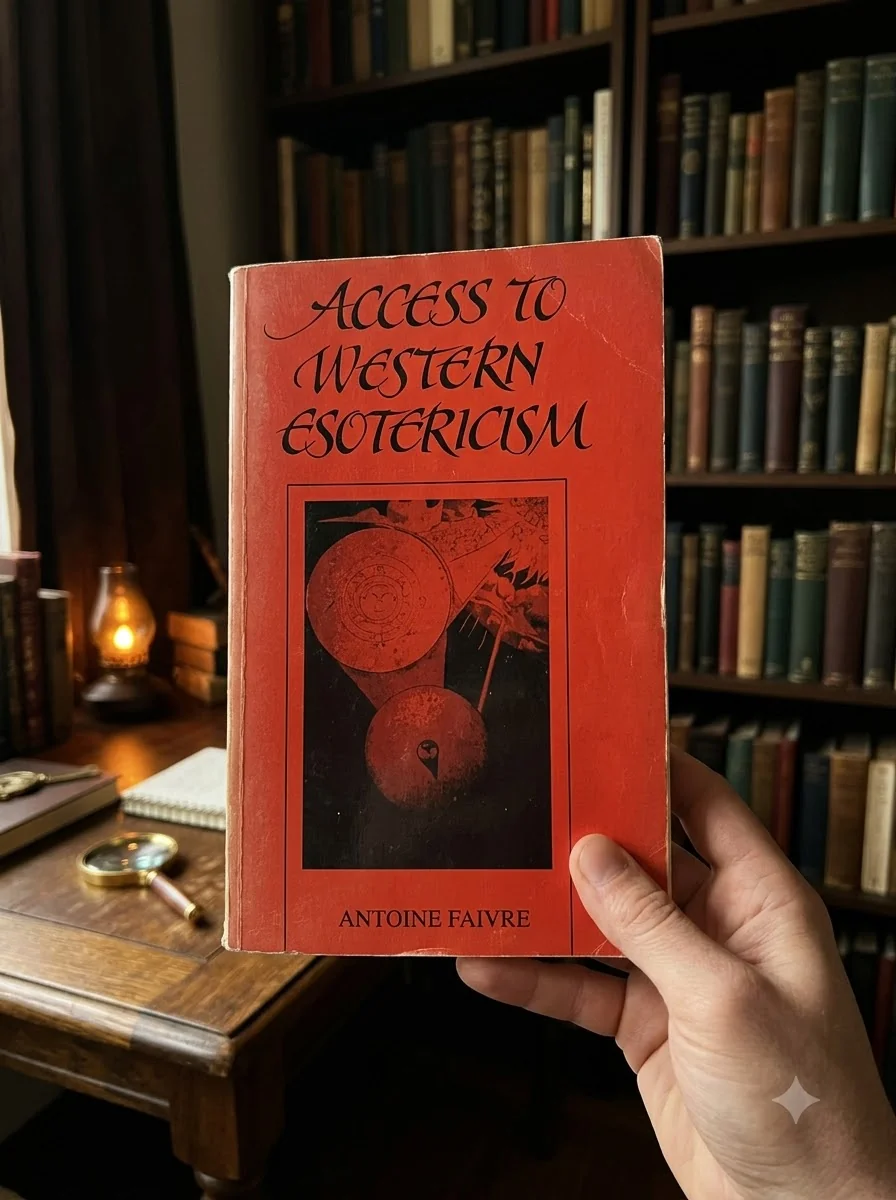
Access to Western Esotericism Faivre, Antoine
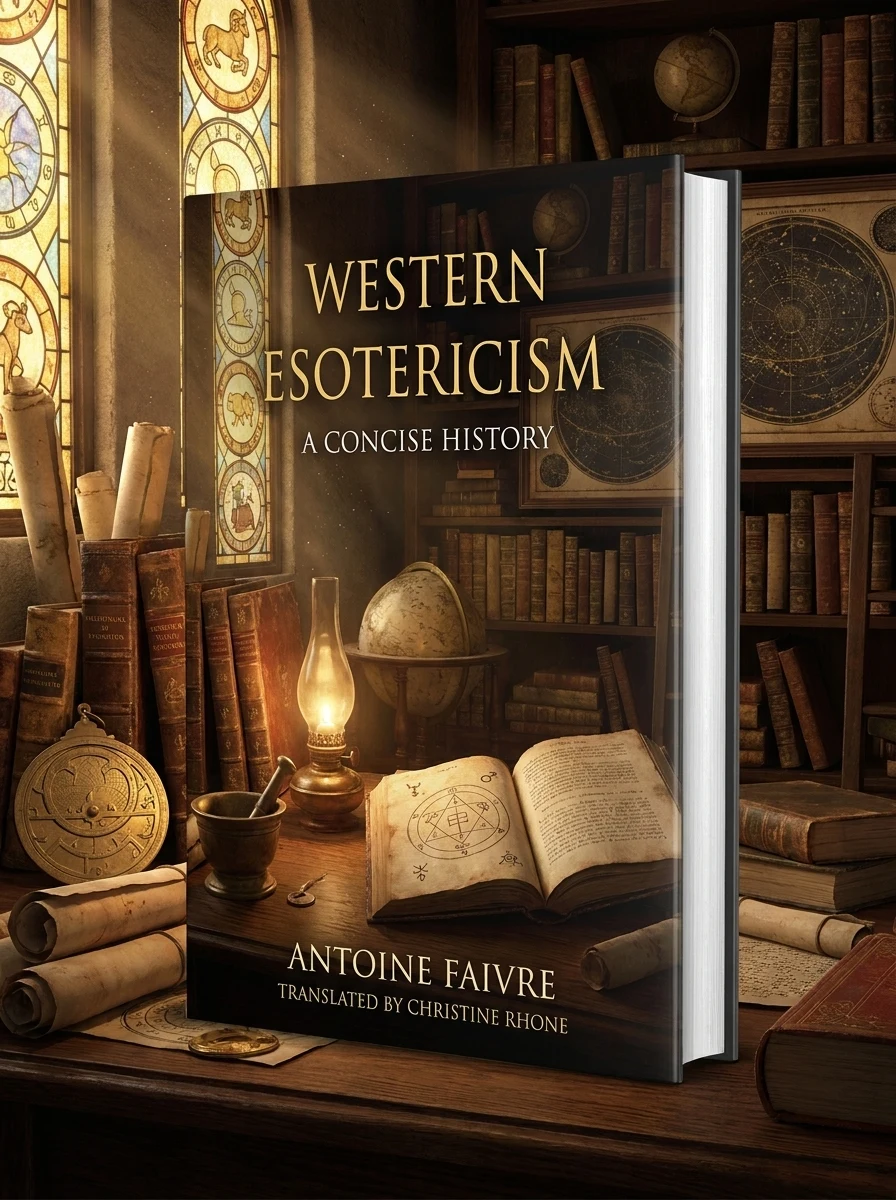
✍️ Faivre, AntoineAntoine Faivre's groundbreaking work offers an unparalleled, systematic exploration of Western esotericism, charting its diverse currents from the Alexandrian period to contemporary times. This essential text meticulously unpacks traditions like Christian Kabbalah, Hermeticism, Theosophy, Alchemy, and Rosicrucianism, providing a scholarly yet accessible framework for understanding these often-misunderstood spiritual paths. It's an indispensable guide for anyone seeking to grasp the intellectual and historical underpinnings of hidden knowledge traditions.


📝 Description: Access to Western Esotericism Faivre, Antoine
📑 What's inside
- Preface to the Present Edition
- Book One: Approaches to Western Esoteric
- Part One: Methodology and Reflections I) MethodologyII) Some Key ConceptsIII) Reflections on "Tradition," or The Three Paths of Esotericism Today
- Part Two: A Short History of Western Esoteric Currents (Essay On Periodization)
- Chapter One: Ancient and Medieval Sources of Modern Esoteric CurrentsI) Esoteric Currents in the First Eleven Centuries II) Esotericism in Medieval ThoughtIII) Initiatory Quests and Esoteric Arts
- Chapter Three: Esotericism in the Shadow of the EnlightenmentI) Sunburst of TheosophyII) From the Arts of Reading to the Art of Subtle FluidsIII) A Century of Initiations
- Chapter Five: Twentieth-Century EsotericismsI) Gnoses in the Wake of the Western TraditionII) The Four Winds of the TraditionIII) Arts and Humanities
- Book Two: Studies In Esotericism
- Faith and Knowledge in Franz von Baader and in Modern Gnosis
- The Inner Church and the Heavenly Jerusalem--Foundations of a Cosmic Anthropology According to Franz von Baader and Christian Theosophy
- The Temple of Solomon in Eighteenth-Century Masonic Theosophy
- The Chemical Wedding of Christian Rosencreutz as Pilgrimage of the Soul
- Miles Redivivus: Aspects of the Chivalric Imagination in Eighteenth-Century Alchemy, Freemasonry, and Literature
- Love and Androgyny in Franz von Baader
- Introduction
- The Metamorphoses of Hermes: Neognostic Cosmologies and Traditional Gnosis
- A Bibliographical Guide To Research
- Introduction
- General works
- Alchemy
- Esoteric Freemasonry
- From the second to the 15th century
- Renaissance and the seventeenth century
- A) VariaB) The Reception of Alexandrian HermetismC)Christian KabbalahD)Paracelsism and Philosophy of NatureE) RosicrucianismF) Theosophy
- Eighteenth century
- Romanticism and Naturphilosophie
- Late nineteenth century and the twentieth century
- Concerning "Tradition"
- Esotericism and Islam
- Esotericism, Literature and Art
- Journals and serials
- A word about Libraries
- Index of Names
- Index of Subjects
💎 Expert review
📖 Why choose it
Why this book is worth reading
This book is an indispensable guide for anyone seeking to grasp the intellectual and historical underpinnings of hidden knowledge traditions. It offers a scholarly yet accessible framework that meticulously unpacks diverse currents like Christian Kabbalah, Hermeticism, Theosophy, Alchemy, and Rosicrucianism. Readers who wish to unravel the hidden threads of Western thought will find unparalleled value in its systematic exploration. It is essential for those wanting to understand these often-misunderstood spiritual paths without getting lost in fragmented details. By charting these traditions from ancient times to contemporary periods, it provides clarity and context. If you desire a comprehensive map of esoteric history rather than just a collection of anecdotes, this text delivers the necessary depth and rigor for true comprehension.
⭐ Reader reviews
Reader rating
Faivre’s work is a groundbreaking, systematic exploration that charts diverse currents from the Alexandrian period to modern times. It provides a rigorous intellectual framework for understanding traditions like Hermeticism and Alchemy, making it vital for serious students of esoteric history. However, this text does NOT suit casual readers seeking practical magical techniques or immediate spiritual gratification. It is an academic study, not a devotional manual. Those expecting quick, digestible myths may find the scholarly density overwhelming. The book demands patience and a willingness to engage with complex historical analysis rather than simple storytelling. It is for those ready to dissect the architecture of Western thought, not merely admire its facade.
❓ Frequently asked questions
📖 Who should read this
If you're a serious student of mysticism, comparative religion, or intellectual history, this book is for you. It's also invaluable for anyone seeking a rigorous, scholarly introduction to the often-obscured world of Western esoteric traditions, providing a solid foundation for further exploration.
🎯 Key themes and symbolism
Defining Esoteric Traditions
Faivre establishes a coherent methodology for studying esotericism as a distinct field of inquiry. He moves beyond mere classification, presenting a framework that helps differentiate genuine esoteric currents from more peripheral mystical or occult practices, providing clarity to a complex subject.
A Grand Historical Survey
The book meticulously traces the historical development of esoteric thought, beginning from its ancient roots in the Alexandrian era. It illuminates the interconnectedness and evolution of various traditions across centuries, showcasing their impact on Western intellectual and spiritual history.
Unveiling Hidden Paths
Delve into the specifics of major esoteric movements such as Christian Kabbalah, the transformative pursuit of Alchemy, the philosophical depth of Theosophy, and the mystical brotherhoods of Rosicrucianism. Faivre provides insightful introductions to these diverse, often intertwined, traditions.
📜 Historical context
📚 Glossary
- Esotericism
- Christian Kabbalah
- Rosicrucianism
📔 Questions to reflect on
- How has your understanding of "esotericism" changed after considering its historical and systematic definitions?
- Which of the historical currents discussed (e.g., Alchemy, Kabbalah, Theosophy) resonates most with your own intellectual curiosities, and why?
- In what ways do you see esoteric ideas, perhaps subtly, influencing contemporary culture or spiritual movements?