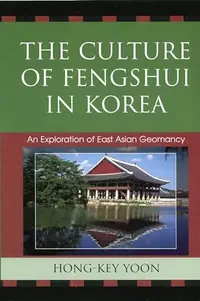
The Culture of Fengshui in Korea: An Exploration of East Asian Geomancy Yoon, Hong-Key
Yoon, Hong-KeyStock reported in the catalog; fulfillment is confirmed with your request.
Unearth Korea's ancient secrets of landscape harmony and human destiny.
Hong-Key Yoon's insightful work delves into the profound influence of geomancy, commonly known as Fengshui, within the Korean cultural sphere. Moving beyond its Chinese origins, this book meticulously unpacks the historical roots and practical application of geomantic principles, examining their impact on site selection for homes, tombs, and even entire cities. Yoon skillfully traces how these earth-based philosophies intertwined with Korea's cartography, religious beliefs, and urban planning, offering a unique perspective on the intricate relationship between humanity and the natural environment throughout East Asian history.
This work sits at the intersection of East Asian history and esoteric geography, bridging the gap between academic anthropology and occult geomancy traditions. It explores how ancient landscape harmonies influenced human destiny within the specific cultural sphere of Korea.


📝 Description: The Culture of Fengshui in Korea: An Exploration of East Asian Geomancy Yoon, Hong-Key
💎 Expert review
📖 Why choose it
Why this book is worth reading
This book is an essential discovery for anyone fascinated by the subtle forces that shape human habitation and destiny. Yoon provides a meticulous unpacking of geomantic principles, revealing how these earth-based philosophies were not merely superstitions but integral components of Korean religious belief and urban planning. Readers who appreciate the intricate dance between humanity and the natural environment will find profound value in understanding how site selection for homes, tombs, and cities was dictated by ancient landscape harmony. It offers a unique, insider perspective on East Asian history that goes beyond surface-level descriptions, making it ideal for those seeking to unearth the deep, structural roots of cultural identity through the lens of geomancy.
⭐ Reader reviews
Reader rating
Yoon’s work is a scholarly deep dive into Korean geomancy, offering rigorous analysis of historical roots and practical applications. While insightful for those studying the intersection of religion, cartography, and urban planning, it may feel overly academic to casual readers seeking simple 'how-to' guides or mystical anecdotes. It does not suit those looking for quick, actionable Feng Shui tips for modern home decor, as its focus remains firmly on historical context and cultural influence rather than immediate practical application. However, for serious students of East Asian esoteric traditions, this is a vital, meticulously researched text that illuminates the profound connection between landscape and human destiny.
❓ Frequently asked questions
📖 Who should read this
If you're fascinated by the intersection of geography, spirituality, and culture in East Asia, this book is essential. Scholars of Korean studies, anthropology, history, and anyone seeking a deeper understanding of Fengshui beyond its popular interpretations will find its insights invaluable.
🎯 Key themes and symbolism
Korean Geomantic Principles
This book offers an in-depth examination of the specific geomantic principles revered in Korea. It details how the selection of auspicious sites, from private residences to ancestral graves and even capital cities, was guided by an ancient understanding of wind and water, aiming to foster equilibrium between human dwellings and the energetic flows of the earth.
Cultural Landscape Shaping
Explore how the tenets of Fengshui profoundly shaped the physical and spiritual landscape of Korea. Yoon reveals its pervasive influence on diverse fields such as cartography, the development of religious and philosophical thought, and the strategic planning of urban centers, demonstrating its integral role in East Asian societal structures.
Geopolitics of Place
A compelling section uncovers the unexpected role of geomancy in a unique geopolitical conflict. The book meticulously analyzes how geomantic interpretations of the landscape, particularly concerning Seoul's Kyongbok Palace, became a symbolic battleground in the iconographical struggle between Japanese colonial aspirations and Korean nationalist identity.
💬 Quotes from the book
“The very topography of a nation can be read as a sacred text, dictating fortunes and reflecting the soul of its people.”
“More than mere superstition, geomancy became a battleground for identity, a silent war waged across the very contours of the land.”
📜 Historical context
📚 Glossary
- Fengshui
- Geomancy
- Auspicious Site
📔 Questions to reflect on
- Consider the landscape around your own home or workplace. How do its features (hills, water, roads) make you feel, and how might a geomancer interpret its 'energy'?
- Reflect on how historical events or political agendas might subtly manipulate public perception of places. Can you identify any modern examples of 'iconographical warfare' over land?
- How does understanding the cultural significance of geomancy change your perception of East Asian architecture, urban planning, or even traditional art?
✍️ More books by this author Yoon, Hong-Key
All books by this author →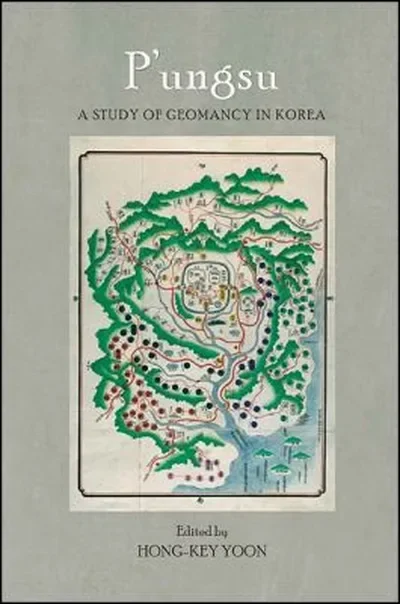
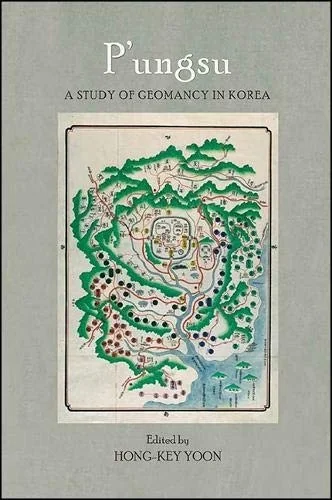
🏛 Books from this publisher Lexington Books
All books from this publisher →

You might also like
See more →


 91
91
 91
91