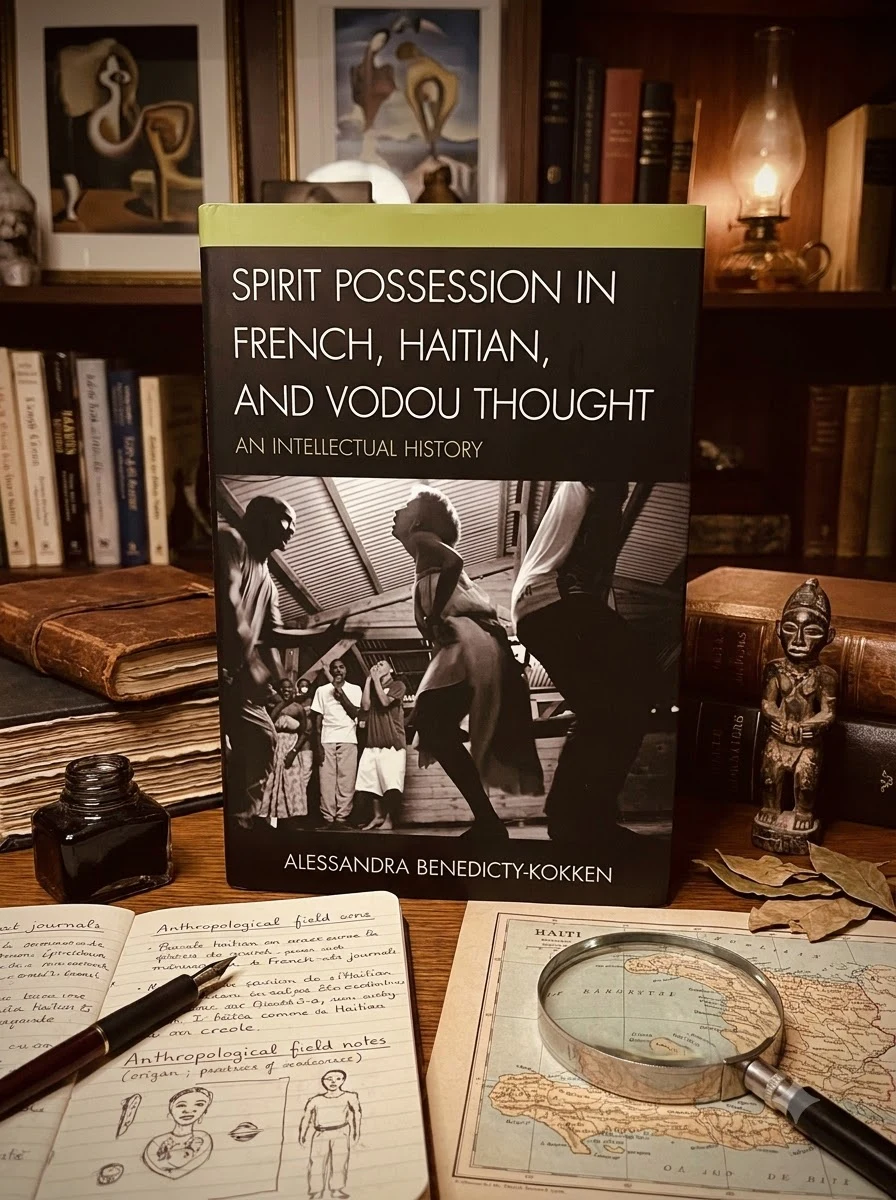
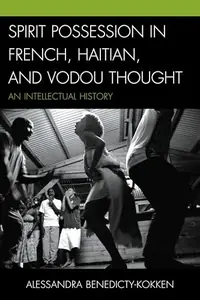
Spirit Possession in French, Haitian, and Vodou Thought: An Intellectual History
 80
80
 Editorial score
How we rate
Editorial score
How we rate
Stock reported in the catalog; fulfillment is confirmed with your request.
Unearth how Vodou possession ignited a revolution in French critical thought.
This intellectual history meticulously uncovers the profound, often unacknowledged, impact of Haitian Vodou thought on twentieth-century French critical theory. Focusing on the pivotal decades of the 1930s and '40s, the book reveals how concepts of "possession" from Haiti became a vital, intercontinental wellspring for discussions across anthropology, literature, psychoanalysis, and art. It argues compellingly that Haitian perspectives served as a foundational catalyst for figures like Foucault and Butler, only to be subsequently relegated to the "Savage slot," a dynamic this comprehensive study seeks to rectify.
This work sits firmly within the interdisciplinary study of Afro-Caribbean religious traditions and their reception in Western academia, specifically bridging Haitian Vodou history with the genealogy of French critical theory.


📝 Description: Spirit Possession in French, Haitian, and Vodou Thought: An Intellectual History
💎 Expert review
📖 Why choose it
Why this book is worth reading
Scholars and enthusiasts of intellectual history will find this text indispensable for its bold reclamation of Haitian Vodou as a central, rather than marginal, force in shaping twentieth-century French thought. By tracing how concepts of possession influenced anthropology, psychoanalysis, and art during the pivotal 1930s and '40s, the author exposes a hidden lineage connecting Caribbean spirituality to major theorists like Foucault and Butler. This book is essential for readers tired of Eurocentric narratives who seek to understand the profound, often unacknowledged impact of Haitian perspectives on global critical theory, offering a necessary correction to the historical erasure that relegated these ideas to the 'Savage slot'.
⭐ Reader reviews
Reader rating
While meticulously researched and intellectually stimulating, this volume is not for casual readers or those seeking accessible introductions to Vodou practices. It demands familiarity with dense French critical theory, psychoanalysis, and postcolonial discourse. The text will likely frustrate readers looking for practical ritual guides or straightforward historical chronicles of the Haitian Revolution. Instead, it offers a complex argument about epistemological influence that requires patience and academic background. Those uninterested in the intersection of anthropology, literature, and political theory may find the focus on theoretical reception rather than religious practice itself to be too abstract and narrowly targeted for general enjoyment.
❓ Frequently asked questions
📖 Who should read this
If you're a serious student of postcolonial theory, French philosophy, or Caribbean intellectual history, this book offers an essential re-evaluation. It challenges established narratives, prompting you to reconsider the true origins and forgotten catalysts behind foundational Western thought.
🎯 Key themes and symbolism
Haitian Influence on Theory
This book details how Haitian Vodou's understanding of possession became a conceptual engine for French intellectuals. It showcases how these ideas profoundly shaped their discussions on subjectivity, power, and the very nature of human experience, often without proper attribution to their origins.
The 'Savage Slot'
The author explores how foundational Haitian contributions were later marginalized or forgotten, reduced to exoticism or primitivism. This intellectual pigeonholing, termed the "Savage slot," allowed Western academic discourse to appropriate and benefit from non-Western ideas while simultaneously dismissing their source.
Interdisciplinary Crossroads
The text demonstrates how the concept of possession transcended academic boundaries, forging unexpected connections. It traces its influence across anthropology, literature, psychoanalysis, human rights, and visual arts, highlighting a complex, transatlantic intellectual network between France, Haiti, and the United States.
💬 Quotes from the book
“The persistent erasure of Haiti's theoretical impetus from the canon of French thought represents not merely an oversight, but a deliberate act of intellectual dispossession.”
“Tracing the intricate threads of 'possession' across Parisian salons and Haitian peristyles reveals a dynamic, transatlantic intellectual exchange far richer than conventional histories admit.”
📜 Historical context
📚 Glossary
- Vodou Possession
- Savage Slot
- Interdisciplinary
📔 Questions to reflect on
- How might our understanding of 'possession' in various cultural contexts shift if we centered Vodou thought rather than exclusively Western psychoanalytic or anthropological frameworks?
- In what other areas of intellectual history might significant non-Western contributions have been relegated to a 'savage slot,' and what are the implications of such historical erasures?
- Consider the ethical implications of intellectual appropriation, where ideas are taken and utilized within dominant academic discourse, but their origins are forgotten or deliberately dismissed.
🏛 Books from this publisher Lexington Books
All books from this publisher →
You might also like
See more →

 91
91
 91
91