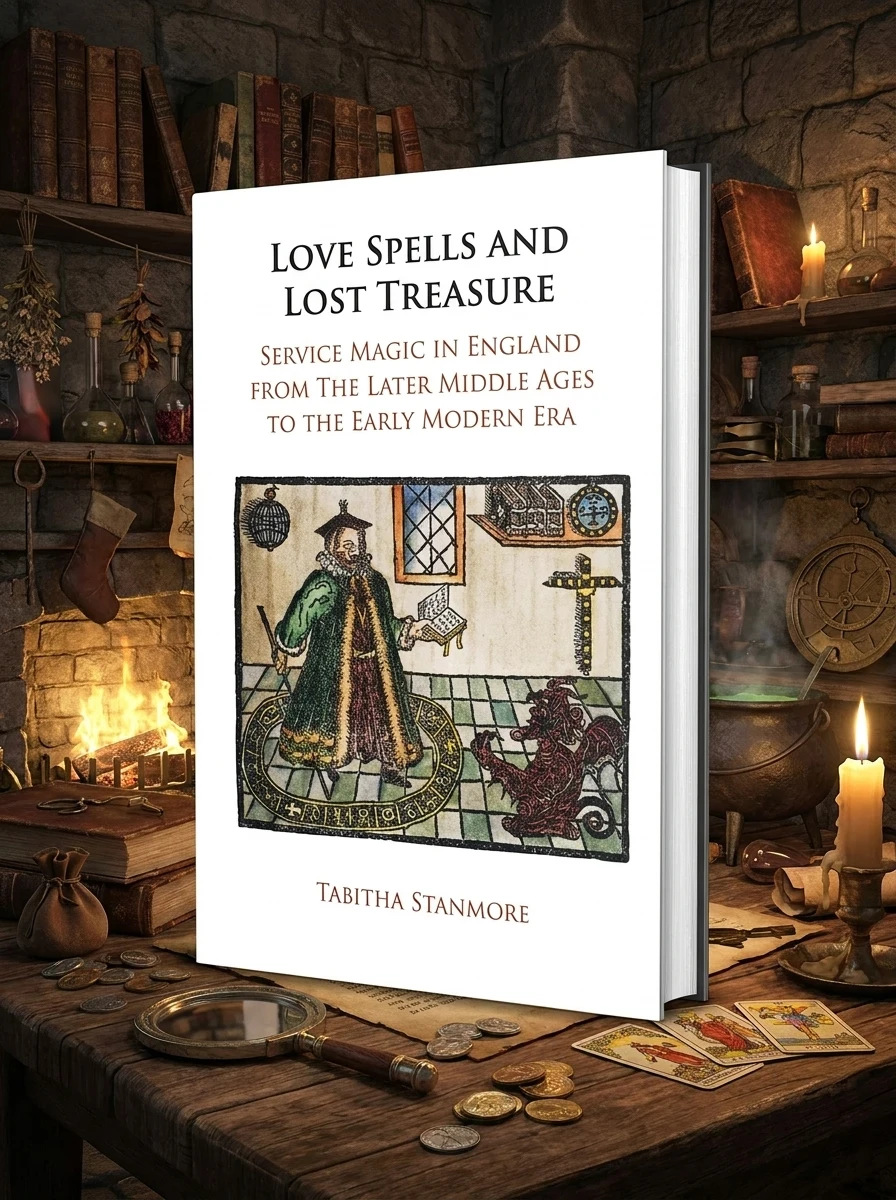
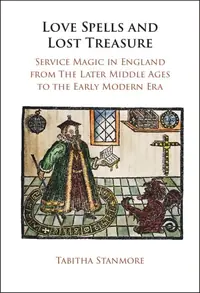
Love Spells and Lost Treasure
Stanmore, Tabitha 88
88
 Editorial score
How we rate
Editorial score
How we rate
Stock reported in the catalog; fulfillment is confirmed with your request.
Uncover the forgotten secrets of everyday magic woven into history's fabric.
This book delves into the often-overlooked practical applications of magic throughout history, contrasting them with more generalized notions of witchcraft. It explores how individuals in medieval and early modern Europe, particularly Great Britain, engaged with spells and enchantments for tangible, everyday purposes, often for a fee. Far from being an isolated phenomenon, this utilitarian magic was a pervasive aspect of daily life, influencing everything from personal desires to the pursuit of material wealth. "Love Spells and Lost Treasure" illuminates this fascinating, practical dimension of historical magical practice.
This work situates itself within the historical study of early modern European magic, specifically focusing on Great Britain's medieval and early modern periods where utilitarian enchantments were pervasive in daily life.


📝 Description: Love Spells and Lost Treasure
💎 Expert review
📖 Why choose it
Why this book is worth reading
Readers fascinated by the intersection of history, sociology, and esoteric practice will find this book invaluable. It offers a refreshing perspective that moves away from sensationalized witchcraft tropes to examine the grounded, commercial reality of historical magical practitioners. Those interested in how ordinary people navigated their personal desires, relationships, and economic anxieties through tangible spells will appreciate the detailed analysis of this utilitarian magic. It serves as an essential resource for understanding the hidden economic and social structures that supported everyday enchantments in Great Britain.
⭐ Reader reviews
Reader rating
This academic text provides a rigorous look at practical magic but may disappoint those seeking instructional grimoires or romanticized narratives of witchcraft. Scholars and historians will appreciate its focus on the commercial aspects of medieval and early modern British magic, yet casual readers expecting spellbooks might find the tone too dry. It is best suited for those interested in the sociological underpinnings of esoteric traditions rather than immediate magical application.
❓ Frequently asked questions
📖 Who should read this
If you're fascinated by the hidden aspects of social history, practical esoteric arts, or how magic shaped past societies, this book is for you. It offers a fresh perspective, revealing magic's functional role.
🎯 Key themes and symbolism
Everyday Magic's Historical Reach
This work meticulously details how magical practices weren't just for the initiated or the accused, but were deeply integrated into the daily lives of ordinary people. It highlights magic's widespread influence, from solving common problems to fulfilling personal desires, making it a ubiquitous part of historical societies.
Differentiating Magical Practices
The author draws a clear distinction between the broad concept of "witchcraft" and the focused, task-oriented "practical magic." It argues that while witchcraft often carried darker connotations, practical magic was a much more common and accepted service, performed for specific outcomes and often compensated financially.
British Historical Occultism
With a particular focus on Great Britain, this book unearths the unique magical traditions and beliefs prevalent across the island from medieval times through the early modern period. It explores the specific cultural contexts and motivations behind the magical workings found within its historical records.
💬 Quotes from the book
“The desire for love, wealth, or protection often led individuals not to the church, but to the local cunning-folk, demonstrating magic's role as a practical recourse.”
“While the fear of witchcraft dominated clerical discourse, the demand for common charms and divinations remained a constant, everyday reality.”
📜 Historical context
📚 Glossary
- Practical Magic
- Witchcraft
- Ubiquitous
📔 Questions to reflect on
- How might our understanding of historical societies change if we fully acknowledge the widespread role of practical magic in daily life?
- Consider a modern equivalent to "practical magic" – what mundane problems do people seek non-traditional solutions for today?
- In what ways do contemporary narratives about magic still struggle to differentiate between "witchcraft" and more utilitarian magical practices?
✍️ More books by this author Stanmore, Tabitha
All books by this author →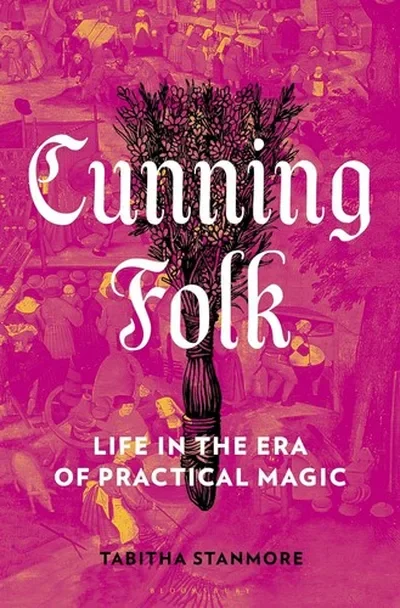
🏛 Books from this publisher Cambridge University Press
All books from this publisher →

 75
75

You might also like
See more →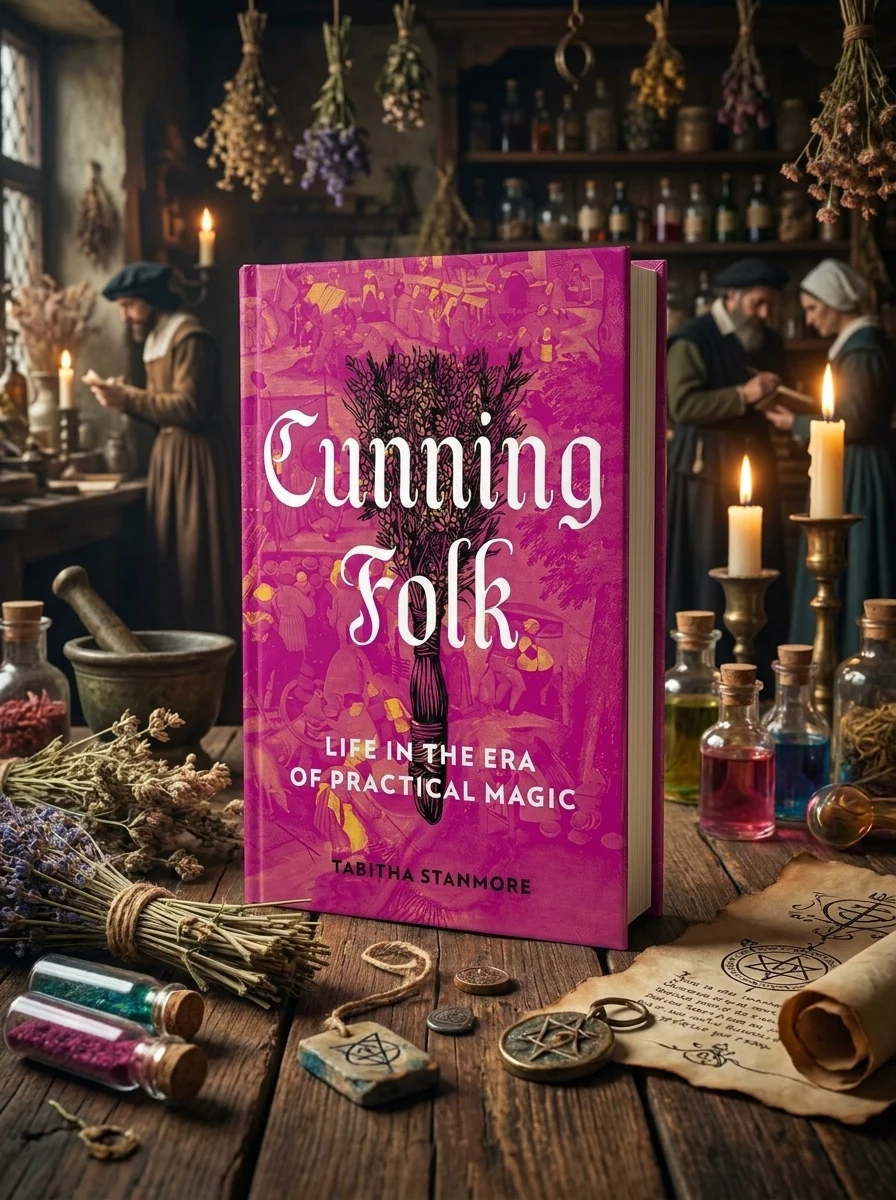
 91
91
 89
89