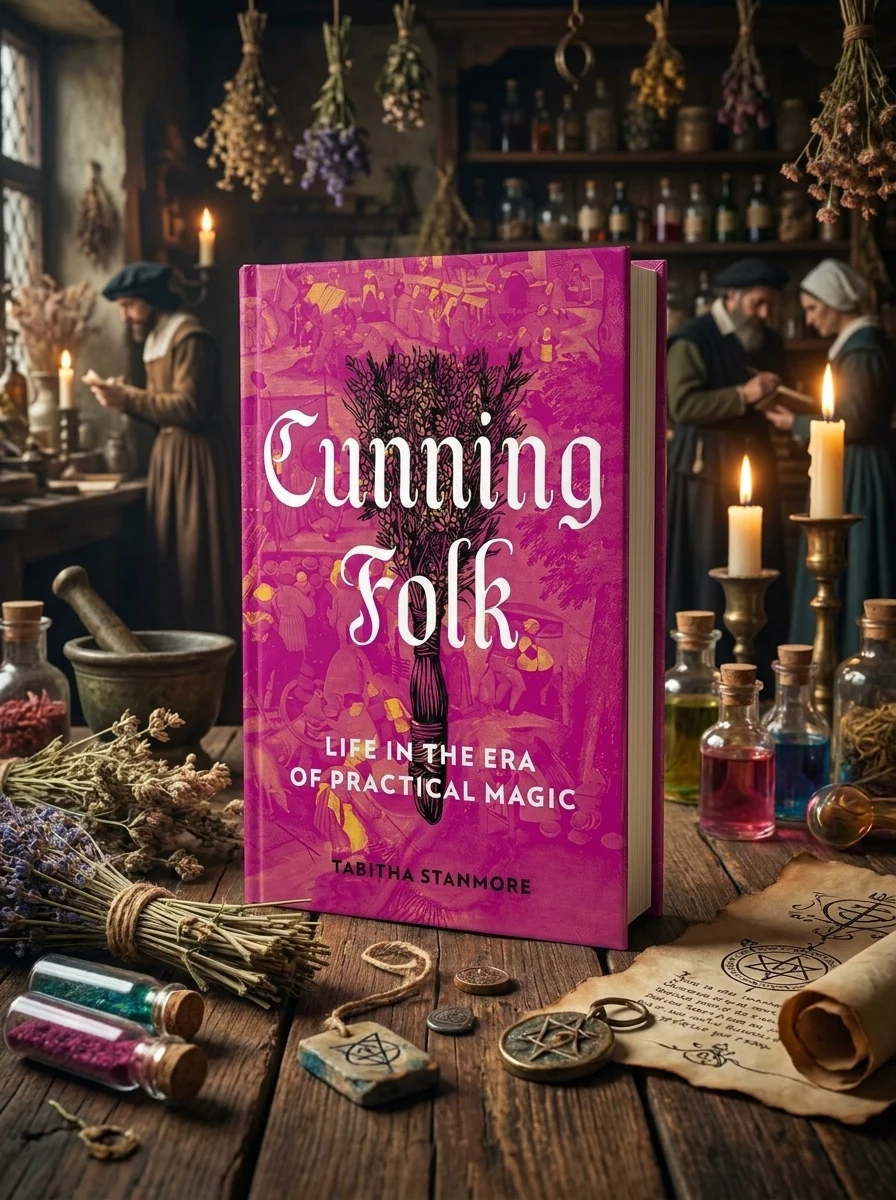
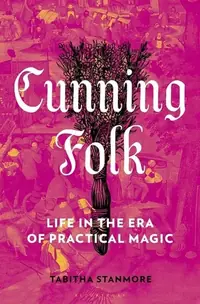
Cunning Folk: Life in the Era of Practical Magic
Stanmore, TabithaStock reported in the catalog; fulfillment is confirmed with your request.
Uncover the gritty reality of medieval practitioners who healed, cursed, and navigated a world of unseen forces.
Tabitha Stanmore dismantles the myth of a monolithic witch-hunt era, revealing instead a complex landscape where practical magic was an accepted, albeit precarious, profession. This work explores the daily lives of cunning folk—those who balanced the roles of healer, finder of lost items, and protector against ill omens. Through meticulous research, the narrative restores agency to these marginalized figures, showing how they negotiated power, fear, and community trust in a time of profound social upheaval. It is a vital correction to historical oversimplification, offering a nuanced portrait of spirituality as lived experience rather than abstract doctrine.
This work situates itself within the historical study of medieval practical magic, challenging the monolithic narrative of witch-hunts by exploring the complex social landscape of cunning folk. It bridges esoteric history and social anthropology, offering a grounded perspective on how marginalized practitioners navigated unseen forces in daily life.


📝 Description: Cunning Folk: Life in the Era of Practical Magic
💎 Expert review
📖 Why choose it
Why this book is worth reading
Readers seeking a nuanced understanding of medieval spirituality will find this book invaluable. It restores agency to cunning folk, moving beyond abstract doctrine to reveal the gritty reality of their daily struggles and triumphs. Those interested in the intersection of healing, cursing, and community trust will appreciate how Stanmore dismantles historical oversimplifications. It is essential for anyone wanting to see practical magic not as a monolithic evil, but as a precarious, accepted profession. The narrative offers a vital correction to history, showing how these figures negotiated power and fear. It provides a warm, humanizing portrait of marginalized individuals who balanced healing with protection against ill omens. You will gain insight into lived experience rather than just theoretical beliefs.
⭐ Reader reviews
Reader rating
Needed this for my research. The material is presented clearly and the structure makes it easy to revisit key passages. Solid, if not essential.
I keep coming back to this one. There's real depth here that reveals itself on a second reading.
Bought this as a gift for my sister and ended up ordering a second copy for myself. The material is presented clearly and the structure makes it easy to revisit key passages. I'd have loved an index, but that's on the original text.
Exactly what I was looking for. You can tell why this work has endured. The ideas are old but land with surprising force today. Highly recommend to serious students.
Came across this title in a footnote and had to track it down. I found myself reading passages aloud just to sit with them. Well worth it.
Been hunting for a decent copy of this text for ages. The material is presented clearly and the structure makes it easy to revisit key passages. My only quibble is the cover feels thinner than expected. Happy enough with the purchase.
Stanmore delivers a compelling revisionist history that successfully complicates the standard witch-hunt narrative. By focusing on the agency of cunning folk, she offers a fresh, necessary perspective on medieval spirituality. However, readers expecting sensationalized tales of dark sorcery or detailed grimoire instructions will be disappointed. This is a scholarly exploration of social dynamics, not a guide to practical spells or a collection of horror stories. Those seeking easy, escapist fantasy may find the rigorous attention to historical nuance and social upheaval too dense. It suits academic minds and serious history enthusiasts who appreciate nuanced character studies over dramatic plot twists.
❓ Frequently asked questions
📖 Who should read this
Readers interested in the intersection of medicine, superstition, and daily life in medieval Europe will find this essential. It appeals to those tired of sensationalized witchcraft tropes and seeking grounded historical analysis.
🎯 Key themes and symbolism
Practical Magic
Social History
Medieval Spirituality
💬 Quotes from the book
“Magic was not a secret society but a public trade, woven into the fabric of daily survival and social cohesion.”
“To understand the past, we must listen to the whispers of those who held the boundaries between the seen and unseen.”
📜 Historical context
📚 Glossary
- Cunning Folk
- Practical Magic
- Syncretism
📔 Questions to reflect on
- How might your community's relationship with 'unseen forces' differ from that of medieval Europeans?
- In what ways do modern professionals still blend scientific and intuitive methods in their practice?
- Reflect on a time you relied on 'folk wisdom' or superstition for comfort or guidance.
✍️ More books by this author Stanmore, Tabitha
All books by this author →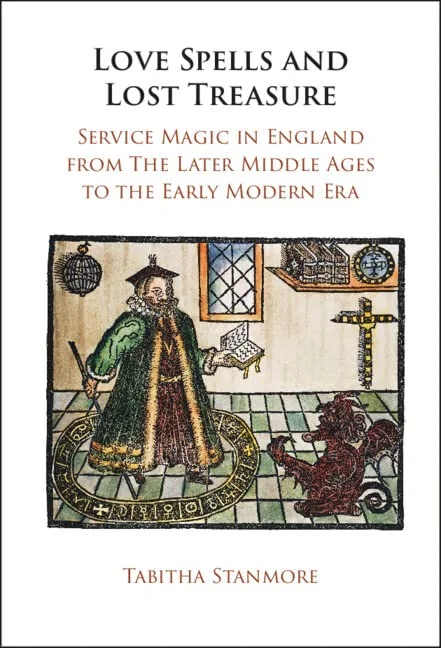

You might also like
See more →
 88
88
 91
91
 91
91

 91
91
 91
91