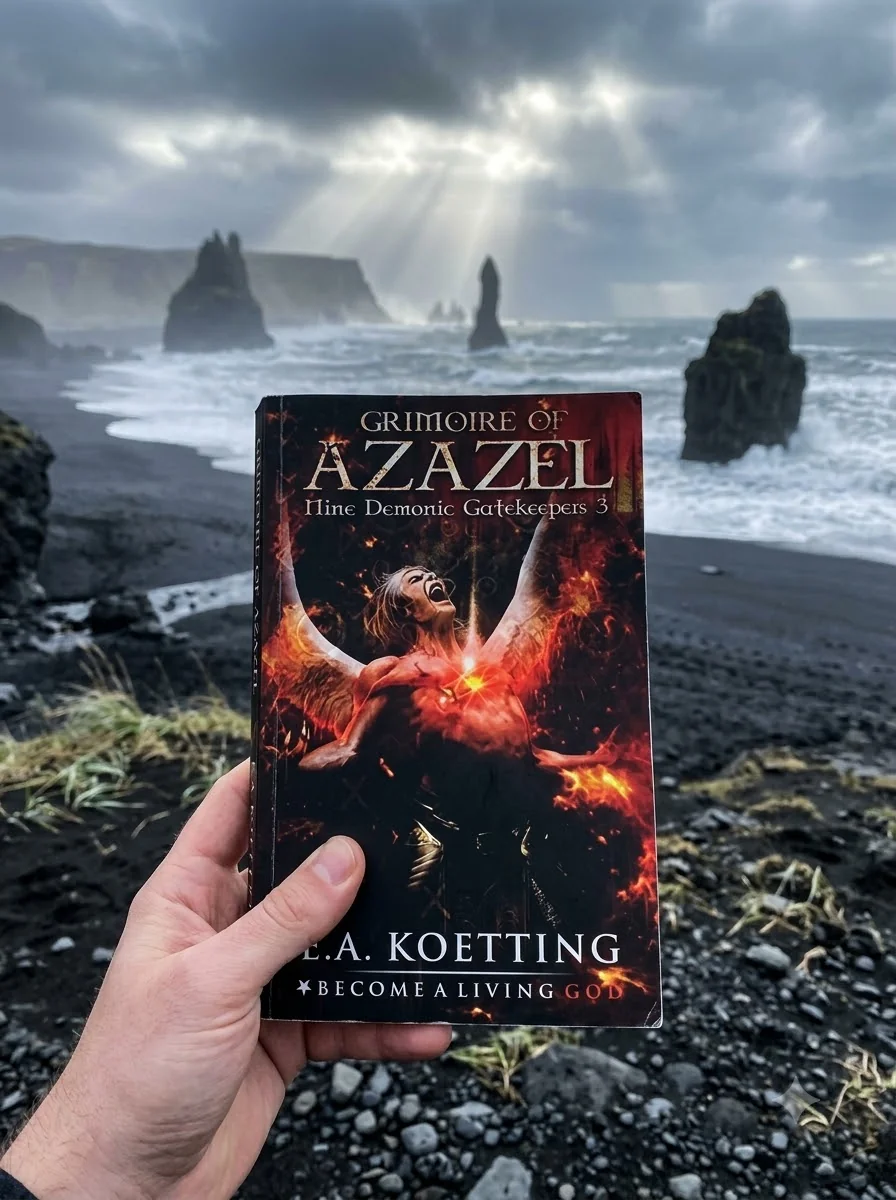
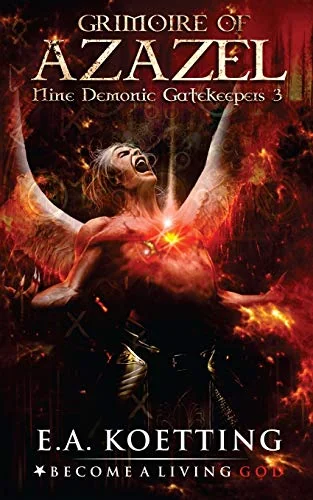
The Grimoire of Azazel
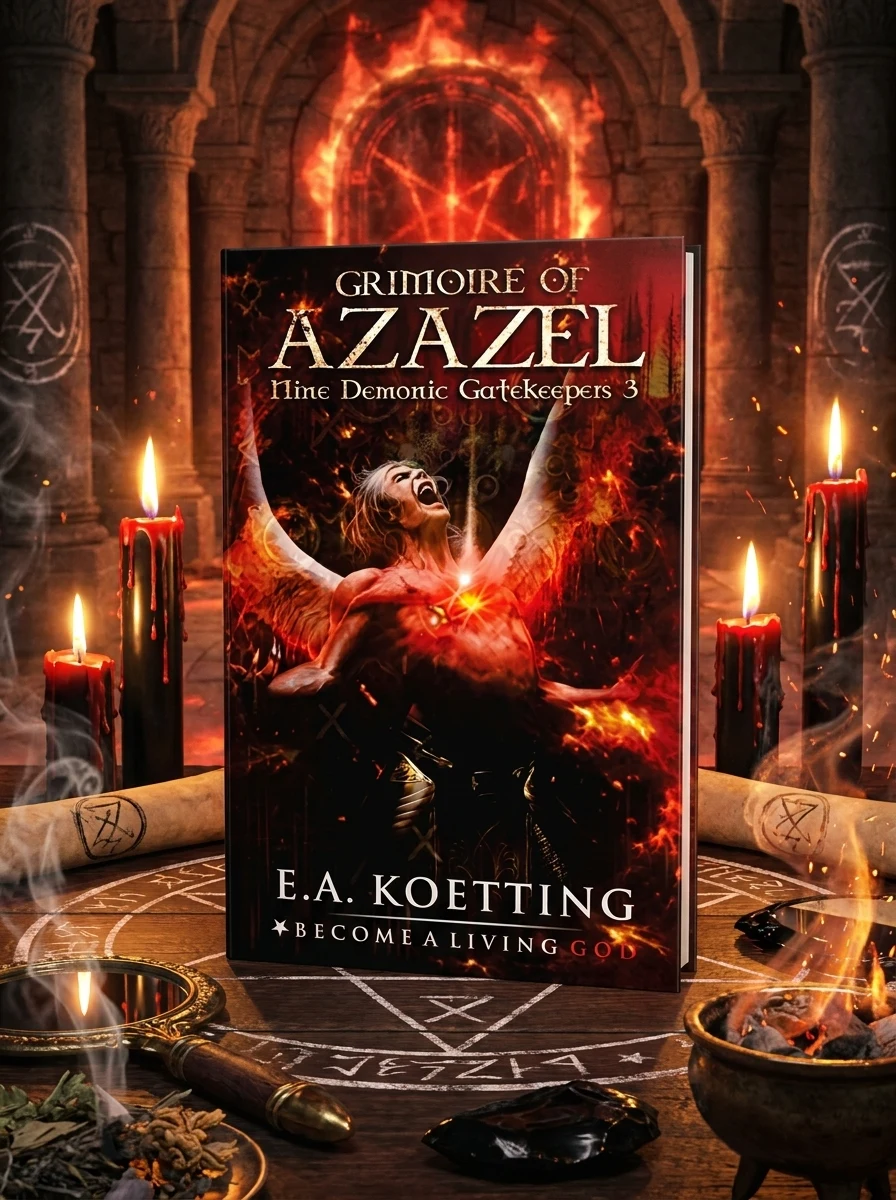
✍️ Donaghue, Timothy; , Koetting, E aA short grimoire documenting the culmination of a seven year pathworking with the demonic gatekeeper Azazel.
This black magick grimoire captures the final installment of an intensive seven-year pathworking dedicated entirely to the Third Demonic Gatekeeper, Azazel. Written by Timothy Donaghue alongside E.A. Koetting, who is widely identified as a top modern black magician, the eighty-page text details an aggressive new era within the study and practice of modern demonology. The material focuses directly on advanced magick studies and the mind, body, and spirit traditions surrounding direct demonic contact.
Published independently in 2019, this short volume reflects contemporary American black magick practices centered on direct demonic pathworking and personal ritual experience.


📝 Description: The Grimoire of Azazel
💎 Expert review
📖 Why choose it
Why this book is worth reading
This volume is designed for the dedicated practitioner who seeks to move beyond superficial ritualism into deep, sustained spiritual engagement. It offers those interested in the Qliphothic currents a rare, intimate look at the process of working with Azazel, the Third Demonic Gatekeeper. Readers will gain a comprehensive understanding of how to facilitate personal alchemical change through communion rather than mere summoning. It is essential for magicians willing to re-evaluate their relationship with infernal entities and embrace a transformative path that demands rigorous commitment and introspection over seven years of practice.
⭐ Reader reviews
Reader rating
Koetting’s work stands as a significant contribution to modern black magic, offering a systematic approach to interacting with potent infernal forces. However, it is not suitable for casual hobbyists or those seeking quick results, as it demands a profound commitment to personal transformation. Beginners in occultism may find the intensity overwhelming and the lack of introductory context disorienting. The book assumes a level of prior knowledge regarding demonology and ceremonial structure that novices do not possess. It is strictly for experienced practitioners ready to confront the primal essence of Azazel without the safety net of traditional, less demanding frameworks.
❓ Frequently asked questions
📖 Who should read this
Are you a seasoned practitioner of the Left Hand Path, seeking profound, transformative communion with infernal forces? This text is for those ready to commit to intense, long-term pathworking and challenge their understanding of demonology, transcending conventional approaches.
🎯 Key themes and symbolism
Azazel's Demonic Essence
Explore a direct, experiential understanding of Azazel, the formidable Third Demonic Gatekeeper. This grimoire delves into his unique manifestations, power, and role within the infernal hierarchy, offering insights gained from years of dedicated interaction that transcend mere academic study or traditional lore.
Advanced Pathworking Techniques
Discover the intricate and demanding methodologies of a seven-year pathworking. The book details specific rituals, invocations, and meditative practices designed for sustained, transformative engagement with Azazel, providing a blueprint for advanced practitioners seeking profound spiritual communion and alchemical change.
The New Demonic Paradigm
Challenge outdated notions of demonology with a "new era" approach. This work presents a contemporary framework for interaction with infernal entities, emphasizing personal transformation and a collaborative, albeit intense, relationship, moving beyond simplistic command structures to foster deeper gnosis and power.
📜 Historical context
📚 Glossary
- Grimoire
- Demonology
- Pathworking
📔 Questions to reflect on
- Consider the implications of a seven-year commitment to a single, powerful entity. What personal transformations might such a sustained pathworking elicit in your own practice?
- How might the concept of a 'Third Demonic Gatekeeper' shift your understanding of the infernal hierarchy and its accessibility, compared to traditional grimoire classifications?
- Reflect on the ethical boundaries you would establish when engaging with entities described as 'demonic.' How do you define 'control' versus 'collaboration' in such interactions?