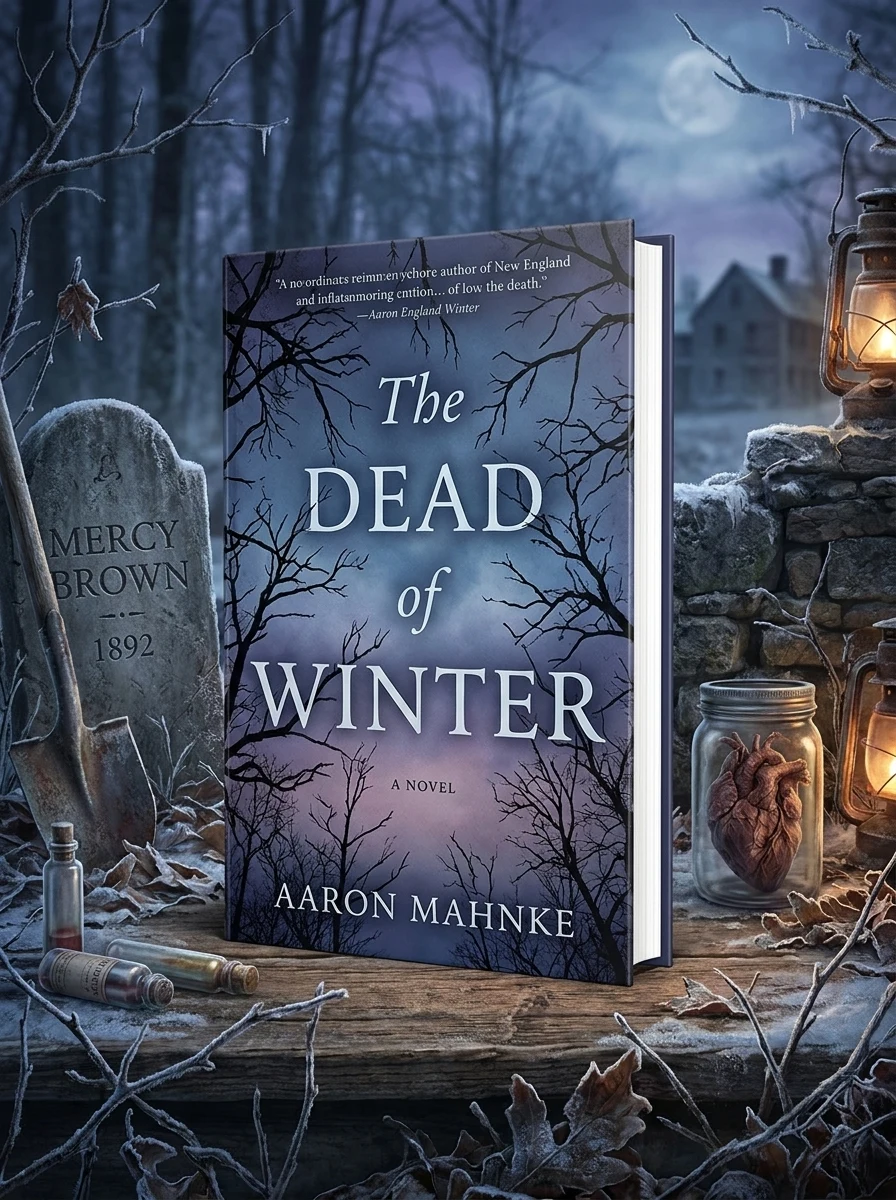

Exhumed: Unearthing the History of the American Vampire
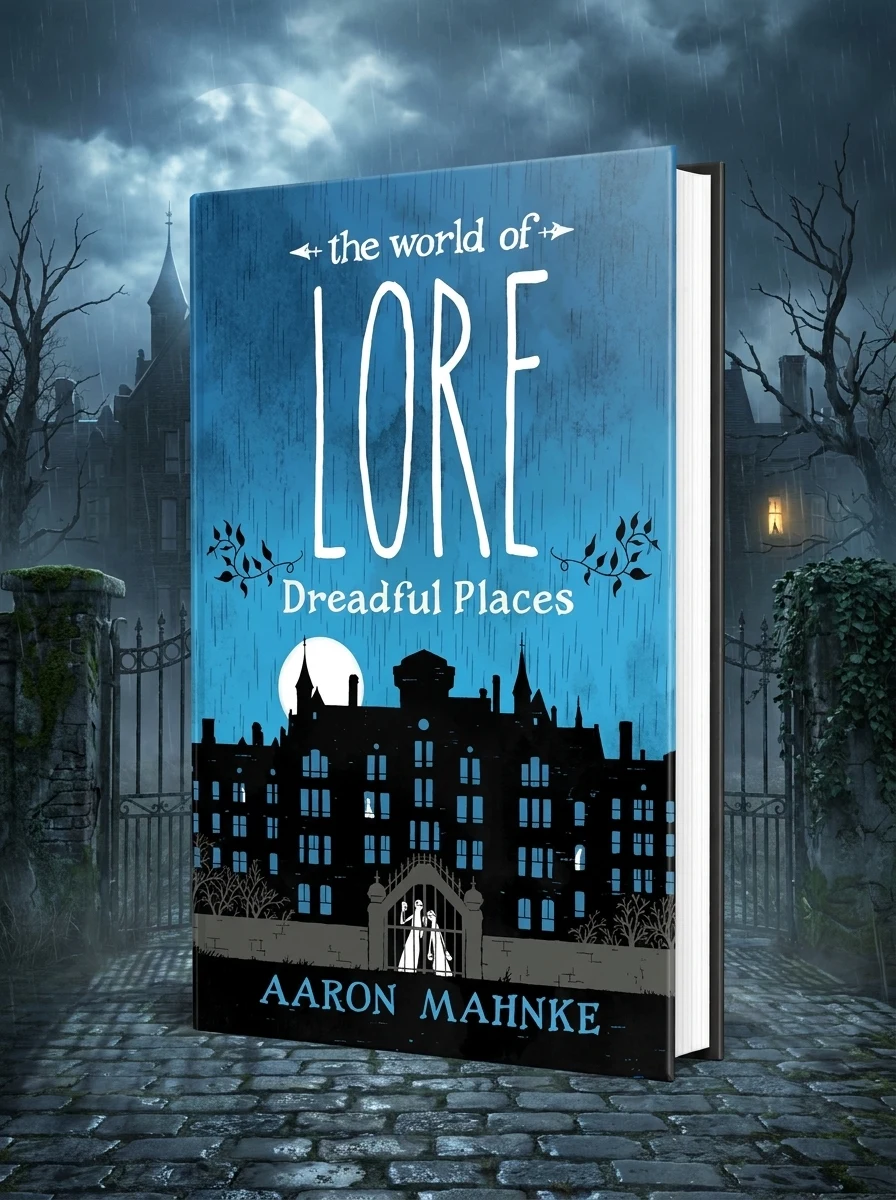
✍️ Mahnke, AaronAaron Mahnke, acclaimed host of the “Lore” podcast, delves into the grim realities of 19th-century New England, where a terrifying misconception led to macabre rituals. This book meticulously traces the origins of the infamous "vampire panic," examining how devastating illnesses like "consumption" (tuberculosis), combined with lingering European folklore and rudimentary medical understanding, fueled widespread fear. Mahnke reveals the desperate lengths communities went to, including the shocking exhumation of loved ones, in a desperate attempt to combat what they perceived as an undead threat, offering a unique blend of social history, medical anthropology, and folk horror.


Praise for this book
“Come for the morbid tidbits; stay for the sharply honed insights into both history and the human psyche.”
📝 Description: Exhumed: Unearthing the History of the American Vampire
💎 Expert review
📖 Why choose it
Why this book is worth reading
Readers with an affinity for the macabre, historical true crime, and the intersection of science and superstition will find this book deeply compelling. Aaron Mahnke offers a unique lens through which to view the past, transforming what might seem like mere myth into a poignant study of human grief and misunderstanding. Those fascinated by how societal fear drives action, particularly in isolated communities facing devastating illness, will appreciate the nuanced blend of social history and folk horror. It is perfect for those who enjoy uncovering the grim realities behind legendary tales, offering a respectful yet chilling look at how desperate families navigated the unknown. This book bridges the gap between academic inquiry and popular storytelling, making it an essential read for anyone interested in the darker corners of American cultural heritage.
⭐ Reader reviews
Reader rating
Mahnke delivers a meticulously researched account that balances academic rigor with engaging narrative flow. However, readers seeking traditional supernatural fiction or unverified ghost stories will find this work disappointingly grounded in historical fact and medical anthropology. It is not suitable for those who prefer sensationalized horror over contextual social history. The book’s strength lies in its explanation of how tuberculosis and folklore collided, but it may feel dry to readers expecting pure entertainment without educational substance. Ultimately, it is a valuable resource for understanding the origins of vampire hysteria, provided one accepts its scholarly approach to a terrifying subject matter.
❓ Frequently asked questions
📖 Who should read this
If you're captivated by the darker corners of history, fascinated by the intersection of folklore and early science, or intrigued by how societal fear can manifest in terrifying ways, this book is for you. Prepare to challenge your perceptions of both monsters and medicine.
🎯 Key themes and symbolism
Folklore's Dark Influence
Explore how centuries-old European vampiric traditions crossed the Atlantic, intertwining with American anxieties during periods of unexplained illness. This book illuminates how these inherited beliefs shaped local superstitions, leading communities to attribute devastating diseases to supernatural entities rather than scientific causes, culminating in desperate, ritualistic actions.
Medical Misconceptions & Panic
Uncover the profound impact of "consumption" (tuberculosis) in an era before modern medicine, where its symptoms were often misinterpreted as signs of vampirism. Mahnke dissects the primitive medical practices and pseudoscientific theories of the time, demonstrating how a lack of understanding exacerbated fear and contributed to a climate where extraordinary solutions seemed plausible.
Societal Hysteria Unpacked
Witness how collective fear can grip entire communities, driving otherwise rational individuals to commit unthinkable acts. This work meticulously chronicles the societal mechanisms that allowed a localized panic to escalate, revealing the human propensity for superstition and extreme measures when faced with overwhelming dread and a desperate need for explanation.
📜 Historical context
📚 Glossary
- Consumption
- Exhumation
- Folklore
📔 Questions to reflect on
- How do contemporary fears, similar to the 19th-century fear of 'consumption,' influence our understanding of unexplained phenomena today?
- Reflect on a time when a lack of knowledge or a collective belief led to an unusual or extreme action in a community you're familiar with, either historically or personally.
- Consider the ethical implications of historical exhumations and how our understanding of death and the deceased has evolved over time.