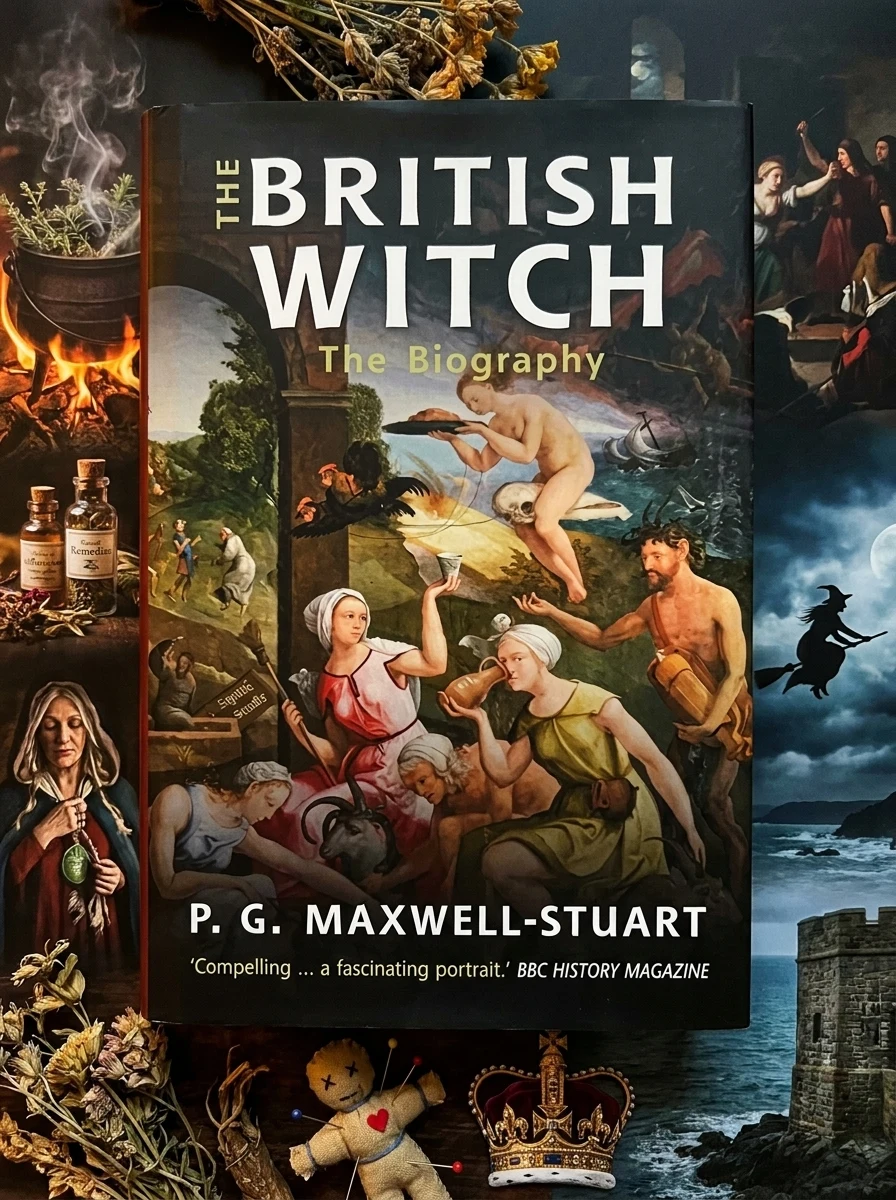
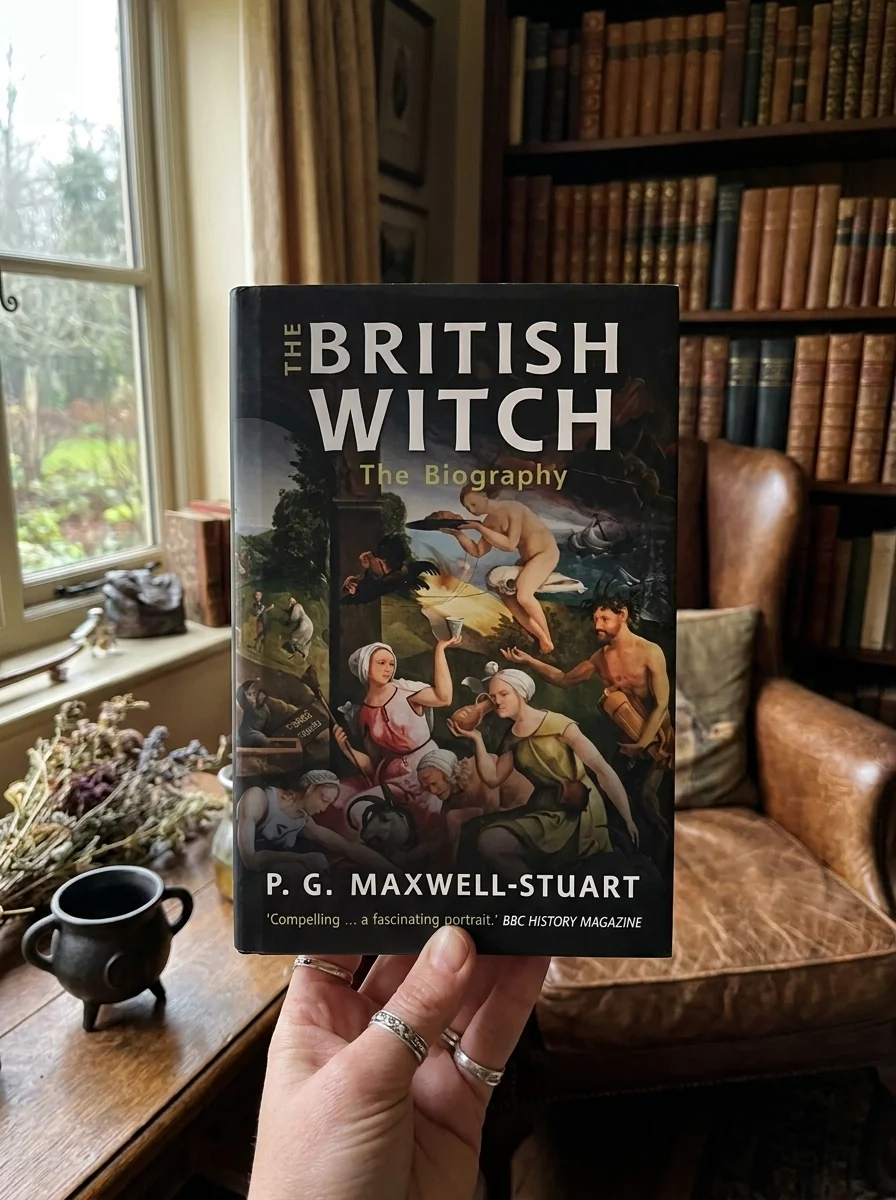
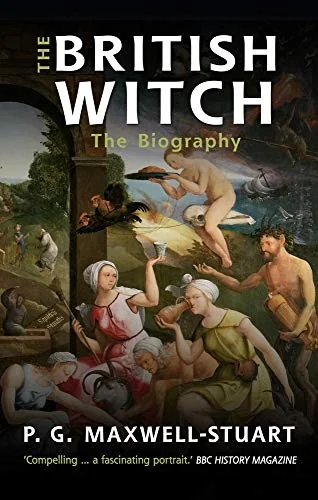
The British Witch: The Biography
✍️ Maxwell-Stuart, P GThis compelling historical account spans over five centuries, revealing the complex roles of witches, both male and female, across the British Isles. Far from monolithic figures, these individuals often served their local communities, offering remedies, fostering love, or even enacting vengeance. Maxwell-Stuart meticulously details instances of their practice, from curing fevers to afflicting monarchs, alongside the state's escalating legislative efforts to suppress magic, culminating in the 1735 repeal. The book profoundly re-evaluates who these practitioners truly were and why their power was both sought after and feared.


📝 Description: The British Witch: The Biography
💎 Expert review
📖 Why choose it
Why this book is worth reading
Readers fascinated by the intersection of folklore, law, and daily life in early modern Britain will find this book invaluable. It offers a nuanced perspective on individuals who were simultaneously feared and relied upon for essential community services like healing and love magic. By examining the complex relationship between practitioners and the Crown, the text reveals how ordinary people navigated supernatural beliefs within legal constraints. Those interested in the evolution of anti-witchcraft legislation or the social history of the British Isles will gain a deeper understanding of why these figures were both sought after and persecuted, providing a richly detailed portrait of a misunderstood historical phenomenon.
⭐ Reader reviews
Reader rating
Maxwell-Stuart provides a compelling re-evaluation of witchcraft practitioners, moving beyond monolithic stereotypes to reveal their diverse community roles. However, scholars seeking dense theoretical frameworks or primary source transcripts may find the narrative approach less satisfying than direct analysis. The book is best suited for general readers and history enthusiasts who appreciate accessible storytelling over academic jargon. It does not cater to those looking for contemporary Wiccan theology or sensationalist ghost stories. Instead, it offers a grounded, historical perspective that clarifies the real-world implications of magic in the past, making it a solid choice for understanding the social dynamics of the era without requiring prior specialized knowledge.
❓ Frequently asked questions
📖 Who should read this
If you’re eager to explore the true, often surprising, history of magic and its practitioners in Britain, beyond the popular myths, this book is essential. It offers a scholarly yet engaging dive into the lives of individuals who navigated both community needs and state persecution.
🎯 Key themes and symbolism
The Community Witch
The book vividly portrays witches as integral, albeit ambiguous, members of their local societies. They were often approached for practical needs, whether for healing ailments, ensuring good fortune, or even settling personal grievances, demonstrating a deeply intertwined relationship with their neighbors that belied later caricatures.
State & Suppression
Maxwell-Stuart meticulously chronicles the Crown's determined efforts to control and criminalize magical practices. From early attempts to counter perceived threats against monarchs to a series of Acts of Parliament, the narrative details how state power gradually transformed local folk practices into severe legal transgressions, leading to widespread prosecution.
Reimagining the Practitioner
This work challenges conventional, often sensationalized, perceptions of witchcraft. By focusing on detailed historical examples and the everyday lives of practitioners, it encourages readers to move beyond stereotypes, offering a nuanced understanding of their motivations, methods, and the genuine societal impact they wielded before their eventual legal decriminalization.
📜 Historical context
📚 Glossary
- Enchanted Images
- Witchcraft Acts
- Community Witch
📔 Questions to reflect on
- Consider how your local community today might react to someone offering "magical" services for common ailments or desires. What has changed, and what remains consistent in human nature?
- If you were a common person living in 16th-century Britain, how might you have balanced your trust in a local healer who was also accused of witchcraft, given the prevailing legal climate?
- Reflect on how modern legal systems continue to define and prosecute actions considered harmful or outside societal norms. Are there parallels to the historical criminalization of magic?