Witch Hunt: The Persecution of Witches in England
This edition can be ordered. No arrival date is confirmed.
Fear and superstition ignited England's darkest persecutions.
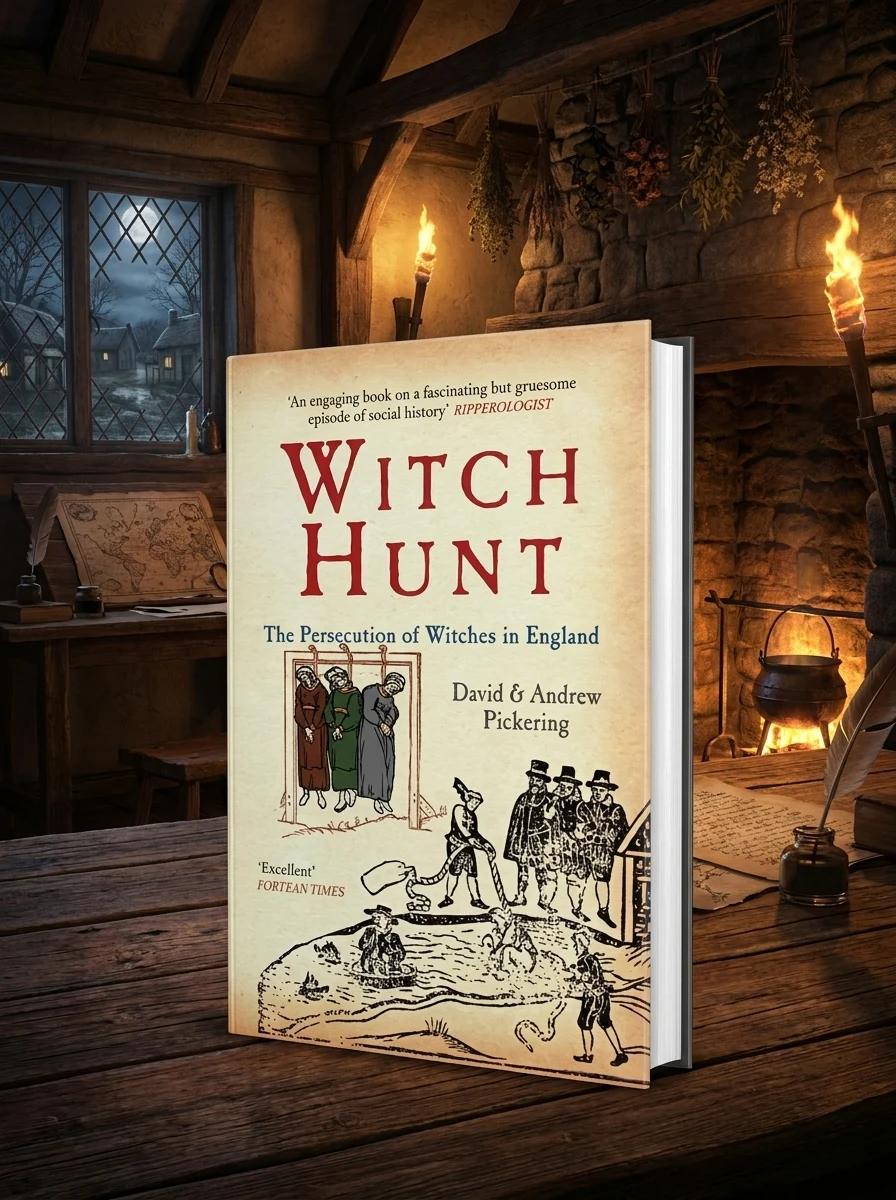
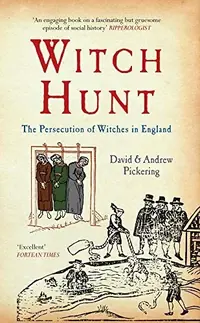
This compelling volume meticulously chronicles the harrowing era when belief in malefic magic permeated all levels of English society. The sixteenth and seventeenth centuries were marked by pervasive anxieties—rampant disease, high infant mortality, and uncertain harvests—which often led communities to seek scapegoats. As zealous persecution swept Europe, England's own brutal witch hunts escalated. The book details infamous cases like the Pendle trials, the Chelmsford executions, and the terrifying campaigns of the Witchfinder General, tracing this dark chapter until its eventual decline.
This work sits firmly within the historiography of European witchcraft persecutions, specifically examining the English legal and social mechanisms that fueled the early modern panic. It serves as a crucial counterpoint to literary depictions of magic by grounding the narrative in documented historical trauma and societal fear.


📝 Description: Witch Hunt: The Persecution of Witches in England
💎 Expert review
📖 Why choose it
Why this book is worth reading
This volume is an essential resource for readers seeking to understand the tangible, human cost of religious and superstitious fervor in English history. It appeals to those interested in the intersection of law, medicine, and folklore during periods of intense societal anxiety. By detailing specific, harrowing cases like the Pendle trials, it provides a visceral connection to the past for anyone studying the evolution of supernatural beliefs or the mechanics of scapegoating. The book offers clarity on how widespread fears of malefic magic were exploited and amplified, making it invaluable for historians, sociologists, and general readers who wish to comprehend the roots of modern witch-hunting myths through rigorous historical documentation rather than sensationalism.
⭐ Reader reviews
Reader rating
Pickering and Pickering deliver a meticulously researched account that strips away romanticized notions of witchcraft to reveal the brutal reality of state-sanctioned persecution. The narrative effectively links environmental anxieties, such as disease and poor harvests, to the surge in accusations. However, readers seeking engaging folklore or sympathetic portrayals of accused witches may find the tone too clinical and the focus on legal procedures dry. It is not suited for those looking for magical theory or spiritual guidance. Instead, it is a stark, unflinching examination of injustice, best appreciated by those willing to confront the uncomfortable truths of historical cruelty without the buffer of myth.
❓ Frequently asked questions
📖 Who should read this
For anyone captivated by the darker currents of history, the sociology of fear, or the origins of persecution, this book offers an unvarnished look at England's notorious witch hunts. It's essential reading for understanding how widespread belief can tragically manifest in collective terror.
🎯 Key themes and symbolism
Roots of Superstition
The book delves into the profound societal fears that fueled witchcraft beliefs, from the devastating impact of widespread illness and high infant mortality to the unpredictable nature of agricultural yields. It explores how these existential threats made supernatural explanations for misfortune not only plausible but often the only available framework for understanding calamity.
Community and Conflict
This work meticulously examines how intense, localized social dynamics—the simmering grudges and close-knit relationships within small rural communities—provided fertile ground for accusations. It illustrates how personal animosities, rather than grand conspiracies, often triggered the devastating spiral of suspicion and persecution that defined the English witch hunts.
English Persecution Unveiled
The authors provide an exhaustive account of the specific English context for witch trials, distinguishing it from continental practices. From the notorious Pendle trials of 1612 to the mass executions at Chelmsford in 1645, and the terrifying campaigns orchestrated by the self-proclaimed Witchfinder General, this book offers a detailed chronology of England's darkest judicial episodes.
💬 Quotes from the book
“The unseen hand of maleficium was not a distant fear, but a tangible presence whispered about by every hearth, often turning neighbor against neighbor in the shadow of unexplained misfortune.”
“To be named a witch was to be stripped of humanity, cast into an abyss of public terror where justice was often a mere formality preceding the gallows.”
📜 Historical context
📚 Glossary
- Witchfinder General
- Pendle Witches
- Infant Mortality Rate
📔 Questions to reflect on
- Consider how societal anxieties today might lead to similar patterns of scapegoating or unfounded belief, albeit in different forms.
- How do the dynamics of small communities, as described in the book, both foster support and create conditions for intense suspicion and conflict?
- Reflect on the role of authority figures, like the Witchfinder General, in exacerbating or legitimizing fear during periods of social unrest.
🏛 Books from this publisher Amberley Publishing
All books from this publisher →
 90
90

 89
89


You might also like
See more → 80
80
 91
91