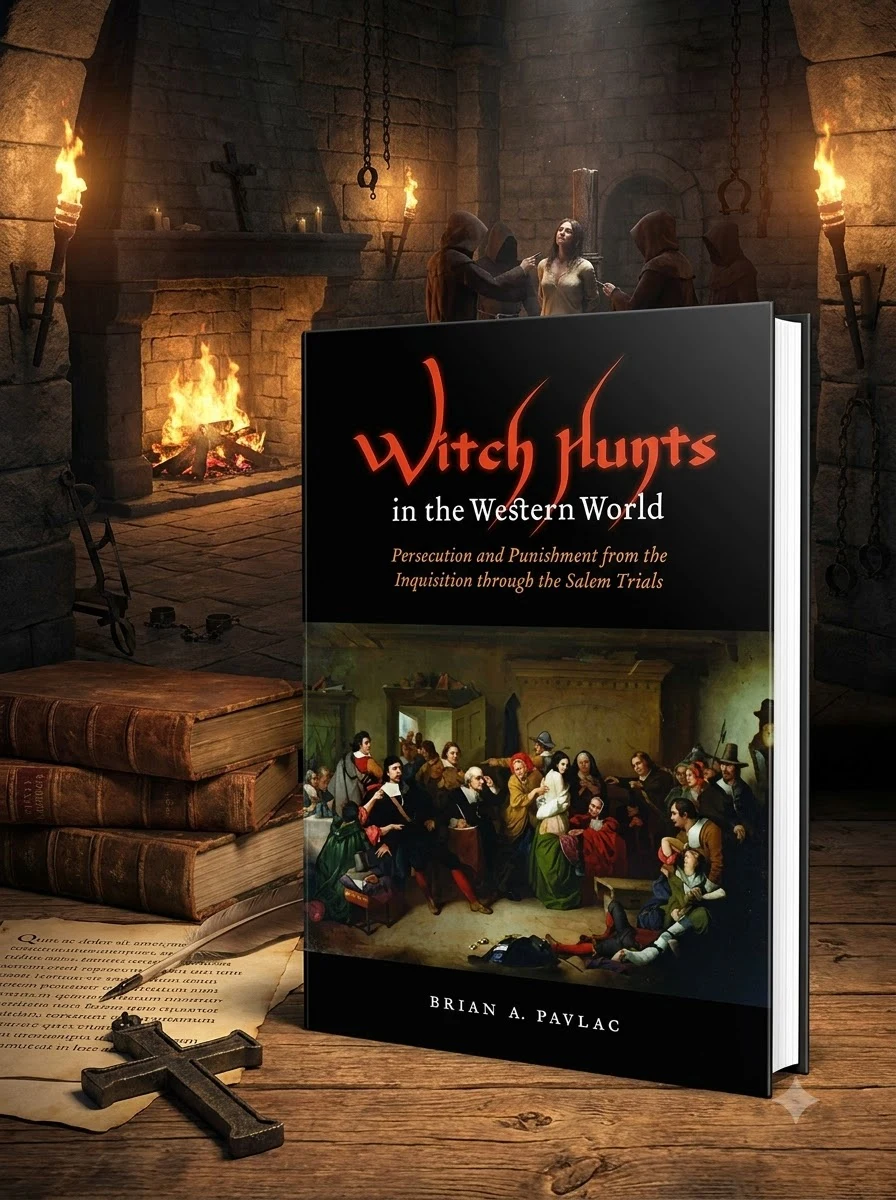
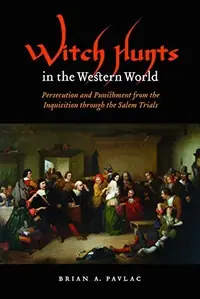
Witch Hunts in the Western World: Persecution and Punishment from the Inquisition Through the Salem Trials Pavlac, Brian A
Pavlac, Brian AStock reported in the catalog; fulfillment is confirmed with your request.
Uncover the chilling history of witch hunts, where faith, power, and fear converged in terrifying ways.
Delve into the harrowing saga of witch persecutions across the Western world, from the Roman Empire's shadows to the Enlightenment's dawn. This illuminating work meticulously examines how religious fervor, political machinations, and societal anxieties fused to ignite centuries of terror. Brian A. Pavlac offers a nuanced, region-by-region analysis, revealing the distinct cultural forces that fueled these atrocities. Through gripping accounts of trials and voices of both accusers and their victims, readers gain a profound understanding of this disturbing chapter, exploring its roots in European thought and its echoes in the New World.
This work situates itself within the broader historiography of Western esotericism and religious persecution, bridging the gap between medieval inquisitorial practices and early modern colonial anxieties.


📝 Description: Witch Hunts in the Western World: Persecution and Punishment from the Inquisition Through the Salem Trials Pavlac, Brian A
💎 Expert review
📖 Why choose it
Why this book is worth reading
Readers with a deep interest in the intersection of theology, politics, and social history will find immense value in this nuanced examination. Pavlac provides a vital corrective to sensationalized narratives by meticulously analyzing the distinct cultural forces that fueled persecutions across different regions. It is particularly beneficial for scholars and serious enthusiasts who wish to understand how religious fervor and political machinations converged to create an atmosphere of terror. By exploring both European roots and New World echoes, the book offers a comprehensive framework for understanding these atrocities. Those seeking to comprehend the complex societal anxieties that ignited centuries of fear will gain a profound appreciation for this disturbing yet essential chapter in Western history.
⭐ Reader reviews
Reader rating
Pavlac delivers a rigorous, region-by-region analysis that prioritizes historical accuracy over dramatic flair. While the scholarly depth is commendable for those studying the mechanics of persecution, casual readers seeking a gripping narrative or supernatural elements may find the tone dry and overly academic. It does not suit those looking for lighthearted folklore or sensationalist accounts of witchcraft. Instead, it demands attention to political context and theological nuance. The work is an indispensable resource for understanding the structural causes of these events but requires patience from readers unaccustomed to dense historical analysis.
❓ Frequently asked questions
📖 Who should read this
If you seek to understand the grim reality behind the legends of witchcraft persecution, or are a student of European history, religious studies, or social dynamics, this book is for you. It offers accessible yet deeply researched insights into a pivotal and often misunderstood period.
🎯 Key themes and symbolism
Power, Faith, and Fear
This book meticulously unpacks how the entanglement of religious dogma, political ambition, and pervasive societal fear created the volatile conditions for witch hunts. It explores the institutions and ideologies that weaponized accusations of sorcery, demonstrating the profound impact of these forces on both accusers and the accused throughout history.
Regional Persecution Patterns
Beyond a monolithic view, the text details the distinct regional manifestations of witch trials across Europe and the New World. It highlights how local customs, legal systems, and cultural anxieties shaped the severity and methods of persecution, offering a comparative perspective on these dark episodes from Scandinavia to Southern Europe.
Changing Western Perspectives
Charting a vast historical arc from Roman times to the Age of Enlightenment, the book examines the shifting intellectual and social landscapes that first fueled and then eventually curbed the witch hunt phenomenon. It reveals how evolving ideas about magic, deviance, and justice fundamentally transformed Western consciousness.
💬 Quotes from the book
“The witch hunt was never a monolithic phenomenon; its manifestations varied wildly, shaped by local fears, legal structures, and the particular anxieties of each community across Europe.”
“Beyond the sensational accusations lay a complex interplay of religious doctrine, political opportunism, and deeply ingrained social prejudices that rendered certain individuals profoundly vulnerable.”
📜 Historical context
📚 Glossary
- Inquisition
- Malleus Maleficarum
- Sabbat
📔 Questions to reflect on
- How do historical patterns of mass hysteria and scapegoating evident in witch hunts resonate with modern societal anxieties or political movements?
- Considering the intersection of religion, politics, and social fear, what ethical responsibilities do institutions and individuals have in preventing similar persecutions today?
- Reflect on the power of narrative and testimony, both from accusers and the accused, in shaping historical understanding and perpetuating injustice. How does this influence your view of historical records?
📖 From the series “Extraordinary World”
All books in the series →
✍️ More books by this author Pavlac, Brian A
All books by this author →
🏛 Books from this publisher Bison Books
All books from this publisher →
You might also like
See more →


 91
91