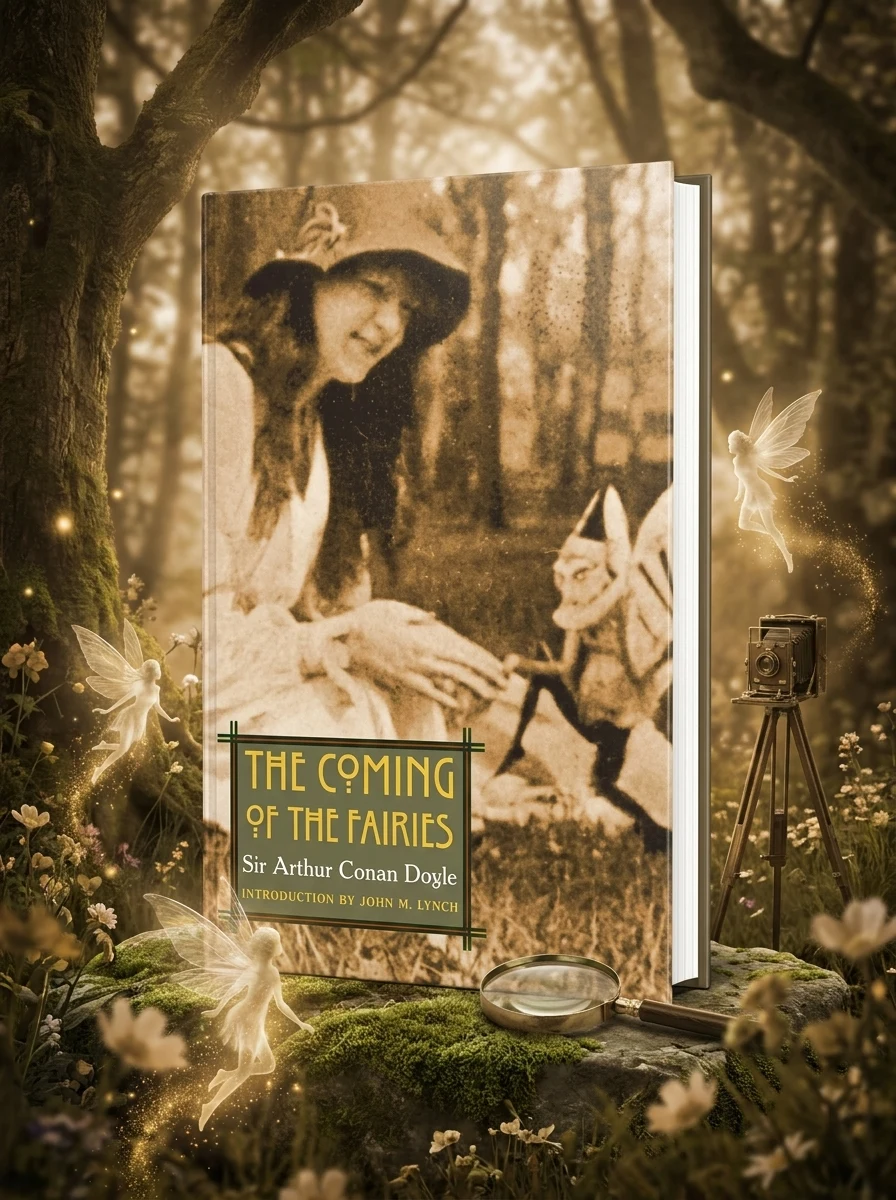
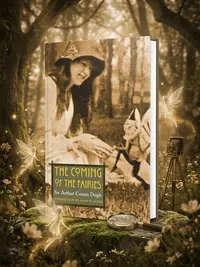
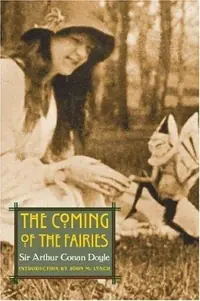
The Coming of the Fairies (Bison Books) Doyle, Arthur Conan, Sir
Stock reported in the catalog; fulfillment is confirmed with your request.
Did Sherlock Holmes' creator truly believe in ethereal winged beings?
Step into a fascinating chapter of Sir Arthur Conan Doyle's life, far removed from Baker Street's logic. This volume delves into his fervent spiritualist convictions, chronicling his absolute belief in the Cottingley Fairies. Doyle meticulously presents the photographic 'evidence' and his arguments for the existence of these elusive nature spirits, offering a unique glimpse into the mind of a celebrated author grappling with the supernatural. It's a compelling exploration of faith, perception, and the boundaries of reality, as seen through the eyes of one of history's most intriguing figures.
This work sits at the intersection of early 20th-century spiritualism and the public fascination with paranormal phenomena, challenging the rigid rationalism often associated with its author. It reflects a period where renowned intellectuals publicly grappled with the supernatural, blurring the lines between scientific inquiry and mystical belief.


📝 Description: The Coming of the Fairies (Bison Books) Doyle, Arthur Conan, Sir
💎 Expert review
📖 Why choose it
Why this book is worth reading
Readers fascinated by the duality of Sir Arthur Conan Doyle’s legacy will find this volume particularly rewarding. It offers a rare, intimate glimpse into the mind of the man who created Sherlock Holmes, revealing his fervent conviction in ethereal beings rather than mere logical deduction. Those intrigued by the Cottingley Fairies phenomenon or the history of spiritualism will appreciate Doyle’s meticulous presentation of photographic evidence and his passionate arguments for nature spirits. It is an essential read for anyone seeking to understand how a celebrated author grappled with faith, perception, and the boundaries of reality, providing a compelling exploration of the supernatural through the eyes of one of history's most intriguing figures.
⭐ Reader reviews
Reader rating
This book serves as a fascinating bridge between literary fiction and paranormal non-fiction. While it may frustrate readers who prefer Doyle strictly for his deductive mysteries, those open to exploring the author’s spiritualist convictions will find it engaging. The text does not suit skeptics seeking hard scientific proof, as it relies heavily on Doyle’s personal faith and subjective interpretation of events. However, for enthusiasts of esoteric history and biography, it provides a candid look at a celebrated figure’s struggle with the supernatural. It is a unique historical document that highlights the tension between logic and belief.
❓ Frequently asked questions
📖 Who should read this
If you're fascinated by the history of spiritualism, the intersection of belief and skepticism, or the lesser-known pursuits of literary giants, this book is for you. Dive into a captivating exploration of the supernatural through the eyes of a master storyteller.
🎯 Key themes and symbolism
Spiritualism and Conviction
The book serves as a testament to Doyle's deep-seated spiritualist beliefs, revealing how his personal philosophy led him to wholeheartedly embrace extraordinary claims. It explores the framework of his conviction, demonstrating how a man known for rational deduction applied a different lens to matters of the unseen and the mystical.
Evidence and Perception
Doyle’s work meticulously examines the now-famous Cottingley photographs, presenting them as irrefutable proof of fairy existence. This theme investigates what constitutes 'evidence' in the realm of the supernatural, and how individual worldview profoundly shapes interpretation, particularly when faced with phenomena that defy conventional understanding.
Challenging Materialism
At its core, this book is an argument against strict materialism, proposing that the universe holds more mysteries and spiritual dimensions than science alone admits. Doyle uses the fairy phenomenon to advocate for a broader, more inclusive understanding of reality, urging readers to consider the unseen forces and intelligences that might share our world.
💬 Quotes from the book
“To deny these photographs is to deny the evidence of one's own eyes, and indeed, to deny the very possibility of wonder in a world that so desperately needs it.”
“The scientific mind, often so quick to dismiss the unseen, must learn to expand its horizons beyond the laboratory and the dissecting table.”
📜 Historical context
📚 Glossary
- Spiritualism
- Ethereal
- Materialism
📔 Questions to reflect on
- How do your personal beliefs influence what you consider to be credible evidence, particularly in matters of the supernatural or unexplained?
- Reflect on a time when you encountered something that defied your logical understanding. How did you reconcile that experience with your worldview?
- In what ways might a society's prevailing scientific or spiritual paradigms limit or expand its perception of reality?
📖 From the series “Extraordinary World”
All books in the series →
You might also like
See more →
 87
87
 91
91
 91
91