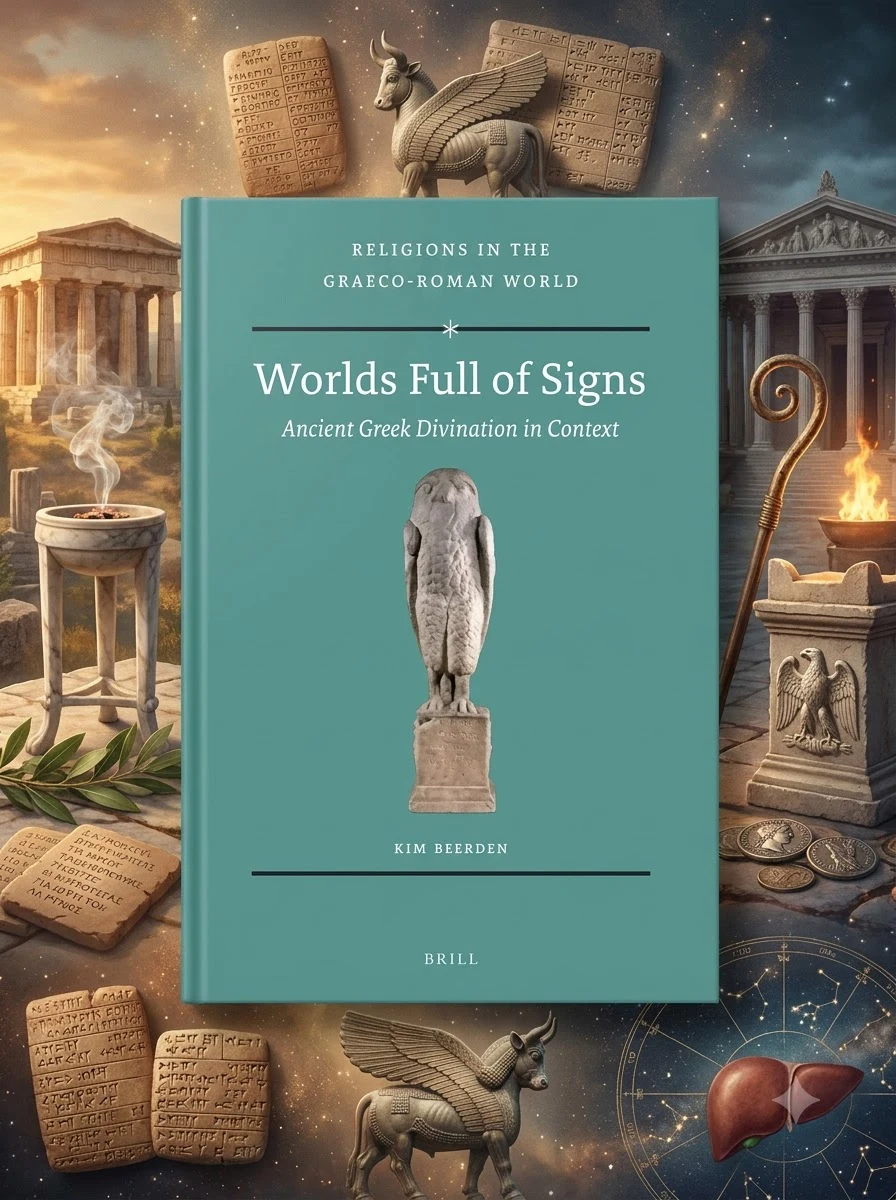
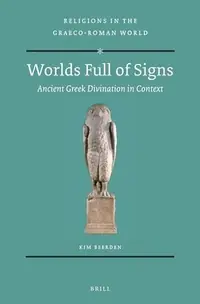
Worlds Full of Signs (XII, 236 Pp., Index) - Ingram Academic Beerden, Kim
Beerden, KimStock reported in the catalog; fulfillment is confirmed with your request.
Unearth ancient wisdom: discover how different cultures sought omens from the cosmos.
Kim Beerden’s "Worlds Full of Signs" offers a compelling comparative study of ancient divination practices. The book meticulously analyzes the methods and underlying philosophies of prognostication in classical Greece, juxtaposing them against those found in Neo-Assyrian Mesopotamia and Republican Rome. Beerden posits a fundamental divergence in the nature of Greek divination when held against its contemporaries, arguing for a unique cultural interpretation of signs and omens. This academic work delves deep into historical records to illuminate how each society interpreted the divine will, providing rich insights for scholars and enthusiasts alike.
This academic volume situates itself within the comparative study of ancient Near Eastern and Classical Mediterranean history, specifically focusing on the intersection of religion, philosophy, and prophetic practices in antiquity. It bridges the scholarly gap between Neo-Assyrian Mesopotamian records and the intellectual traditions of Republican Rome and classical Greece.


📝 Description: Worlds Full of Signs (XII, 236 Pp., Index) - Ingram Academic Beerden, Kim
💎 Expert review
📖 Why choose it
Why this book is worth reading
Scholars of ancient history, religious studies, and comparative mythology will find immense value in this rigorous text. It offers a rare, meticulous juxtaposition of how distinct civilizations—specifically Neo-Assyrian Mesopotamia, Republican Rome, and classical Greece—interpreted the divine will through omens. By highlighting the fundamental divergence in Greek divination compared to its neighbors, Beerden provides essential insights for anyone seeking to understand the philosophical underpinnings of ancient prognostication. It is a vital resource for researchers needing to grasp how cultural frameworks shaped the perception of cosmic signs and the nature of prophetic authority in the ancient world.
⭐ Reader reviews
Reader rating
Beerden delivers a dense, scholarly analysis that rewards patience with deep comparative insights into ancient divination. However, this work is strictly academic; it will not suit casual readers seeking narrative storytelling or those looking for practical divinatory advice. It lacks accessible prose for the general public and offers no modern application of its findings. Readers expecting a light read on tarot or astrology should look elsewhere, as this text demands serious engagement with historical records and philosophical arguments without offering entertainment value or easy summaries.
❓ Frequently asked questions
📖 Who should read this
If you're fascinated by ancient religions, the history of magic, or the diverse ways humanity has sought to understand its fate, this book is essential. Scholars of classics, religious studies, and ancient history will find its comparative rigor invaluable. Dive into a scholarly exploration of ancient foresight.
🎯 Key themes and symbolism
Comparative Divination Systems
The book meticulously outlines and contrasts the systems of divination employed across three significant ancient cultures: Greek, Neo-Assyrian, and Roman. It highlights the structural and functional similarities and differences in how these societies approached the interpretation of signs, omens, and prophecies, offering a broad panoramic view of ancient prophetic traditions and their societal roles.
Distinctiveness of Greek Practice
A central argument is the unique character of Greek divination, which Beerden suggests fundamentally diverged from the practices prevalent in Mesopotamia and Rome. This section explores what made the Hellenic approach to foretelling the future distinct, delving into its philosophical underpinnings, societal integration, and the specific ways Greeks engaged with the divine to gain insight.
Cultural Contexts of Prophecy
Beerden emphasizes that divination is not a universal constant but deeply embedded within its cultural matrix. This theme investigates how the specific historical, religious, and political landscapes of Neo-Assyria, Republican Rome, and ancient Greece shaped their respective divinatory methods, beliefs, and societal functions, revealing the profound interplay between culture and prophecy.
💬 Quotes from the book
“The interpretation of a bird's flight in Rome, while sharing superficial resemblances with Greek augury, derived its authority from an entirely different theological and civic framework, highlighting the perils of universalizing divinatory categories.”
“Unlike the systematic, almost bureaucratic consultation of omens in Mesopotamia, Greek prophetic utterances often carried a more ambiguous, dialogic quality, inviting human agency in their unfolding.”
📜 Historical context
📚 Glossary
- Divination
- Neo-Assyrian
- Republican Rome
📔 Questions to reflect on
- Reflect on how modern societies interpret 'signs' or 'omens' in secular contexts. Are there parallels with ancient divinatory practices?
- Consider the societal implications of a belief system where the future is foretold. How might this shape individual choices and collective actions?
- If you were to design a new form of divination for our current world, what would it look like, and what cultural values would it reflect?
✍️ More books by this author Beerden, Kim
All books by this author →
🏛 Books from this publisher Brill
All books from this publisher →
You might also like
See more →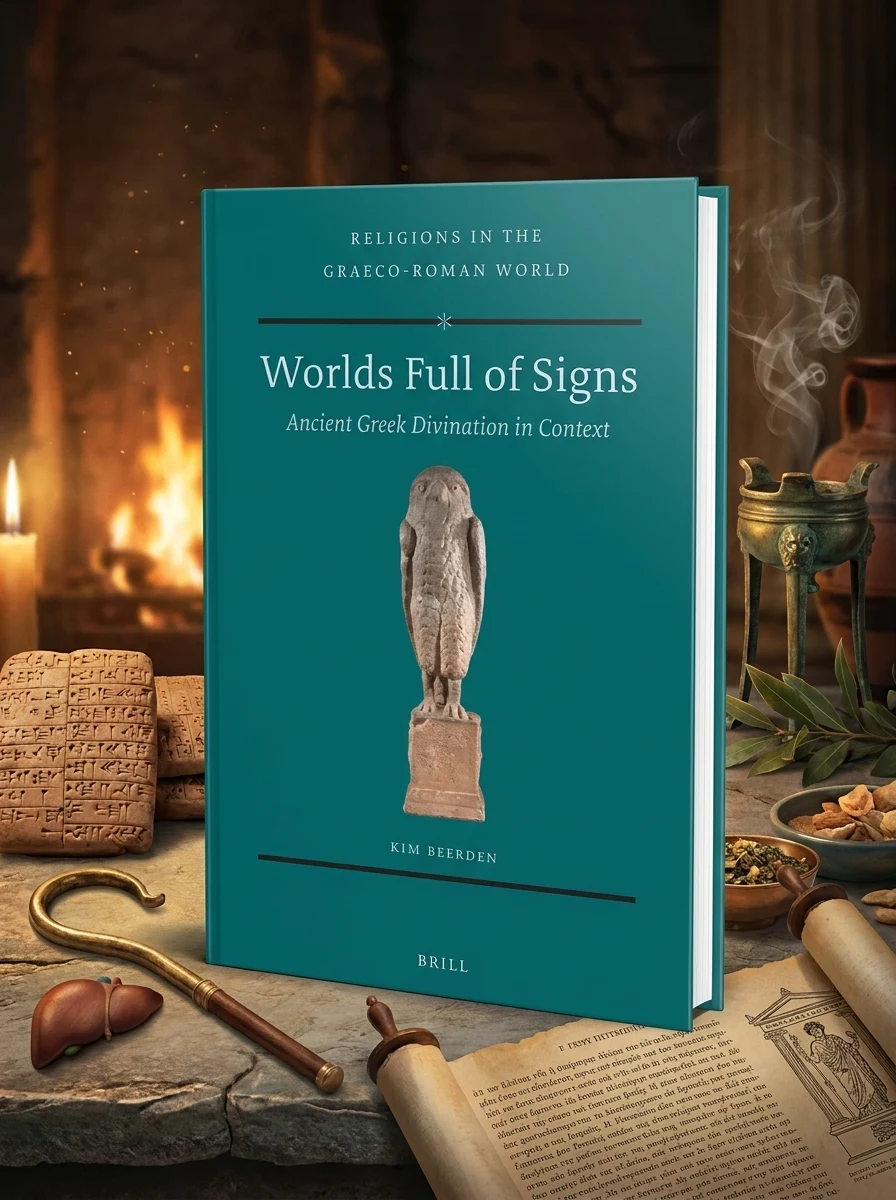


 85
85