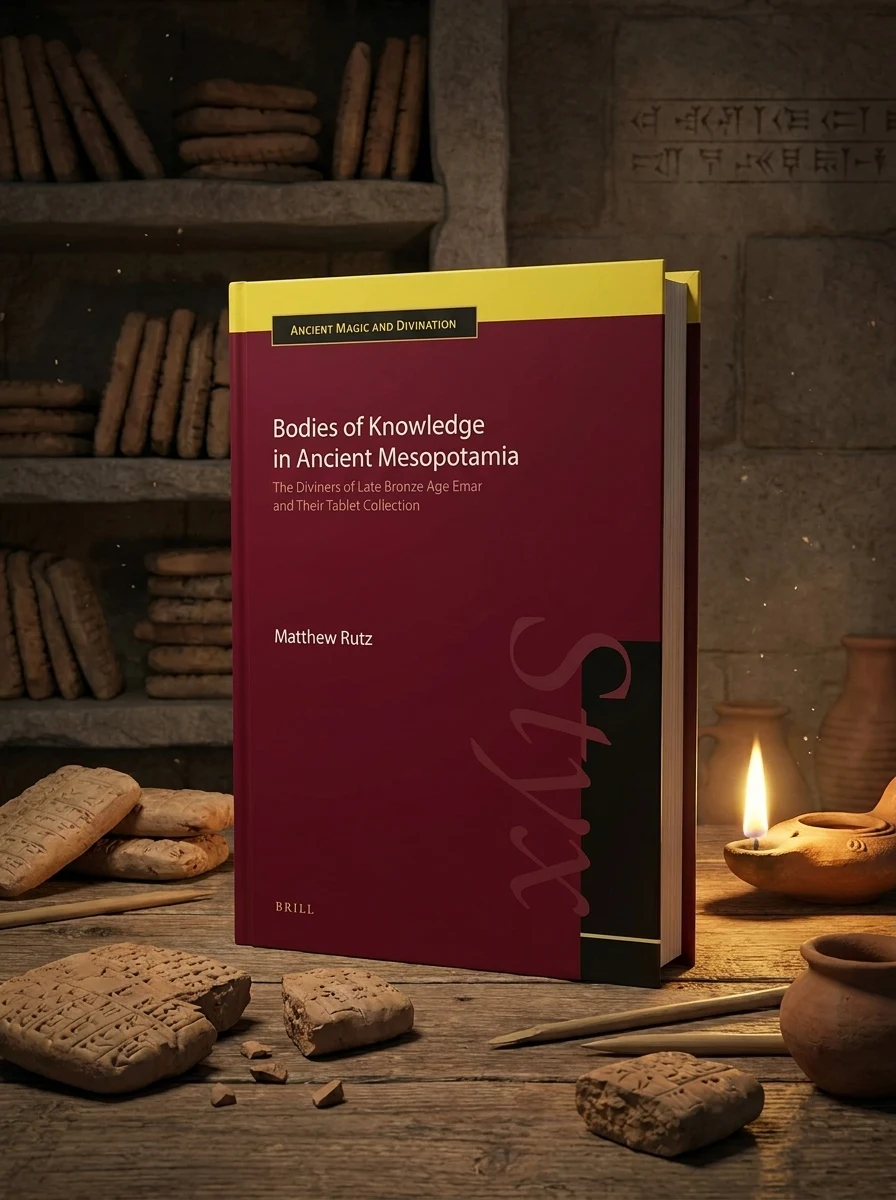
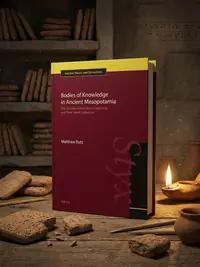
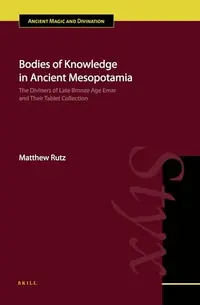
Bodies of Knowledge in Ancient Mesopotamia - Ingram Academic Rutz, Matthew
 88
88
 Editorial score
How we rate
Editorial score
How we rate
Stock reported in the catalog; fulfillment is confirmed with your request.
Unearth how ancient textual archives shaped our very understanding of Mesopotamian seers.
Matthew Rutz delves into the profound interplay between ancient Mesopotamian text collections—what we often term libraries or archives—and our contemporary interpretations of specialized roles, particularly that of the 'diviner.' Through meticulous analysis of cuneiform tablets, this work scrutinizes how the organization and preservation of these ancient documents intrinsically influence how modern scholars define and categorize specific professions. It challenges readers to reconsider the origins of our conceptual frameworks for ancient expertise, revealing the subtle biases embedded in our historical reconstructions of knowledge systems and their practitioners from millennia past.
This scholarly work situates itself within the rigorous academic study of ancient Mesopotamian civilization, specifically examining the intersection of textual archives and professional identity formation in antiquity. It bridges the gap between primary cuneiform evidence and modern historiographical frameworks regarding esoteric knowledge systems.


📝 Description: Bodies of Knowledge in Ancient Mesopotamia - Ingram Academic Rutz, Matthew
💎 Expert review
📖 Why choose it
Why this book is worth reading
This book is an essential read for scholars and enthusiasts deeply invested in the historiography of ancient Near Eastern religions and the sociology of knowledge. It offers a refreshing, critical lens through which to view the construction of professional identities, such as that of the diviner, by exposing how modern categorizations are often artifacts of archive organization rather than inherent historical realities. Readers who enjoy deconstructing established narratives and understanding the biases embedded in our reconstruction of ancient expertise will find this analysis both illuminating and intellectually stimulating. It serves as a vital corrective for those seeking to understand not just what was known, but how the preservation of that knowledge shapes our current perception of it.
⭐ Reader reviews
Reader rating
Matthew Rutz provides a meticulous, albeit dense, examination of how Mesopotamian textual archives influence modern definitions of seers and diviners. While the analysis of cuneiform tablets is rigorous and insightful for specialists in Assyriology or religious studies, this volume is decidedly not suited for casual readers of occult history or those seeking practical divinatory guidance. It requires a strong academic background to navigate its complex arguments regarding historiographical bias. Those looking for accessible narratives or direct connections to modern esoteric practices will likely find the focus on archival organization and professional categorization too abstract and dry.
❓ Frequently asked questions
📖 Who should read this
If you are fascinated by the intellectual history of the ancient Near East, the philosophy of knowledge, or the rigorous study of ancient divination, this book offers a compelling and essential read. It’s perfect for serious students and scholars seeking to deepen their understanding of Mesopotamian thought.
🎯 Key themes and symbolism
Ancient Knowledge Systems
The book meticulously explores how knowledge was collected, organized, and preserved in ancient Mesopotamia. It moves beyond simply identifying 'libraries' to examine the underlying principles and practicalities that governed the arrangement of cuneiform tablets, demonstrating how these systems were foundational to the dissemination and interpretation of information in their time.
Defining the Diviner
Rutz scrutinizes the modern academic understanding of titles like 'diviner,' showing how our current definitions are deeply influenced by the textual contexts in which these figures appear. It prompts a re-evaluation of how ancient professional identities were constructed and perceived, offering a nuanced perspective that moves beyond simplistic categorizations.
Historiography & Interpretation
This work critically examines the methodologies and assumptions inherent in modern scholarship when reconstructing ancient cultures. It highlights how the act of interpreting fragmented textual evidence, particularly collections of cuneiform, shapes our narratives about Mesopotamian society, knowledge, and the roles within it, encouraging a more reflective approach to historical study.
💬 Quotes from the book
“The very act of organizing knowledge, whether by ancient scribes or modern archivists, inherently frames the narratives we construct about 'expertise' in past civilizations.”
“Our modern categories for ancient professions, such as 'diviner,' are often less reflections of singular historical realities and more products of the textual silos we have inherited and interpreted.”
📜 Historical context
📚 Glossary
- Cuneiform
- Mesopotamia
- Diviner
📔 Questions to reflect on
- How might our modern archival practices influence future interpretations of today's specialized professions, particularly those on the fringes of accepted science?
- Consider how the absence or presence of specific texts in ancient collections might have skewed our understanding of Mesopotamian daily life, ritual, or esoteric practices.
- Reflect on the power of naming: how does a title like 'diviner' both clarify and obscure the actual duties and status of an ancient practitioner in your own historical understanding?
🏛 Books from this publisher Brill
All books from this publisher →
You might also like
See more →
 85
85