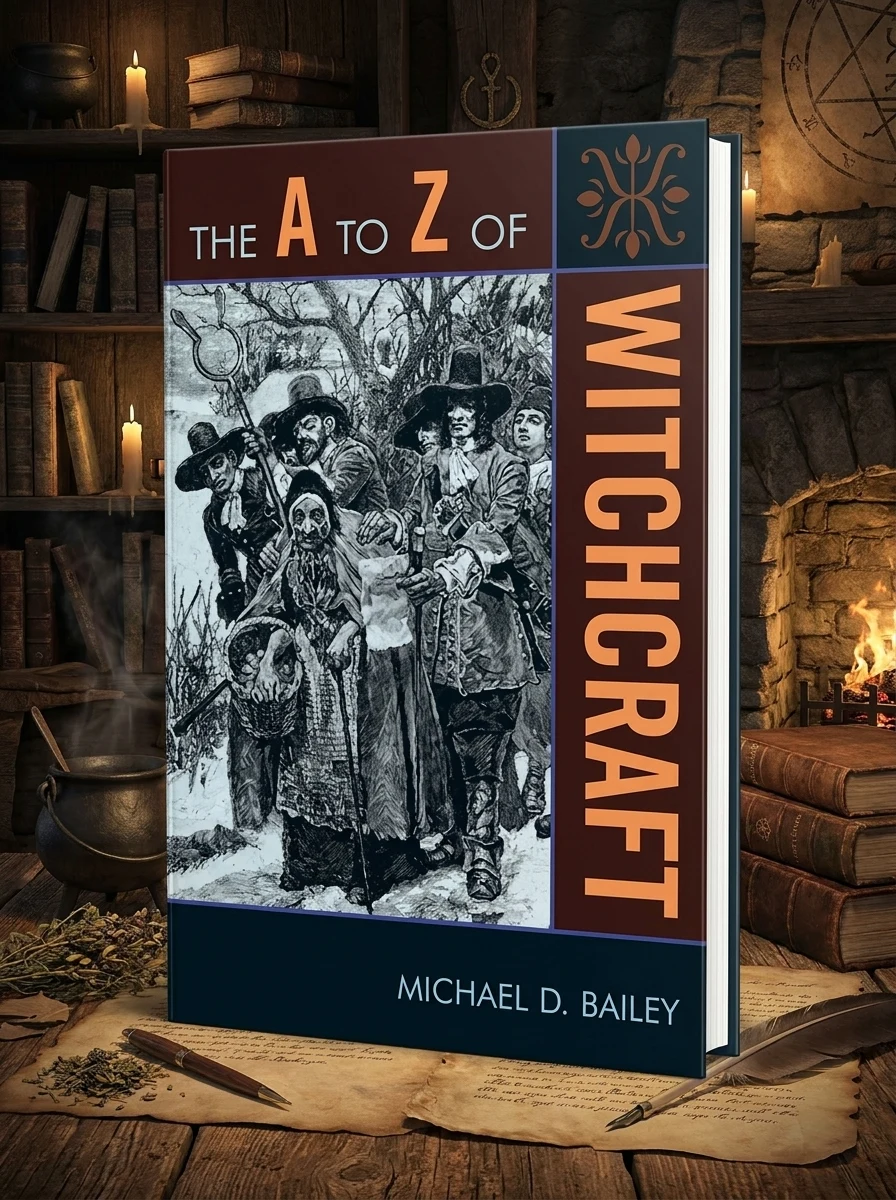
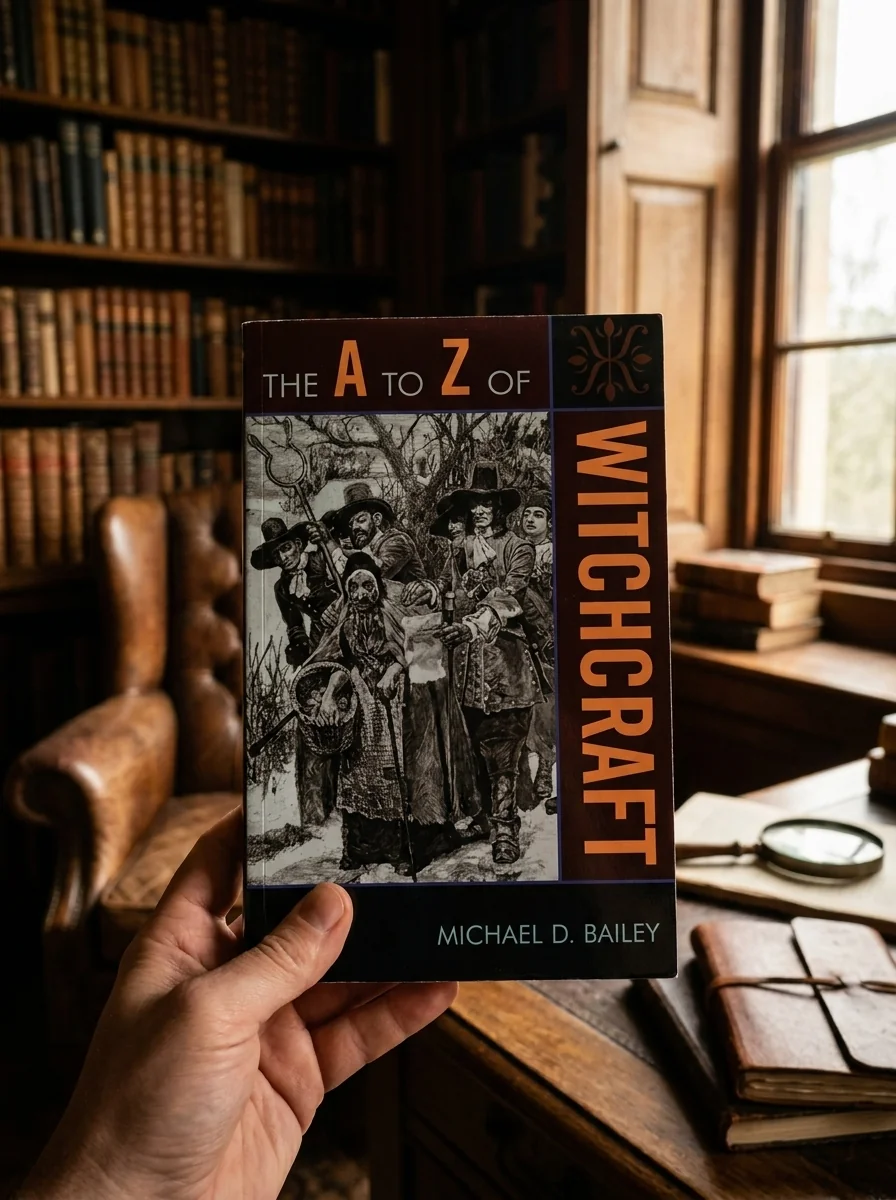
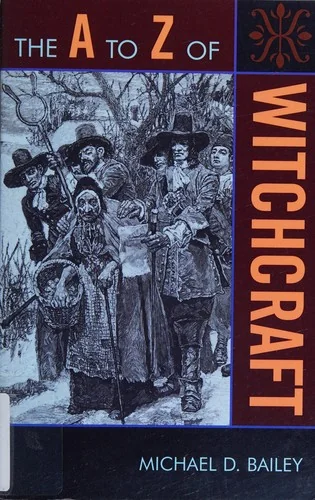
A to Z of Witchcraft Bailey, Michael D
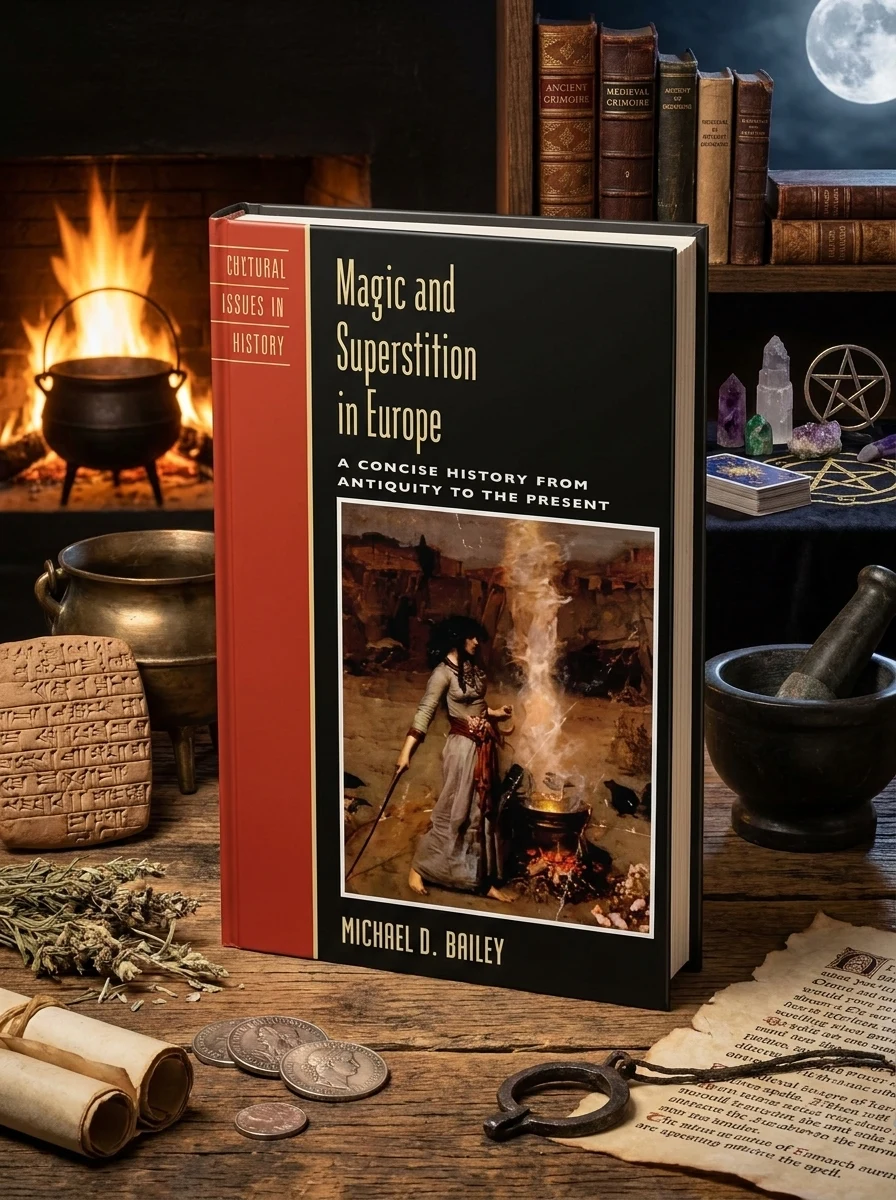
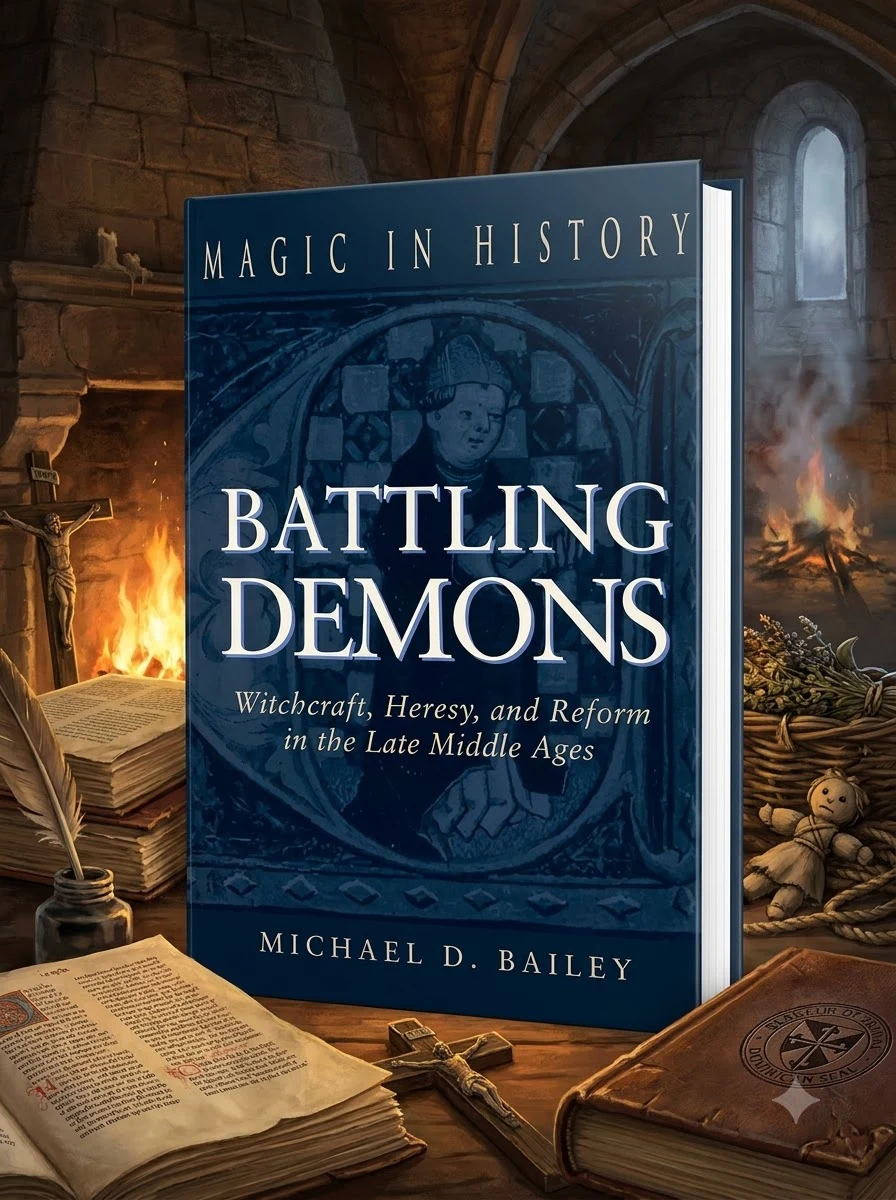
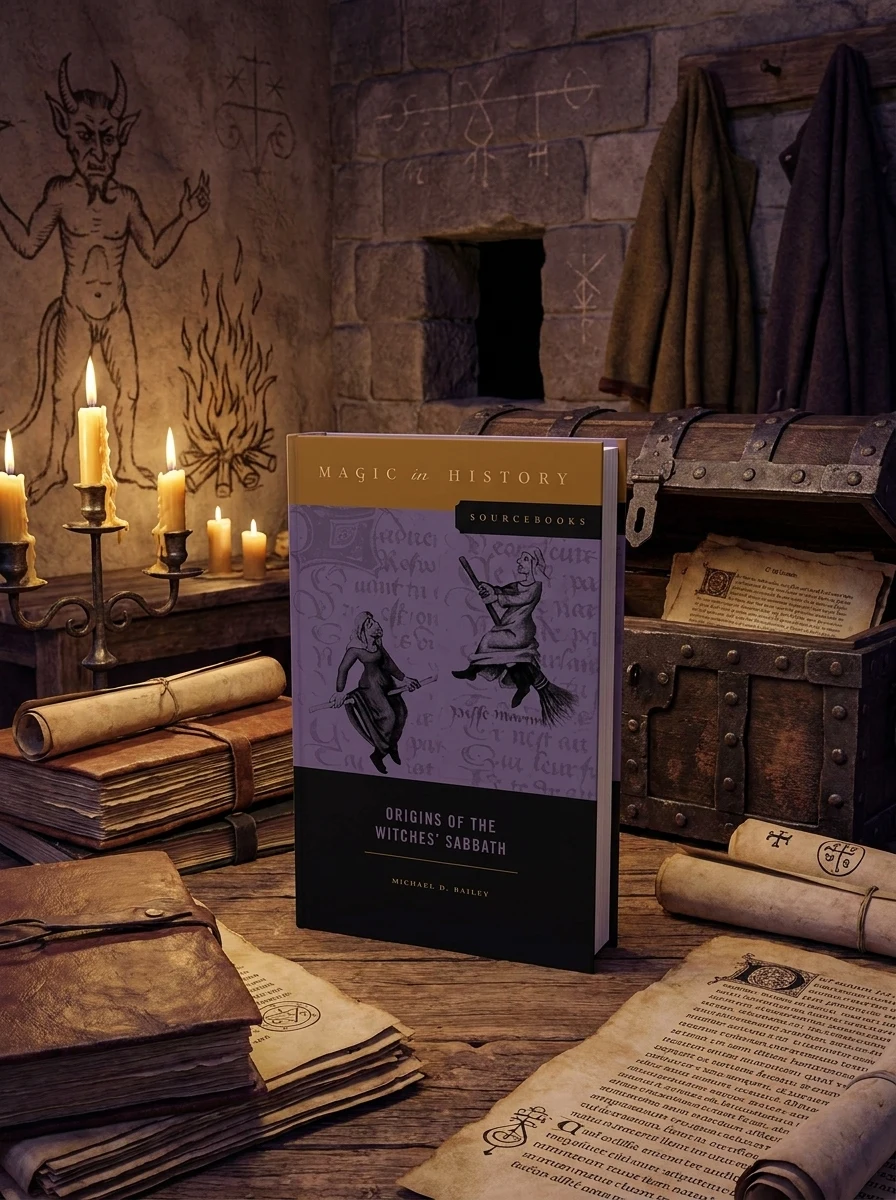
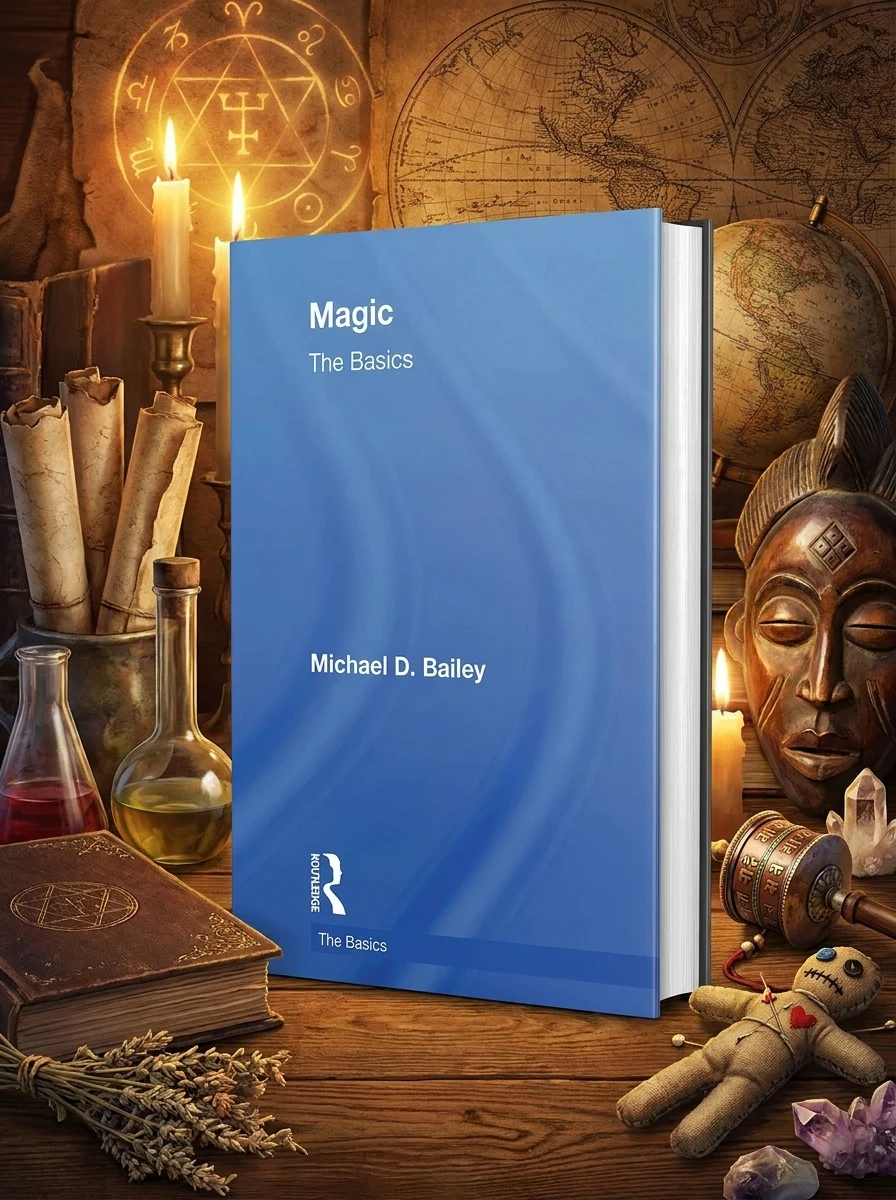
✍️ Bailey, Michael DDelve into the factual evolution of witchcraft with this authoritative guide. Michael D. Bailey meticulously untangles the distorted narratives surrounding historical and modern practices, offering a dependable resource for both scholars and curious readers. It meticulously charts the development of "diabolical witchcraft" in late-medieval and early modern Western Europe, including the infamous witch-hunts. The volume also traces magical traditions from classical antiquity through the Christian era, extending to the rise of contemporary Wicca, and even includes global perspectives for comparative study.


📝 Description: A to Z of Witchcraft Bailey, Michael D
💎 Expert review
📖 Why choose it
Why this book is worth reading
Scholars and serious practitioners seeking to separate historical fact from modern myth will find immense value in Bailey’s meticulous research. By untangling distorted narratives surrounding the infamous witch-hunts and tracing magical traditions from antiquity to contemporary Wicca, this book provides a dependable foundation for understanding the complex development of diabolical witchcraft in late-medieval Europe. It is essential reading for those who demand accuracy over sensationalism, offering global comparative perspectives that enrich one’s grasp of the subject without relying on exaggeration or romanticized fiction.
⭐ Reader reviews
Reader rating
Bailey delivers an authoritative, fact-based guide that strips away the layers of exaggeration often clouding the study of witchcraft. While it excels as a resource for scholars and curious readers wanting a clear, chronological account of historical practices, it is not suited for those seeking practical spellcasting instructions or emotional comfort in ritual magic. The text is dense with historical analysis rather than engaging storytelling, which may frustrate casual readers looking for entertainment. However, for anyone committed to intellectual rigor and factual evolution over myth, this work stands as an indispensable, albeit dry, reference tool.
❓ Frequently asked questions
📖 Who should read this
If you seek a clear, scholarly understanding of witchcraft's complex history, untainted by popular fiction or New Age idealism, this volume is essential. It's perfect for students, researchers, and anyone eager to separate fact from folklore in Western esotericism.
🎯 Key themes and symbolism
Unmasking Historical Truths
This reference work critically examines prevalent misconceptions about witchcraft's past, providing a fact-based account that rectifies common inaccuracies. It distinguishes rigorously researched historical data from sensationalized or romanticized interpretations, particularly regarding the purported lineage between ancient practices and modern traditions.
Evolution of Western Witchcraft
The dictionary offers a deep dive into the historical progression of witchcraft belief, concentrating on its emergence and transformation in Western Europe. It highlights the pivotal late-medieval and early modern eras when the concept of malevolent, diabolical witchcraft took hold, leading to significant societal upheavals and persecutions.
Wicca and Its Lineage
Modern pagan traditions, specifically Wicca, are carefully contextualized within the broader historical narrative. The book explores the actual connections and divergences between contemporary magical practices and their historical antecedents, dispelling myths about direct, unbroken lines of descent and clarifying their independent development.
📜 Historical context
📚 Glossary
- Diabolical Witchcraft
- Great Witch-Hunts
- Neo-Paganism
📔 Questions to reflect on
- How might a deeper understanding of historical witchcraft accusations change your perception of modern spiritual practices that draw from "ancient" traditions?
- Reflect on how societal anxieties in your own time might influence beliefs or narratives about unseen forces or marginalized groups, similar to historical witch-hunts.
- Considering the book's emphasis on accurate historical context, what other areas of occult or esoteric study do you think are most prone to misinterpretation or romanticization?