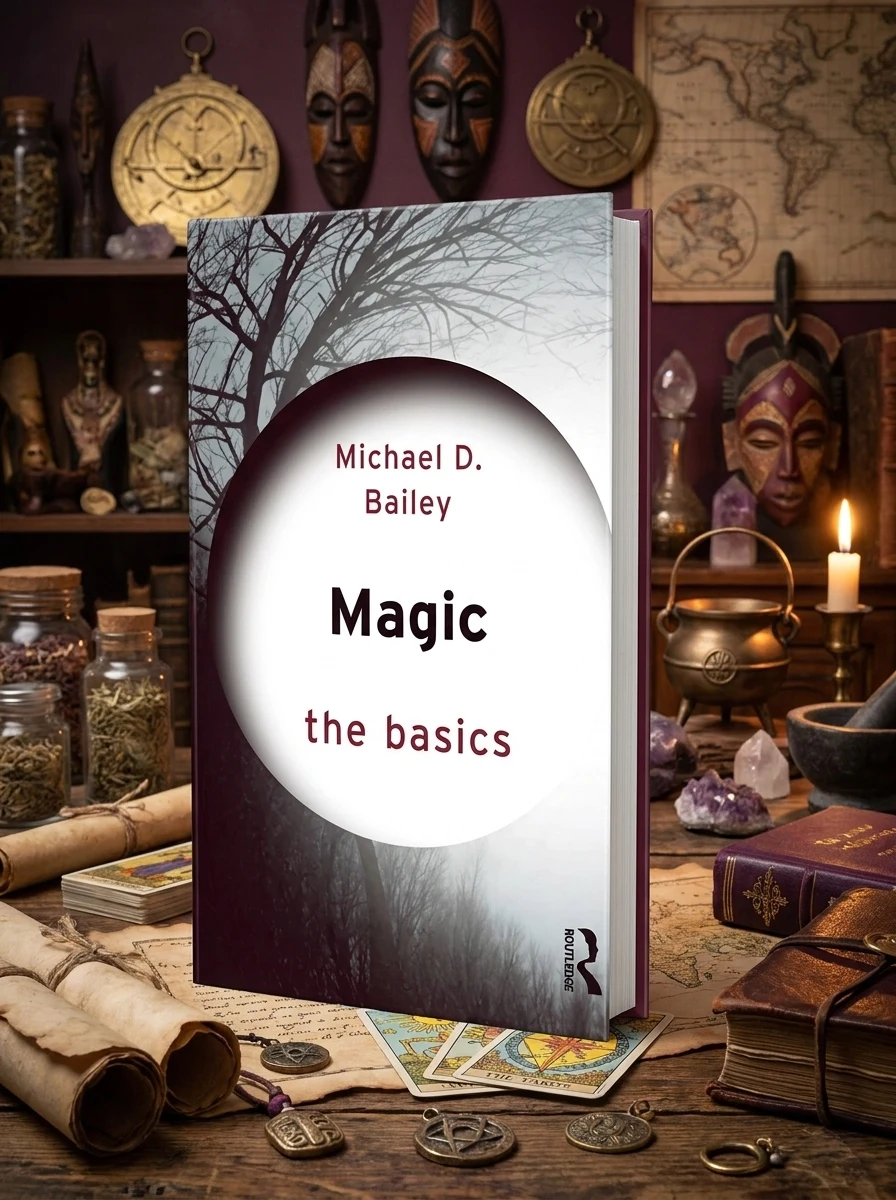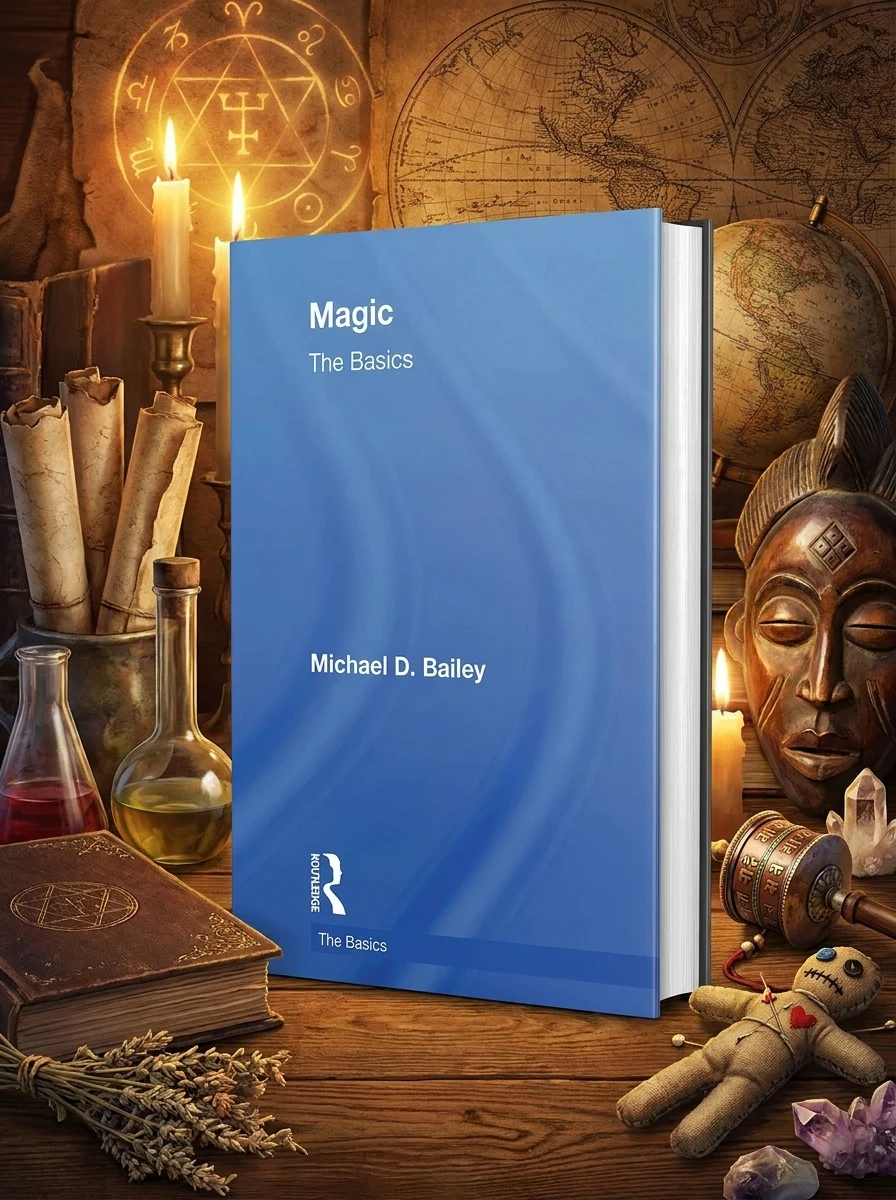

Magic: The Basics Bailey, Michael D
✍️ Bailey, Michael DMichael D. Bailey offers a refreshingly direct and engaging examination of magic, presenting it not as an isolated curiosity but as a pervasive global force. This essential introduction navigates magic's manifestations across diverse cultures and historical eras, from ancient rituals to contemporary practices. Adopting a thematic structure, the book skillfully dissects the intricate social, cultural, and historical dimensions of magical beliefs, providing a comprehensive overview for anyone seeking to understand this enduring human phenomenon. It's a foundational text for exploring magic's multifaceted roles in society.


📝 Description: Magic: The Basics Bailey, Michael D
📑 What's inside
- Acknowledgements
- Introduction: A Magical World
- Chapter 1: The Meanings of Magic
- Chapter 2: Magical Acts
- Chapter 3: Magic Contested and Condemned
- Chapter 4: Magical Identities
- Chapter 5: The Reality of Magic
- Chapter 6: Magic in the Modern World
- Glossary
- Further Reading
💎 Expert review
📖 Why choose it
Why this book is worth reading
This book is an essential resource for anyone seeking to understand magic not as a niche curiosity, but as a pervasive global force woven through human history. Bailey offers a refreshingly direct examination that dissects the intricate social, cultural, and historical dimensions of magical beliefs across diverse cultures and eras. Whether you are a student of history, a practitioner looking for context, or simply a curious mind, this thematic overview provides a comprehensive foundation. It skillfully connects ancient rituals to contemporary practices, making it an ideal entry point for demystifying the enduring phenomenon of magic in society.
⭐ Reader reviews
Reader rating
Bailey delivers a rigorous yet accessible survey that maps magic’s trajectory through global history and society. Its strength lies in its thematic dissection of magical beliefs, offering clarity where others might offer obscurity. However, it is strictly an overview; readers seeking detailed grimoires, step-by-step ceremonial instructions, or specific ritual workings will find little practical utility here. It is not for those who view magic solely as a technical craft devoid of historical or social weight. Instead, it is for the intellectual explorer who wishes to grasp the 'why' behind the practice, serving as a scholarly primer rather than a manual for immediate application.
❓ Frequently asked questions
📖 Who should read this
If you're curious about magic's pervasive influence across civilizations, or seeking an accessible, scholarly entry point into its academic study, this book offers a clear, insightful journey. It's perfect for students of comparative religion, anthropology, or anyone with a broad interest in occult history.
🎯 Key themes and symbolism
Global Manifestations of Magic
This book transcends Eurocentric perspectives, showcasing how magic has appeared in myriad forms across every human culture. It highlights magic's universal presence, demonstrating its deep roots in diverse societies and belief systems, offering a truly global understanding rather than focusing on specific, isolated traditions.
Historical Evolution
Readers will trace the development of magical thought and practice throughout history. From its earliest recorded appearances to its shifting roles in contemporary societies, the book provides a rich historical tapestry, illustrating how magic has adapted, evolved, and persisted across different epochs and civilizations.
Societal and Cultural Impact
Delving into the profound ways magic interacts with human communities, this work explores its social functions, cultural significance, and how it shapes identities. It examines magic not as an anomaly, but as an integral component of social structures, communal rituals, and individual worldviews in various cultural contexts.
📜 Historical context
📚 Glossary
- Magick Studies
- Anthropology
- Comparative Religion
📔 Questions to reflect on
- Consider a contemporary cultural practice that might be perceived as 'magic' by an outsider. How does its cultural context define its meaning and function?
- Reflect on how a society's understanding of 'magic' might reflect its broader scientific, religious, or philosophical worldview. Provide a historical example.
- In what ways has the concept of magic been both embraced and suppressed throughout history? What societal factors might account for these shifts?