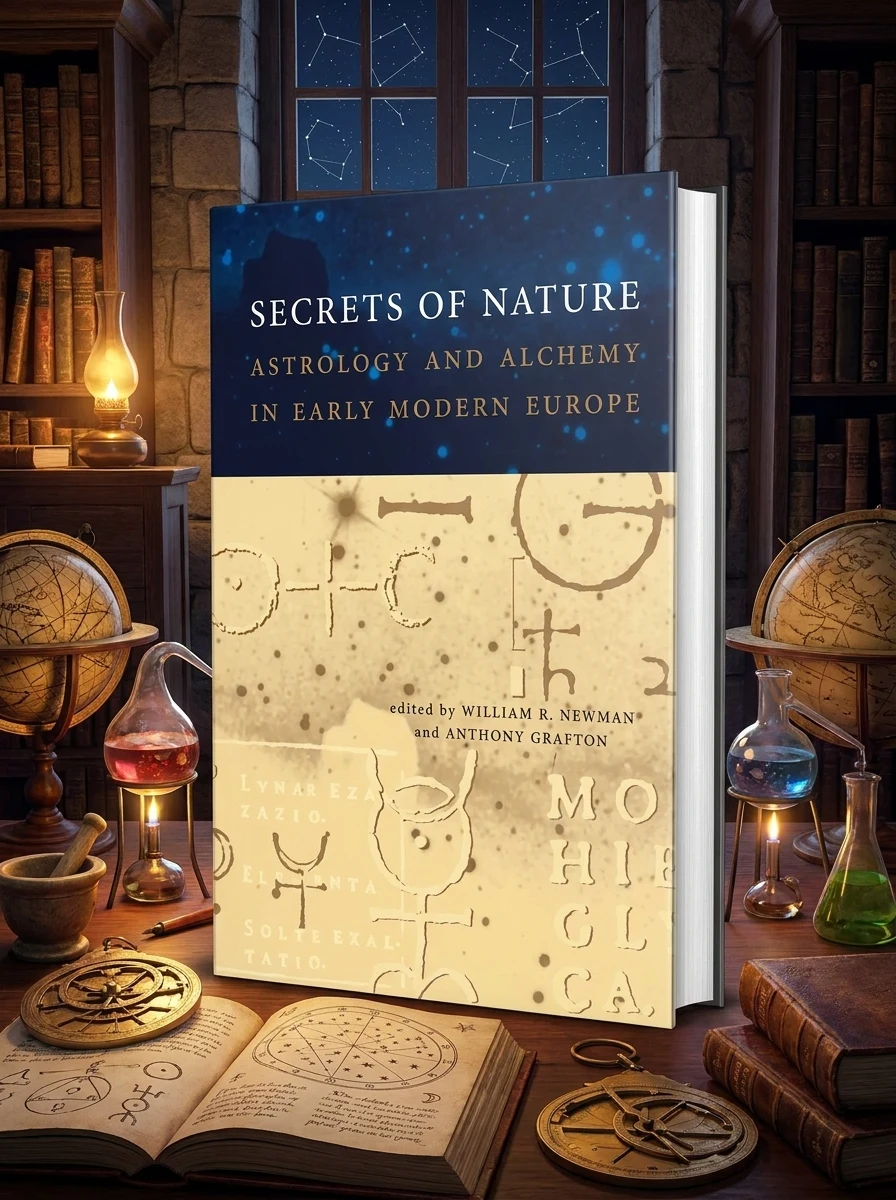
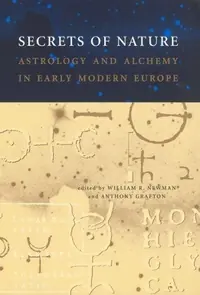
Secrets of Nature: Astrology and Alchemy in Early Modern Europe (Revised) Newman, William R
This edition can be ordered. No arrival date is confirmed.
Uncover how Renaissance Europe fused celestial wisdom with earthly craft, shaping science as we know it.
"Secrets of Nature" profoundly redefines our understanding of early modern European thought, revealing how astrology and alchemy were not fringe beliefs but central pillars of intellectual and practical life. This revised edition dismantles anachronistic views, portraying these "occult sciences" as robust disciplines deeply integrated with natural philosophy and medicine. It meticulously explores the intricate connections and distinctions between celestial divination and the metallurgical arts, demonstrating their societal acceptance and institutional support. This lens illuminates how these practices provided essential frameworks for solving complex problems, offering a fresh perspective on historical scientific development.
This work situates astrology and alchemy within the intellectual landscape of Early Modern Europe, challenging modern misconceptions about their role in the development of natural philosophy and science.


📝 Description: Secrets of Nature: Astrology and Alchemy in Early Modern Europe (Revised) Newman, William R
💎 Expert review
📖 Why choose it
Why this book is worth reading
Readers fascinated by the hidden architecture of historical science will find this book indispensable. It offers a profound redefinition of how Renaissance Europe fused celestial wisdom with earthly craft, revealing that astrology and alchemy were not fringe beliefs but central pillars of intellectual life. By dismantling anachronistic views, it demonstrates how these practices provided essential frameworks for solving complex problems in medicine and natural philosophy. If you seek to understand the robust disciplines that shaped early modern thought and their societal acceptance, this text provides a fresh, meticulously explored perspective on the origins of our scientific understanding.
⭐ Reader reviews
Reader rating
This revised edition offers a rigorous academic dismantling of anachronistic views, portraying occult sciences as robust disciplines integrated with natural philosophy. It is essential for scholars and serious historians interested in the intricate connections between celestial divination and metallurgical arts. However, readers seeking quick, accessible summaries or those who view these topics merely as mystical curiosities will likely find it too dense. It does not suit casual hobbyists looking for practical alchemical recipes or simple astrological advice. The text demands patience from those unwilling to engage with complex historical arguments about institutional support and societal acceptance of these practices during the early modern period.
❓ Frequently asked questions
📖 Who should read this
If you seek a nuanced understanding of early modern intellectual history or wish to challenge conventional narratives about science and "the occult," this book is essential. It will transform your perspective on Renaissance thought, revealing a world where celestial wisdom and earthly craft intertwined seamlessly.
🎯 Key themes and symbolism
Alchemy's Practical Nature
The book re-evaluates alchemy, moving beyond its 19th-century spiritualized interpretation. It presents alchemy as a practical art, akin to medicine and metallurgy, focused on understanding and manipulating natural processes. This perspective highlights its role as an empirical science, contributing to early modern technological and philosophical advancements.
Astrology-Alchemy Intersections
This book meticulously dissects the complex relationship between celestial prognostication and material transformation. It reveals how astrologers and alchemists often collaborated, using charts for optimal timing in operations, but also explores deeper philosophical links. The text highlights both their symbiotic connections and the distinct ways these two disciplines diverged.
💬 Quotes from the book
“To understand the intellectual landscape of the Renaissance requires shedding the anachronism that relegates astral prognostication to mere superstition.”
“Alchemy, in its early modern context, was less a quest for spiritual purity and more a rigorous engagement with the material world, akin to the physician's study of the body.”
📜 Historical context
📚 Glossary
- Natural Philosophy
- Occult Sciences
- Divination
📔 Questions to reflect on
- How does understanding the historical integration of astrology and alchemy change your perception of the origins of modern science?
- What contemporary beliefs or practices might future historians misinterpret if viewed through today's dominant scientific paradigms?
- Reflect on how societal institutions legitimize or marginalize certain fields of inquiry, both in the past and in the present.
🏛 Books from this publisher MIT Press
All books from this publisher →
You might also like
See more →
 91
91
 91
91
![How to Manifest: Bring Your Goals Into Alignment with the Alchemy of the Universe [A Manifestation Book]](/img/how-to-manifest-bring-your-goals-into-alignment-with-the-alchemy-of-the-universe-a-manifestation-book-scene.webp)