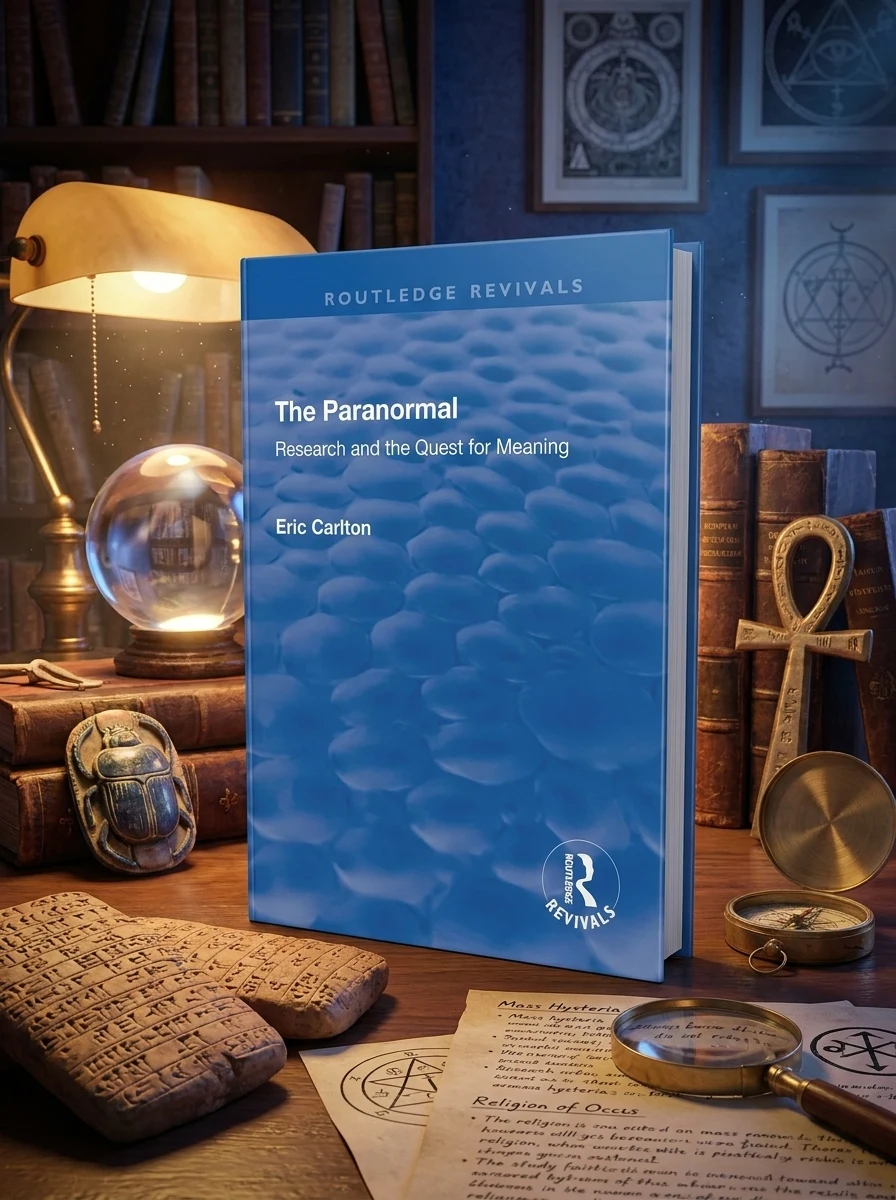
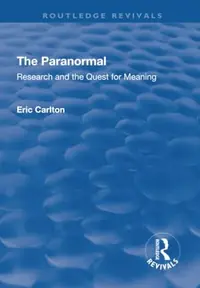
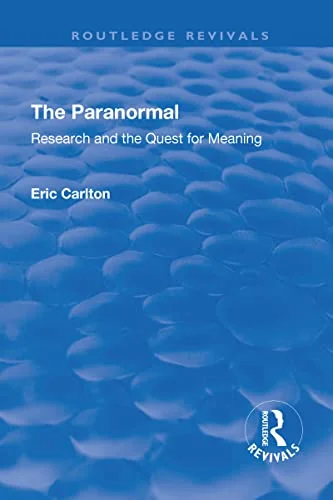
The Paranormal: Research and the Quest for Meaning Carlton, Eric
Carlton, EricThis edition can be ordered. No arrival date is confirmed.
Unravel humanity's enduring quest for meaning through the lens of the paranormal.
Eric Carlton's 2000 scholarly work explores the enduring societal function of inexplicable phenomena, investigating why humanity consistently engages with the paranormal. This insightful study meticulously traces the evolution of related ideas and research from ancient civilizations to modern parapsychology's academic recognition. With a balanced, critical perspective, Carlton examines diverse topics like witchcraft, UFOs, and near-death experiences, using case studies to illuminate theories. He ultimately argues that our engagement with the paranormal serves as a crucial avenue for humanity's deeper search for meaning.
This scholarly work situates itself within the academic study of parapsychology and the history of esoteric thought, bridging ancient spiritual inquiries with modern scientific recognition of inexplicable phenomena.


📝 Description: The Paranormal: Research and the Quest for Meaning Carlton, Eric
💎 Expert review
📖 Why choose it
Why this book is worth reading
Readers fascinated by the intersection of psychology, history, and the unexplained will find profound value in Eric Carlton's meticulous exploration. This book is ideal for those who seek to understand not just what paranormal phenomena are, but why they persist across cultures and centuries. It offers a rigorous, balanced perspective that moves beyond mere sensationalism to examine the deeper societal functions of the inexplicable. If you are interested in how concepts like witchcraft, UFOs, and near-death experiences reflect humanity's universal search for meaning, this text provides essential context. It serves as a vital resource for scholars and curious minds alike who wish to ground their interest in the paranormal within a framework of critical academic inquiry and historical evolution.
⭐ Reader reviews
Reader rating
Carlton delivers a compelling, albeit dense, scholarly analysis that successfully traces the arc of paranormal research from antiquity to contemporary parapsychology. The text excels in its balanced critique of diverse topics such as UFOs and witchcraft, using case studies to illuminate theoretical frameworks regarding humanity's quest for meaning. However, readers seeking quick fixes or sensationalist ghost stories will find little here; this is a serious academic work requiring patience. It does not suit those who prefer unverified anecdotal evidence over critical historical analysis. While the prose can be dry for casual observers, its intellectual rigor makes it an indispensable addition to any serious collection on esoteric history and the sociology of belief.
❓ Frequently asked questions
📖 Who should read this
For seekers intrigued by humanity's enduring fascination with the unexplained, this book offers a rigorous yet accessible exploration. If you ponder the societal impact of belief systems and the intersection of history, psychology, and the esoteric, Carlton's work will profoundly resonate.
🎯 Key themes and symbolism
Societal Function of Paranormal
Carlton probes whether paranormal beliefs stem from mass hysteria, psychological needs, or as alternatives to traditional religion. He investigates the underlying reasons why societies, across millennia, have consistently sought explanations and comfort in experiences beyond conventional understanding, framing it as a cultural and psychological phenomenon.
Historical Evolution of Belief
The book provides a sweeping historical overview, charting humanity's relationship with the inexplicable from ancient Mesopotamia and Egypt through to contemporary thought. It demonstrates how ideas surrounding the paranormal have developed and adapted across different eras, illustrating a persistent human impulse to grapple with the unknown.
Parapsychology's Academic Journey
Carlton meticulously chronicles the progression of paranormal research, highlighting its journey towards academic acceptance within the field of parapsychology. He discusses how systematic study has attempted to bring rigor to subjects often dismissed, assessing the current status and future trajectory of this sometimes-controversial scientific endeavor.
💬 Quotes from the book
“Our persistent engagement with the paranormal is less an indication of its objective reality and more a testament to humanity's inherent need for narrative and meaning in the face of the unknown.”
“From the earliest cave paintings hinting at otherworldly contact to modern reports of UFOs, the human imagination has consistently populated the liminal spaces beyond everyday perception, forging explanations where science remains silent.”
📜 Historical context
📚 Glossary
- Parapsychology
- Mass Hysteria
- Near-Death Experience (NDE)
📔 Questions to reflect on
- How do contemporary discussions of paranormal phenomena (e.g., ghost hunting, psychic mediums) reflect historical patterns of belief and meaning-making discussed by Carlton?
- Considering Carlton's assertion about the "quest for meaning," what personal or societal needs do you observe being fulfilled by engagement with paranormal ideas today?
- If parapsychology achieves full academic recognition, what do you foresee as its greatest potential contributions, and what challenges might it still face in mainstream science?
📖 From the series “Routledge Revivals”
All books in the series →

✍️ More books by this author Carlton, Eric
All books by this author →🏛 Books from this publisher Routledge
All books from this publisher →
 89
89

You might also like
See more →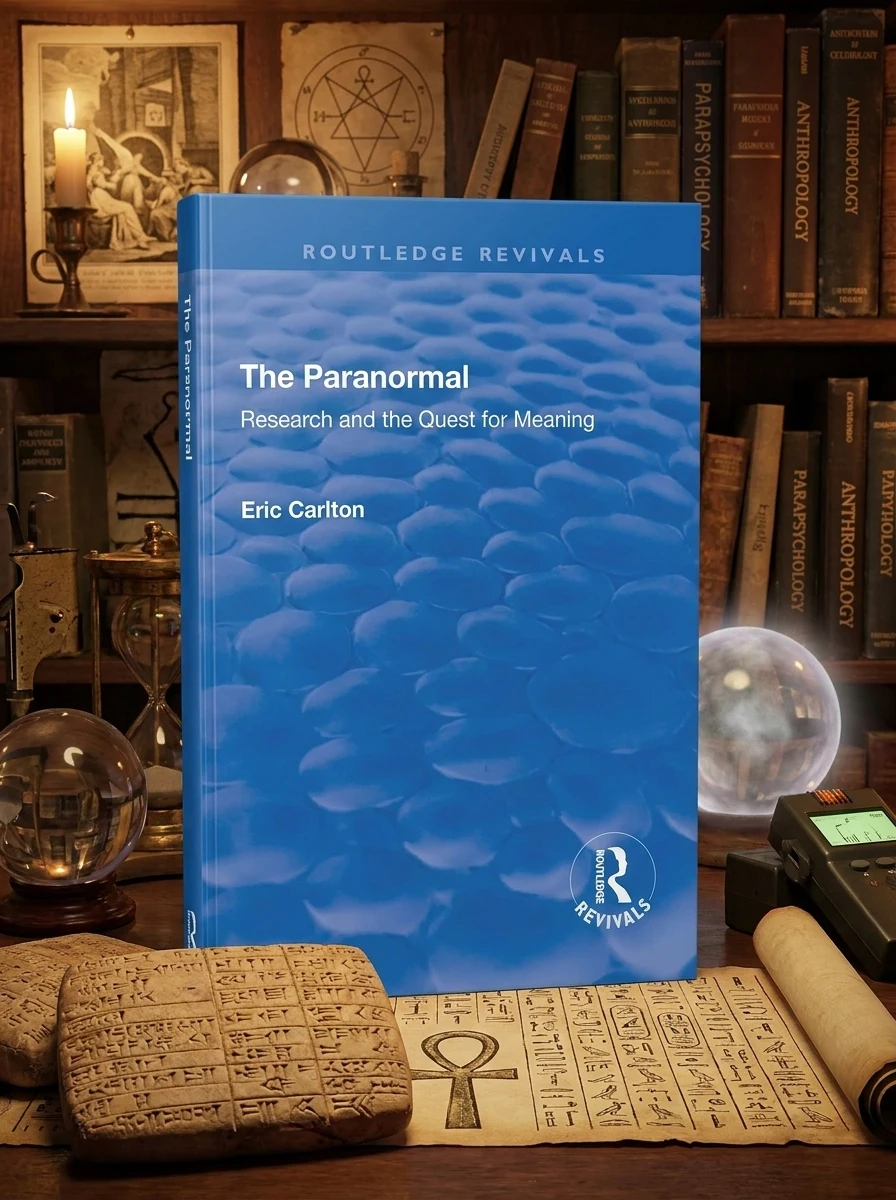
 91
91
 91
91