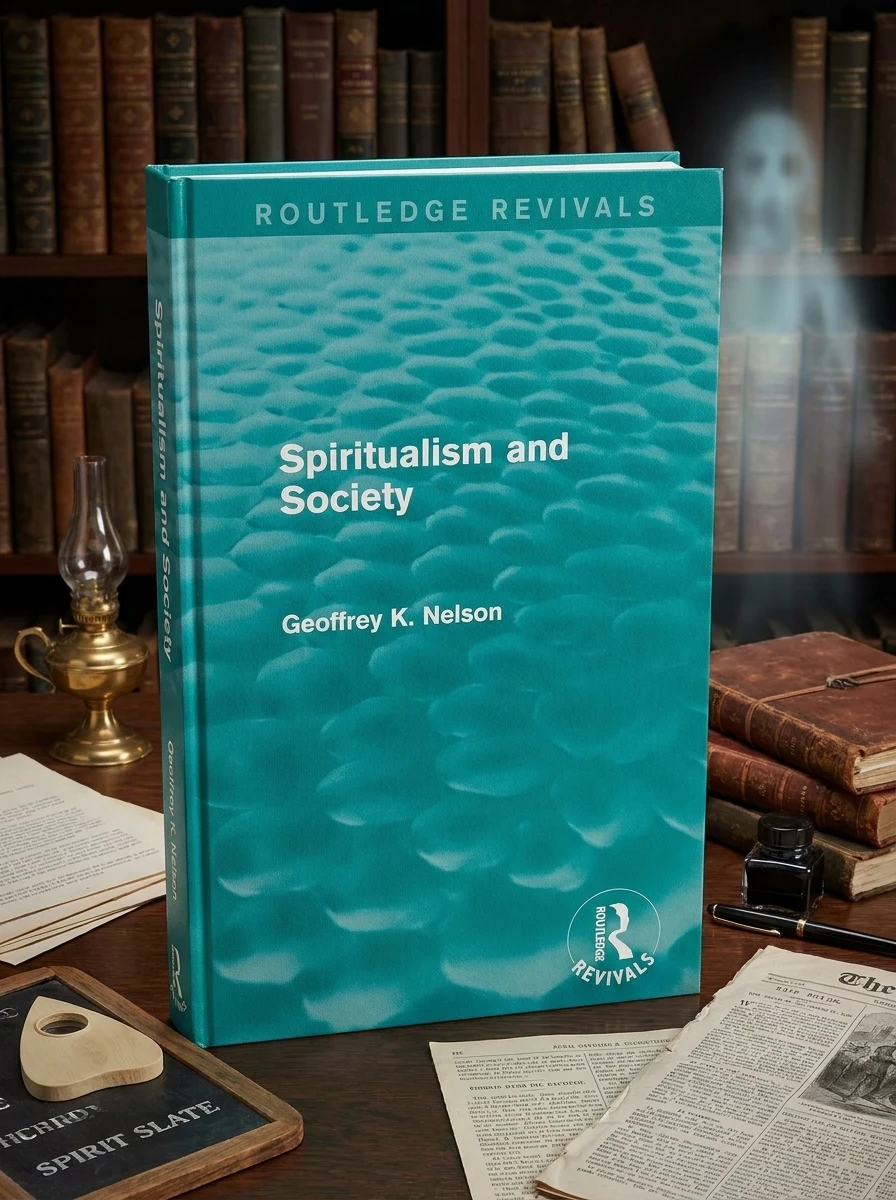
Spiritualism and Society (Routledge Revivals) Nelson, G K
Nelson, G KStock reported in the catalog; fulfillment is confirmed with your request.
Unearth the social currents that birthed communication with the beyond.
First published in 1969, G.K. Nelson's insightful volume meticulously chronicles Spiritualism's formative years. It commences with a deep dive into the movement's American origins and its initial organizational structures. Following this, the narrative shifts to explore Spiritualism's transplantation and growth within Britain, drawing upon period publications, interviews, and historical records. Finally, Nelson applies rigorous sociological theory to dissect the movement, scrutinizing concepts like 'cult' versus 'church' and the crucial dynamics of authority and leadership within its evolving framework. An essential read for understanding this significant religious phenomenon.
This work sits at the intersection of sociological analysis and religious history, specifically examining the institutional development of Spiritualism during its formative years in America and Britain. It belongs to the tradition of academic inquiry into new religious movements, utilizing rigorous theoretical frameworks to understand their social structures.


📝 Description: Spiritualism and Society (Routledge Revivals) Nelson, G K
💎 Expert review
📖 Why choose it
Why this book is worth reading
Scholars and serious students of esoteric history will find immense value in this text for its meticulous documentation of Spiritualism's organizational evolution. By tracing the movement from its American roots to its British transplantation, Nelson provides a rare sociological lens on how such phenomena structure themselves as they grow. Readers interested in the dynamics of authority, leadership, and the delicate boundary between cult and church will gain profound insights into the mechanics of religious institutionalization. This book is essential for anyone seeking to understand not just the spiritual claims of the era, but the robust social currents and theoretical frameworks that sustained them.
⭐ Reader reviews
Reader rating
Nelson’s volume offers a dense, theoretically rigorous examination of Spiritualism’s historical trajectory, making it a valuable resource for academic researchers and sociologists. However, readers expecting a narrative of ghostly encounters or practical mediumship guides will be disappointed by its dry, analytical tone. The text prioritizes structural analysis over personal experience, scrutinizing authority and leadership rather than spiritual phenomena. It is strictly for those with an appetite for sociological theory and historical documentation. Casual enthusiasts of the occult may find the academic detachment and focus on institutional dynamics too removed from the mystical allure typically associated with the subject matter.
❓ Frequently asked questions
📖 Who should read this
If you're drawn to the intersection of belief, society, and the paranormal, or are a student of religious history, this rigorous study offers invaluable insights into a fascinating cultural phenomenon. It's perfect for those seeking an academic, rather than devotional, understanding of Spiritualism.
🎯 Key themes and symbolism
American Spiritualism's Genesis
Nelson meticulously traces the foundational period of Spiritualism in the United States, examining the unique social and cultural conditions that allowed this distinctive religious movement to take root. He explores how early practitioners and their experiences shaped the initial doctrines and organizational forms, setting the stage for its subsequent expansion and formalization.
British Movement's Growth
The book chronicles how Spiritualism crossed the Atlantic, detailing its establishment and development within Great Britain. Nelson leverages a wealth of primary sources, including contemporary journals and interviews, to illustrate the distinct character it adopted in British society, highlighting the influences and adaptations that facilitated its spread among diverse communities there.
Sociological Frameworks Applied
A significant portion of Nelson's work involves analyzing Spiritualism through a sociological lens. He investigates its classification as either a 'cult' or a 'church' in its early stages, exploring the implications of these labels. Furthermore, the book dissects the roles of authority figures and leadership structures, revealing how they shaped the movement's identity and trajectory.
💬 Quotes from the book
“The emergence of Spiritualism in mid-19th century America cannot be understood in isolation from the prevailing social anxieties and evolving religious landscape of the era.”
“Nelson meticulously dissects the organizational structures that distinguished nascent Spiritualist groups, analyzing the dynamics between charismatic leadership and evolving doctrinal tenets.”
📜 Historical context
📚 Glossary
- Spiritualism
- Cult (Sociological)
- Mediumship
📔 Questions to reflect on
- How might the social and cultural anxieties of today foster the rise of new spiritual or philosophical movements, mirroring Spiritualism's origins?
- Consider the historical evolution of a 'cult' into a 'church.' What factors contribute to such a transformation, as outlined by Nelson in the context of Spiritualism?
- Reflect on the role of charismatic figures in the early spread of Spiritualism. How do leaders shape emergent belief systems and what are the enduring effects of their influence?
📖 From the series “Routledge Revivals”
All books in the series →





✍️ More books by this author Nelson, G K
All books by this author →🏛 Books from this publisher Routledge
All books from this publisher →




 89
89


You might also like
See more →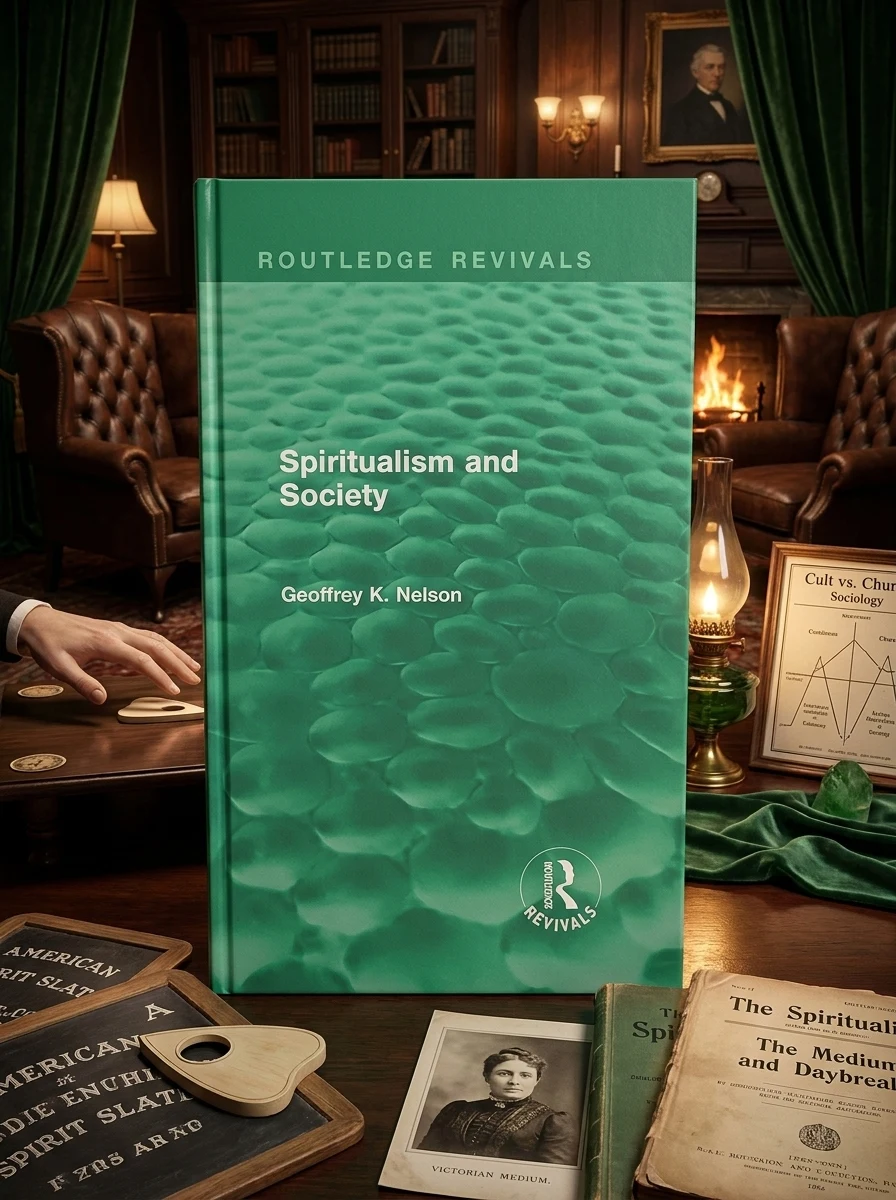
 91
91