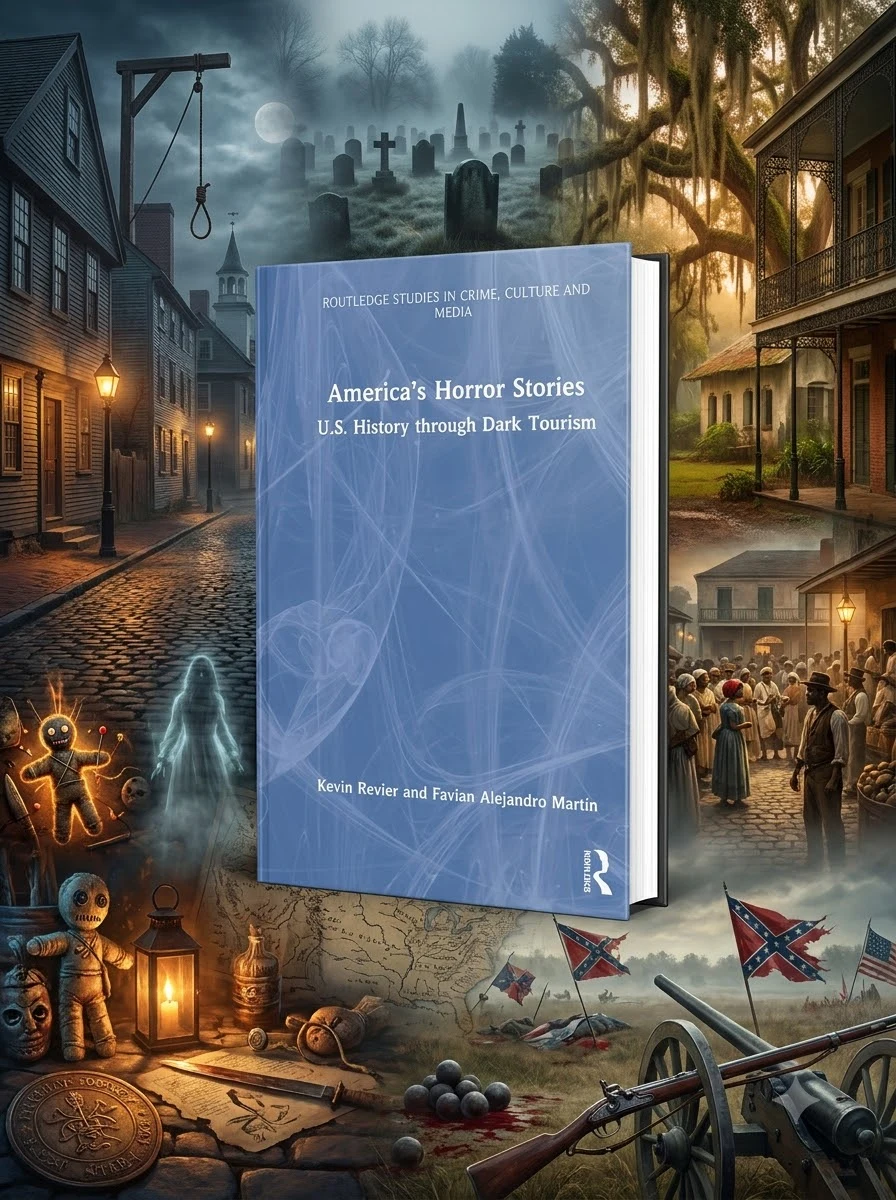
America's Horror Stories: U.S. History Through Dark Tourism Revier, Kevin
Revier, Kevin; , Martín, Favian Alejandro 84
84
 Editorial score
How we rate
Editorial score
How we rate
Stock reported in the catalog; fulfillment is confirmed with your request.
Unearth the spectral truths of America's dark past through its haunted historical sites.
This groundbreaking work explores America's shadowed past by adopting a unique 'ghost tourist' approach. Authors Kevin Revier and Favian Alejandro Martín journey to infamous historical locations—from Salem's witch trials to New Orleans' slave markets and Gettysburg's battlefields—to analyze how spectral narratives are constructed. They meticulously investigate ghost tours, haunted sites, and historical monuments, uncovering how these prevalent forms of dark tourism often distort, sensationalize, or even whitewash the brutal realities of slavery, racism, and colonialism. It's a critical examination of how historical trauma is packaged and consumed.
This work sits at the intersection of critical cultural studies and dark tourism literature, challenging the commodification of historical trauma in contemporary American society.


📝 Description: America's Horror Stories: U.S. History Through Dark Tourism Revier, Kevin
💎 Expert review
📖 Why choose it
Why this book is worth reading
Readers interested in the ethics of memory, the sociology of tourism, and the intersection of history and spectacle will find this text profoundly illuminating. It is ideal for scholars and critical thinkers who question how societies process collective trauma through entertainment. By revealing how dark tourism often sanitizes brutal histories like slavery and colonialism, the book empowers readers to look beyond the sensational facade. It offers a necessary corrective to casual consumption of haunted history, urging a deeper, more uncomfortable engagement with the real human suffering behind the ghost stories. This is essential reading for those who wish to understand the power dynamics embedded in how we remember and visit the past.
⭐ Reader reviews
Reader rating
Revier and Martín provide a rigorous academic critique that may alienate casual tourists seeking mere entertainment. The text demands intellectual stamina, focusing on systemic distortion rather than spooky anecdotes. It is not suited for readers looking for a lighthearted guide to haunted locations or those who prefer unexamined historical narratives. However, for those willing to confront the uncomfortable reality of how trauma is packaged, it offers a vital, scholarly perspective that dismantles the comforting myths sold by popular ghost tours.
❓ Frequently asked questions
📖 Who should read this
If you question how history is presented, especially its darker chapters, or if you're fascinated by the intersection of the supernatural and social commentary, this book is for you. It offers a vital, critical perspective on how we remember—and misremember—America's past.
🎯 Key themes and symbolism
Dark Tourism's Distorted Lens
The book scrutinizes how commercialized ghost tours and haunted attractions package historical suffering. It reveals how these sites often prioritize sensationalism over accuracy, blurring the lines between genuine historical reflection and entertainment, particularly concerning the painful legacies of slavery and racial injustice in the United States.
Whitewashing Historical Atrocities
Revier and Martín expose how many popular ghost narratives inadvertently—or deliberately—downplay or omit the systemic horrors of slavery and racism. They demonstrate how spectral tales of Confederate soldiers or generic 'American citizens' can overshadow the voices and experiences of enslaved people, effectively sanitizing a brutal past.
Ghosts of Systemic Injustice
Beyond mere hauntings, this study delves into the 'ghosts' that persist in the American psyche—the unaddressed legacies of racial violence and oppression. It argues that the spirits conjured by dark tourism often serve to obscure, rather than illuminate, the profound and ongoing impact of historical injustices on contemporary society.
💬 Quotes from the book
“The 'ghosts' conjured by these tours are rarely just spectral presences; they are carefully constructed narratives, often designed to entertain rather than truly educate or confront difficult truths.”
“To sensationalize a lynching or romanticize a slave owner's 'regrets' is not just poor history; it's a further erasure of the victims' humanity and agency.”
📜 Historical context
📚 Glossary
- Dark Tourism
- Ghost Tour(ist) Methodology
- Historical Whitewashing
📔 Questions to reflect on
- Consider a historical site you've visited that deals with tragedy. How did its presentation impact your understanding of the events, and did it feel authentic?
- In what ways might the pursuit of entertainment or profit inadvertently distort our collective memory of past injustices?
- If 'ghosts' represent unaddressed traumas, what 'ghosts' do you believe still haunt American society today, and how might we acknowledge them more effectively?
📖 From the series “Routledge Studies in Crime, Culture and Media”
All books in the series →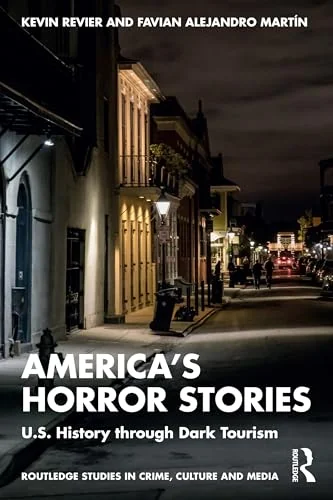
✍️ More books by this author Revier, Kevin; , Martín, Favian Alejandro
All books by this author →🏛 Books from this publisher Routledge
All books from this publisher →



 89
89


You might also like
See more →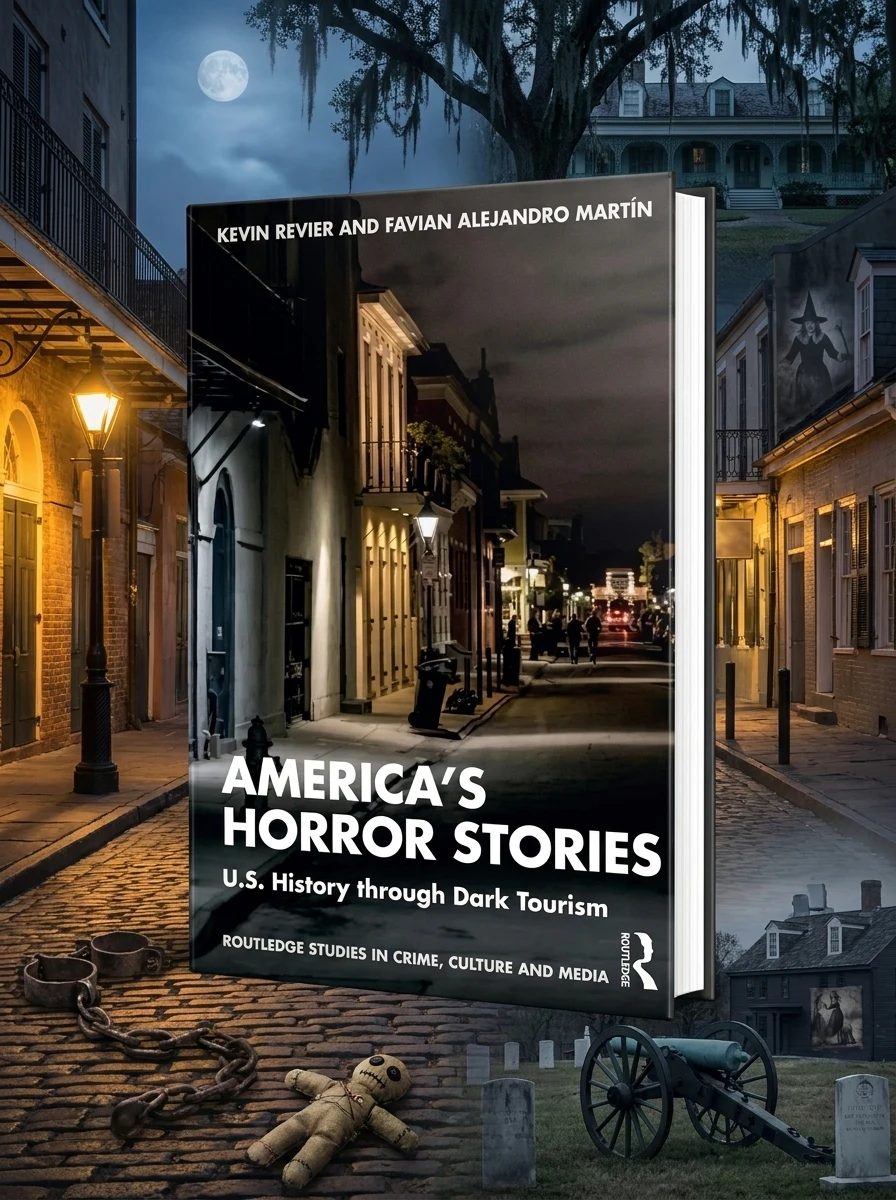
 91
91
 91
91


 90
90
 90
90