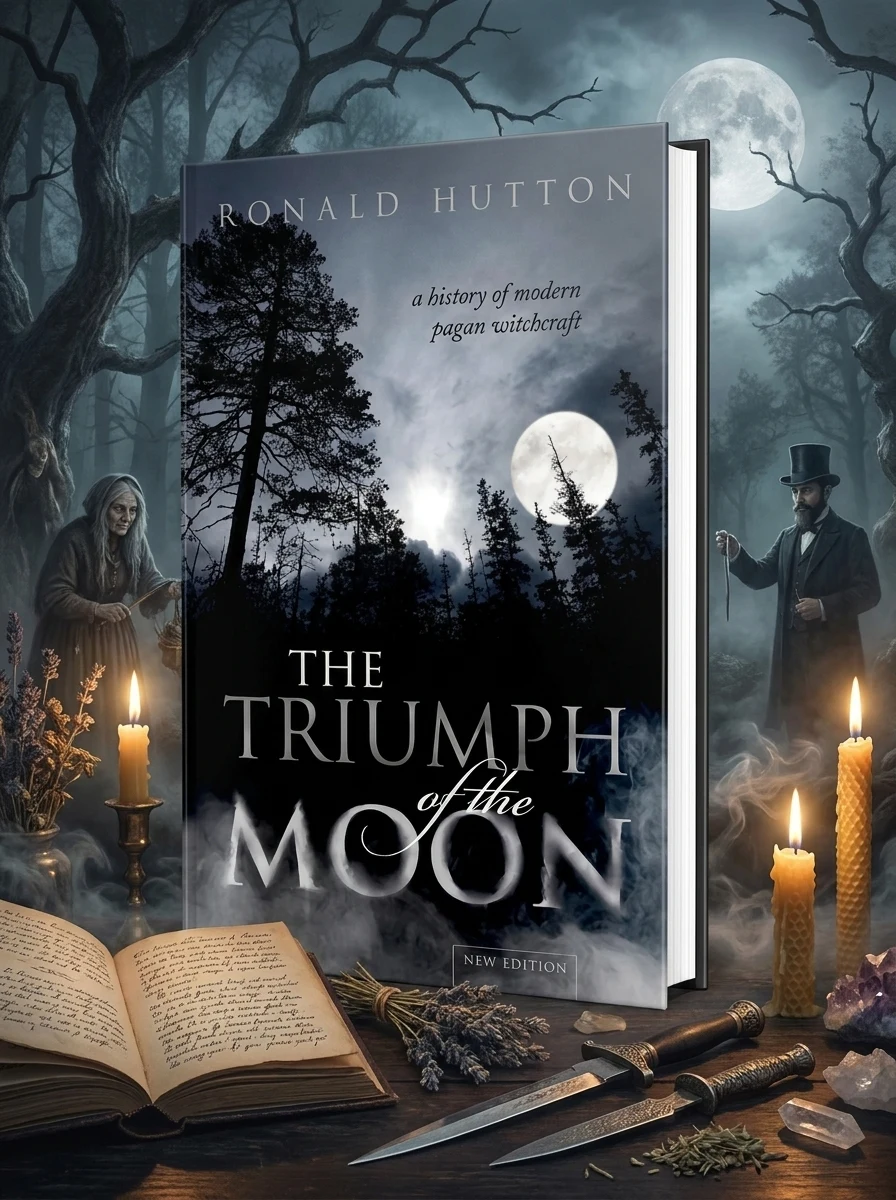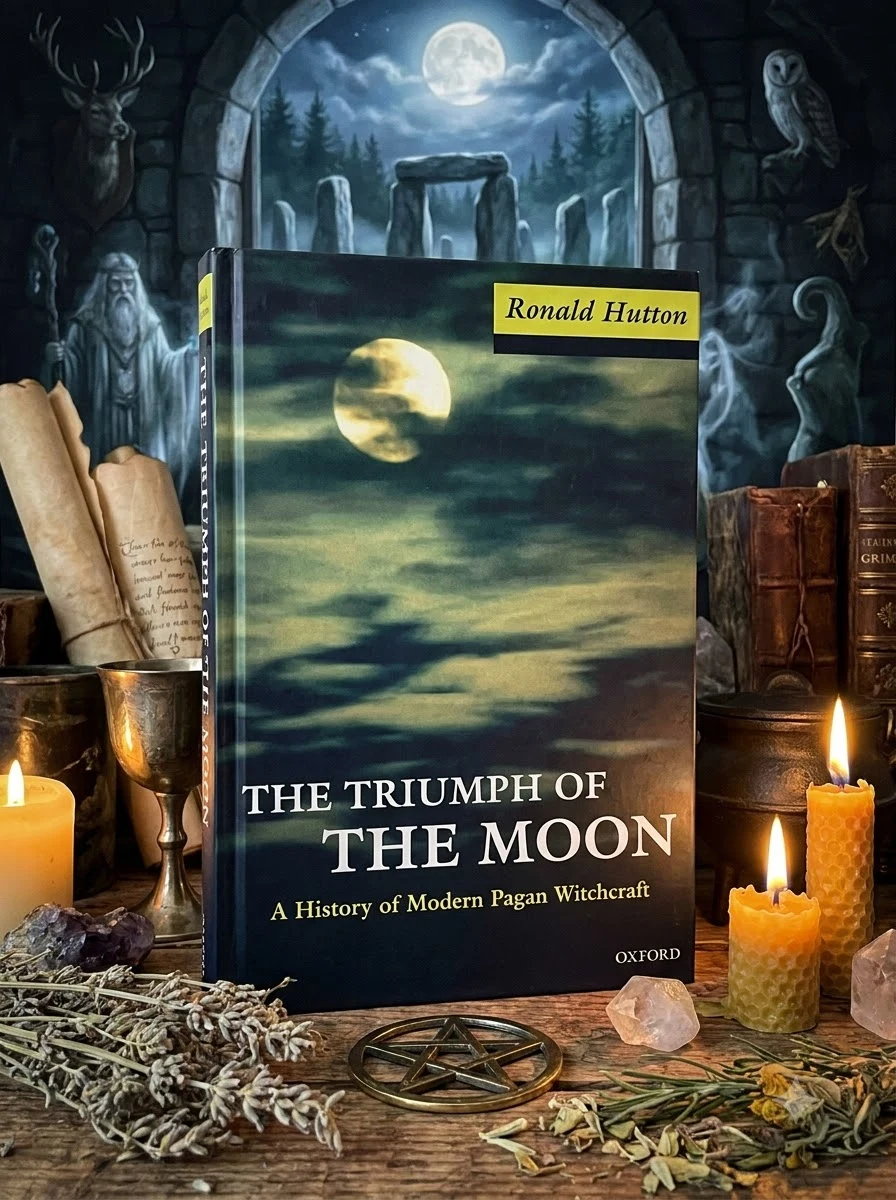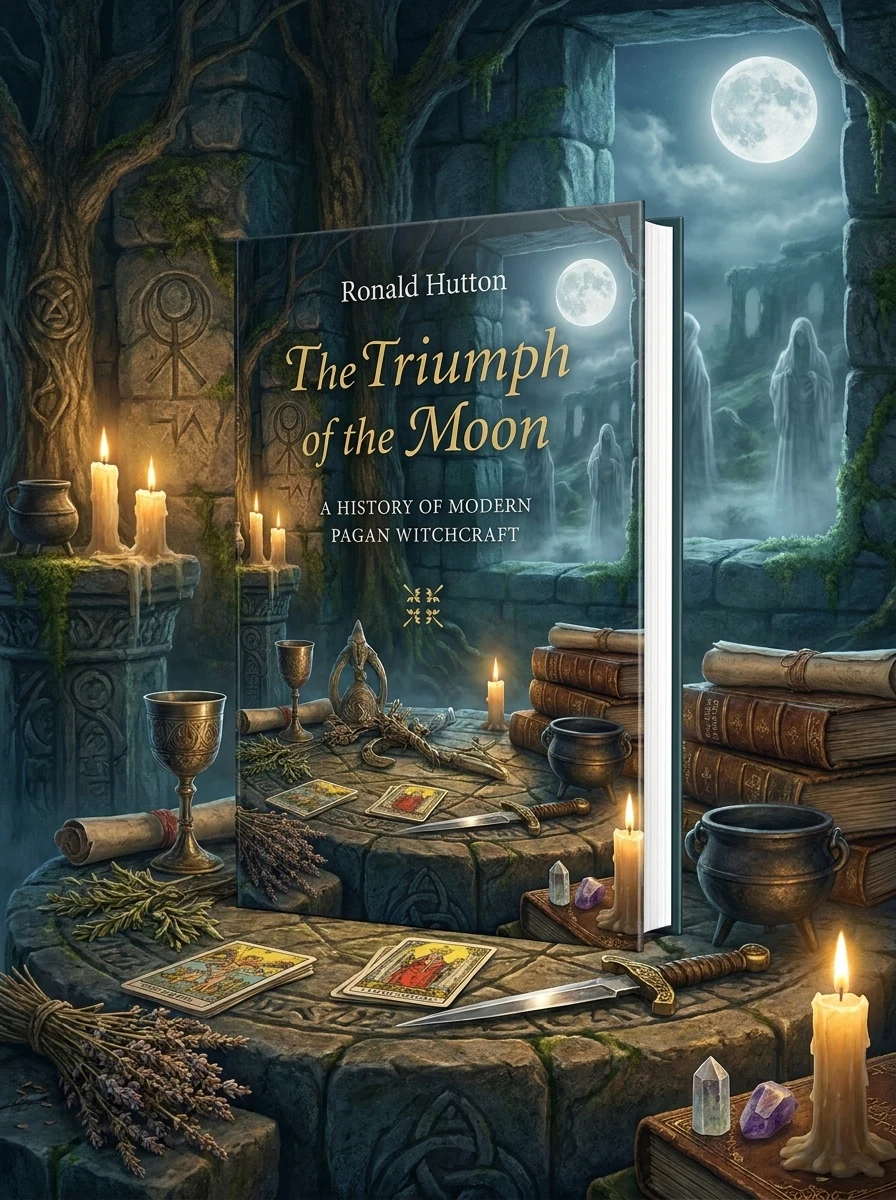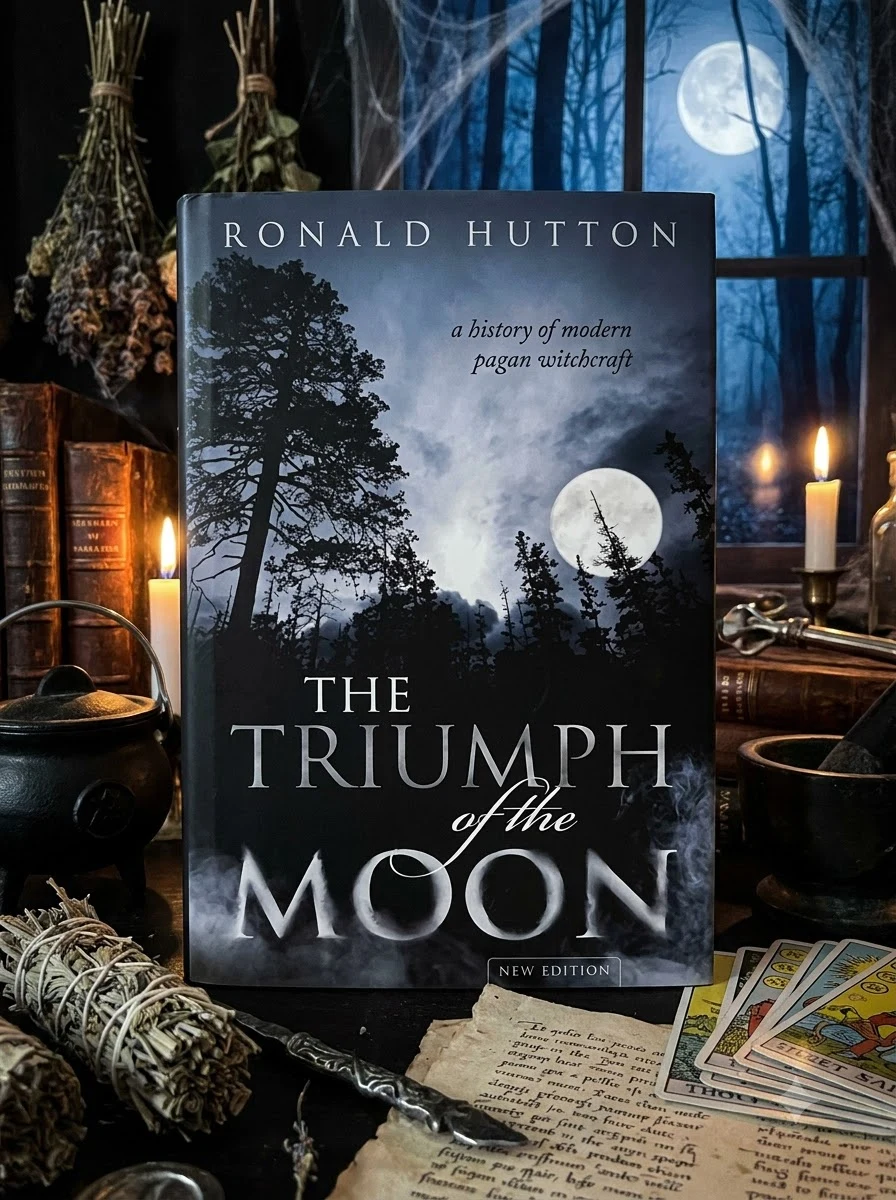
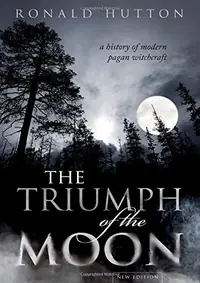
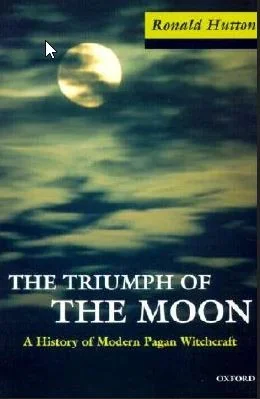
The Triumph of the Moon: A History of Modern Pagan Witchcraft
Hutton, RonaldStock reported in the catalog; fulfillment is confirmed with your request.
Uncover the surprising British origins of modern witchcraft and its global journey.
Ronald Hutton's extensively revised scholarly study meticulously charts the rise and global spread of modern pagan witchcraft, a unique religious movement originating in England. This authoritative work delves into its historical antecedents, tracing connections through diverse figures from village cunning folk to literary giants and influential social movements. Hutton rigorously dissects the evolution of magic and paganism within British society since 1800, carefully separating documented facts from popular misconceptions and sensationalized narratives to offer an unparalleled historical perspective.
This work stands as a definitive scholarly examination within the field of religious history and esoteric studies, specifically focusing on the emergence of modern pagan witchcraft in England. It serves as a critical bridge between academic historiography and the contemporary occult community by rigorously analyzing the movement's roots.


📝 Description: The Triumph of the Moon: A History of Modern Pagan Witchcraft
💎 Expert review
📖 Why choose it
Why this book is worth reading
Readers deeply invested in the authentic history of modern pagan witchcraft will find immense value in this meticulously researched account. It is essential for those seeking to understand the surprising British origins of the faith and its subsequent global journey. By separating documented facts from sensationalized narratives, Hutton offers an unparalleled historical perspective that clarifies the movement's evolution since 1800. This book is particularly beneficial for scholars, serious practitioners, and anyone curious about the diverse figures—from village cunning folk to literary giants—who contributed to this unique religious phenomenon. It provides a rigorous dissection of magic and paganism within British society, ensuring readers gain a grounded, authoritative understanding free from popular misconceptions.
⭐ Reader reviews
Reader rating
Hutton delivers an authoritative study that meticulously charts the rise of modern pagan witchcraft, offering a rigorous separation of fact from fiction. However, this text is not for casual readers or those seeking practical spellwork; it is a dense academic work requiring patience. Readers expecting sensationalized tales of coven secrets will be disappointed by its scholarly tone. It suits historians and serious occultists who value intellectual depth over dramatic flair. The focus on British antecedents may limit its appeal to those interested in non-European traditions. Ultimately, it is a vital resource for understanding the movement's true historical context, provided one approaches it with an academic mindset rather than a desire for mystical immediacy.
❓ Frequently asked questions
📖 Who should read this
For those seeking a definitive, unbiased account of modern pagan witchcraft's genesis and development, this book is indispensable. If you're keen to understand the true history behind contemporary magical practices, Hutton offers unparalleled clarity and scholarly depth, separating fact from popular myth.
🎯 Key themes and symbolism
Witchcraft's British Roots
This volume meticulously documents how modern pagan witchcraft, particularly Wicca, emerged from distinct British historical and social currents. It explores the fascinating amalgamation of influences, from ancient folk practices to Victorian occultism and early 20th-century cultural movements, revealing the specific fertile ground upon which this religion took root and flourished, eventually spreading across continents.
Fact vs. Fantasy
One of the book's paramount contributions is its unwavering commitment to historical accuracy. Hutton carefully scrutinizes popular narratives and media portrayals of witchcraft, often sensationalized, to distinguish genuine historical developments from later fabrications or misunderstandings. This critical approach provides readers with a clear, evidence-based understanding of the tradition's evolution, dispelling common myths.
Diverse Influences
The book highlights the rich tapestry of individuals and groups that shaped modern paganism. Beyond the familiar names, it unveils the roles of unexpected figures: Freemasons, woodcraft leaders, archaeologists, and even prominent literary figures like Yeats and Graves. This broad scope illustrates how diverse societal elements contributed to the complex formation of contemporary magical practice, showing its deep cultural embeddedness.
💬 Quotes from the book
“The notion of a continuous, ancient witch-cult, passed down unbroken through centuries, proves to be an enduring romantic fiction rather than a verifiable historical reality.”
“Modern pagan witchcraft, far from being a monolithic entity, represents a fascinating synthesis of disparate intellectual currents, folk practices, and individual spiritual quests emerging from specific cultural milieus.”
📜 Historical context
📚 Glossary
- Modern Pagan Witchcraft
- Cunning Folk
- Wicca
📔 Questions to reflect on
- How does understanding the historical and social pressures that shaped modern pagan witchcraft alter your perception of its contemporary forms?
- Reflect on the role of 'sensationalism' in shaping public understanding of esoteric traditions. How might one discern fact from fiction in such narratives?
- Consider the impact of prominent literary figures or social movements, like scouting, on the development of spiritual paths often seen as counter-cultural. What does this suggest about cultural cross-pollination?
✍️ More books by this author Hutton, Ronald
All books by this author →
🏛 Books from this publisher Oxford University Press
All books from this publisher →
 81
81
You might also like
See more →