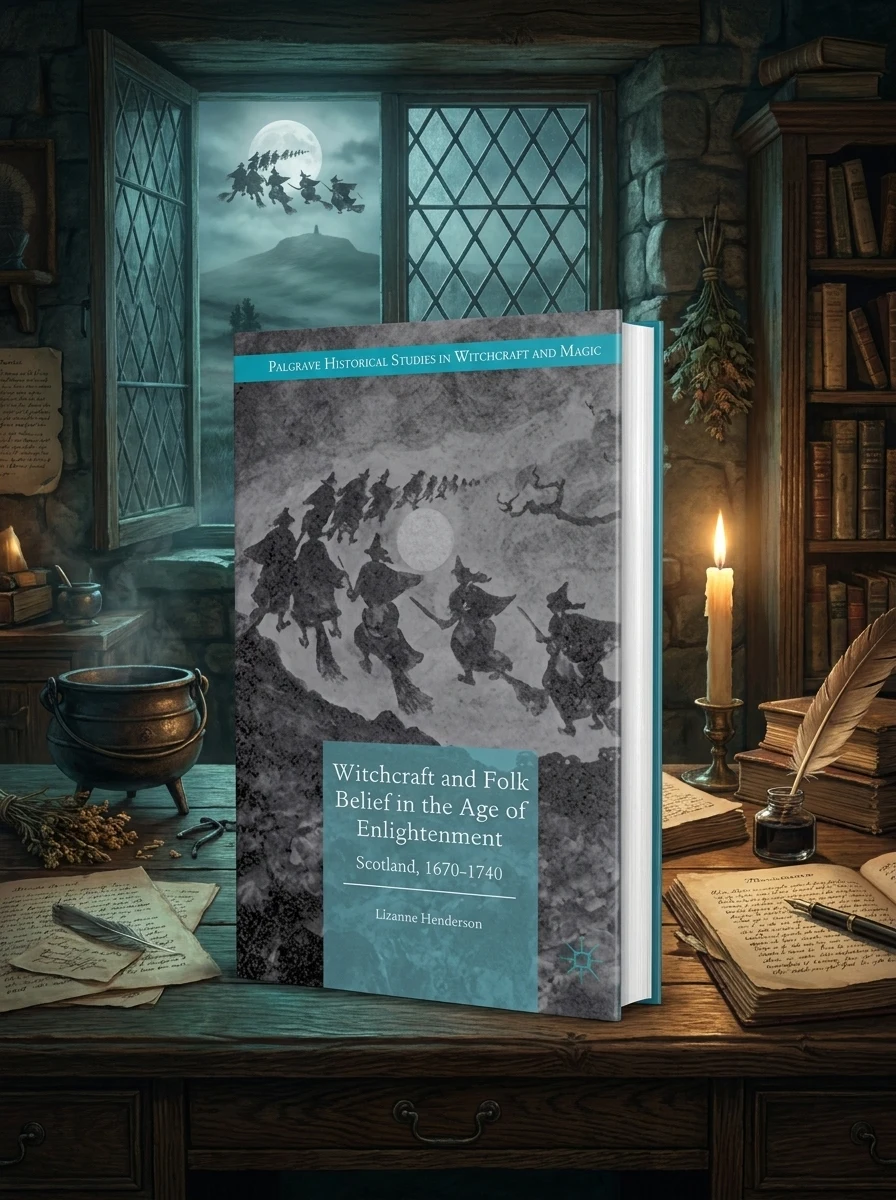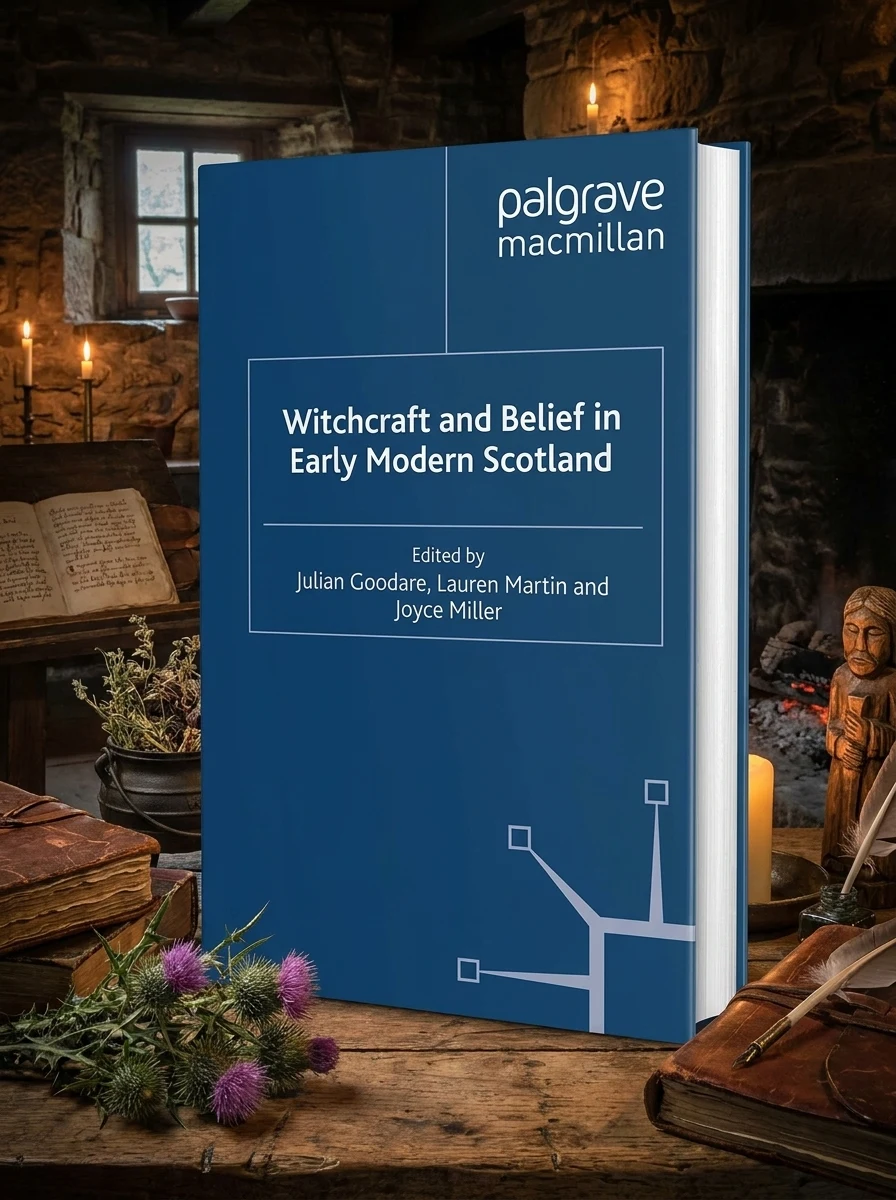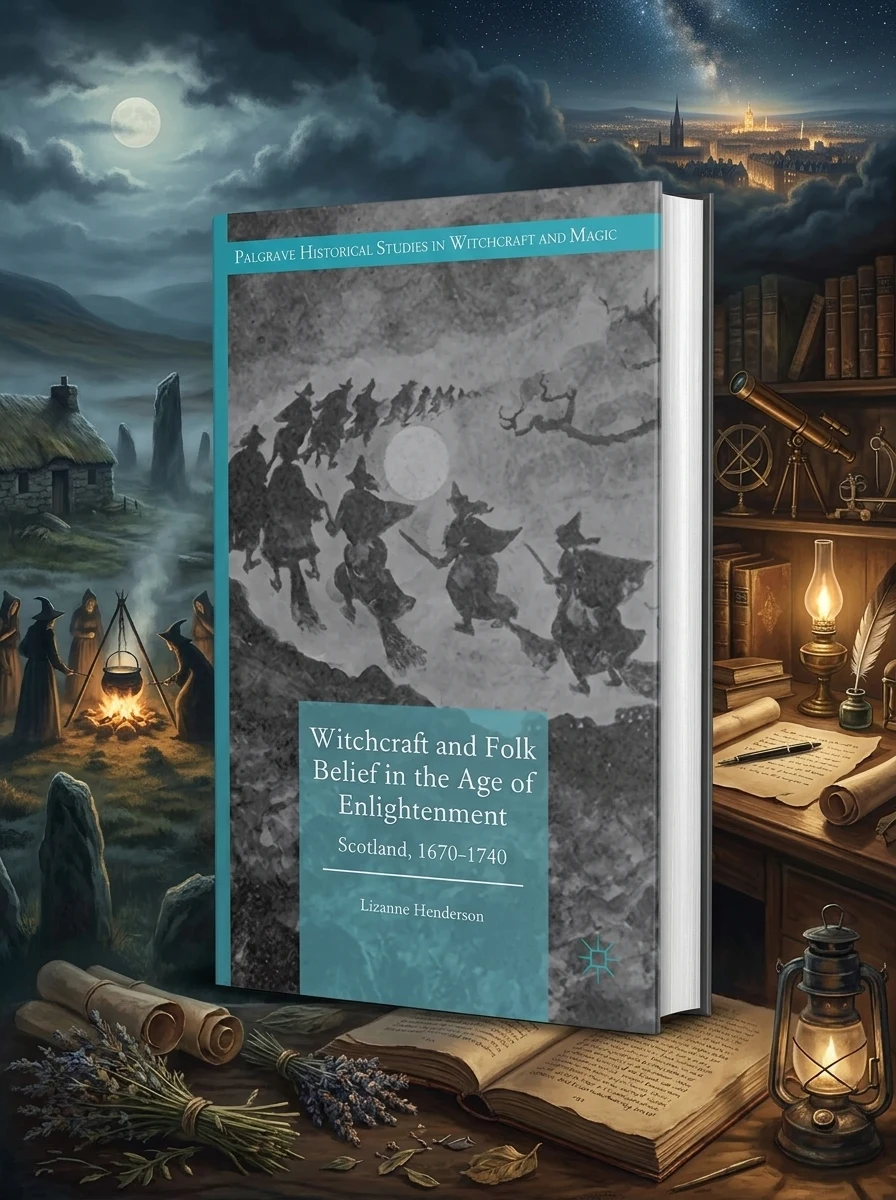

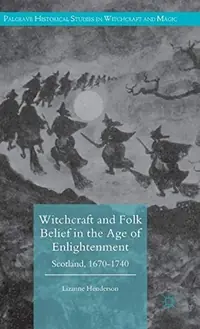
Witchcraft and Folk Belief in the Age of Enlightenment: Scotland, 1670-1740 (2016) Henderson, Lizanne
Henderson, Lizanne 89
89
 Editorial score
How we rate
Editorial score
How we rate
Stock reported in the catalog; fulfillment is confirmed with your request.
Uncover the hidden persistence of witchcraft beliefs in Scotland long after the fires died down.
Lizanne Henderson challenges the myth that the Scottish Enlightenment extinguished superstition. This rigorous study reveals how witchcraft fears endured among the devout and common folk well into the eighteenth century. By examining the tension between scholarly rationalism and traditional faith, she shows how the supernatural was redefined rather than erased. The work explores this complex social landscape, proving that dread of the craft persisted across all societal levels, defying the narrative of immediate intellectual progress.
This scholarly work situates itself within the historiography of the Scottish Enlightenment and the study of early modern European superstition, challenging the linear narrative of rational progress.


📝 Description: Witchcraft and Folk Belief in the Age of Enlightenment: Scotland, 1670-1740 (2016) Henderson, Lizanne
💎 Expert review
📖 Why choose it
Why this book is worth reading
Readers fascinated by the complex interplay between intellectual history and popular culture will find this book essential. It is particularly valuable for those interested in Scottish history who wish to understand how traditional beliefs survived amidst the rise of scientific rationalism. By revealing that witchcraft fears did not vanish with the Enlightenment but were instead redefined, Henderson offers a nuanced perspective on social change. Scholars, students, and history enthusiasts seeking to debunk the myth of immediate intellectual progress will gain a deeper appreciation for the endurance of folk belief among the devout and common people of eighteenth-century Scotland.
⭐ Reader reviews
Reader rating
Was skeptical at first. I found myself reading passages aloud just to sit with them. There's real depth here that reveals itself on a second reading. Already eyeing my next order.
Honestly wasn't sure what to expect, but I'm impressed. Some chapters demand a slow, careful read, and that's exactly the point.
Been hunting for a decent copy of this text for ages. Some chapters demand a slow, careful read, and that's exactly the point. A text you study rather than simply read. Glad I finally picked this up.
I collect works on this subject and this is a worthy addition. A text you study rather than simply read. It reads better in small doses — a chapter at a time with notes. I'd have loved an index, but that's on the original text. Still worth having on the shelf.
Bought this as a gift for my sister and ended up ordering a second copy for myself. The text itself is dense but rewarding — you get out what you put in. Challenging in places, but never needlessly obscure. Shipping was quick too.
Came across this title in a footnote and had to track it down. A text you study rather than simply read. Recommended if you're ready to do the work.
Been hunting for a decent copy of this text for ages. The material is presented clearly and the structure makes it easy to revisit key passages. It connects ideas I'd only seen treated separately elsewhere. Delivery took a bit longer than quoted. Solid, if not essential.
Henderson provides a rigorous academic examination that is vital for specialists but may overwhelm casual readers seeking narrative adventure. This text is not suited for those expecting a sensationalist account of witch trials or a light-hearted exploration of Wiccan practices; it is a dense historical analysis of societal tension. Readers looking for straightforward answers about the 'end' of superstition will be disappointed by its complexity. It is best reserved for those prepared to engage with scholarly arguments regarding the persistence of dread across all societal levels, rather than for those seeking entertainment or simple moral tales about the past.
❓ Frequently asked questions
📖 Who should read this
Readers fascinated by the intersection of history, religion, and the occult will find this essential. It appeals to those who reject simple narratives of progress and wish to understand the deep roots of pre-modern anxiety in Scottish culture.
🎯 Key themes and symbolism
Supernatural persistence
Scottish Enlightenment
Folk belief evolution
💬 Quotes from the book
“For the devout, witch belief was a matter of faith, such that fear and dread of witches and their craft lasted well beyond the era of the major witch-hunts.”
“The late seventeenth and early eighteenth centuries were undoubtedly a period of transition and redefinition of what constituted the supernatural.”
📜 Historical context
📚 Glossary
- Long Eighteenth Century
- Folk Belief
- Enlightenment Thought
📔 Questions to reflect on
- How do modern 'scientific' explanations sometimes function like folk beliefs in our daily lives?
- In what ways does your community still hold onto traditions that contradict mainstream rationality?
- Reflect on a time when 'progress' did not erase an old fear, but merely changed its shape.
✍️ More books by this author Henderson, Lizanne
All books by this author →
🏛 Books from this publisher Palgrave MacMillan
All books from this publisher →
You might also like
See more →