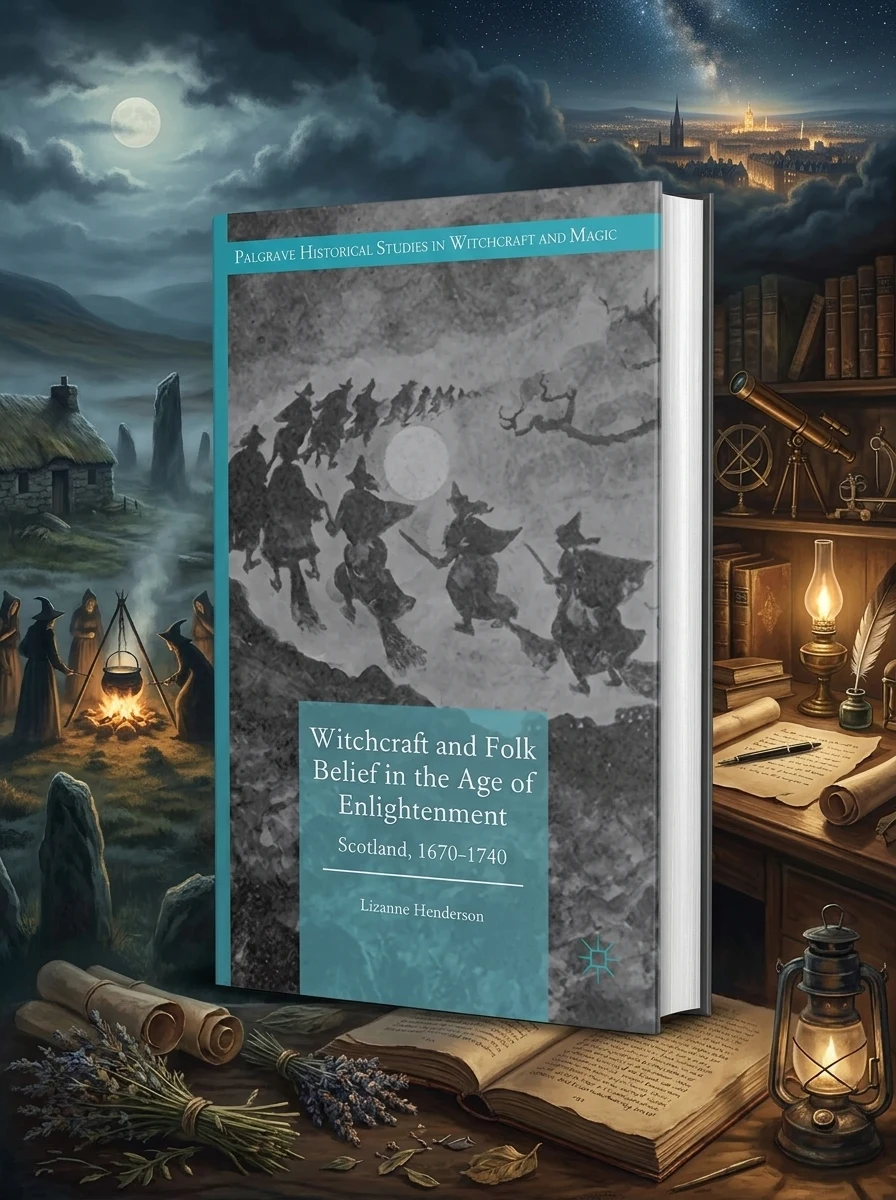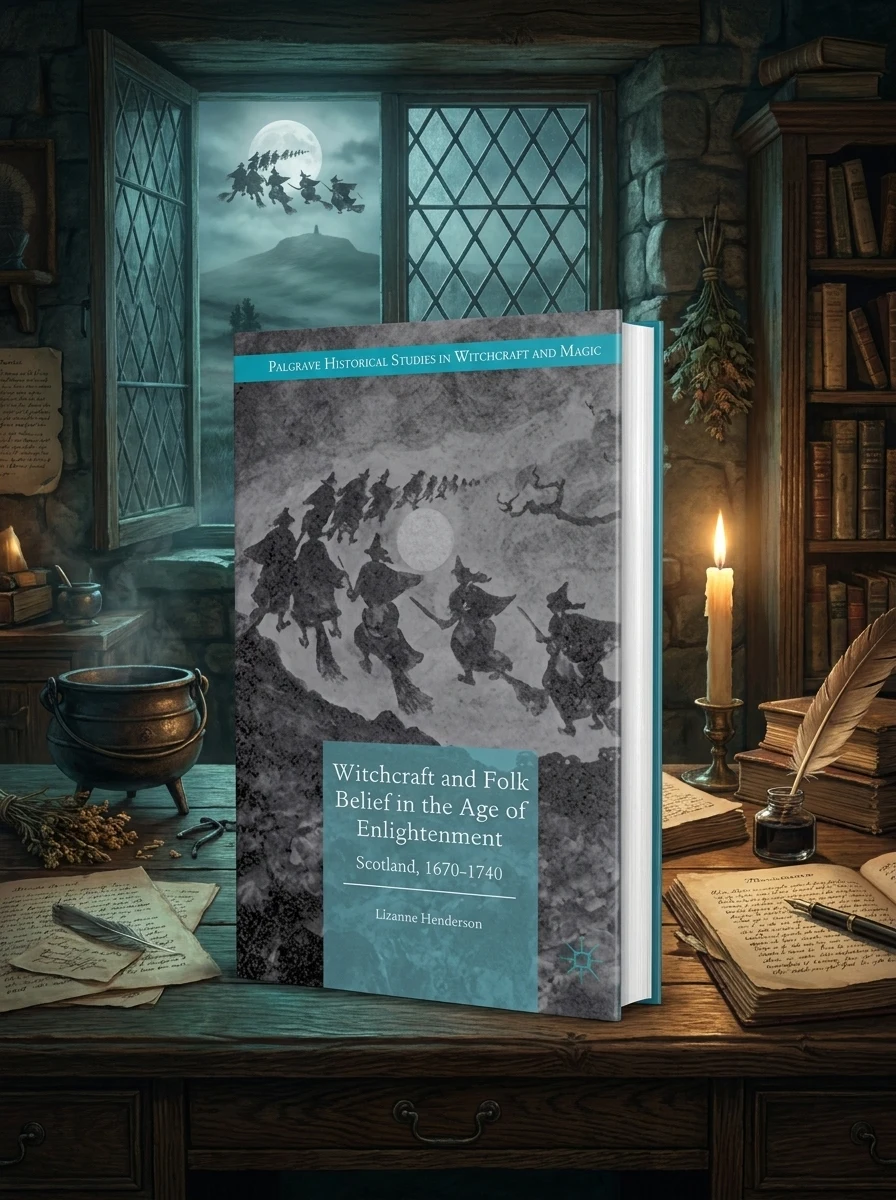
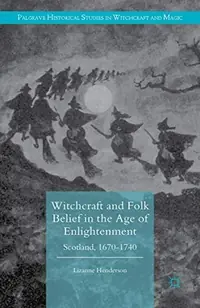
Witchcraft and Folk Belief in the Age of Enlightenment: Scotland, 1670-1740 (2016) Henderson, Lizanne
Henderson, Lizanne 89
89
 Editorial score
How we rate
Editorial score
How we rate
Stock reported in the catalog; fulfillment is confirmed with your request.
Uncover how witchcraft beliefs persisted in Scotland amidst the Age of Reason.
Lizanne Henderson's compelling study delves into the surprising endurance of witchcraft and folk magic in Scotland between 1670 and 1740. This period, often mischaracterized as one of inevitable decline for such beliefs, is meticulously re-examined. Adopting an interdisciplinary lens, Henderson provides the first comprehensive look at how these traditions continued to shape Scottish society well into the Enlightenment, challenging the narrative of a swift, rational eclipse of the supernatural. It’s a vital exploration of belief systems in a transformative era.
This work sits at the intersection of Scottish historical studies and the sociology of religion, specifically addressing the paradoxical persistence of supernatural beliefs during an era defined by intellectual rationalism. It challenges the conventional historiography that views the Enlightenment as a period of immediate and total decline for folk magic.


📝 Description: Witchcraft and Folk Belief in the Age of Enlightenment: Scotland, 1670-1740 (2016) Henderson, Lizanne
💎 Expert review
📖 Why choose it
Why this book is worth reading
Readers fascinated by the complex interplay between reason and superstition will find this book invaluable. It is particularly suited for historians, sociologists, and enthusiasts of Scottish culture who wish to understand how traditional folk magic survived and adapted during a pivotal century. Henderson’s interdisciplinary approach offers a nuanced view that corrects common misconceptions about the rapid demise of witchcraft beliefs. By meticulously examining the period from 1670 to 1740, the text reveals how these practices continued to shape societal norms long after the peak of persecutions. If you seek to move beyond simple narratives of progress and enlightenment, this study provides a necessary, grounded perspective on the enduring power of the occult in early modern life.
⭐ Reader reviews
Reader rating
Lizanne Henderson delivers a rigorous, scholarly examination that is essential for academic audiences but may prove dense for casual readers seeking a narrative-driven history. The book’s strength lies in its meticulous reconstruction of a misunderstood era, yet its academic tone and interdisciplinary methodology require patience and focus. It does not suit those looking for sensationalist accounts of witch trials or light reading on Wicca. Instead, it offers a sobering, evidence-based correction to popular myths. Readers expecting a straightforward chronicle of events may find the thematic analysis demanding. However, for those interested in the sociological resilience of belief systems, this text is an indispensable, if intellectually heavy, contribution to understanding the true nature of Scotland’s Enlightenment.
❓ Frequently asked questions
📖 Who should read this
If you're fascinated by the nuanced intersections of history, belief systems, and social change, and curious about how 'rationality' truly impacted magical traditions, this book is for you. It's an essential read for anyone exploring the enduring power of folk wisdom.
🎯 Key themes and symbolism
Enlightenment & Witchcraft
This work explores the unexpected coexistence of burgeoning scientific thought and enduring magical practices in Scotland. It challenges the conventional view that the Age of Enlightenment automatically eradicated belief in witchcraft, revealing a more complex interplay where old traditions adapted rather than vanished, even as intellectual currents shifted towards rationality.
Scottish Folk Beliefs
The book offers an intimate look at the specific magical traditions and supernatural convictions that permeated Scottish society after the major witch trials. It details how these deeply ingrained folk beliefs, distinct from formal religious dogma, continued to influence daily life, community interactions, and individual worldviews during a period of significant social change.
Persistence of Belief
Henderson counters the popular notion that witchcraft beliefs simply faded away after the peak of the witch hunts. Instead, she demonstrates their remarkable resilience and transformation, illustrating how these practices and fears continued to manifest in various forms, albeit with altered legal and social consequences, well into the eighteenth century.
💬 Quotes from the book
“The intellectual currents of the Enlightenment did not uniformly extinguish the embers of folk belief, but rather reshaped their manifestation and perception within Scottish communities.”
“Examining post-1662 Scottish records reveals a persistent, if evolving, engagement with magical practice, challenging simplistic narratives of decline and dismissal.”
📜 Historical context
📚 Glossary
- Enlightenment
- Folk Belief
- Interdisciplinary
📔 Questions to reflect on
- How might the persistence of folk beliefs in an 'enlightened' age challenge our modern assumptions about the linearity of progress and rationality?
- Consider how similar 'supernatural' beliefs or practices might subtly persist in contemporary society, even amidst dominant scientific paradigms. Where do you see them?
- Reflect on the difference between formal persecution of witchcraft and its continued, albeit altered, social presence. What does this tell us about the nature of belief?
📖 From the series “Palgrave Historical Studies in Witchcraft and Magic”
All books in the series →
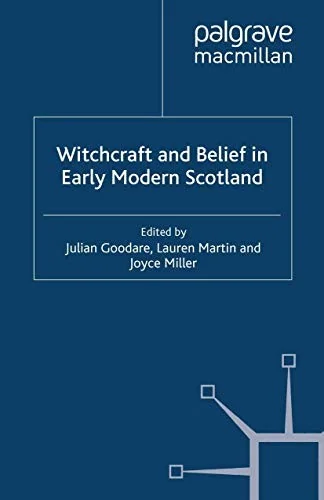
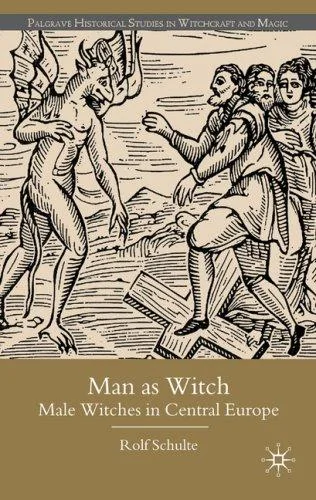
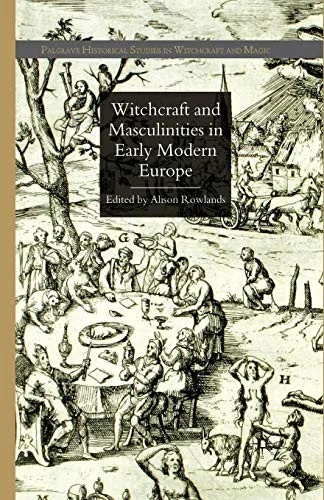
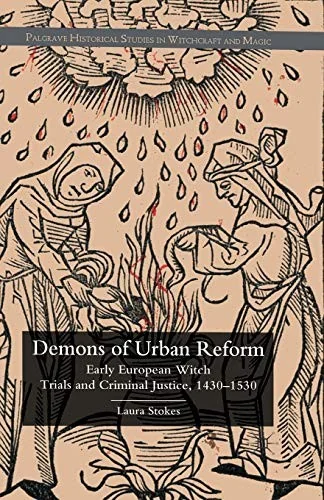
✍️ More books by this author Henderson, Lizanne
All books by this author →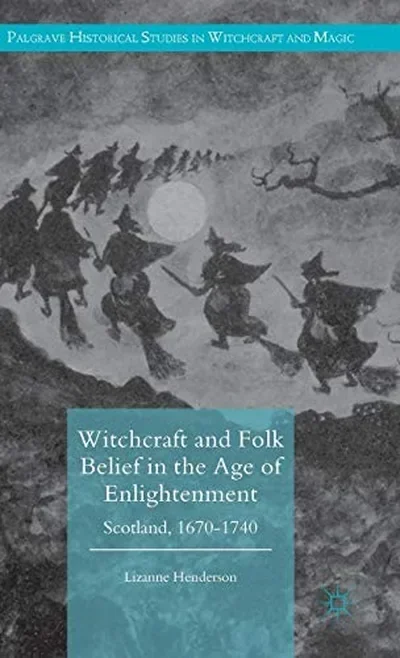
🏛 Books from this publisher Palgrave MacMillan
All books from this publisher →
You might also like
See more →