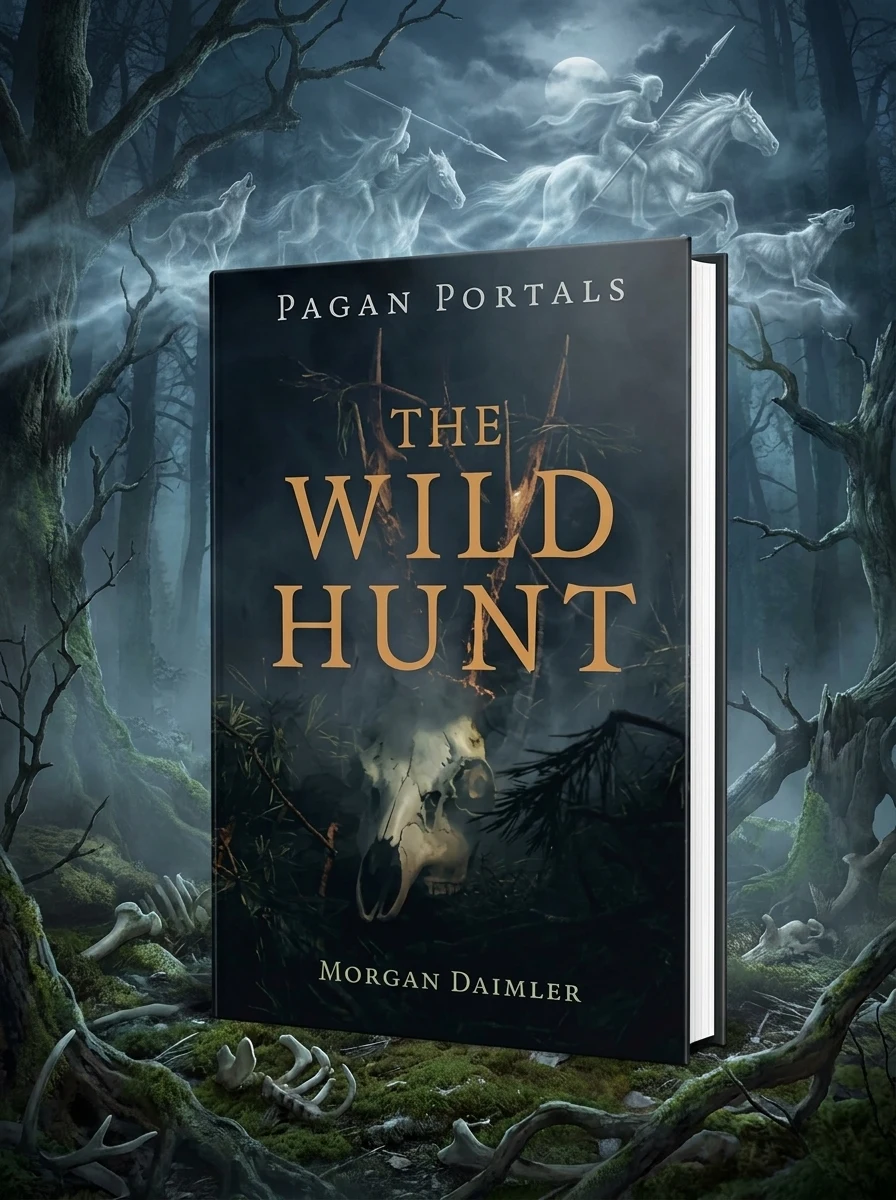
Finishing Morgan Daimler's Pagan Portals - The Wild Hunt can leave you with a very particular kind of reading itch. You have spent time with an old European folkloric motif associated with seasonal observance, encounters with spirits, and stories about the uncanny. The obvious next question is not simply "what is another book about the Wild Hunt?" but "where do I go from here?"
For a Samhain-season reading list, there are several useful answers. You can stay close to faery traditions, move outward into Irish and Celtic paganism, investigate how witchcraft and supernatural belief were treated historically, or consider contemporary nature spirituality. The books below follow those paths rather than presenting one required sequel.
One useful way to think about the World described in folklore is as something more layered than ordinary everyday experience. That distinction helps explain why these books work well together: some examine stories about beings and places beyond ordinary human experience, while others ask how people have understood magic, spirits, fear, religion, and seasonal change.
Start with faery lore and the Otherworld
If what grabbed you most in The Wild Hunt was its sense of an uncanny world existing alongside the familiar one, stay with that subject first. These books keep the emphasis on faery traditions and supernatural belief before shifting toward modern paganism or the history of witchcraft.
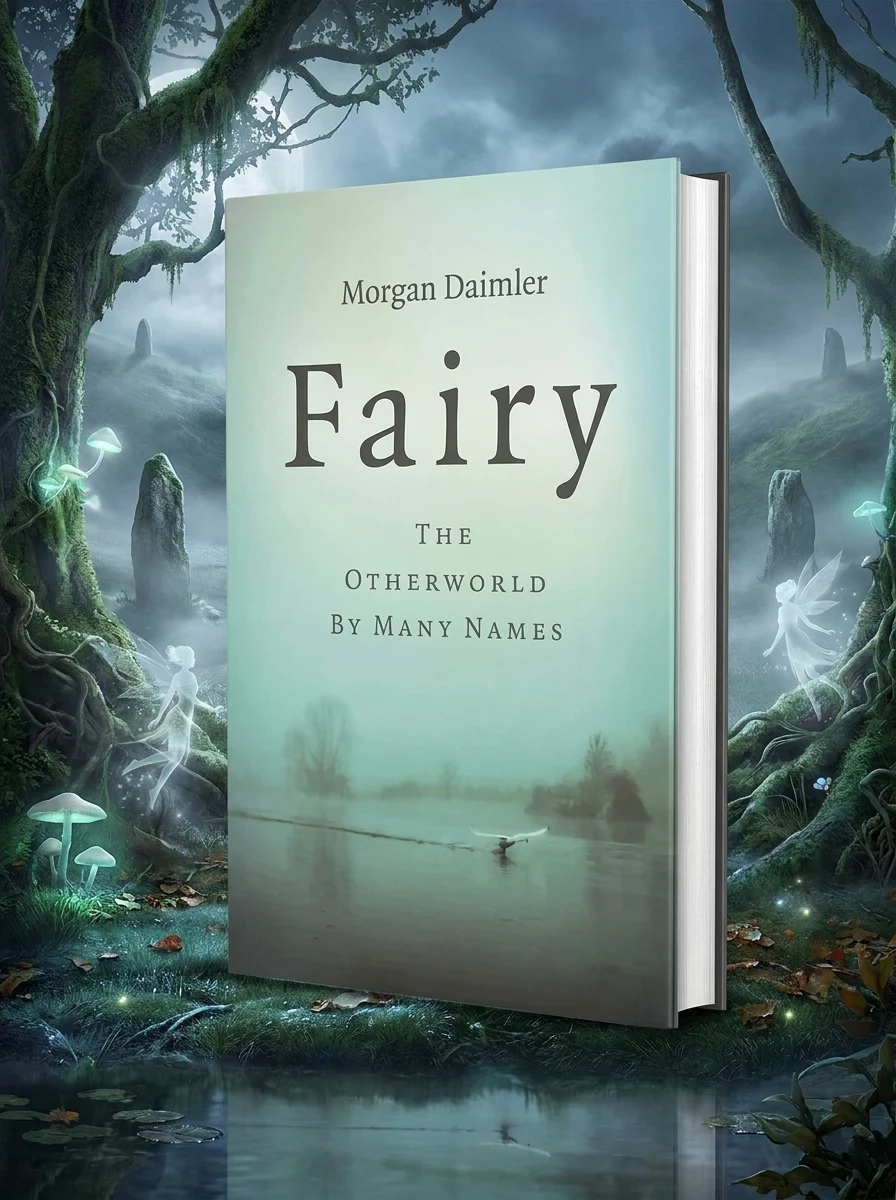
1. Fairy: The Otherworld by Many Names — Morgan Daimler
This is the most natural follow-up if you want to remain with Daimler's approach while widening the subject from the Wild Hunt to fairy traditions more broadly. The title signals its central interest in the many ways the Otherworld and its inhabitants have been understood across folklore and spiritual belief. It suits readers who want a focused continuation of the folkloric and spiritual questions raised by The Wild Hunt, without making the next step unnecessarily academic.
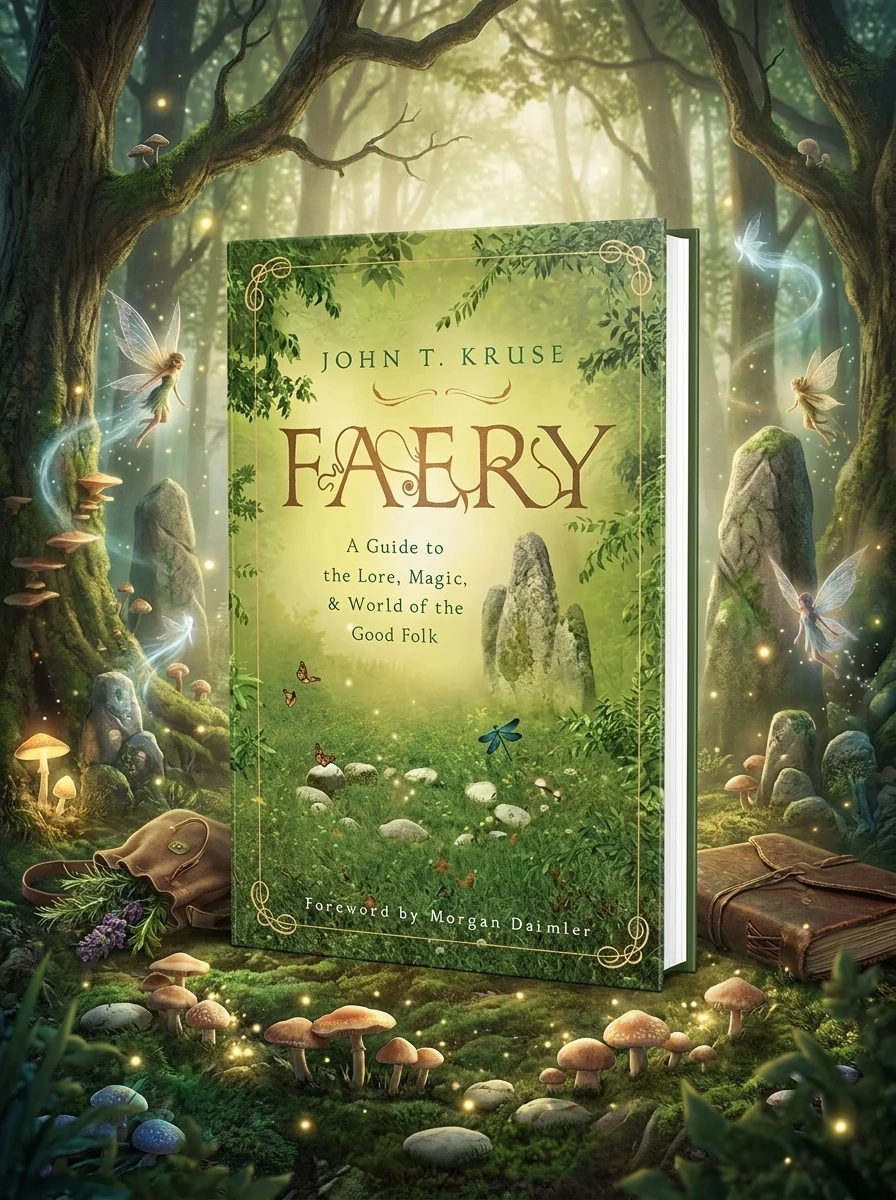
2. Faery: A Guide to the Lore, Magic & World of the Good Folk — John T. Kruse and Morgan Daimler
Choose this when you want a broader treatment of faery lore and the magical traditions surrounding the Good Folk. Its scope gives you more room to consider folklore alongside contemporary magical practice. This is especially fitting if your favorite parts of The Wild Hunt were the questions about spirits, supernatural beings, and encounters with the unseen rather than the historical material about witchcraft.
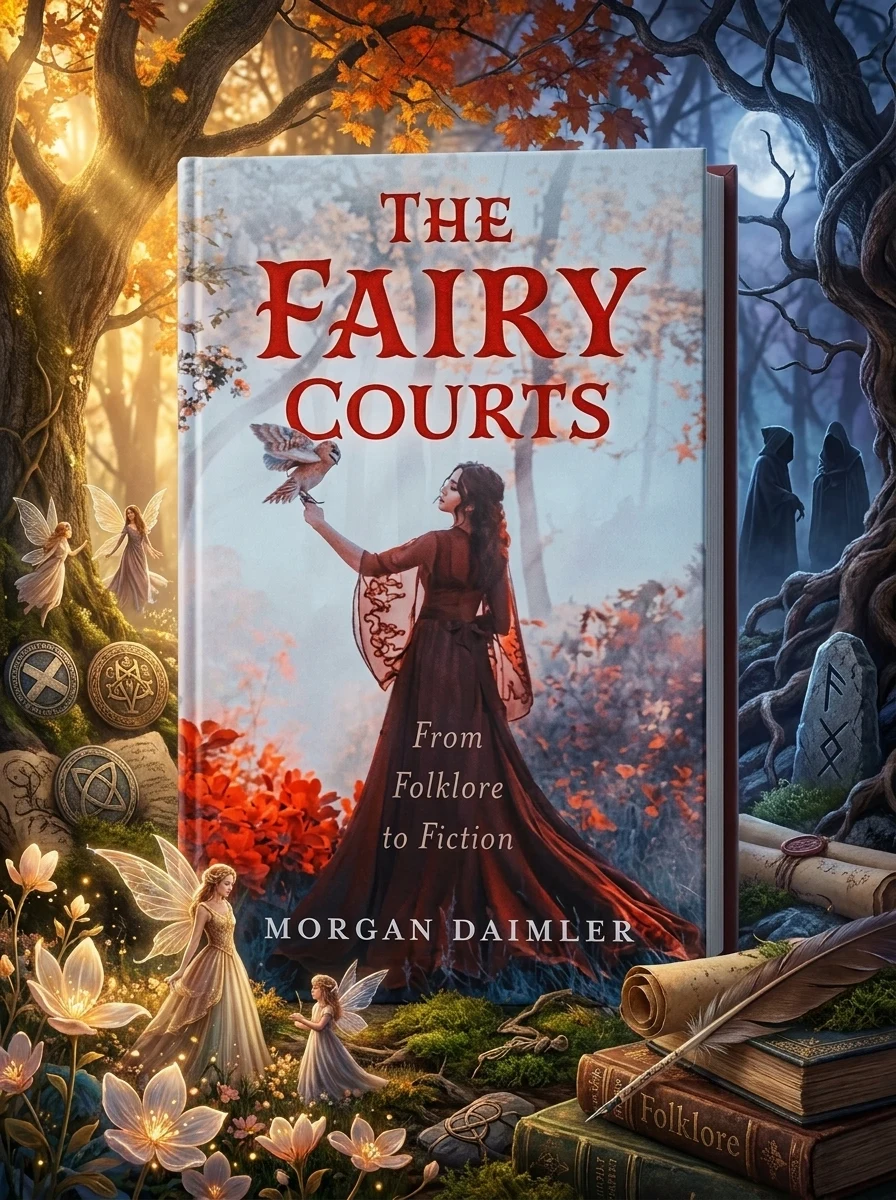
3. The Fairy Courts: From Folklore to Fiction — Morgan Daimler
This is a good choice for readers curious about how fairy traditions have been represented and transformed across different kinds of storytelling. The folklore-to-fiction framing gives it a different emphasis from a practical guide, making it a useful bridge between traditional accounts and later interpretations. Read it when you want to consider not only what people believed about faeries, but also how those ideas have traveled into literature and popular imagination.
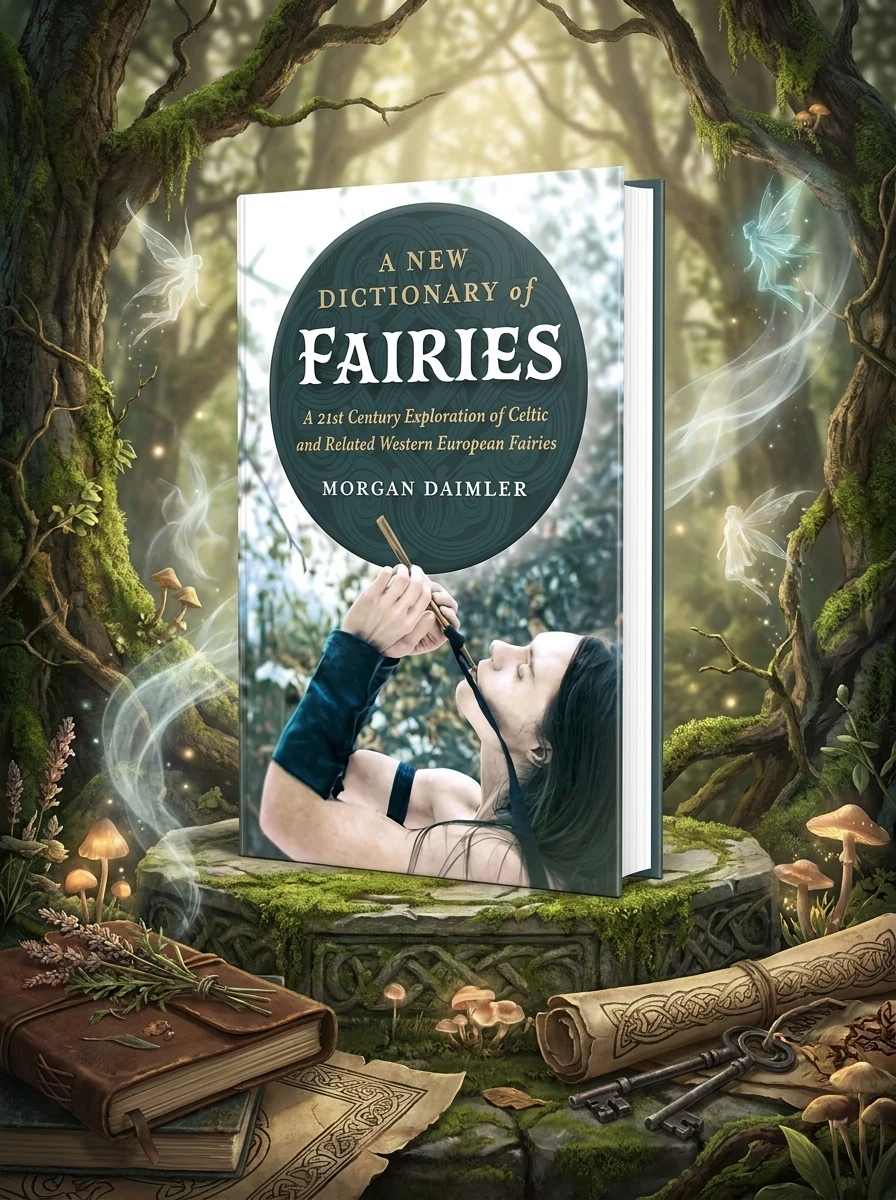
4. A New Dictionary of Fairies: A 21st Century Exploration of Celtic and Related Western European Fairies — Morgan Daimler
If The Wild Hunt sent you looking for names, beings, folklore terms, and further references, a dictionary-style work is a practical next step. This book concentrates on Celtic and related Western European fairy traditions, giving it particular value for readers who want to browse rather than follow a single linear argument. It can also serve as a companion while you read other books in this list, especially when a name or category prompts further questions.
These first four choices are the closest match for the supernatural and folkloric side of The Wild Hunt. They also make a good progression: begin with a focused introduction to fairy traditions, move to a broader guide, consider how fairy ideas developed through storytelling, and then keep a reference work nearby.
Move toward Celtic paganism and seasonal spirituality
Once you have followed the folklore outward, the next question is how these traditions connect with modern Celtic pagan practice. The following books shift attention from supernatural beings toward deities, reconstruction, nature spirituality, and a contemporary spiritual path.
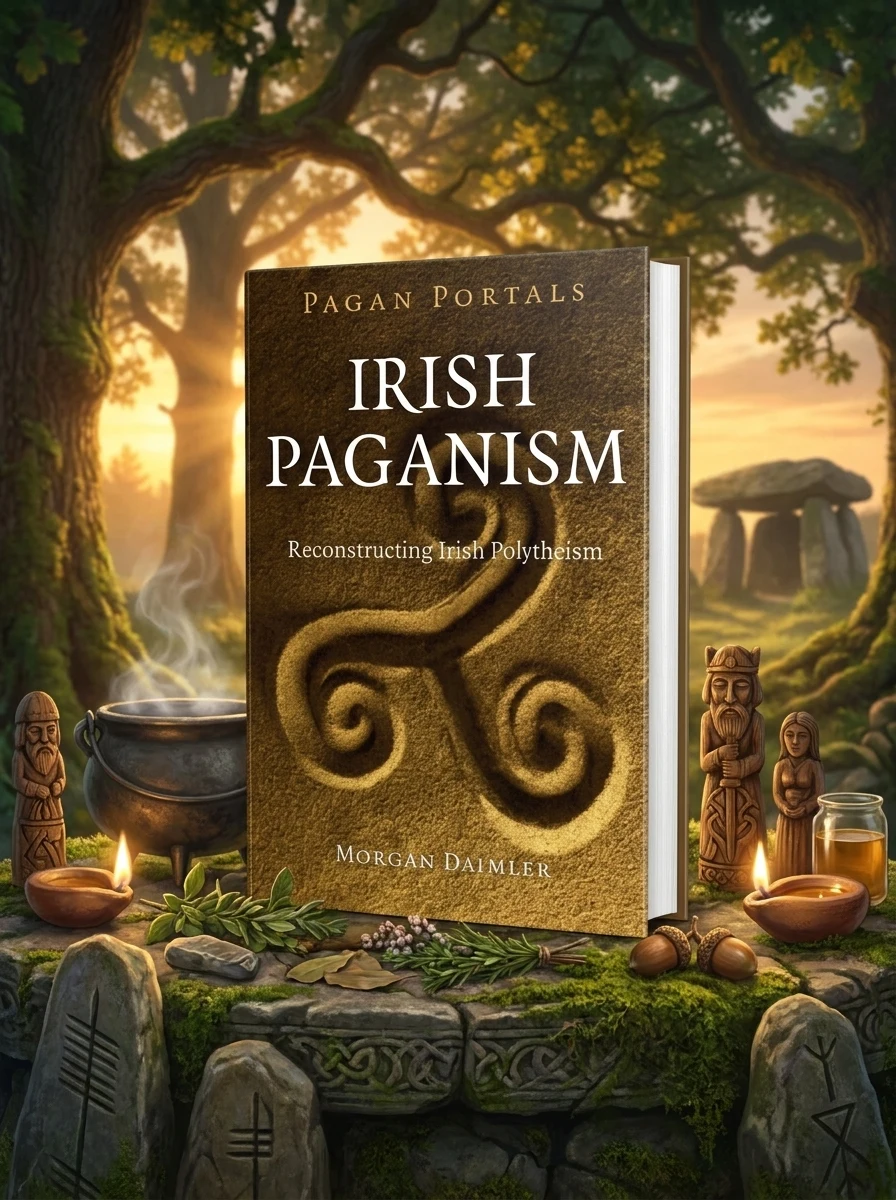
5. Pagan Portals - Irish Paganism: Reconstructing Irish Polytheism — Morgan Daimler
This is a strong choice if The Wild Hunt made you want to understand Irish religious context more directly. Rather than staying with one folkloric phenomenon, it turns toward reconstructing Irish polytheism and the questions involved in approaching an ancient spiritual tradition today. It is particularly suited to a Samhain-season reading list when you want the subject to lead into sustained study of Celtic paganism.
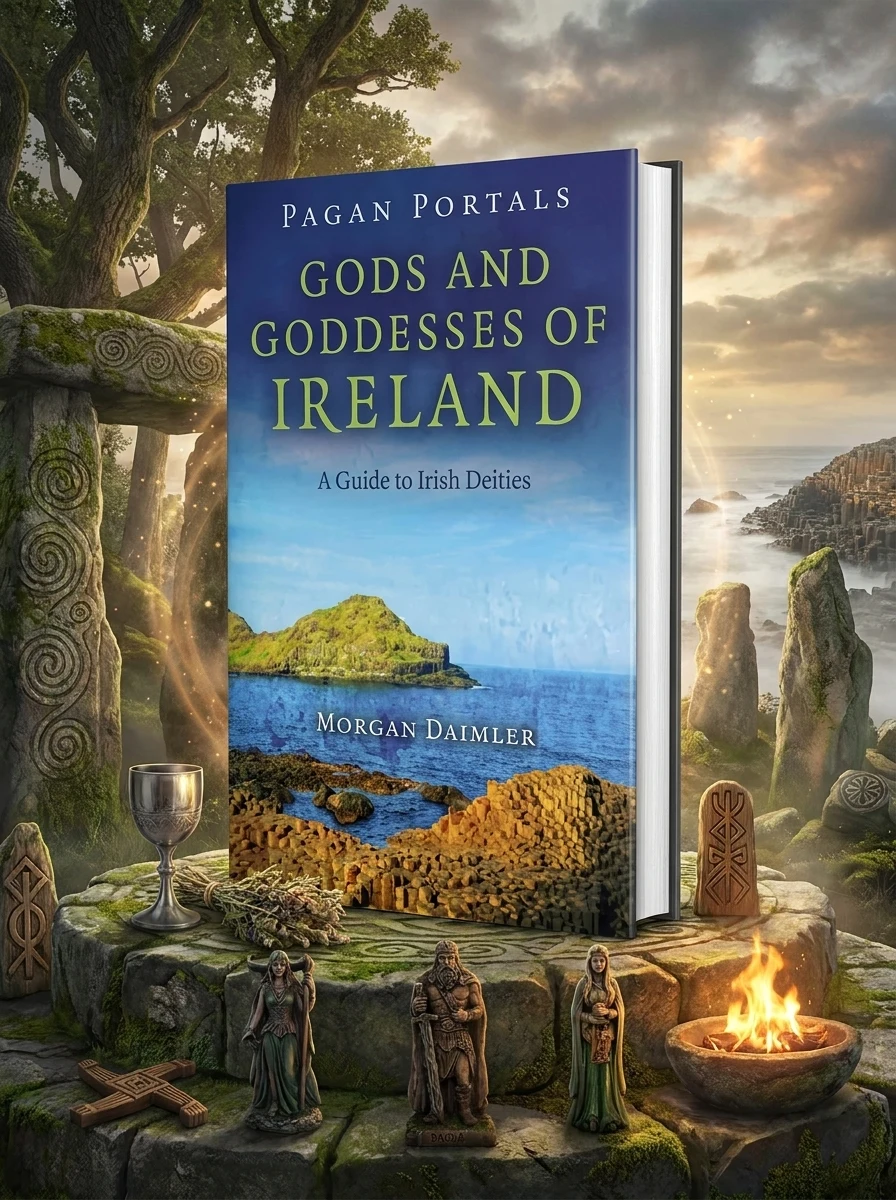
6. Pagan Portals - Gods and Goddesses of Ireland: A Guide to Irish Deities — Morgan Daimler
If your interest has shifted from spirits and supernatural processions toward the figures at the center of Irish mythology and pagan practice, this is the straightforward next stop. It provides a focused way into Irish deities without requiring an immediate commitment to a larger scholarly work. It pairs naturally with Irish Paganism if you want to alternate between the wider religious framework and individual divine figures.
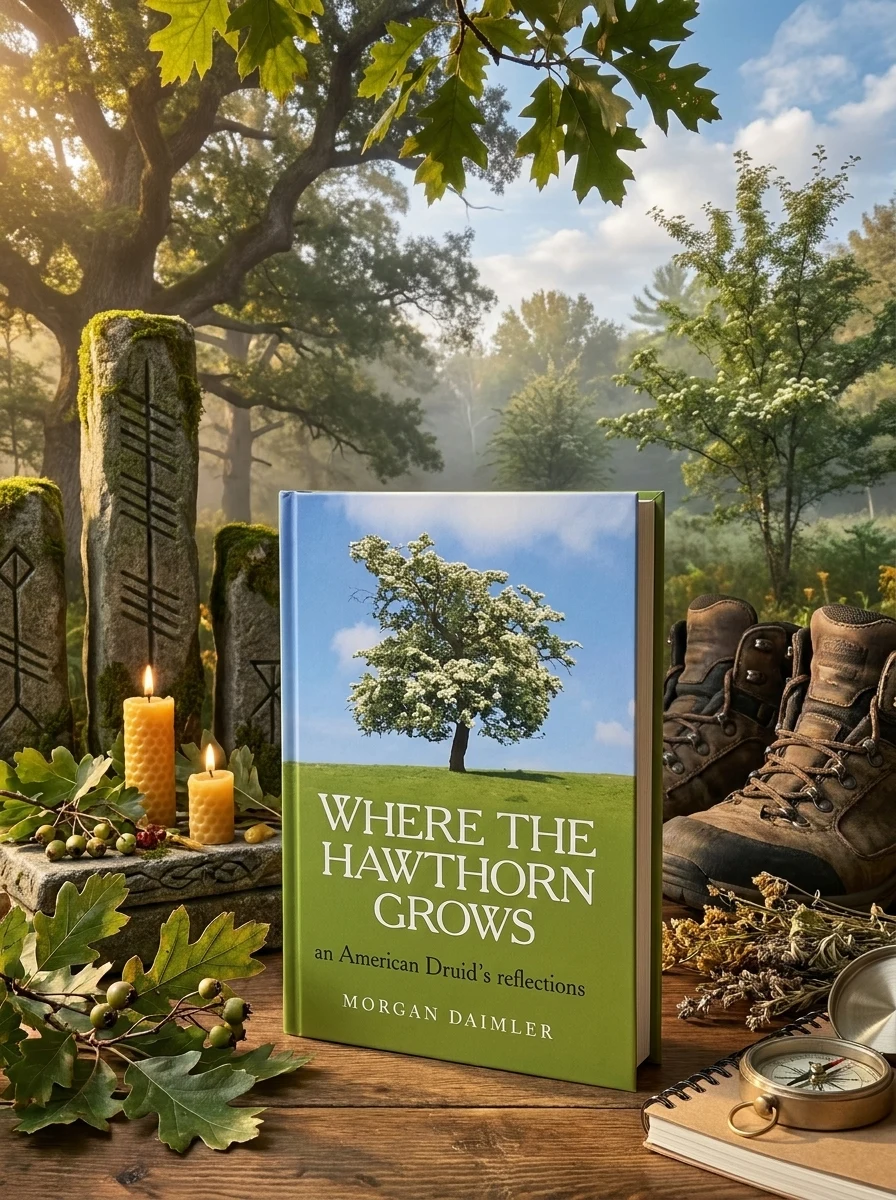
7. Where the Hawthorn Grows: An American Druid's Reflections — Morgan Daimler
This book changes the mood from folklore study to personal reflection and contemporary nature spirituality. Its Druidic perspective makes it a useful choice for readers who want to consider how Celtic-inspired spirituality can be grounded in present-day life rather than treated only as historical material. If the seasonal and nature-centered atmosphere of The Wild Hunt appealed to you, this offers a gentler continuation of that thread.
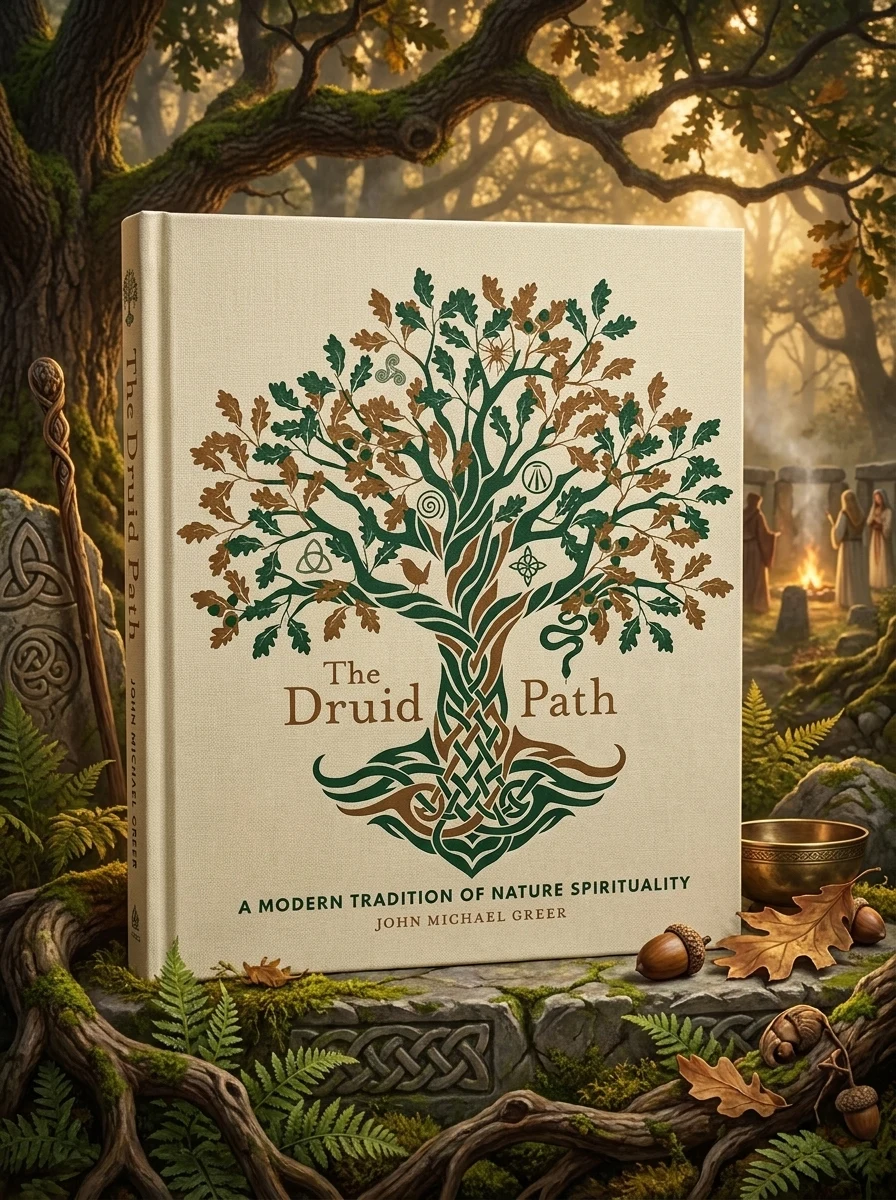
8. The Druid Path: A Modern Tradition of Nature Spirituality — John Michael Greer
For readers who want to move from atmosphere toward an identifiable modern spiritual path, The Druid Path offers a more practice-oriented direction. Its focus on modern Druidry and nature spirituality makes it a logical companion to books concerned with Celtic tradition and seasonal observance. This is the better pick when your response to The Wild Hunt was less "I want more folklore" and more "I want to understand what a contemporary nature-based practice can look like."
The shift in this section is significant. The first group asks what stories and traditions say about faeries and supernatural beings. This group asks how Celtic religious traditions and nature spirituality can be approached in a contemporary setting. If you want your Samhain reading to have a spiritual-practice direction rather than remaining primarily folkloric, start here.
For that purpose, the World is useful as a broad conceptual term: folklore can describe experiences that seem to extend beyond ordinary human surroundings, while religious practice can give those ideas a place within a larger understanding of life, nature, and spirituality.
Take the historical path: witches, fear, and belief
Samhain reading does not have to remain comfortably mystical. The season can also be a good time to examine the historical forces surrounding accusations of witchcraft, supernatural fear, and changing ideas about magic. These final two books provide a useful counterpoint to modern spiritual interpretations by focusing on historical development.
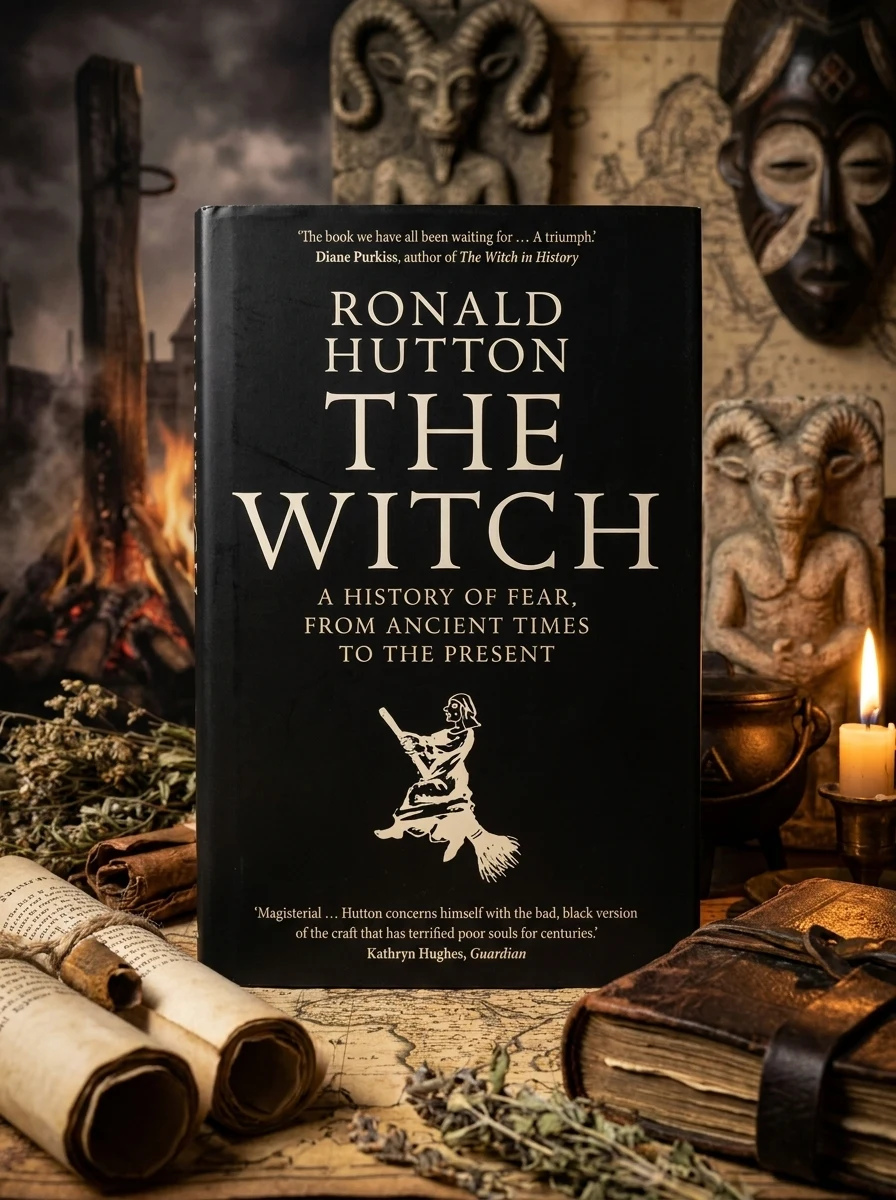
9. The Witch: A History of Fear, from Ancient Times to the Present — Ronald Hutton
Ronald Hutton's book is the strongest choice here if you want to understand how the idea of the witch developed as a cultural and historical phenomenon. It broadens the discussion beyond one region or one period and examines the relationship between supernatural belief and fear. After reading Daimler, this gives you a valuable second lens: instead of approaching the uncanny primarily through folklore and pagan spirituality, you can ask how societies have constructed and responded to the figure of the witch.
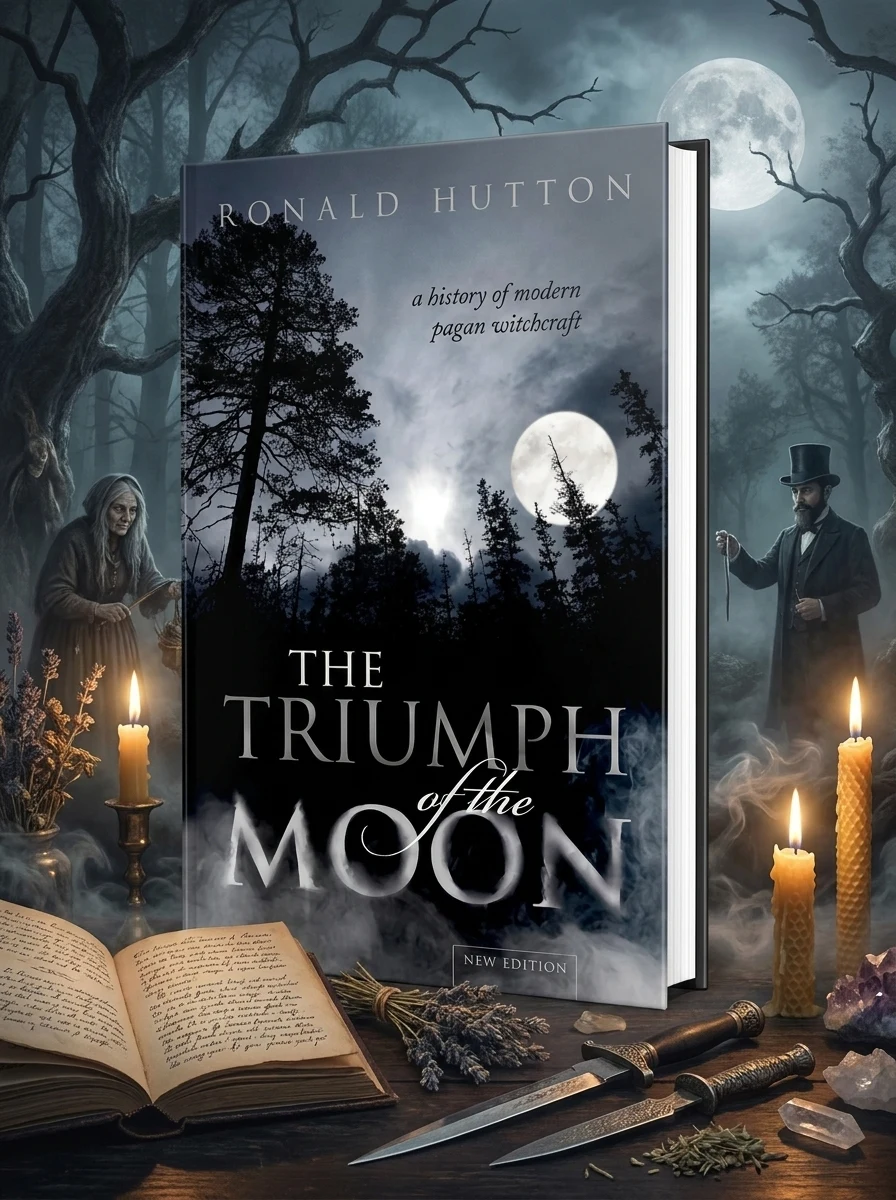
10. The Triumph of the Moon: A History of Modern Pagan Witchcraft — Ronald Hutton
End the sequence here if you want to understand how modern pagan witchcraft emerged as a religious and cultural movement. This is a historical study rather than a seasonal spellbook, so it works especially well after exploring Celtic traditions, faery lore, and older supernatural beliefs. It helps separate historical traditions from the later development of modern Pagan and witchcraft identities, giving you stronger context for evaluating contemporary practices encountered elsewhere.
How to choose your next Samhain book
You do not need to read these ten books in a rigid sequence. The list is arranged around the most natural questions that can arise after The Wild Hunt, but your reason for loving that book should determine where you go next.
- If the Wild Hunt itself fascinated you: start with Fairy: The Otherworld by Many Names, then continue into Faery and The Fairy Courts.
- If you want more Celtic paganism: read Irish Paganism and Gods and Goddesses of Ireland, then move into Where the Hawthorn Grows.
- If nature spirituality is the main attraction: pair The Druid Path with Where the Hawthorn Grows. Together they shift the reading experience toward contemporary Druidry and nature-based practice.
- If you want history rather than practice: choose The Witch and then The Triumph of the Moon. These are the better choices for readers who want context, historical development, and a more critical perspective.
- If you want a browsing companion: keep A New Dictionary of Fairies close at hand. Its reference format makes it particularly useful when another book introduces a name, tradition, or folkloric category you want to investigate further.
For a single Samhain season, you could make the reading path quite simple: begin with Fairy: The Otherworld by Many Names, move into Irish Paganism, and finish with The Witch. That sequence moves from faery folklore to Celtic religious context and then into the wider history of supernatural belief. If you have more time, add one of the Druidry books or keep the fairy dictionary nearby for reference.
The best follow-up to The Wild Hunt depends on what you were hoping to find in it. Follow the faery books if you want more encounters with the uncanny; follow the Celtic pagan books if you want religious context; or turn to Hutton if you want the historical forces behind ideas of witchcraft and magic. For Samhain, all three directions make for worthwhile reading, and together they give the season more depth than a single Halloween-themed book can provide.