The pull toward the green path usually begins not with a book, but with a feeling—a sudden, inexplicable kinship with the smell of damp earth after a rain or the intuitive sense that the trees are communicating in a language we've simply forgotten how to speak. Green witchcraft is the practice of grounding one's spiritual life in the physical reality of the natural world. It is about the intersection of botany, ecology, and magic. This path requires a commitment to observing the slow, steady rhythms of the earth and understanding that the most potent tools are often those we can find beneath our feet.
For many, the challenge isn't finding information, but finding the right information. The internet is flooded with 'aesthetic' witchcraft that prioritizes the look of a crystal grid over the actual study of local flora. A true green witch knows that the weed growing in the sidewalk crack is often more magically potent than a rare import from across the globe. To move from a hobbyist to a practitioner, you need texts that emphasize observation, seasonal alignment, and ethical stewardship. The goal is to move away from a consumerist approach to spirituality and toward a relational one, where the plant is a partner rather than a mere ingredient.
At Esoterica Books, we view the library as an extension of the garden. Just as you wouldn't plant a tropical fern in a tundra, you shouldn't approach nature magic with a one-size-fits-all mindset. Depending on where you are in your path—whether you are foraging your first batch of wild herbs or seeking to align your entire life with the lunar and solar cycles—different guides will serve you better. A well-rounded library should balance practical herbalism, seasonal timing, and the spiritual philosophy that connects the micro-ecosystem of a backyard to the macro-ecosystem of the cosmos.
Foundations of Botanical Magic and Herbalism
Before you can cast a spell with a plant, you must understand the plant's spirit and its physical properties. This requires a study of both the tangible and the intangible. The tangible involves the chemical properties of the plant—which parts are safe to use, how to dry them, and how to store them. The intangible involves the energetic signature of the plant, its historical associations, and the specific intent it supports. These books focus on the 'green' part of the green witch's toolkit: the plants, the soil, and the botanical wisdom required to work safely and effectively.
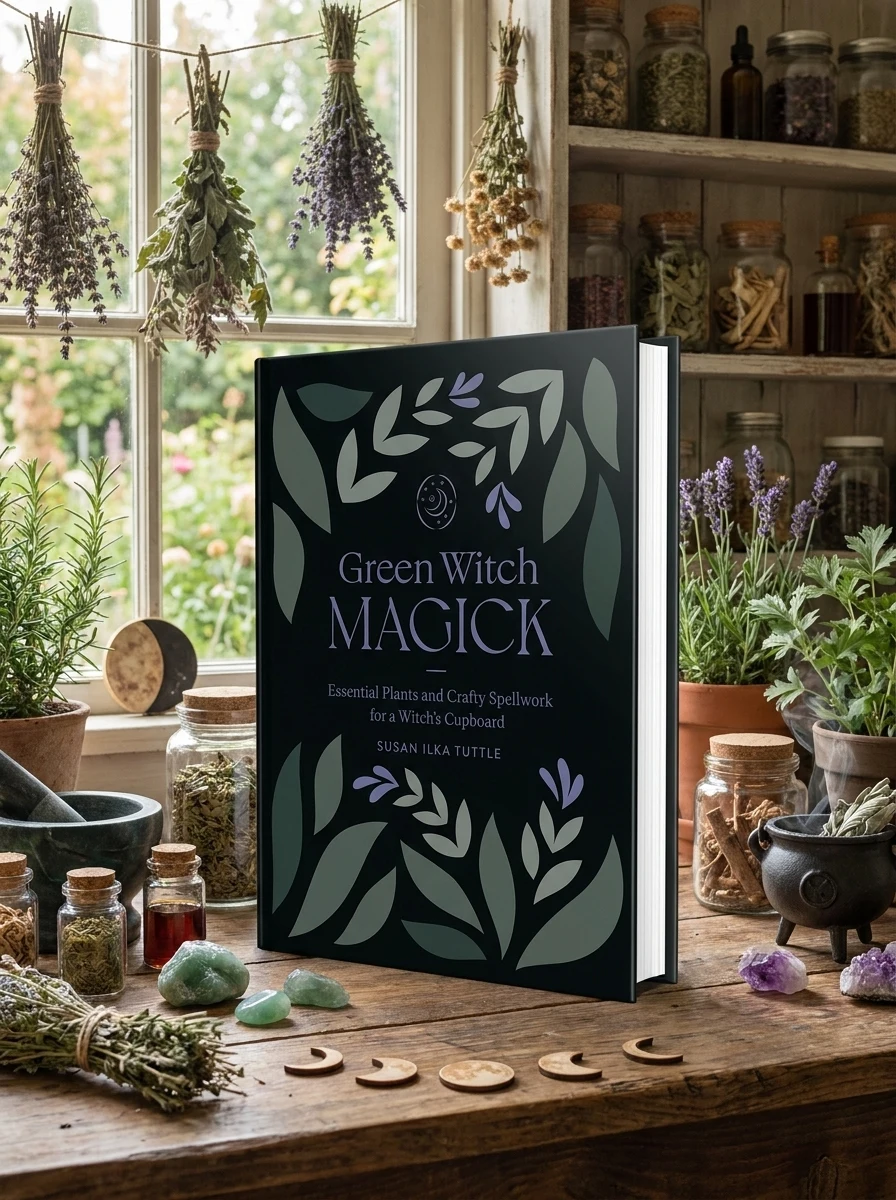
1. Green Witch Magick — Susan Ilka Tuttle
This is a quintessential starting point for those who want to turn their kitchen and garden into a sanctuary. Tuttle focuses on the practicalities of a witch's cupboard, bridging the gap between simple herbalism and active spellwork. It is ideal for those who want to weave natural magic into the mundane rhythms of daily life without needing a massive altar. By focusing on the items already present in a home, it removes the barrier of expensive equipment and encourages the practitioner to find the sacred in the ordinary.
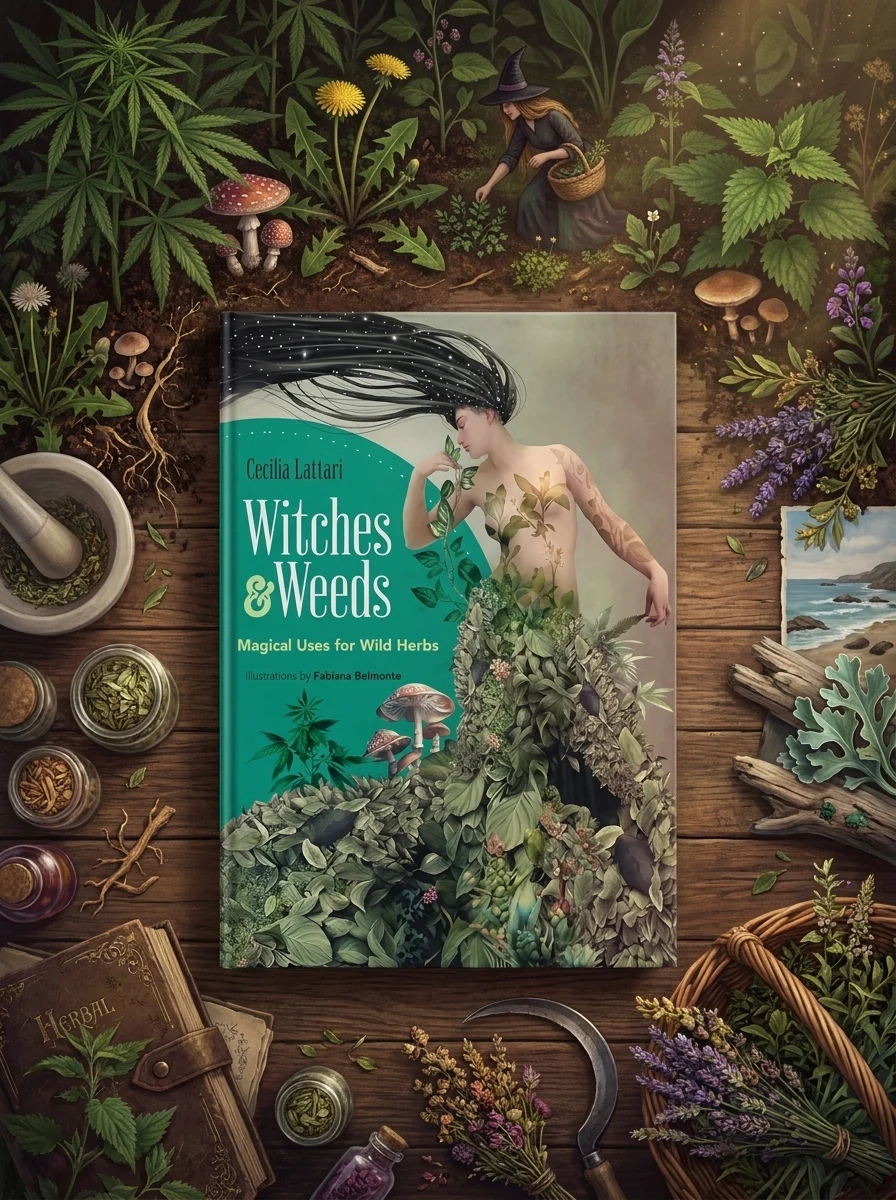
2. Witches and Weeds — Cecilia Lattari
One of the most empowering shifts a practitioner can make is learning to value 'weeds.' Lattari's guide encourages you to look at the overlooked plants in your own backyard. It's a fantastic resource for those who prefer wild-crafting over store-bought ingredients, teaching you to hear the whispers of the earth in the most common places. This approach fosters a deeper connection to the local land, as it forces the witch to engage with the specific ecology of their own region rather than following a generic list of ingredients.
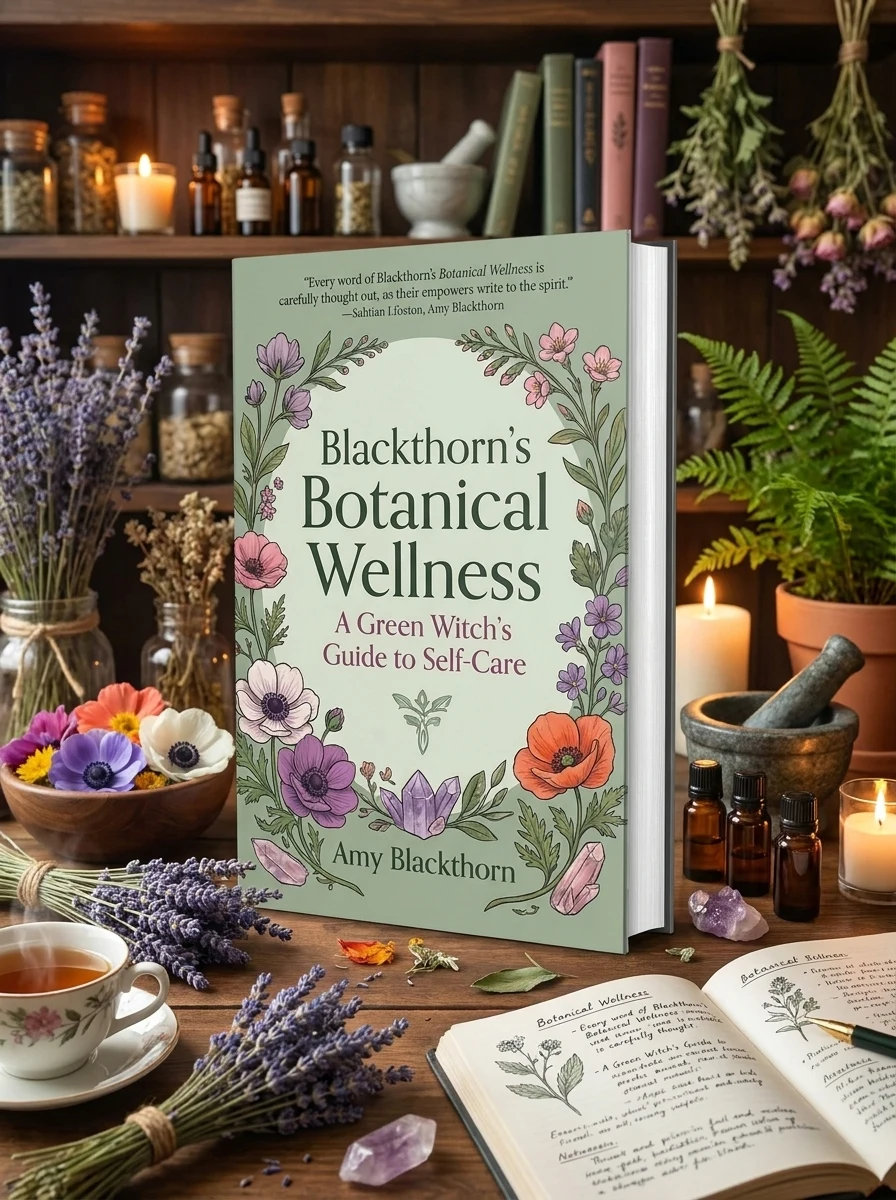
3. Blackthorn's Botanical Wellness — Amy Blackthorn
Green witchcraft isn't just about changing the world around you; it's about healing the self. Blackthorn provides a compassionate approach to self-care rooted in herbalism. This text is particularly useful for those recovering from trauma or burnout who need a gentle, nature-based way to return to their own bodies. It emphasizes the restorative power of the earth, treating the act of gardening and herbal preparation as a form of somatic healing and spiritual reclamation.
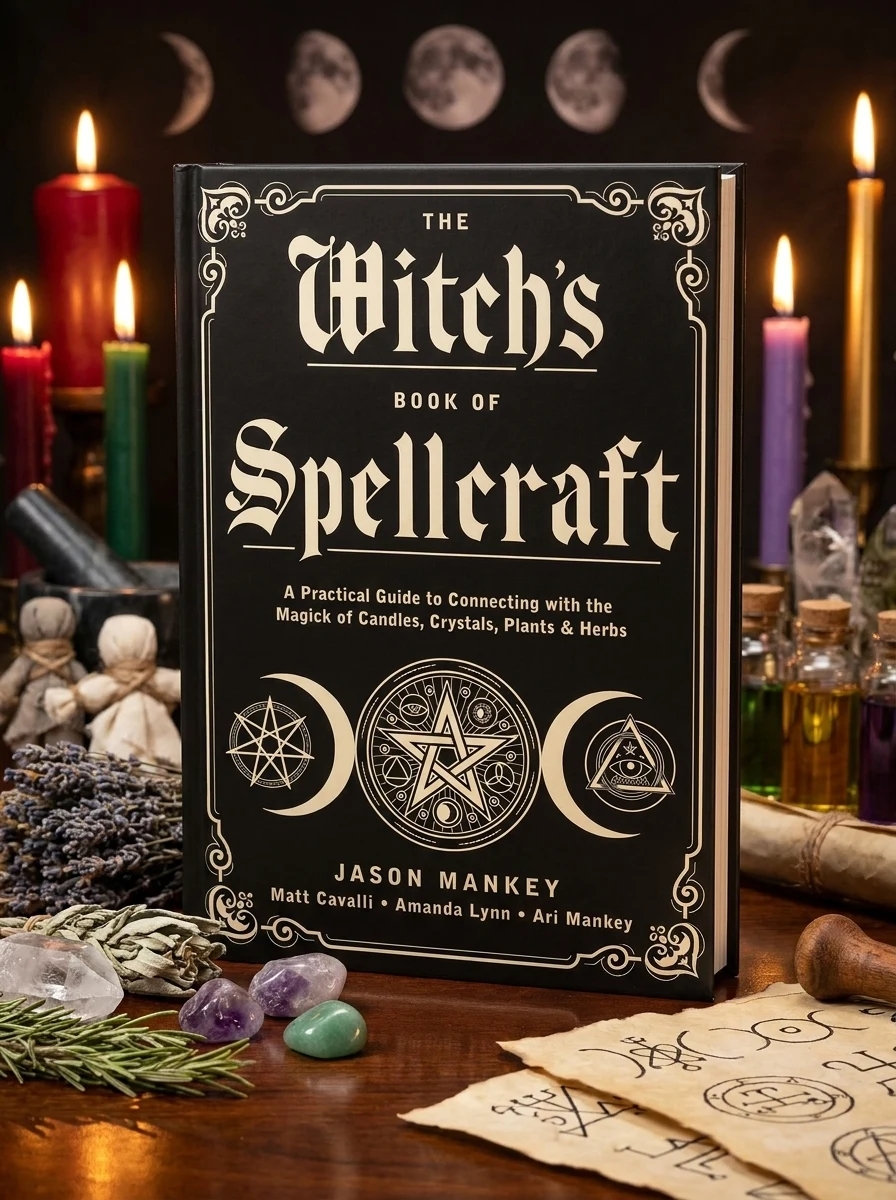
4. The Witch's Book of Spellcraft — Jason Mankey
While it covers crystals and candles, Mankey's approach to plants and herbs is grounded and accessible. This book is for the practitioner who is tired of theory and wants to move directly into action, providing a clear bridge between the material ingredient and the intended manifestation. It serves as a practical manual for those who want to see immediate results in their practice, emphasizing the synergy between different natural elements to amplify a spell's effectiveness.
Living by the Seasonal Cycle
A green witch does not live on a linear calendar; they live on a circle. Understanding the Wheel of the Year and the shifting energy of the planets is crucial for timing your work. If you plant in the winter or harvest in the spring, you are fighting the current of the Earth. Seasonal alignment is not just about agriculture; it is about psychological and spiritual synchronization. When we align our internal state with the external environment, we find that our intentions flow more easily and our rituals carry more weight.
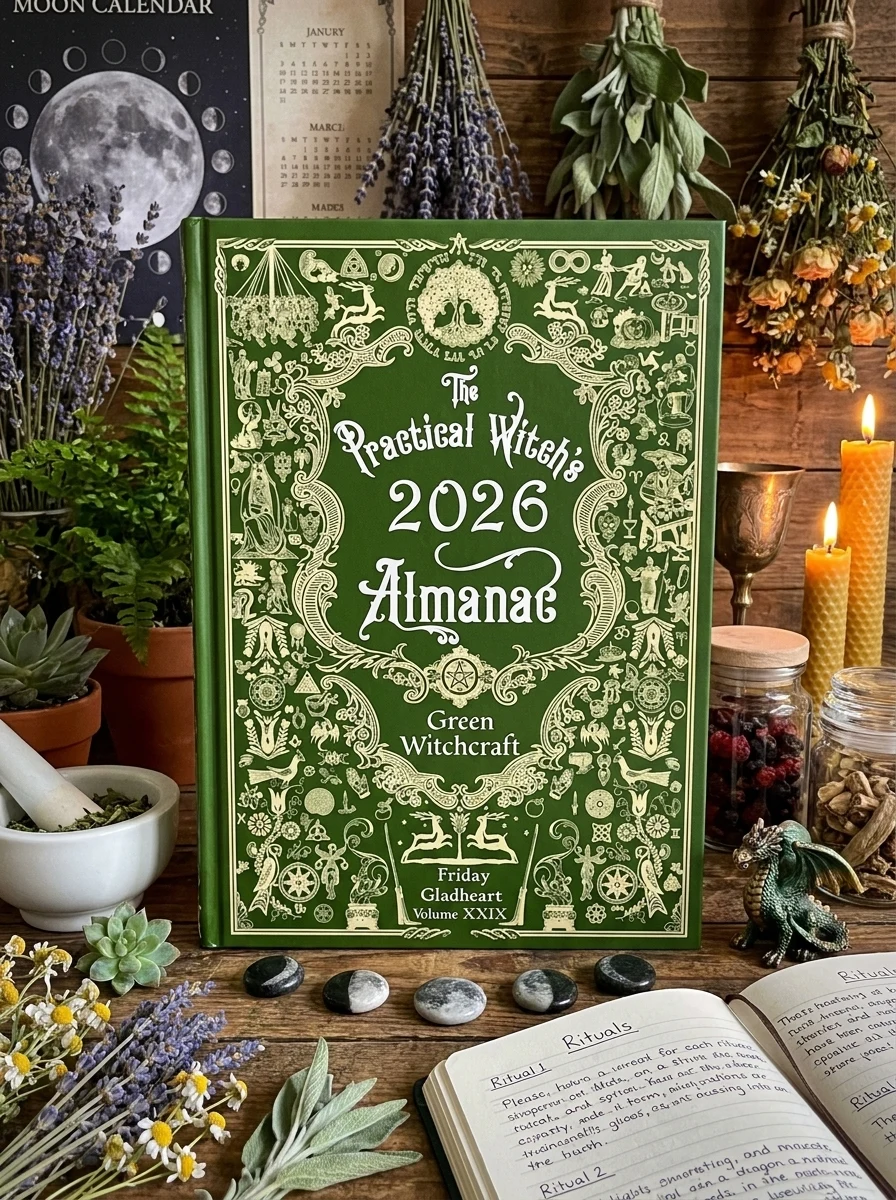
5. The Practical Witch's Almanac 2026 — Friday Gladheart
An almanac is the most vital tool for any nature-based practitioner. Gladheart's 2026 guide provides the necessary structure to integrate magical practices into the actual calendar year. It is a living document that helps you synchronize your internal state with the external environment. By tracking lunar phases and solar shifts, the practitioner can determine the optimal windows for planting, harvesting, and performing specific types of magic.
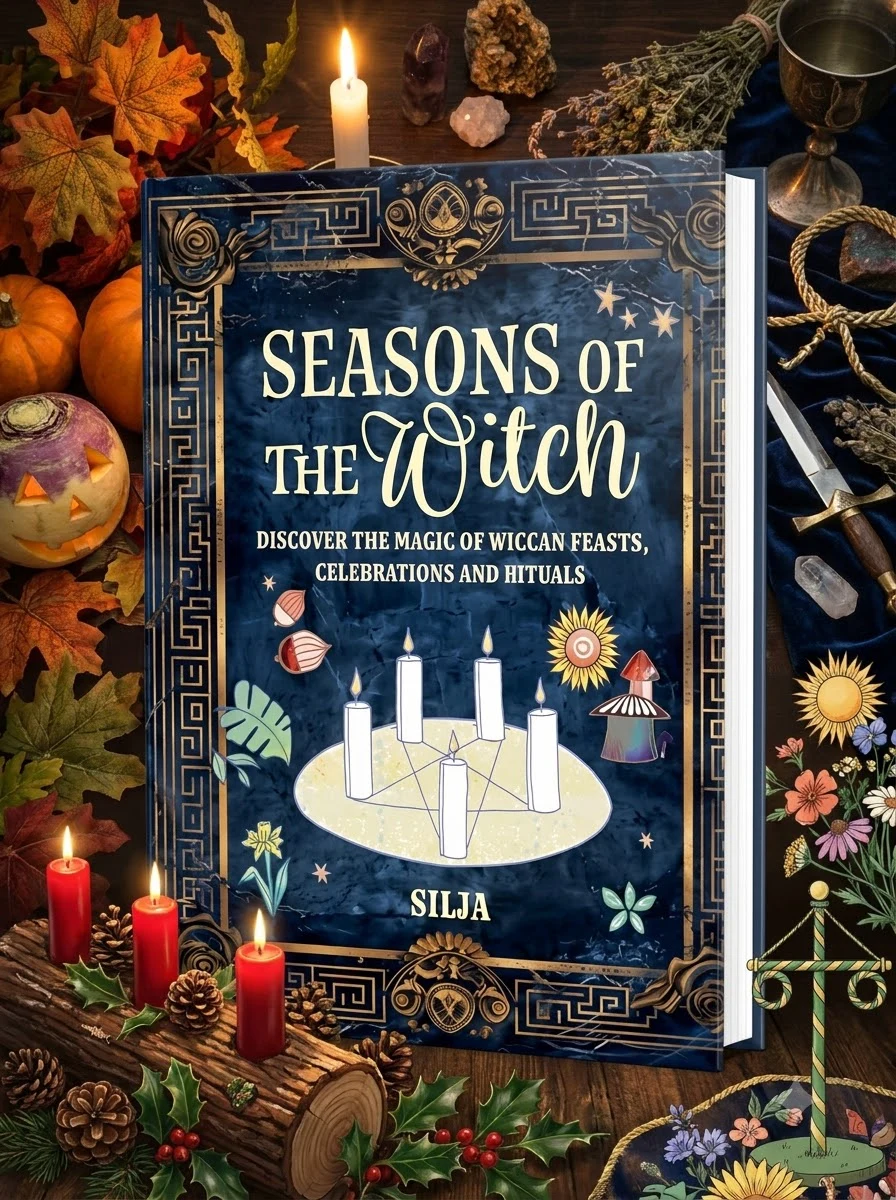
6. Seasons of the Witch — Silja
For those who want to move beyond solitary work and into the celebratory aspects of the craft, Silja's work on Wiccan feasts is invaluable. It focuses on the rituals that mark the turning of the seasons, helping you celebrate life's milestones with intentionality and natural reverence. This text helps the practitioner move from a purely utilitarian view of nature to a celebratory one, recognizing the divine in the cycle of birth, growth, decay, and rebirth.
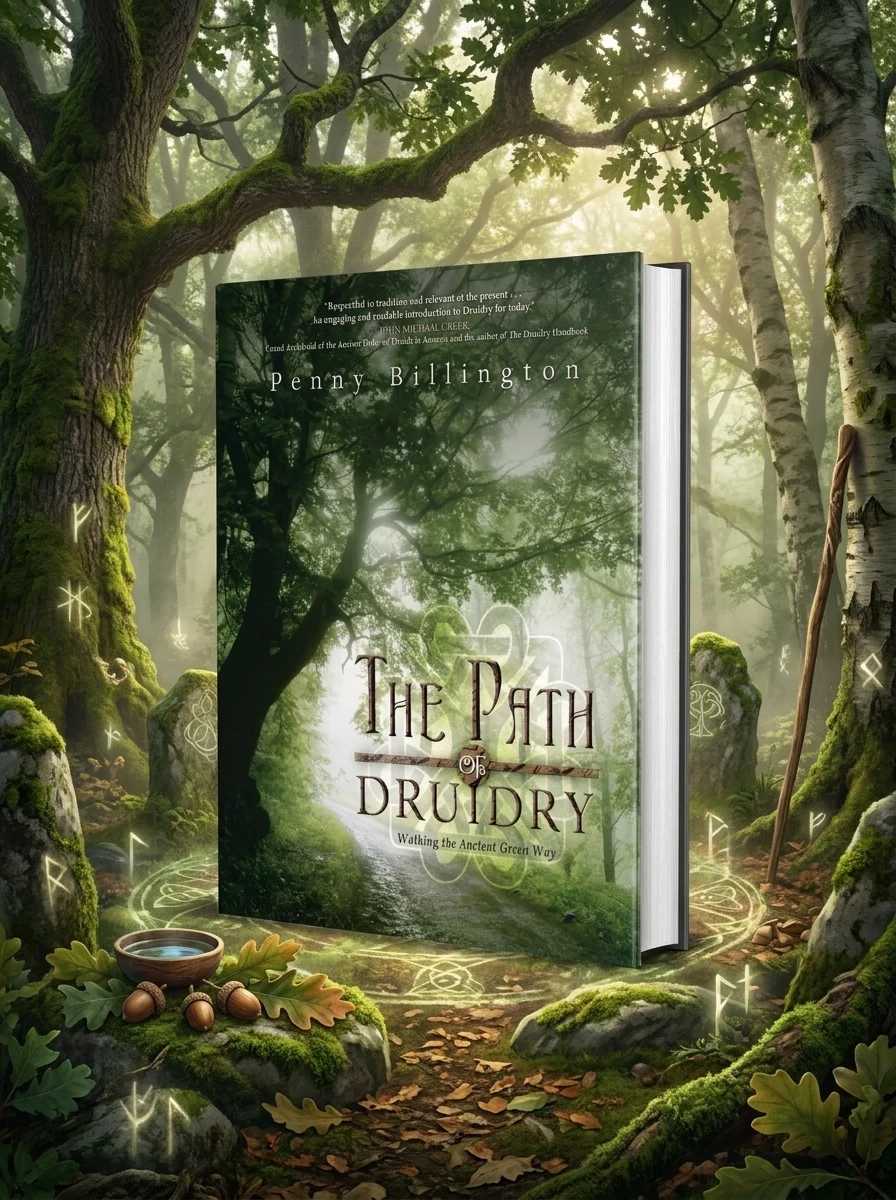
7. The Path of Druidry — Penny Billington
Druidry is perhaps the most ancient 'green' path in the West. Billington offers a structured yet flexible approach to this Celtic wisdom. This is for the seeker who feels a pull toward the old ways and wants a spiritual framework that emphasizes the sacredness of the forest and the land. It encourages a long-term commitment to the land, viewing the practitioner as a steward and a student of the natural world rather than a master of it.
Expanding the Green Toolkit: Divination and Theory
Once you have the plants and the timing, you need a way to listen. Divination in green witchcraft is less about predicting the future and more about diagnosing the present energy of a space or a plant. It is a form of spiritual listening that allows the witch to receive feedback from the environment. Whether through cards, oracles, or direct intuition, divination provides the necessary checks and balances to ensure that the practitioner is working in harmony with the spirits of the land.
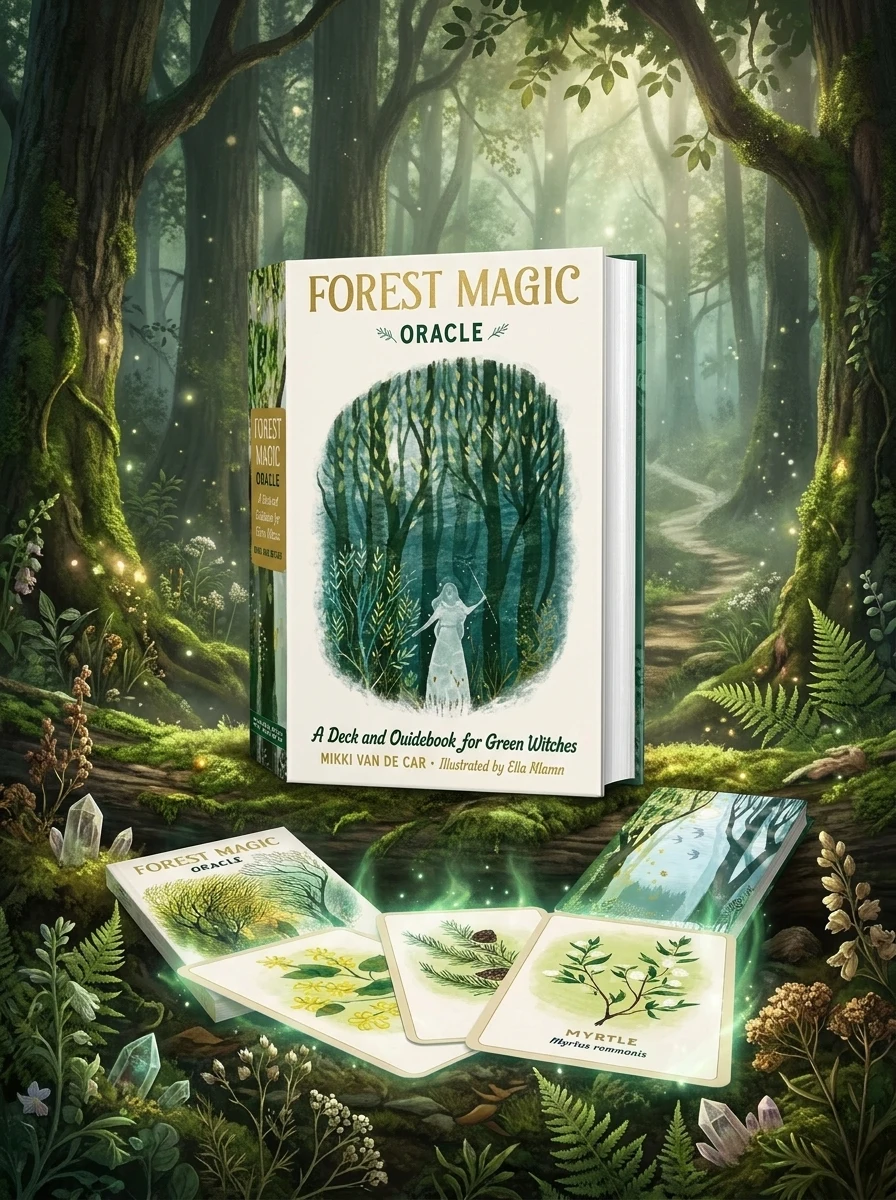
8. Forest Magic Oracle — Nikki Van De Car
This deck and guidebook act as a translator between the witch and the woods. It is particularly useful for city dwellers who may not have a forest in their backyard but still wish to maintain a spiritual connection to the wild. It encourages a conversational relationship with nature spirits, teaching the user how to interpret the signs and symbols that the natural world provides in exchange for attention and respect.
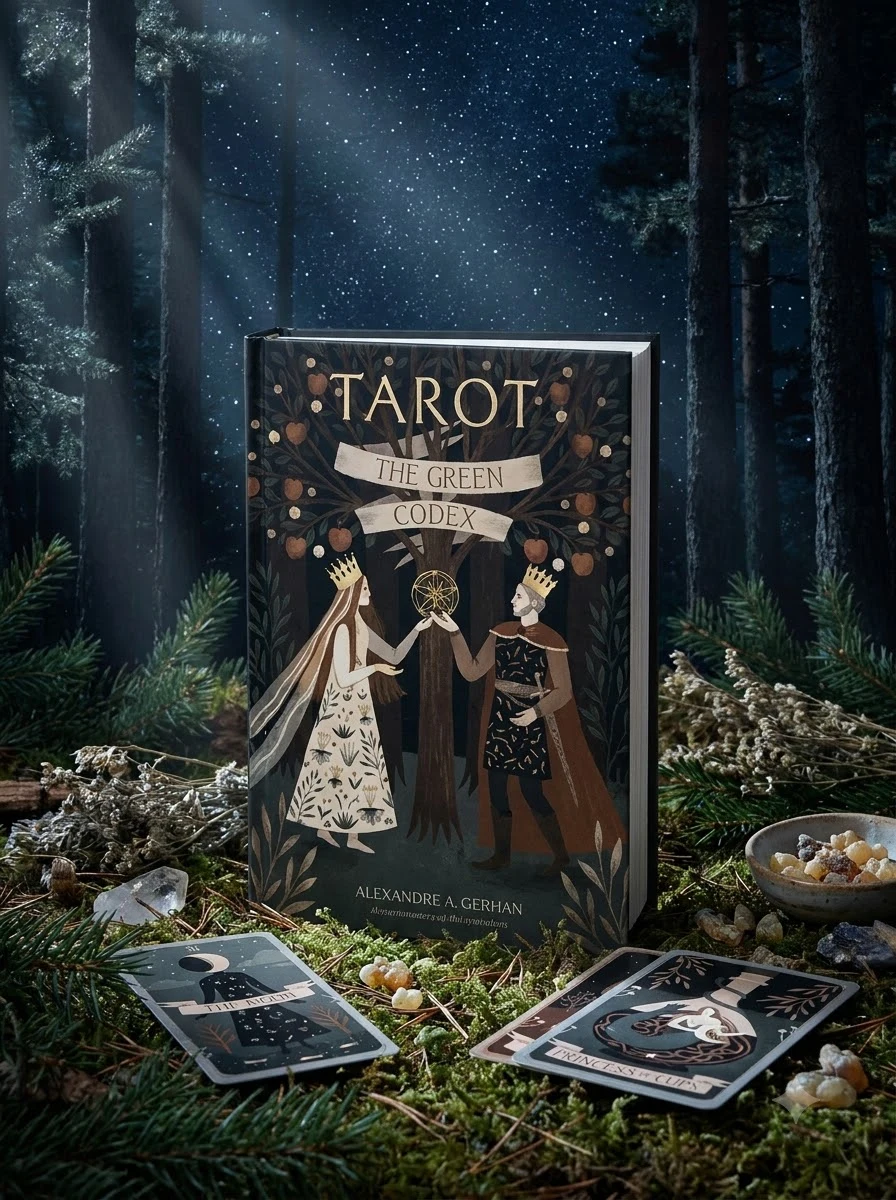
9. Green Codex Tarot Kit — Alexander Kopytin & Alexandra Dvornikova
Tarot is often seen as a psychological tool, but the Green Codex brings it back to the earth. This kit is designed for those who find the serene power of the natural world more resonant than traditional occult symbolism. It's a deeply personal way to approach divination through a botanical lens, allowing the practitioner to map their internal emotional state onto the growth patterns and seasonal shifts of the plant kingdom.
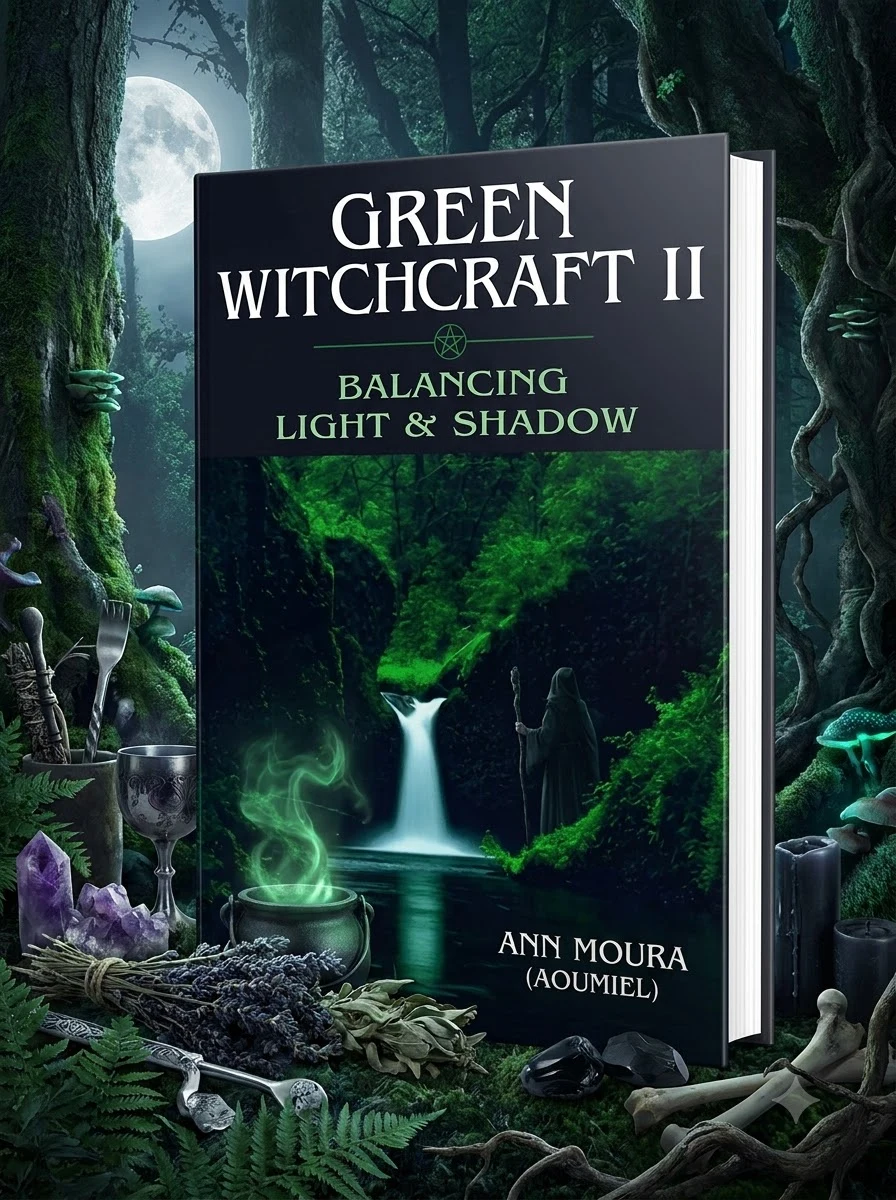
10. Green Witchcraft II — Ann Moura
Moura is a staple in the community for a reason. This second volume allows the practitioner to transcend conventional limits and deepen their connection to the full spectrum of nature—including the darker, more decayed aspects of the cycle that are just as important as the bloom. It addresses the necessity of understanding the 'shadow' side of nature, such as decomposition and winter dormancy, which are essential for the eventual return of spring.
11. The Universe Is a Green Dragon — Brian Swimme
To round out a green library, one needs a cosmic perspective. Swimme bridges the gap between scientific cosmology and spiritual insight. It is a philosophical piece that helps the green witch realize that the 'green' they see in their garden is a reflection of a creative current that spans the entire universe. This perspective prevents the practitioner from becoming too narrow in their focus, reminding them that the laws of the garden are the laws of the galaxy.
How to Build Your Green Library
When choosing which of these books to start with, ask yourself where your current disconnect lies. If you have a garden but don't know what to do with the plants, start with Tuttle or Lattari. These texts provide the immediate, practical knowledge needed to turn a physical space into a magical one. If you feel spiritually adrift and need a schedule to follow, the Almanac or Silja are your best bets, as they provide the temporal structure necessary for consistent practice.
For those who feel a pull toward the ancestral and the ancient, Billington provides the necessary depth to understand the historical context of nature magic. If you are struggling with the emotional weight of your practice or seeking a way to heal, Blackthorn offers the most supportive entry point. The goal is to curate a collection that speaks to your specific environment and your specific needs, rather than simply collecting titles.
Remember that the most important 'book' for a green witch is the land they live on. Use these texts as maps, but let your own observations be the compass. The goal is not to memorize a textbook, but to develop a relationship with the living world that is so profound that the books eventually become secondary to the experience of the wind, the soil, and the seed. The true mastery of green witchcraft is found in the silence between the pages, in the dirt under the fingernails, and in the intuitive knowledge of when to plant and when to let go.