
A Fever in Salem: A New Interpretation of the New England Witch Trials
Stock reported in the catalog; fulfillment is confirmed with your request.
What if Salem's accusers suffered not from hexes, but from a tangible illness?
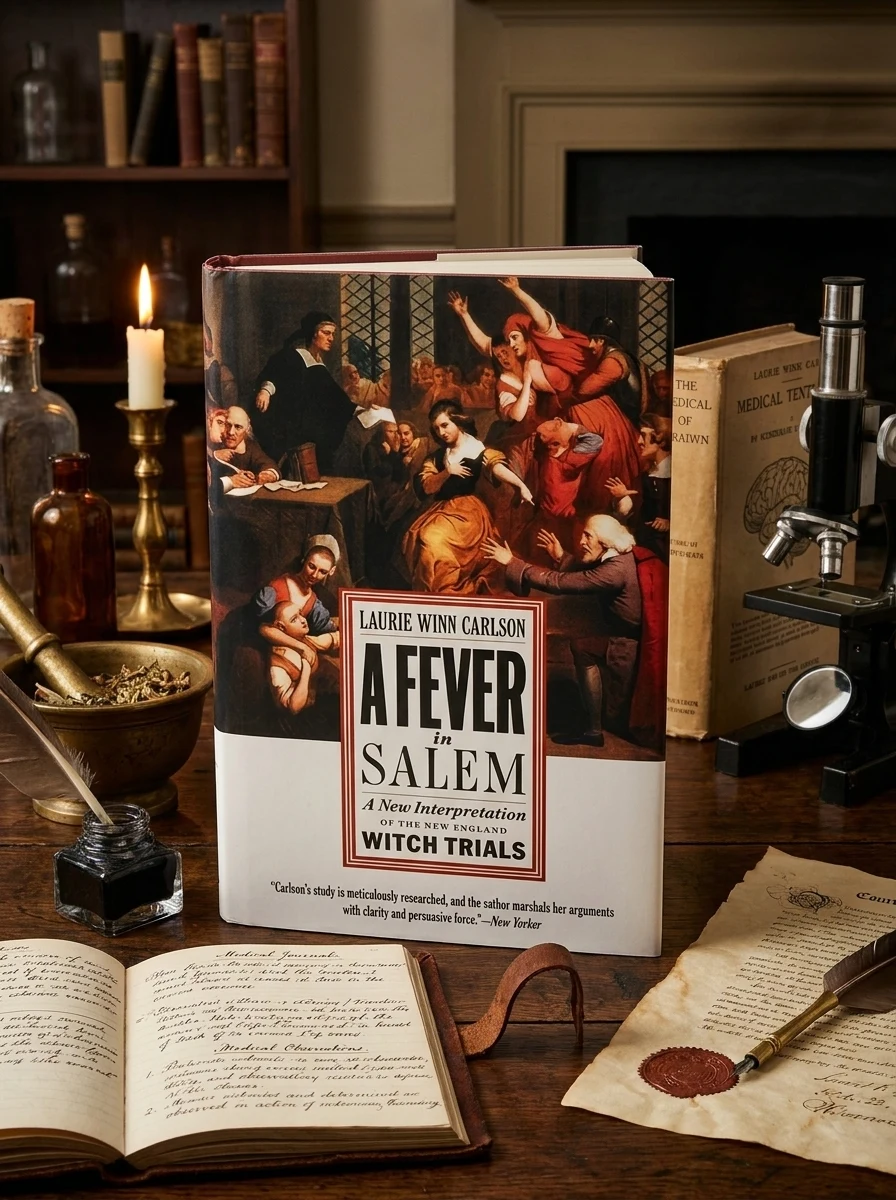
Laurie Winn Carlson's compelling work presents a groundbreaking reevaluation of the New England Witch Trials, shifting focus from the accused to the perplexing symptoms of the afflicted. Drawing parallels between detailed colonial records and the known effects of the early 20th-century encephalitis epidemic, Carlson constructs a persuasive argument that a medical condition, rather than malevolent magic, was at the heart of the Salem accusations. This book masterfully interweaves historical research with epidemiological insights, offering a fresh, scientifically grounded perspective on one of America's most enigmatic historical episodes, compelling readers to reconsider long-held beliefs about the trials.
This work sits firmly within the tradition of revisionist historical analysis and forensic history, applying modern scientific frameworks to reinterpret classic cultural myths. It bridges the gap between academic historiography and accessible narrative non-fiction regarding colonial American events.


📝 Description: A Fever in Salem: A New Interpretation of the New England Witch Trials
💎 Expert review
📖 Why choose it
Why this book is worth reading
Readers fascinated by the intersection of medicine, history, and social psychology will find this book invaluable. It offers a refreshing, logical alternative to supernatural explanations for the Salem Witch Trials, appealing to those who enjoy debunking myths through rigorous research. By shifting focus from the accused to the afflicted, it provides a compassionate yet analytical view of human behavior under duress. Fans of true crime and historical mystery will appreciate the detective-like process of matching colonial symptoms with known epidemics. It is perfect for anyone seeking to understand how fear and illness can intertwine to create societal panic.
⭐ Reader reviews
Reader rating
Carlson delivers a compelling, evidence-based narrative that challenges traditional witchcraft narratives without dismissing the terror experienced by the colonists. However, readers seeking atmospheric horror or detailed theological debates may find the clinical, epidemiological focus dry and detached from the emotional weight of the era. The book is not for those who prefer supernatural interpretations of history, as it firmly grounds events in medical reality. It suits analytical minds who value logical deduction over mystical speculation. While some might miss the spiritual context, the strength lies in its clear, scientific argumentation that recontextualizes a famous tragedy through a modern, rational lens.
❓ Frequently asked questions
📖 Who should read this
If you're fascinated by the intersection of history, medicine, and the unexplained, or seek a fresh, rigorously researched perspective on the Salem Witch Trials, this book is essential. It challenges conventional wisdom, inviting you to question what you thought you knew about this pivotal period.
🎯 Key themes and symbolism
Medical Reinterpretation of History
This book offers a radical medical lens through which to view the Salem Witch Trials. Instead of spiritual or psychological explanations, Carlson posits an organic, physiological cause for the strange behaviors and afflictions reported by the accusers. It challenges traditional historical narratives by foregrounding the potential role of disease in shaping societal events and perceptions of the supernatural.
Focus on the Afflicted
Unlike many studies that delve into the lives and fates of those accused of witchcraft, Carlson meticulously examines the symptoms and experiences of the 'bewitched.' By prioritizing their detailed accounts of suffering, the book directs attention to the physical manifestations of their distress, paving the way for a diagnostic rather than purely socio-cultural investigation of the crisis.
Historical Epidemiology
The author employs the principles of historical epidemiology, methodically comparing symptoms described in 17th-century diaries and court documents with those characteristic of encephalitis epidemics. This unique methodology allows for a retrospective diagnosis across centuries, demonstrating how modern medical understanding can shed light on seemingly inexplicable past events and human suffering.
💬 Quotes from the book
“The recurring patterns of convulsions, altered states of consciousness, and unusual postures described in colonial testimonies bear an undeniable resemblance to the sequelae of specific neurological infections.”
“To dismiss the 'afflictions' as mere fabrication or hysteria is to overlook a consistent medical narrative woven through the very fabric of the court records, demanding a reevaluation beyond the purely psychological.”
📜 Historical context
📚 Glossary
- Encephalitis
- Historical Epidemiology
- Colonial Period
📔 Questions to reflect on
- How does framing the Salem Witch Trials as a medical event change your understanding of the accusers and the accused?
- Consider other historical 'mysteries' or mass phenomena. Could a medical or environmental explanation offer a fresh perspective on them?
- Reflect on the interplay between physical illness, societal beliefs, and the manifestation of perceived supernatural phenomena in any historical context.
You might also like
See more →



 91
91