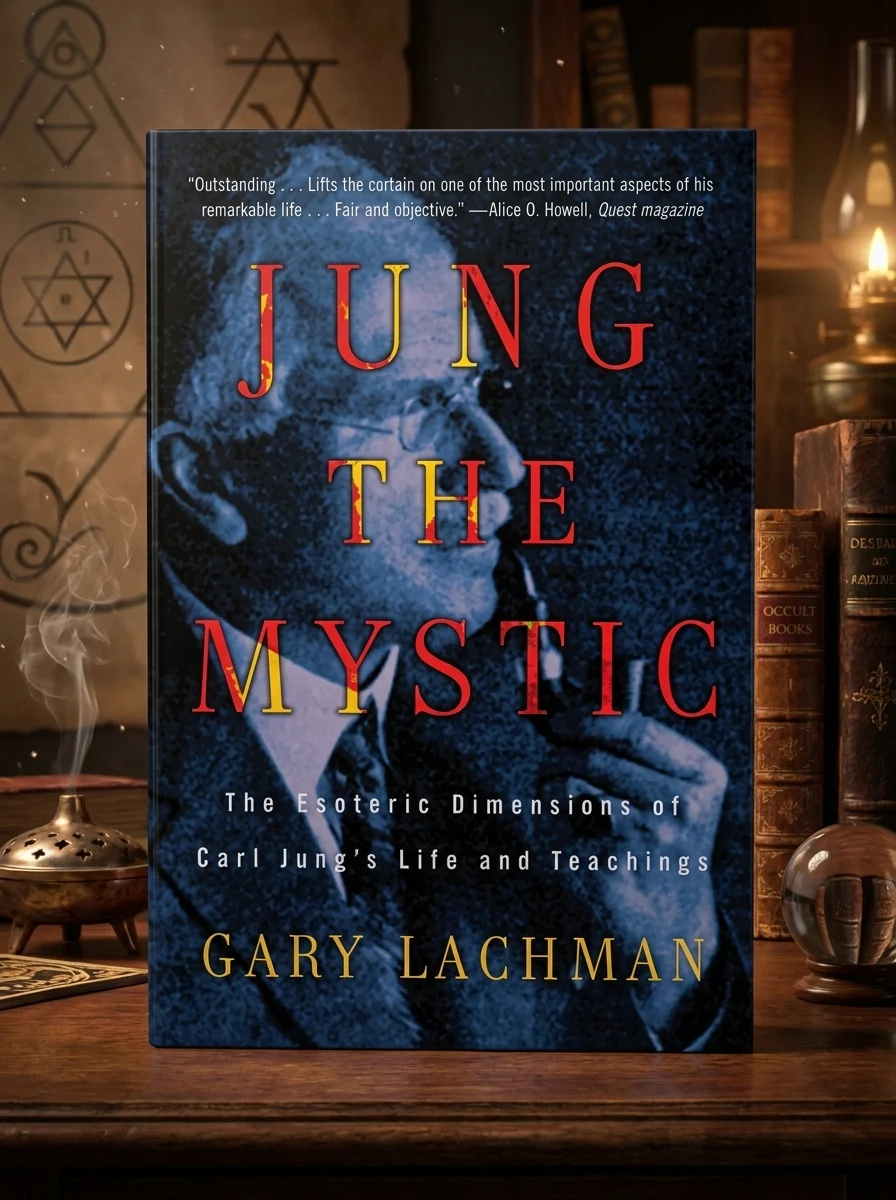
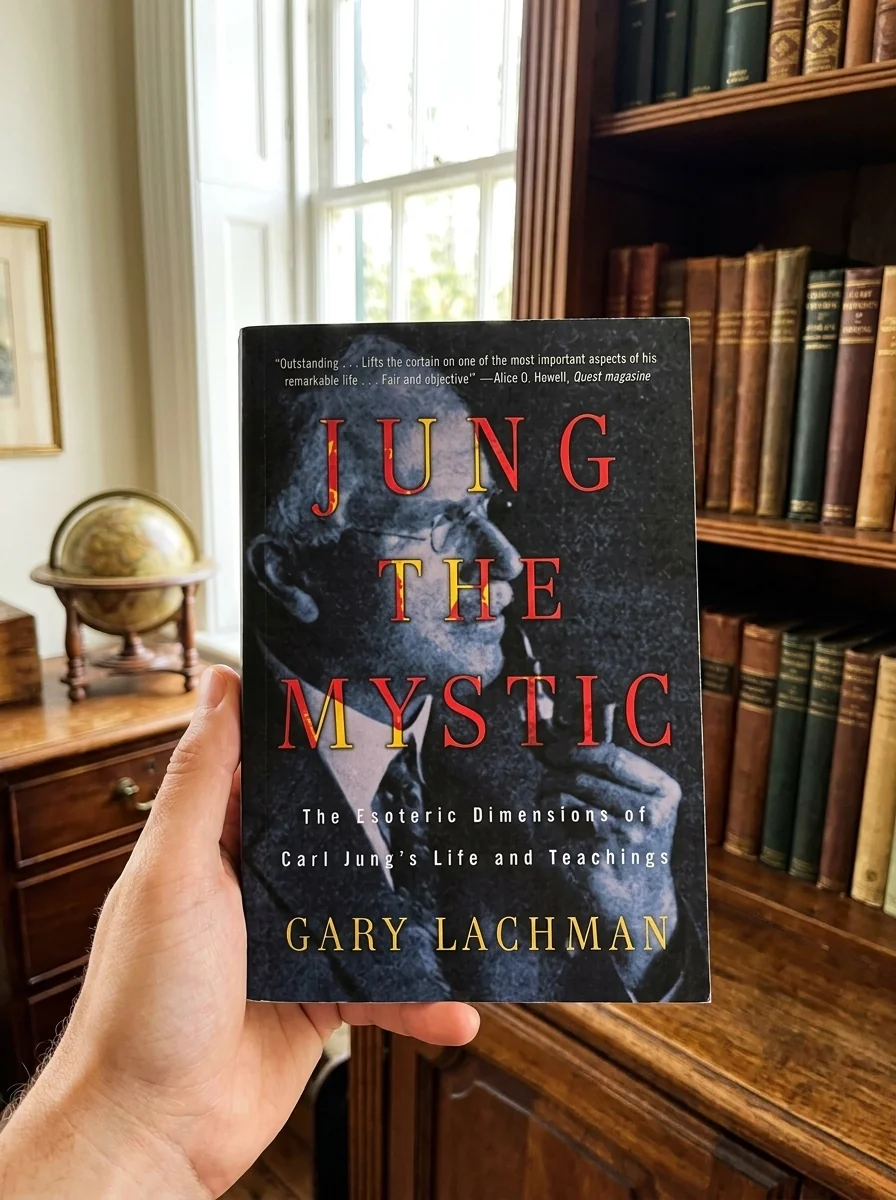
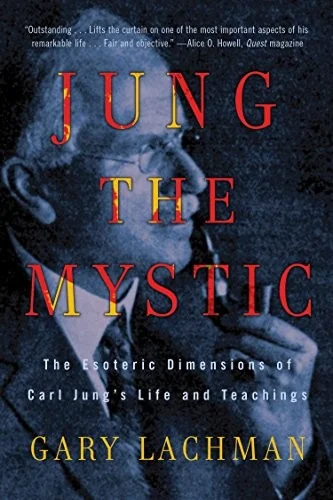
Jung the Mystic: The Esoteric Dimensions of Carl Jung's Life and Teachings
✍️ Lachman, GaryThis captivating biography uncovers the frequently overlooked esoteric side of Carl Jung, the legendary figure behind modern analytical psychology. Rather than a conventional overview, Gary Lachman delves into Jung's personal experiences with the supernatural, from engaging in séances and exploring astrology to his legendary debate with Freud about poltergeists. The book meticulously argues that these profound mystical encounters were not mere anecdotes but foundational to his groundbreaking concepts like synchronicity and the collective unconscious, offering a richer, more complete understanding of his intellectual and spiritual journey.


📝 Description: Jung the Mystic: The Esoteric Dimensions of Carl Jung's Life and Teachings
💎 Expert review
📖 Why choose it
Why this book is worth reading
Readers fascinated by the intersection of psychology and the supernatural will find this book indispensable. It offers a refreshing perspective on Carl Jung, moving beyond his clinical reputation to reveal the esoteric experiences that truly shaped his theories. If you have ever wondered how séances and astrological studies contributed to concepts like the collective unconscious, this biography provides the missing context. It is perfect for those seeking a richer, more complete understanding of Jung’s intellectual journey, showing that his mystical encounters were not mere anomalies but foundational elements of his groundbreaking work in modern analytical psychology.
⭐ Reader reviews
Reader rating
Gary Lachman successfully argues that Jung’s esoteric interests were central to his psychological insights, offering a compelling narrative for those interested in the history of ideas. However, readers seeking a dry, strictly academic critique of Jungian theory may find this approach too anecdotal or speculative. It is best suited for enthusiasts of occult history and biographical deep-dives rather than those expecting a conventional medical biography. The book shines when detailing Jung’s personal supernatural experiences, though it might feel less rigorous to scholars demanding strict empirical evidence over historical narrative.
❓ Frequently asked questions
📖 Who should read this
If you've always sensed deeper, unacknowledged dimensions within Jung's work, or are fascinated by the interplay of pioneering psychology and the unseen realms, this book is for you. It challenges conventional narratives and invites a richer, more nuanced understanding of a towering intellectual figure.
🎯 Key themes and symbolism
Jung's Esoteric Explorations
Discover Jung's deep, often private, engagement with phenomena beyond conventional science. This book chronicles his participation in spiritualist circles, his analytical use of astrological symbolism, and his direct encounters with what many would label paranormal, revealing a life profoundly shaped by the unseen world.
Mysticism's Psychological Roots
Explore how Jung's personal experiences with the mystical directly informed his most enduring psychological theories. The book illustrates how concepts like the collective unconscious and synchronicity emerged not just from clinical observation but from a lifetime of wrestling with esoteric knowledge and inexplicable events.
Re-evaluating a Modern Master
This work invites readers to re-examine Carl Jung beyond his established image as a purely scientific psychologist. It asserts that to truly grasp his contributions, one must acknowledge the profound influence of occult and mystical traditions on his thought, presenting a more holistic and challenging portrait.
📜 Historical context
📚 Glossary
- Collective Unconscious
- Synchronicity
- Archetype
📔 Questions to reflect on
- Reflect on how personal, seemingly irrational experiences might influence a groundbreaking scientific or philosophical theory. Where do you draw the line between subjective insight and objective truth?
- Consider the tension between a public persona (Jung the scientist) and private beliefs (Jung the mystic). How do individuals navigate these different aspects of their identity in their professional lives?
- If Jung's mystical experiences were foundational to his work, what does this imply about the relationship between modern psychology and esoteric traditions?