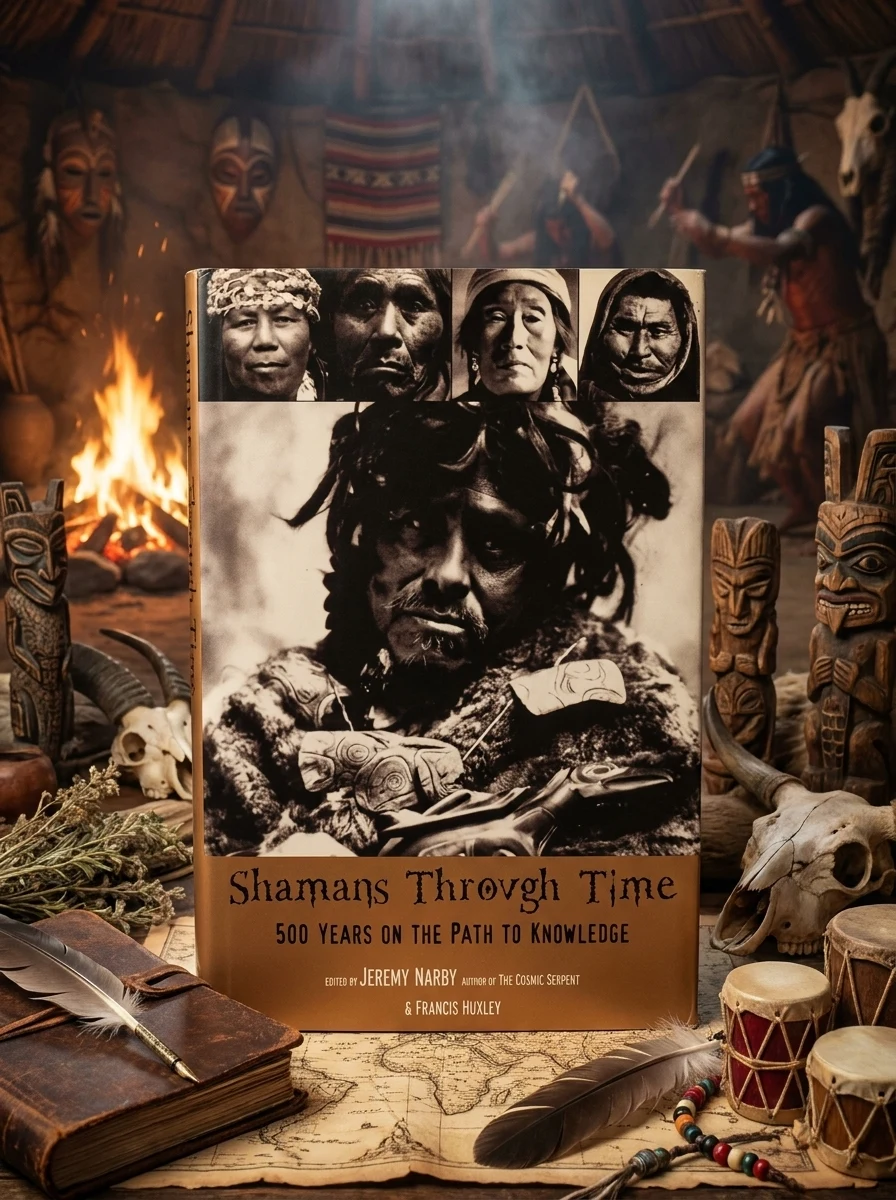
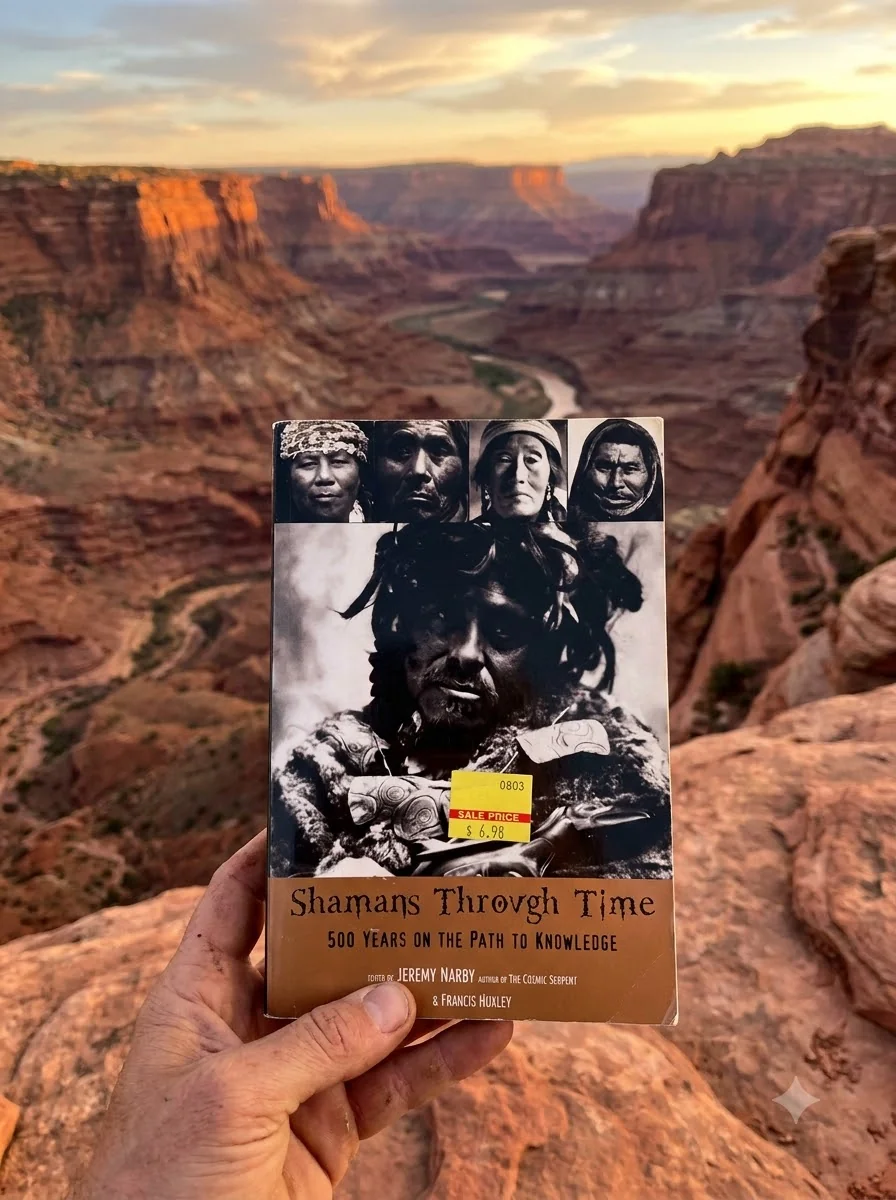
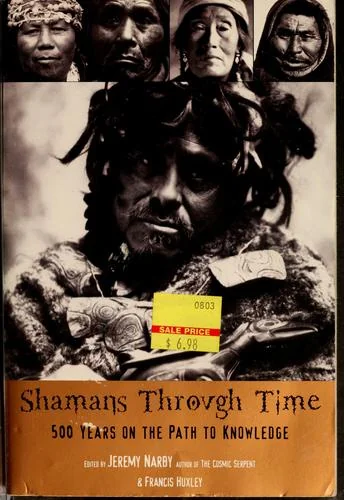
Shamans Through Time: 500 Years on the Path to Knowledge
This compelling collection compiles historical accounts and insightful essays spanning five centuries, chronicling how Western observers have grappled with understanding shamanic traditions. From the awe of early explorers witnessing spirit summoners to the analytical lens of modern anthropologists, it maps the evolving perception of these powerful figures. Discover diverse perspectives on tricksters, healers, and conjurers, presented through the writings of those who encountered or studied them, providing a unique cross-cultural dialogue on ancient knowledge and its interpretation over time.


📝 Description: Shamans Through Time: 500 Years on the Path to Knowledge
💎 Expert review
📖 Why choose it
Why this book is worth reading
Readers fascinated by the evolution of Western thought regarding indigenous spirituality will find this volume indispensable. It offers a unique cross-cultural dialogue, allowing you to trace how perceptions of healers and conjurers shifted from early explorers' awe to modern anthropological scrutiny. If you enjoy understanding how ancient knowledge is interpreted across time, this collection provides deep insight into the complex relationship between observer and observed. It is ideal for those seeking to understand the historical roots of contemporary esoteric interest and the enduring mystery of spirit summoners.
⭐ Reader reviews
Reader rating
Narby’s compilation offers a compelling look at five centuries of Western encounters with shamanic traditions, blending historical accounts with insightful essays. The book successfully maps the evolving perception of these figures, from tricksters to healers. However, readers seeking practical rituals or contemporary spiritual guidance will be disappointed, as this is strictly an analytical and historical text. It may also feel dry to those who prefer narrative-driven adventure over academic critique. Ultimately, it suits historians and anthropologists more than casual occultists looking for immediate mystical experiences.
❓ Frequently asked questions
📖 Who should read this
If you're fascinated by the intersection of anthropology, spirituality, and history, this book is for you. It offers a rich tapestry of perspectives for anyone curious about how different cultures have engaged with the profound mysteries of shamanism throughout the ages.
🎯 Key themes and symbolism
Western Gaze on Shamanism
The book meticulously documents how Western civilization, through its priests, adventurers, and scholars, has historically perceived and interpreted shamanic practices. It reveals a spectrum of reactions, from bewildered wonder and fascination with 'magic men' to attempts at scientific classification, illustrating the persistent challenge of bridging cultural and spiritual divides in understanding these ancient paths.
Diversity of Shamanic Practices
Beyond a singular definition, this anthology showcases the incredible variety of shamanic rituals and roles across the globe. Readers will encounter accounts of spirit communication, healing ceremonies, animalistic imitations, and transformative rites, highlighting the rich tapestry of techniques and spiritual functions performed by shamans, from consuming potent elixirs to enduring physical ordeals.
Evolution of Understanding
The collection serves as a historical barometer, tracing the shifts in Western attitudes toward shamanism. From initial bewilderment and occasional condemnation to more nuanced anthropological study and spiritual appreciation, it reflects humanity's ongoing journey to comprehend phenomena beyond conventional scientific frameworks, and the gradual acceptance of indigenous knowledge systems.
📜 Historical context
📚 Glossary
- Shamanism
- Trickster
- Conjurer
📔 Questions to reflect on
- Reflect on a time you encountered a belief system or practice that initially seemed 'strange' or 'unfamiliar.' How did your perspective evolve upon closer examination?
- The book discusses 'struggles to interpret ancient knowledge.' What societal or personal biases do you think most impede our understanding of unfamiliar spiritual traditions today?
- Consider the role of 'magic men and women' in ancient cultures. How do modern societies fulfill similar needs for healing, guidance, or connecting with the unseen?