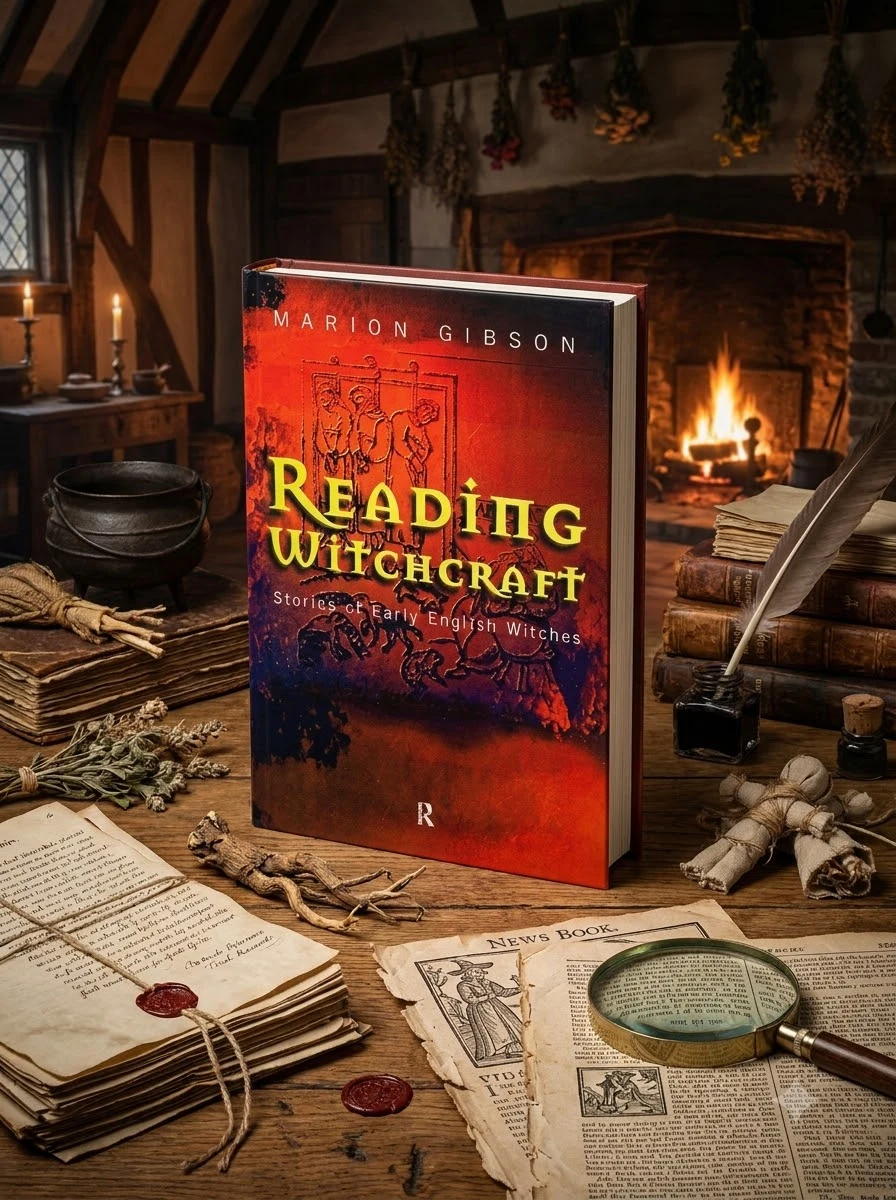
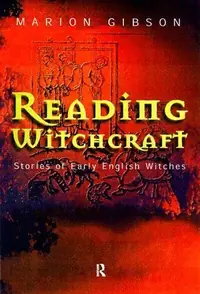
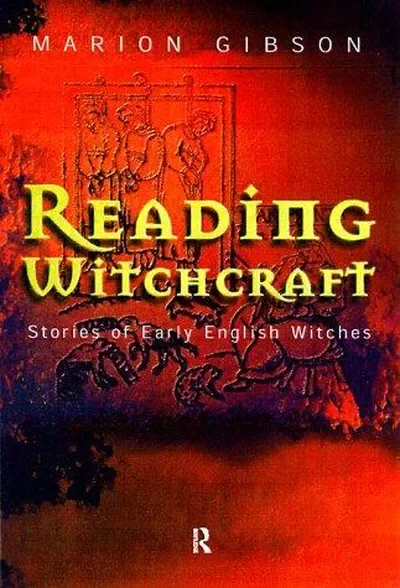
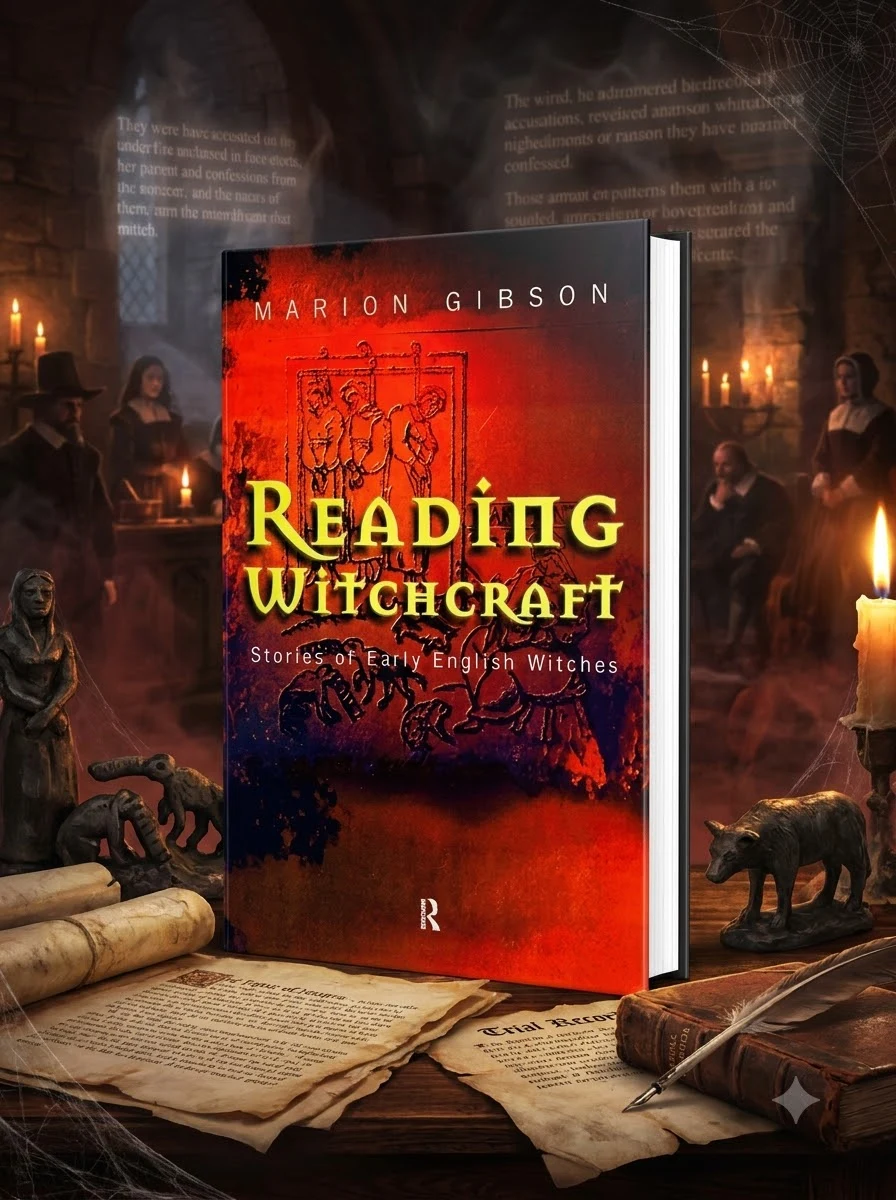
Reading Witchcraft
Gibson, Marion 83
83
 Editorial score
How we rate
Editorial score
How we rate
Stock reported in the catalog; fulfillment is confirmed with your request.
Unravel the twisted narratives of witchcraft, where truth often hides behind perception.
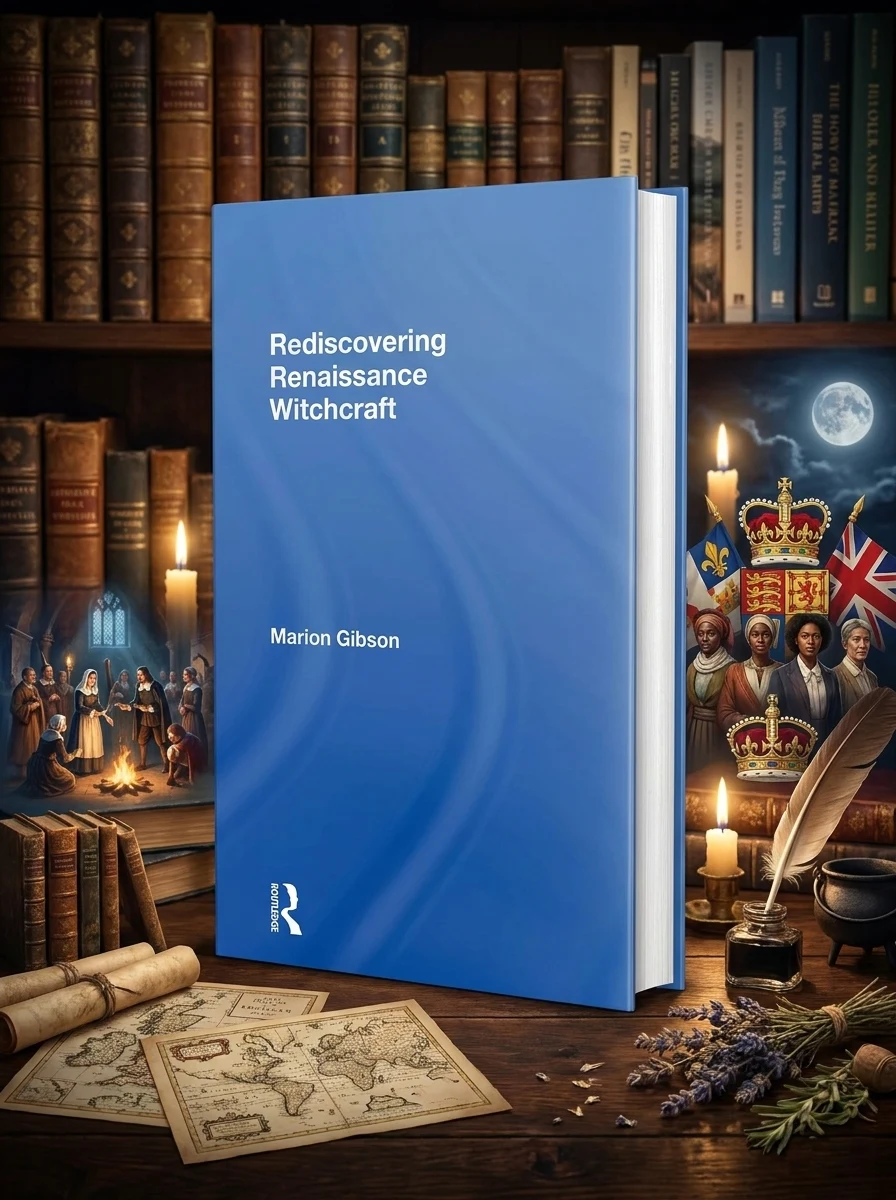
Marion Gibson's "Reading Witchcraft" delves into the complex tapestry of stories woven around accused witches and their supposed victims. Through meticulous examination of primary sources—from legal transcripts to ephemeral news pamphlets and compelling personal testimonies—Gibson challenges conventional interpretations. She expertly demonstrates how these historical accounts are rarely straightforward, often colored by bias, fear, and the era's imaginative landscape. This insightful work offers a fresh perspective on how early modern societies understood and responded to the phenomenon of witchcraft, highlighting the astonishing malleability of human belief.
This scholarly work situates itself within the historiography of early modern European witchcraft trials and the cultural construction of supernatural beliefs. It engages with the broader academic tradition of analyzing how societal fears and legal frameworks shaped the narrative of witchcraft during that specific historical period.


📝 Description: Reading Witchcraft
💎 Expert review
📖 Why choose it
Why this book is worth reading
Readers who seek to understand the intricate mechanics of historical perception will find this text invaluable. Gibson invites you to look beyond the surface of legal transcripts and pamphlets to uncover the bias and fear that colored these accounts. It is ideal for those fascinated by how truth is constructed in times of panic. By examining personal testimonies and ephemeral news, she reveals the malleability of belief. This book empowers readers to question conventional interpretations and appreciate the complex tapestry of stories surrounding accused witches. It offers a fresh perspective that challenges simplistic narratives, providing a deeper appreciation for the imaginative landscape of early modern societies.
⭐ Reader reviews
Reader rating
Gibson provides a rigorous deconstruction of witchcraft narratives, relying heavily on primary sources like legal transcripts and news pamphlets. While intellectually stimulating for historians and literature scholars interested in the construction of truth, this work may not suit casual readers seeking dramatic storytelling or straightforward historical summaries. The dense analysis of bias and perception requires patience and academic interest. It is best for those willing to engage with complex arguments about human belief systems rather than those looking for a light read on supernatural folklore. The scholarly approach ensures accuracy but limits broad accessibility.
❓ Frequently asked questions
📖 Who should read this
If you seek a rigorous, critical examination of historical witchcraft, rather than a spellbook, this is for you. Readers interested in the history of ideas, source criticism, and the social construction of belief will find Gibson's scholarship illuminating and thought-provoking.
🎯 Key themes and symbolism
Source Interpretation Challenges
Gibson meticulously unpacks the inherent difficulties in deciphering historical documents concerning witchcraft. She reveals how trial records, early publications, and personal accounts are not neutral transmitters of truth but rather constructed narratives, often reflecting the biases, fears, and cultural lenses of their creators and the times they emerged from.
Social Perceptions of Witchcraft
The book explores how early modern communities conceptualized witches and their alleged actions. It investigates the dynamic interplay between societal anxieties, legal frameworks, and popular beliefs that shaped public understanding and reactions to witchcraft accusations, showing how these perceptions were far from static or universally shared.
The Imaginative Element
Gibson highlights the profound role of human imagination in both creating and perpetuating witchcraft narratives. She illustrates how the extraordinary flexibility of the human mind, fueled by fear and cultural conditioning, contributed to the often bizarre and unreliable representations of witches and their powers found in historical records.
💬 Quotes from the book
“The archives do not simply present us with 'facts'; they offer layers of interpretation, each reflecting the hopes, fears, and prejudices of those who created them.”
“What we often call 'witchcraft' in the past was as much a product of collective human imagination, shaped by cultural anxieties, as it was any tangible, observable reality.”
📜 Historical context
📚 Glossary
- Early Modern Period
- Historiography
- Newsbooks
📔 Questions to reflect on
- Consider a contemporary "supernatural" phenomenon or conspiracy theory. How might its narratives be shaped by similar biases or imaginative elements as historical witchcraft accounts?
- When examining any historical event, what steps can you take to critically assess the reliability and perspective of the primary sources available?
- Reflect on a personal belief you hold that might be influenced more by cultural narratives or imagination than by empirical evidence. How does this compare to the historical perception of witchcraft?
✍️ More books by this author Gibson, Marion
All books by this author →
 89
89
 89
89

🏛 Books from this publisher Routledge
All books from this publisher →
 89
89
You might also like
See more → 90
90
 89
89
 88
88
 84
84
 81
81