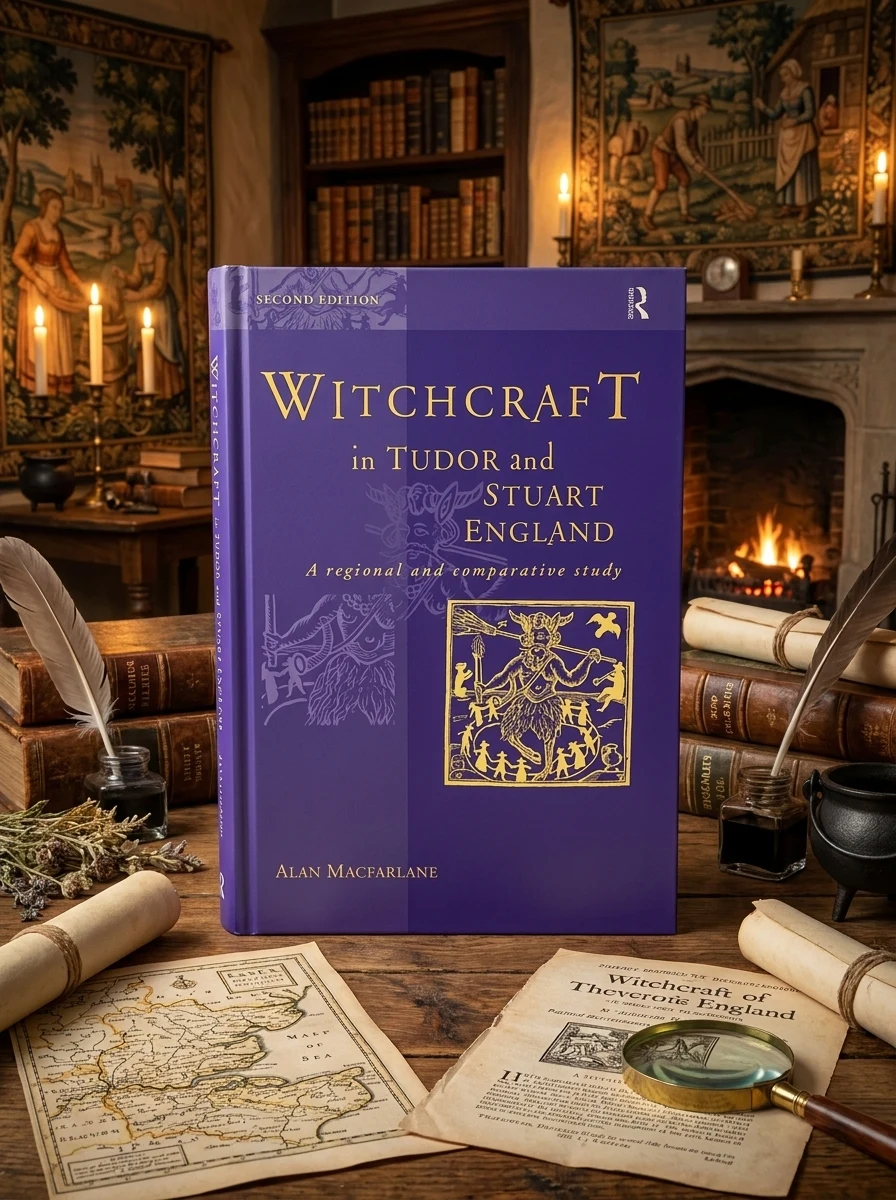
Witchcraft in Tudor and Stuart England
MacFarlane, Alan 89
89
 Editorial score
How we rate
Editorial score
How we rate
Stock reported in the catalog; fulfillment is confirmed with your request.
Uncover the chilling social fabric woven around witchcraft accusations in early modern England.
Alan MacFarlane's seminal work delves into the intricate world of witchcraft in Tudor and Stuart England, offering a groundbreaking regional and comparative analysis. Focusing particularly on Essex, this study pioneered an innovative quantitative and anthropological approach to social history. Its profound insights have not only shaped witchcraft scholarship but also influenced broader historical methodologies. The updated edition includes a new introduction, thoughtfully situating this classic text within contemporary academic discourse and highlighting its enduring relevance.
This text anchors itself firmly within the historiography of early modern England, specifically examining the social fabric surrounding witchcraft accusations during the Tudor and Stuart periods. It represents a pivotal shift in social history by employing quantitative and anthropological methodologies to understand these historical phenomena.


📝 Description: Witchcraft in Tudor and Stuart England
💎 Expert review
📖 Why choose it
Why this book is worth reading
This book is essential for scholars and serious enthusiasts eager to understand the structural underpinnings of witchcraft accusations rather than just their sensational aspects. Readers who appreciate rigorous social history will find immense value in MacFarlane’s pioneering regional analysis of Essex, which offers a fresh perspective on how community dynamics fueled these fears. The updated edition ensures that this classic remains accessible and relevant, providing crucial context for those interested in how historical methodologies have evolved. It is particularly rewarding for those seeking to grasp the profound influence this work has had on shaping contemporary witchcraft scholarship and broader historical understanding.
⭐ Reader reviews
Reader rating
MacFarlane’s seminal study offers a groundbreaking comparative analysis that reshaped our understanding of early modern England, yet it demands patience from its audience. This is not a narrative-driven account for casual readers seeking lurid tales or simple explanations; the dense quantitative and anthropological approach may alienate those preferring lighter historical fiction or straightforward biographies. However, for academics and dedicated historians, it provides indispensable insights into the social fabric of witchcraft accusations. The new introduction successfully situates this enduring text within modern discourse, making it a vital resource despite its academic rigor.
❓ Frequently asked questions
📖 Who should read this
If you're captivated by the intricate social dynamics of early modern England, or if you seek a robust, academically rigorous exploration of historical witchcraft, this foundational text is essential reading. It's particularly rewarding for historians and those interested in pioneering research methods.
🎯 Key themes and symbolism
Social History Methodology
This book revolutionized historical study by employing rigorous quantitative analysis alongside anthropological perspectives. It demonstrated how local records could illuminate broad social patterns, offering a template for examining cultural phenomena through empirical data rather than mere anecdote, profoundly impacting how historians approach societal structures.
Regional Case Study
By meticulously examining the Essex witch trials, MacFarlane provides a granular understanding of how accusations manifested in a specific locale. This detailed regional focus is then juxtaposed with comparisons across other parts of early modern England, revealing both unique local dynamics and overarching societal anxieties concerning witchcraft.
Enduring Debates
The study confronts the emotionally charged and often contentious debates surrounding historical witchcraft. It encourages readers to look beyond sensationalism, engaging with the complex social, economic, and psychological factors that fueled such beliefs and persecutions, demonstrating their persistent resonance in historical discourse.
💬 Quotes from the book
“The witch accusation, far from being a random act of malice, often served as a critical mechanism for articulating and resolving deeper social tensions within the community.”
“By meticulously charting the familial and communal connections in Essex, we discern patterns of suspicion that transcend individual animosity, revealing systemic vulnerabilities to panic.”
📜 Historical context
📚 Glossary
- Tudor Era
- Stuart Era
- Historiography
📔 Questions to reflect on
- How did the social structures of early modern English villages contribute to the prevalence and nature of witchcraft accusations?
- Consider how MacFarlane's quantitative and anthropological methods could be applied to understanding other historical phenomena beyond witchcraft.
- Reflect on the enduring human tendency to seek scapegoats during times of societal stress, as illuminated by this historical study.
✍️ More books by this author MacFarlane, Alan
All books by this author →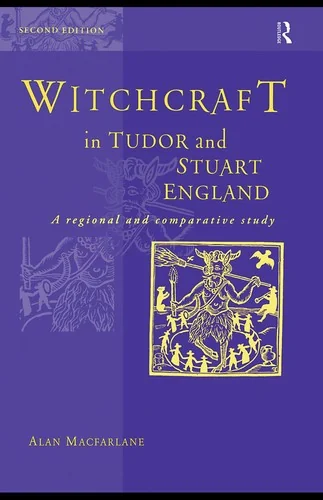
🏛 Books from this publisher Routledge
All books from this publisher →
 89
89

You might also like
See more →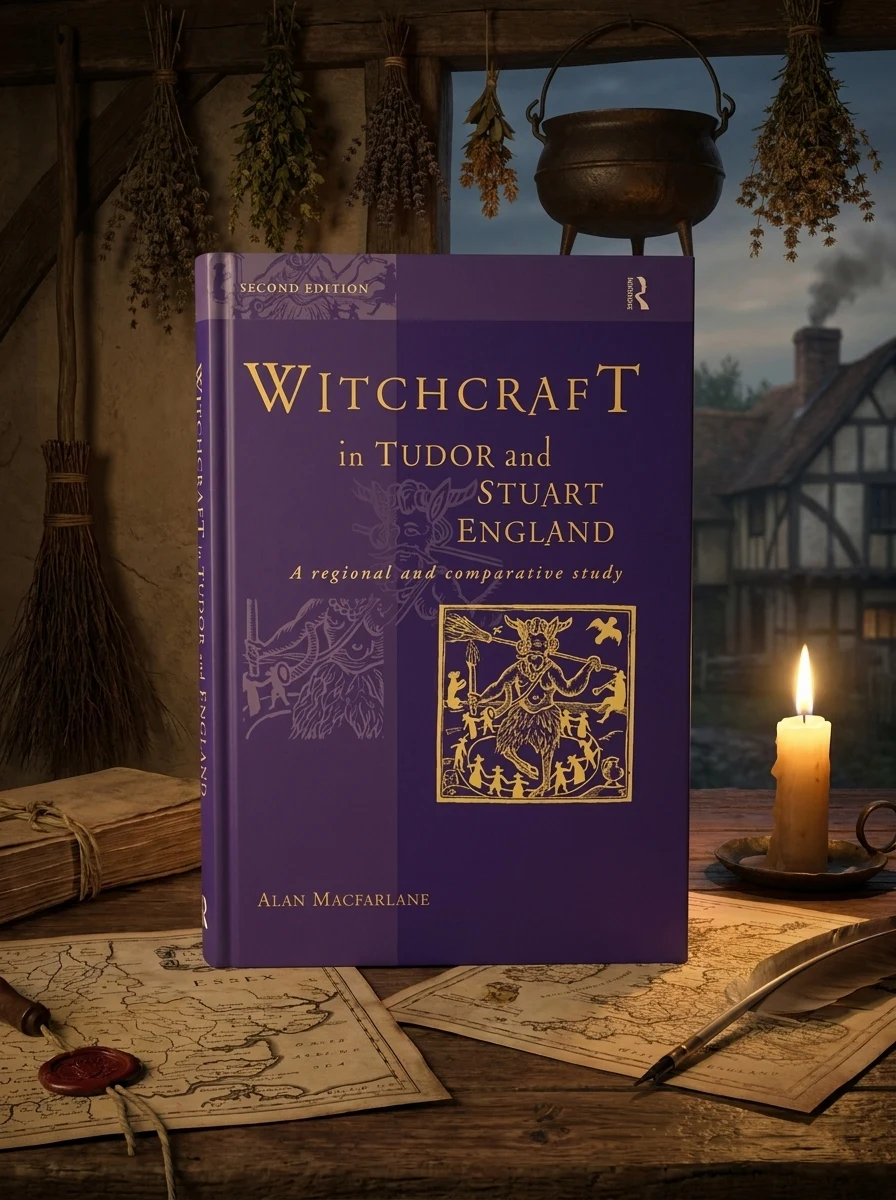 90
90
 91
91

 90
90
 90
90