About the author
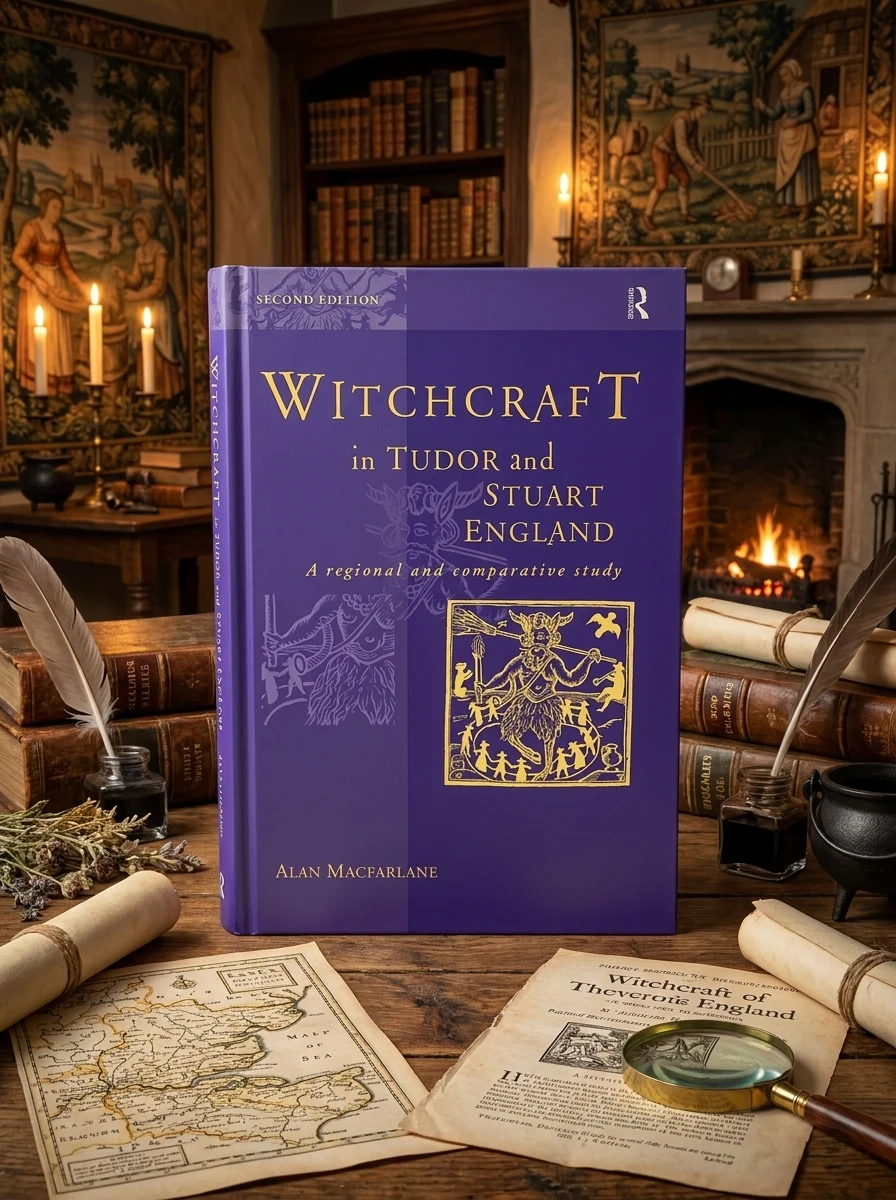
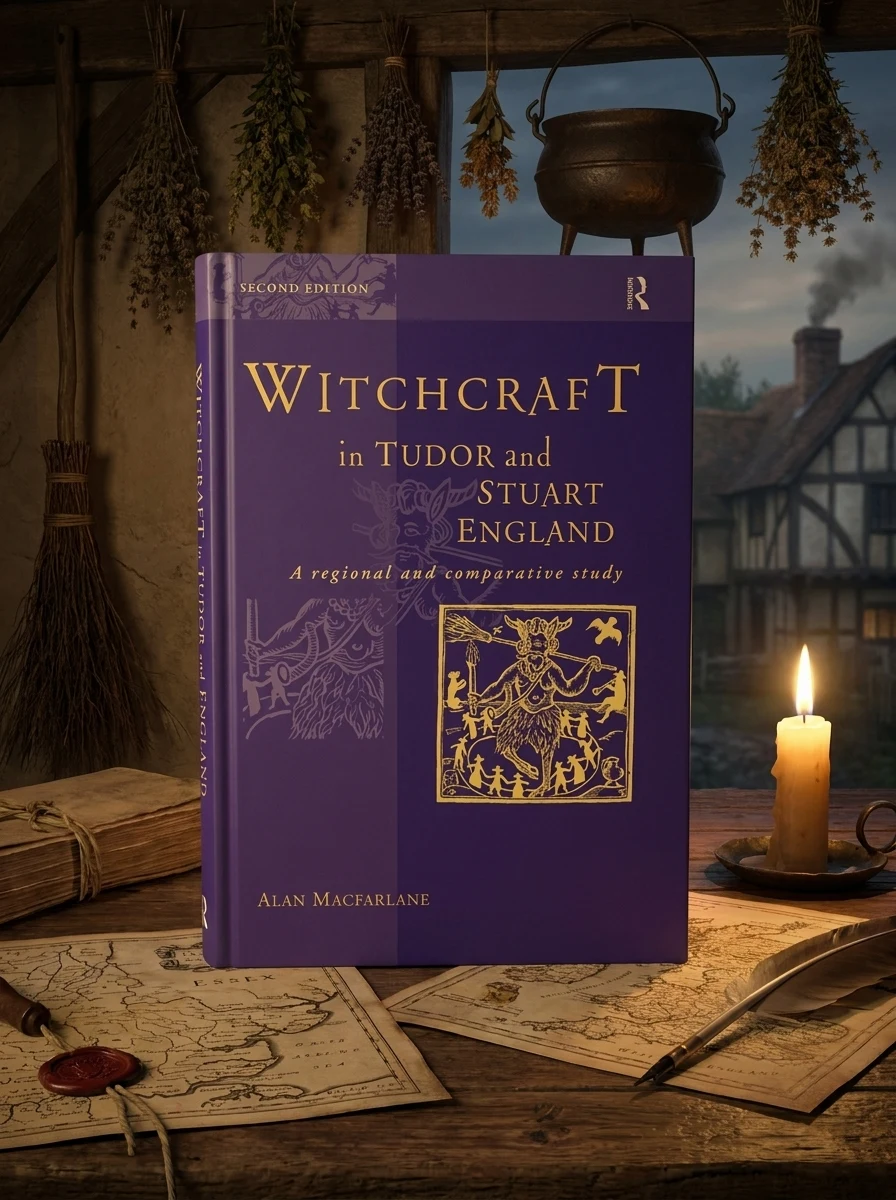
Alan Macfarlane is a British historian and social anthropologist whose Witchcraft in Tudor and Stuart England, published by Routledge, is regarded as a foundational regional study of early modern English witchcraft. The book combines historical and anthropological methods to examine witchcraft accusations and prosecutions in a specific English county, and its approach influenced how later historians study witch trials elsewhere, treating accusations as embedded in local social relationships and tensions rather than as evidence of organized cult practice. Macfarlane's broader academic career has spanned social history and anthropology, and this book remains one of the standard scholarly references on the subject decades after its first publication. It is catalogued under witchcraft-wicca but belongs to the academic rather than practical literature on the subject, aimed at readers interested in the social and historical causes of witch persecution rather than at practitioners of contemporary witchcraft.
📖 Where to start with Alan MacFarlane
💬 What our editors say about Alan MacFarlane's books
“MacFarlane’s methodology is undeniably innovative, reshaping witchcraft studies through quantitative analysis. However, this rigorous academic approach may alienate casual readers seeking a straightforward narrative or…”
Esoterica Books editorial team, Occult literature desk · on Witchcraft in Tudor and Stuart England
“MacFarlane’s seminal study offers a groundbreaking comparative analysis that reshaped our understanding of early modern England, yet it demands patience from its audience. This is not a narrative-driven account for casual readers…”
Esoterica Books editorial team, Occult literature desk · on Witchcraft in Tudor and Stuart England


