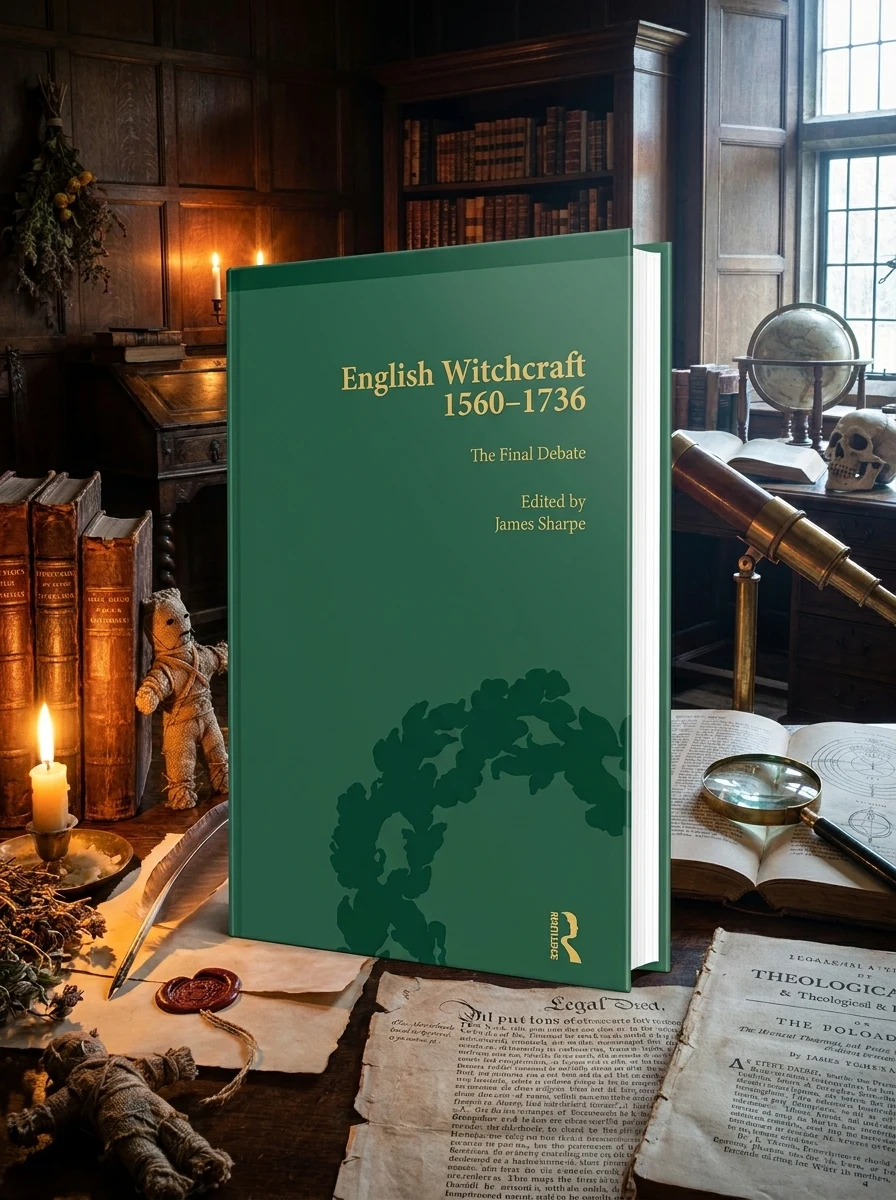
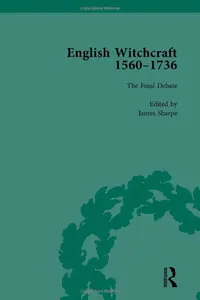
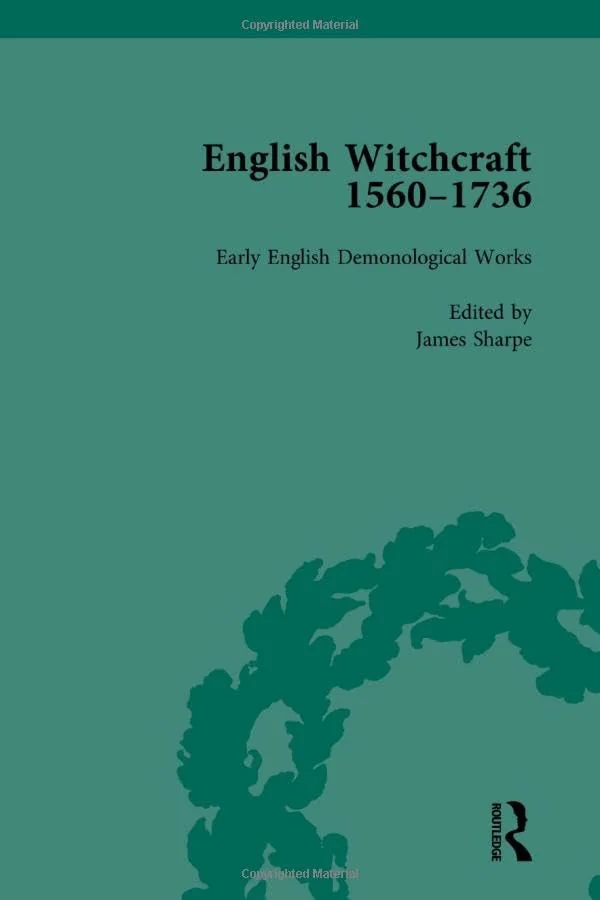
English Witchcraft, 1560-1736, Vol 6
Sharpe, James; , Golden, Richard 91
91
 Editorial score
How we rate
Editorial score
How we rate
This edition can be ordered. No arrival date is confirmed.
Witness the dramatic shift from fervent witchcraft belief to skeptical reason in early modern England.
This volume meticulously documents the evolution of societal perceptions regarding witchcraft in England between 1560 and 1736. It traces a fascinating trajectory from widespread fear and conviction to a more rational, scholarly discourse questioning the very existence of witches. Through a rich compilation of historical records, readers will witness the gradual erosion of supernatural explanations in favor of reasoned skepticism, ultimately leading to the decline of witch hunts and the re-evaluation of mystical phenomena. It's a crucial study for understanding the Enlightenment's impact on popular belief.
This scholarly volume sits within the historiography of early modern England, specifically exploring the transition from fervent witchcraft belief to skeptical reason during the period leading up to the Enlightenment.


📝 Description: English Witchcraft, 1560-1736, Vol 6
💎 Expert review
📖 Why choose it
Why this book is worth reading
This book is essential for historians, sociologists, and anyone fascinated by the intellectual history of skepticism. It offers a meticulous documentation of how societal perceptions evolved from widespread fear to rational discourse. Readers will gain a deep understanding of the erosion of supernatural explanations in favor of reasoned arguments. It is particularly valuable for those studying the impact of the Enlightenment on popular belief systems. The compilation of historical records provides crucial insights into the decline of witch hunts. By tracing this trajectory, the authors help readers comprehend the complex shift in English cultural attitudes toward mystical phenomena and justice during these pivotal centuries.
⭐ Reader reviews
Reader rating
Sharpe and Golden provide a rigorous academic analysis that will appeal to specialists in early modern history and religious studies. The work excels in documenting the gradual shift from conviction to skepticism through extensive historical records. However, it is not suitable for casual readers seeking narrative drama or accessible storytelling. Those looking for engaging plot points or straightforward explanations of occult practices may find the scholarly tone dry and dense. It requires patience for detailed textual analysis rather than entertainment value.
❓ Frequently asked questions
📖 Who should read this
If you're captivated by the historical intersection of belief, law, and social change, or if you seek to understand the intellectual currents that reshaped supernatural understanding in early modern England, this volume offers unparalleled insight into a pivotal era.
🎯 Key themes and symbolism
Evolving Witchcraft Perceptions
This collection meticulously chronicles how public and intellectual views on witchcraft shifted dramatically over nearly two centuries. It highlights the dynamic nature of fear, accusation, and understanding, moving from fervent belief in malevolent magic to a more nuanced, often skeptical, viewpoint as the period progressed.
Rational Inquiry's Emergence
The book demonstrates the rise of intellectual discourse surrounding the reality of witchcraft. It presents how scholars and thinkers began to challenge traditional superstitions with logical arguments, fostering a critical environment that questioned supernatural explanations and demanded empirical evidence for magical claims.
Disbelief's Slow Ascent
A central focus is the documentation of the steady erosion of widespread belief in witches and associated supernatural occurrences. This volume illustrates the historical process by which societal conviction in magical harm gave way to skepticism, eventually leading to the abandonment of witch trials and the redefinition of deviance.
💬 Quotes from the book
“The very air of the village was thick with whispered accusations, as every ill fortune, from blighted crops to unexplained ailments, found its malevolent source in the 'cursed hag' at the village's edge.”
“To attribute such natural occurrences as tempestuous weather or common maladies to the machinations of an unseen, diabolical agency is to abandon reason for fanciful delusion, unworthy of modern inquiry.”
📜 Historical context
📚 Glossary
- Witchcraft
- Enlightenment
- Skepticism
📔 Questions to reflect on
- How might a society's understanding of 'truth' shift when scientific reasoning begins to challenge long-held spiritual or superstitious beliefs?
- Consider how the decline of witchcraft belief impacted legal systems and the concept of justice in early modern England. What replaced it as an explanation for societal ills?
- In what ways do modern societies still grapple with the tension between rational explanation and belief in phenomena that defy current scientific understanding?
✍️ More books by this author Sharpe, James; , Golden, Richard
All books by this author → 88
88
 83
83
🏛 Books from this publisher Routledge
All books from this publisher →

 89
89

You might also like
See more → 88
88
 86
86
 86
86
 83
83
 90
90
 90
90