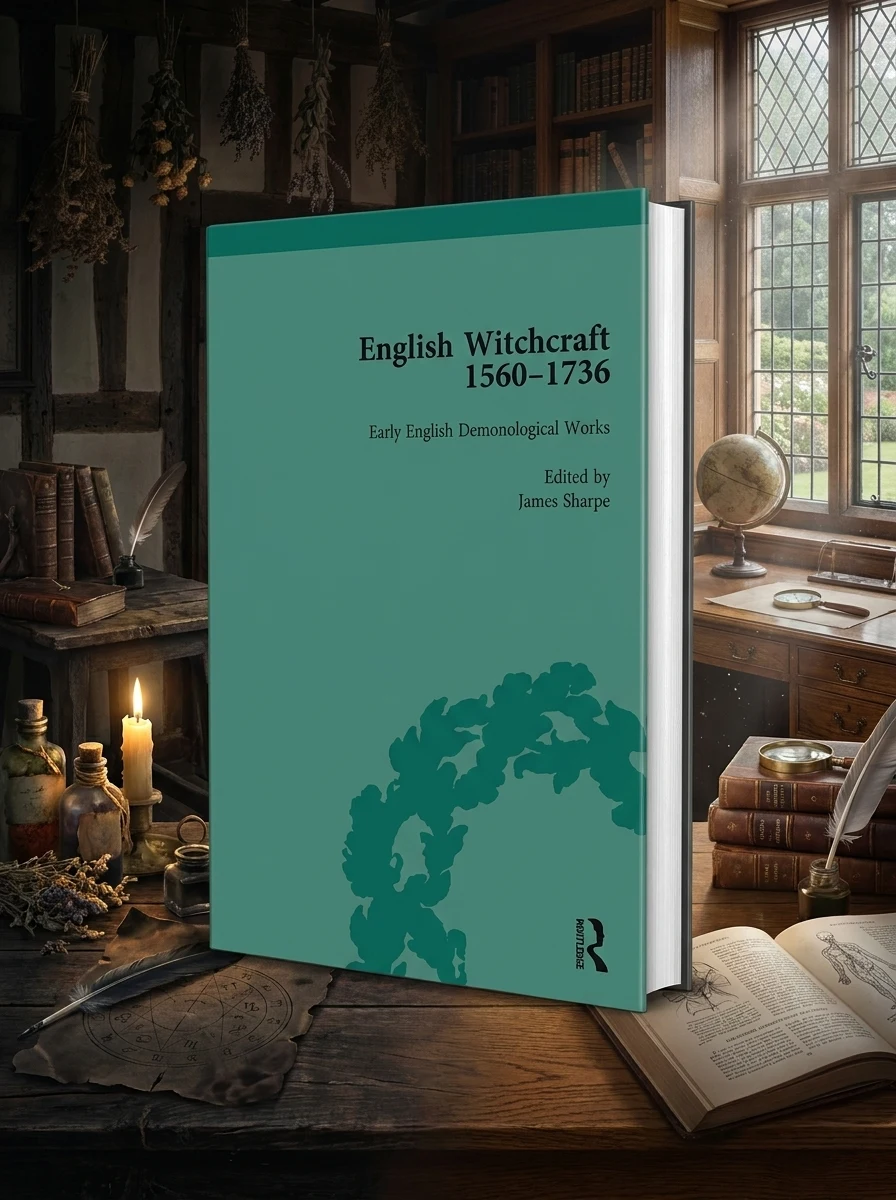
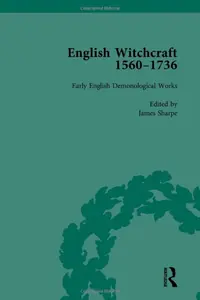
English Witchcraft, 1560-1736, Vol 1
Sharpe, James; , Golden, Richard 86
86
 Editorial score
How we rate
Editorial score
How we rate
This edition can be ordered. No arrival date is confirmed.
Witness the profound transformation of witchcraft belief in early modern England.
This compelling first volume meticulously chronicles the dramatic evolution of societal attitudes towards witchcraft in England from 1560 to 1736. It delves into the period when belief in witches was fervent, leading to widespread fear and prosecution, and traces the gradual shift towards intellectual skepticism. The book illuminates how an increasingly educated populace and philosophical discourse ultimately led to a decline in the conviction of witchcraft's reality and the associated phenomena, charting a fascinating arc of cultural and legal change.
This volume anchors itself within the rich tapestry of early modern English history, exploring the profound intersection of law, philosophy, and popular belief during a pivotal era of societal transformation. It serves as a crucial text for understanding the intellectual shifts that defined the transition from fervent supernatural conviction to emerging skepticism in the British Isles.


📝 Description: English Witchcraft, 1560-1736, Vol 1
💎 Expert review
📖 Why choose it
Why this book is worth reading
This book is an essential resource for historians, legal scholars, and anyone fascinated by the complex psychological and cultural mechanisms of early modern England. Readers will gain a deep appreciation for how societal attitudes evolved from intense fear and prosecution toward intellectual skepticism. It offers a meticulously detailed chronicle of this dramatic arc, illuminating the role of an increasingly educated populace and philosophical discourse in dismantling the conviction of witchcraft's reality. By tracing these cultural and legal changes, the work provides profound insights into the human capacity for belief and doubt, making it invaluable for those seeking to understand the roots of modern secular thought and the historical context of religious persecution.
⭐ Reader reviews
Reader rating
This scholarly first volume offers a rigorous and compelling chronicle of witchcraft beliefs in England from 1560 to 1736. It excels in detailing the shift from fervent prosecution to intellectual skepticism through careful analysis of legal and philosophical developments. However, it is strictly an academic work focused on historical evolution rather than narrative storytelling. It does not suit readers seeking practical magical instruction, sensationalist ghost stories, or casual leisure reading. Those looking for quick summaries or fictionalized accounts may find the dense focus on societal attitudes and legal changes too demanding. It is best reserved for those willing to engage with serious historical inquiry into the profound transformation of English cultural norms during this specific period.
❓ Frequently asked questions
📖 Who should read this
If you are drawn to the intricate history of belief systems, the sociology of fear, or the intellectual currents that shaped early modern England, this book is an essential read. It offers a scholarly yet accessible journey through a pivotal era of human understanding.
🎯 Key themes and symbolism
Shifting Beliefs in Witchcraft
This work meticulously charts the chronological metamorphosis of public and intellectual perception regarding witchcraft. It begins with an era of intense conviction and fear, detailing how these deeply held beliefs slowly eroded over nearly two centuries, transitioning into an age of questioning and eventual disbelief, thereby redefining the very concept of magic in society.
English Historical Context
The book firmly situates the study of witchcraft within the specific socio-cultural and political landscape of England, spanning from the late Tudor period through the early Georgian era. It explores how distinct national events, religious shifts, and legal frameworks influenced the rise, peak, and ultimate decline of witchcraft accusations and trials across the British Isles.
The Decline of Witchcraft
Examine the pivotal role of evolving intellectual thought and academic discourse in challenging the established understanding of witchcraft. This volume highlights how a growing emphasis on reason and empirical evidence gradually dismantled the foundations of traditional beliefs, fostering a climate where the reality of witches and their powers became increasingly debated and, eventually, discredited.
💬 Quotes from the book
“The initial fear of maleficium was not merely superstition, but a deeply ingrained social mechanism for explaining misfortune and enforcing communal order.”
“By the Age of Reason, the witch trial became a relic, viewed through the lens of legal reform and an emerging scientific worldview.”
📜 Historical context
📚 Glossary
- Witchcraft
- Attitudes
- Phenomena
📔 Questions to reflect on
- How do contemporary societal anxieties mirror or diverge from the fears that fueled witchcraft beliefs in early modern England?
- Reflect on how scientific and philosophical advancements in any historical period have challenged previously accepted 'truths' or superstitions.
- Consider the role of legal systems in both reinforcing and dismantling popular beliefs, using the English witchcraft laws as a case study.
✍️ More books by this author Sharpe, James; , Golden, Richard
All books by this author → 88
88
 91
91

🏛 Books from this publisher Routledge
All books from this publisher →


 89
89

You might also like
See more →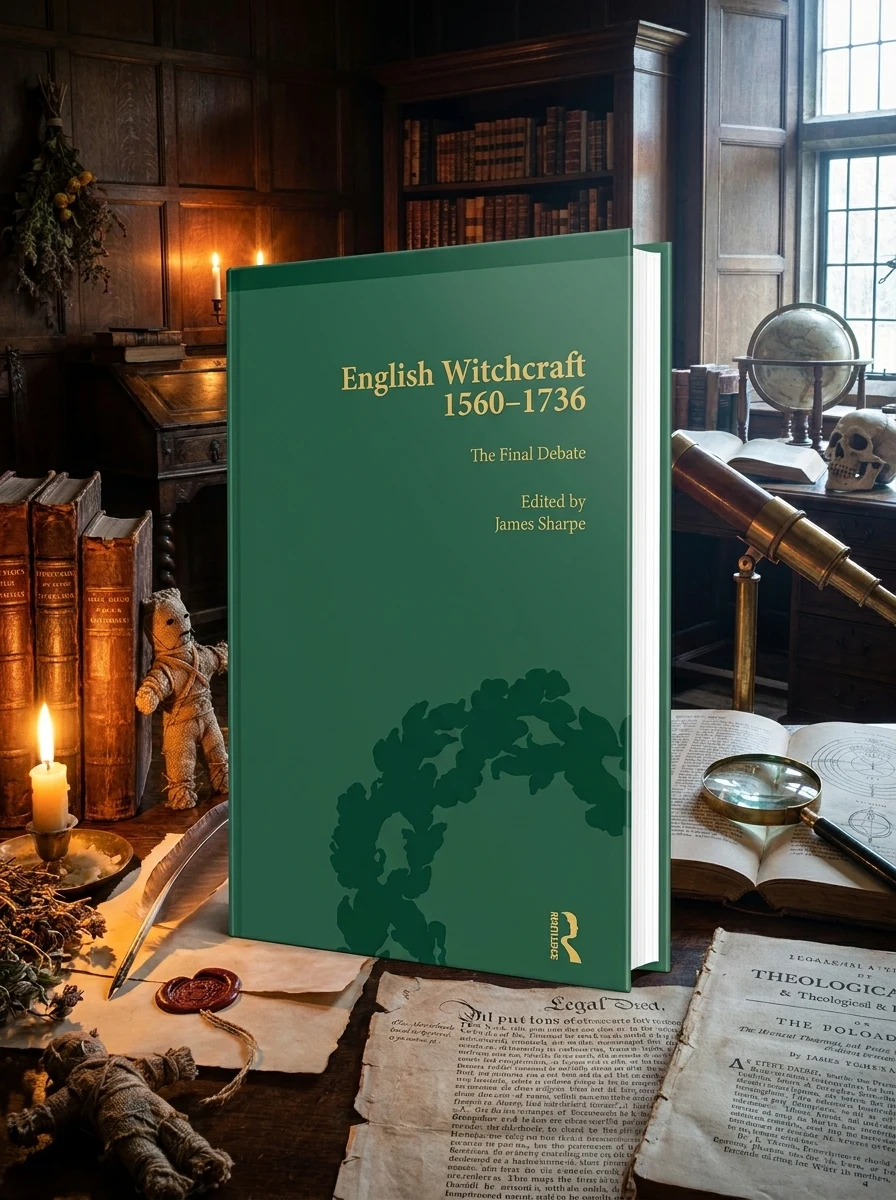 91
91
 88
88
 86
86
 83
83

 90
90
 90
90