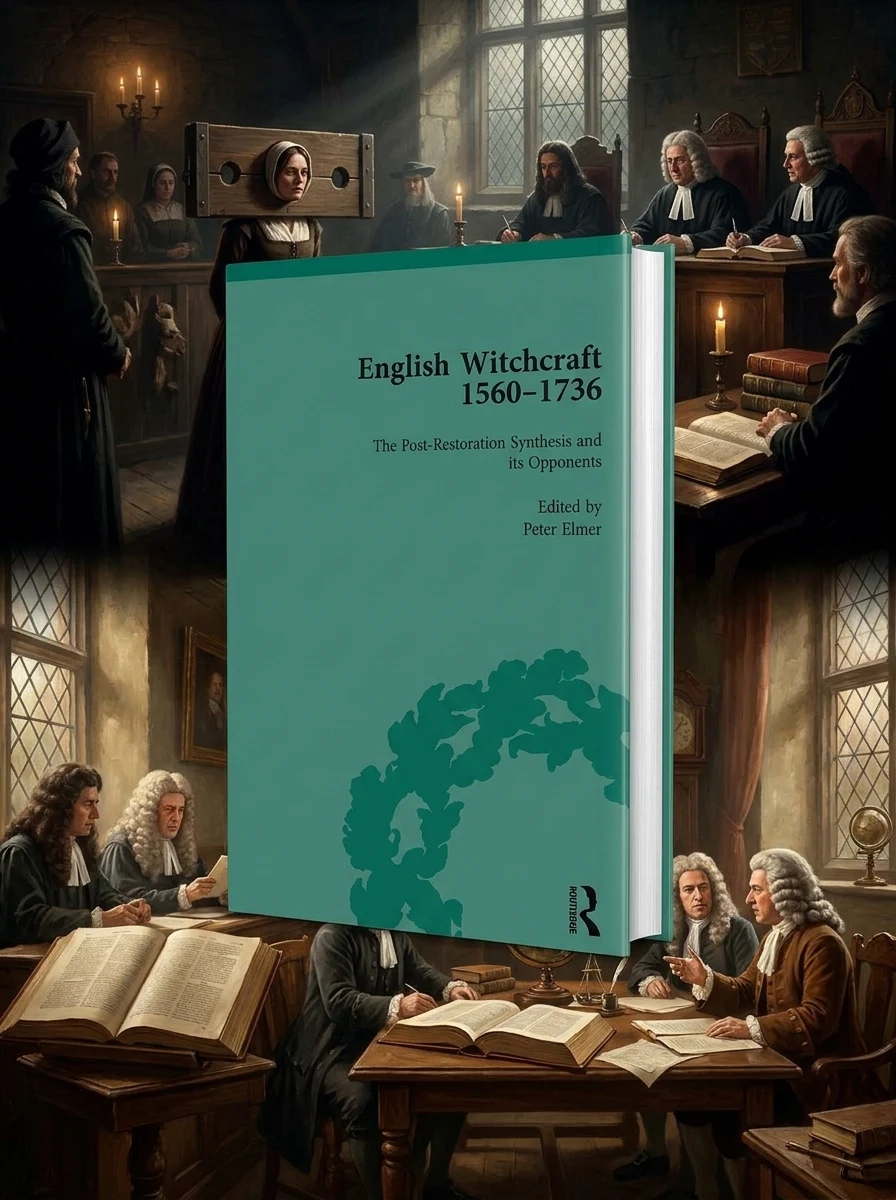
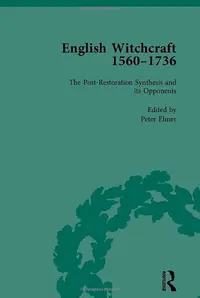
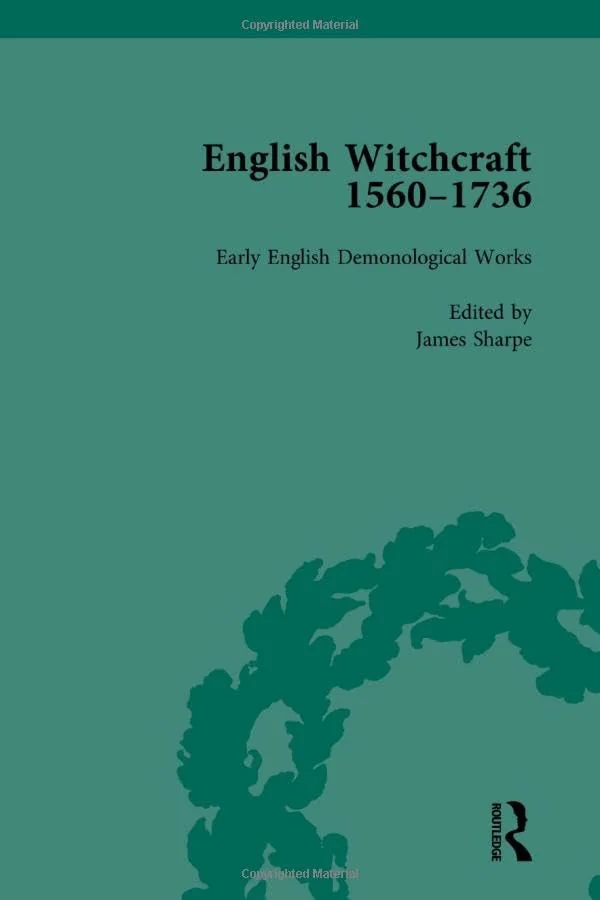
English Witchcraft, 1560-1736, Vol 4
Sharpe, James; , Golden, Richard 83
83
 Editorial score
How we rate
Editorial score
How we rate
This edition can be ordered. No arrival date is confirmed.
Witness the dramatic transformation of witchcraft beliefs across two centuries of English history.
This essential collection meticulously chronicles the evolving perceptions of witchcraft in England from the mid-16th century through the early 18th century. It traces a fascinating journey from widespread societal fear and prosecution of accused witches to the burgeoning intellectual skepticism that eventually questioned the very existence of such phenomena. Readers will gain deep insight into how societal values, legal frameworks, and scientific thought collectively reshaped public and elite understanding of the occult, culminating in a profound shift away from supernatural explanations for misfortune.
This volume serves as a critical scholarly resource within the field of early modern English history and the study of magical beliefs, documenting the long-term societal shift regarding witchcraft accusations.


📝 Description: English Witchcraft, 1560-1736, Vol 4
💎 Expert review
📖 Why choose it
Why this book is worth reading
This comprehensive collection is an indispensable resource for historians, scholars of religious studies, and dedicated enthusiasts of esoteric history who seek to understand the profound intellectual transformation in England between the mid-sixteenth and early eighteenth centuries. Readers will find immense value in tracing the delicate interplay between widespread societal fear, rigorous legal frameworks, and the rise of scientific skepticism that gradually dismantled the belief in supernatural witchcraft. It offers a deep, nuanced insight into how elite and public perceptions shifted away from attributing misfortune to occult causes, providing essential context for anyone studying the evolution of Western attitudes toward the paranormal.
⭐ Reader reviews
Reader rating
Sharpe and Golden have produced a meticulous chronicle that is vital for understanding the decline of witchcraft prosecutions in England. The text excels in detailing the complex intersection of law, science, and social anxiety over two centuries. However, this academic work is not suited for casual readers seeking dramatic narratives or practical magical instruction. It requires patience and an interest in historical analysis rather than entertainment. Those looking for lighthearted folklore collections or modern Wiccan guides will likely find the dense scholarly tone and focus on legal and intellectual history unengaging and overly dry.
❓ Frequently asked questions
📖 Who should read this
If you're captivated by the history of ideas, the intricate dance between belief and reason, or early modern English society, this volume is indispensable. It offers profound insights for historians, occult scholars, and curious minds alike.
🎯 Key themes and symbolism
Evolving Witchcraft Perceptions
Explore how the understanding of witchcraft transitioned from a tangible, malevolent force to a subject of intellectual debate and eventual dismissal. This volume dissects the societal, religious, and legal factors that underpinned these profound shifts, offering a nuanced view of popular belief versus elite skepticism across the period.
Historical Chronology
The book meticulously follows a chronological path, illustrating the specific events, legal cases, and philosophical treatises that marked pivotal moments in the decline of witchcraft belief. It provides a detailed timeline, allowing readers to grasp the gradual, yet undeniable, erosion of faith in magical harm and supernatural interventions.
Skepticism's Ascent
Delve into the rise of rational inquiry and critical thought that challenged traditional superstitions. This collection highlights the influential voices and intellectual movements that systematically debunked notions of witchcraft, paving the way for a more scientific worldview and ultimately contributing to the repeal of witchcraft statutes.
💬 Quotes from the book
“The village was gripped by a dread, for the blight upon the cattle and the sudden fever in children could only be the foul work of the old woman by the creek, her eyes burning with malice.”
“Upon careful examination, it becomes evident that the alleged enchantments are but the product of either melancholic delusion or malicious fabrication, lacking any demonstrable cause beyond natural phenomena.”
📜 Historical context
📚 Glossary
- Early Modern Period
- Witchcraft
- Skepticism
📔 Questions to reflect on
- How do societal fears today, perhaps rooted in misunderstanding or misinformation, parallel the historical anxieties surrounding witchcraft?
- Reflect on how the decline of belief in witchcraft might have influenced broader scientific or philosophical thought during the Enlightenment.
- Consider a personal belief you once held strongly that you later questioned or discarded. What factors led to that shift in your perspective?
✍️ More books by this author Sharpe, James; , Golden, Richard
All books by this author → 88
88
 91
91
🏛 Books from this publisher Routledge
All books from this publisher →

 89
89

You might also like
See more → 91
91
 88
88
 86
86
 86
86
 90
90
 90
90