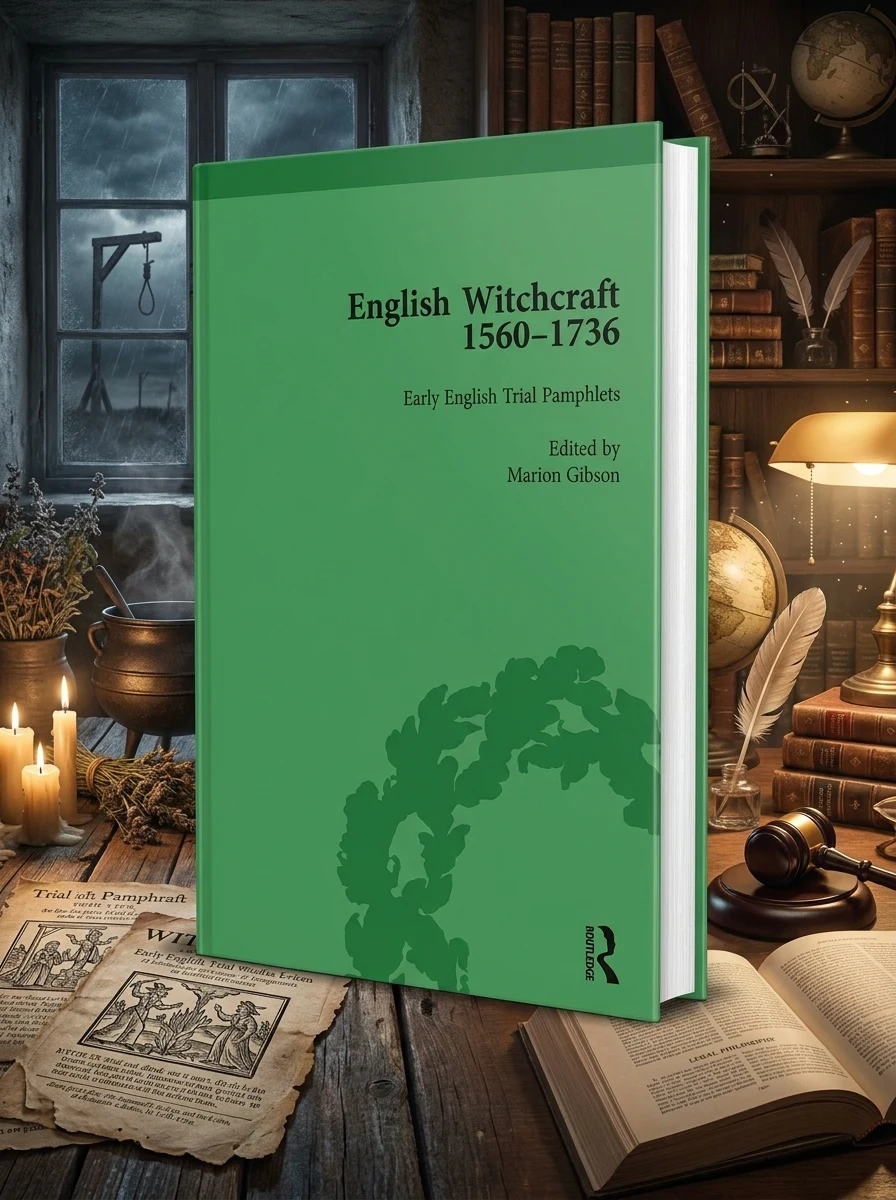
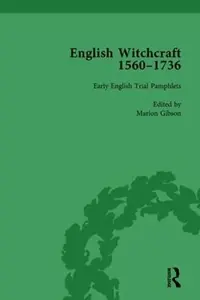
English Witchcraft, 1560-1736, vol 2
Sharpe, James; , Golden, Richard 86
86
 Editorial score
How we rate
Editorial score
How we rate
Stock reported in the catalog; fulfillment is confirmed with your request.
Witness the dramatic decline of witchcraft belief in early modern England.
This volume meticulously traces the evolution of societal perceptions of witchcraft in England from the late 16th century through the early 18th century. It examines how educated discourse gradually eroded widespread conviction in witches and their dark practices, culminating in a significant shift away from supernatural explanations for misfortune. This historical journey reveals the complex interplay of legal, religious, and intellectual forces that reshaped a nation's understanding of magic and the occult, offering deep insights into a transformative period.
This volume serves as a crucial historical analysis within the broader tradition of early modern English social and intellectual history, specifically focusing on the decline of witchcraft beliefs during the transition from the late sixteenth to the early eighteenth century.


📝 Description: English Witchcraft, 1560-1736, vol 2
💎 Expert review
📖 Why choose it
Why this book is worth reading
Scholars, historians, and deeply curious readers interested in the intellectual shifts of early modern England will find immense value in this meticulous examination. This book is essential for those seeking to understand how educated discourse gradually dismantled widespread conviction in witches and their dark practices. It offers profound insights into the complex interplay of legal, religious, and intellectual forces that reshaped societal perceptions of magic. By tracing the erosion of supernatural explanations for misfortune, it provides a necessary context for understanding the transformation of national thought regarding the occult. Readers who appreciate rigorous historical analysis and the nuances of changing cultural narratives will gain a deeper appreciation for this pivotal period in English history.
⭐ Reader reviews
Reader rating
This scholarly work offers a detailed exploration of the dramatic decline in witchcraft belief from 1560 to 1736, tracing how societal perceptions evolved through legal and intellectual pressures. It is a valuable resource for academic historians and specialists in early modern European studies who require precise documentation of this cultural shift. However, it does not suit casual readers seeking narrative drama or those looking for practical Wiccan lore. The focus on eroding convictions rather than active practice may disappoint enthusiasts of occult history who prefer tales of persecution or magical ritual over abstract intellectual discourse. It is a dry, analytical text best reserved for those specifically investigating the sociological and theological roots of declining superstition.
❓ Frequently asked questions
📖 Who should read this
If you're fascinated by the history of magic, the evolution of societal fears, or the intellectual currents that shaped early modern England, this deep dive offers unparalleled insight. It's essential for historians, occult scholars, and curious minds seeking rigorous academic exploration.
🎯 Key themes and symbolism
Shifting Belief Systems
This volume meticulously details how the collective English psyche transitioned from fervent belief in active malefic witchcraft to skepticism. It explores the intellectual and social currents that slowly but surely chipped away at deeply ingrained superstitions, illustrating a pivotal moment in the history of ideas concerning the supernatural.
Legal & Social Evolution
The book examines the changing legal frameworks and judicial attitudes towards alleged witches, highlighting the gradual decriminalization and reinterpretation of magical practices. It reveals how societal norms and legal precedent adapted to a diminishing belief in supernatural harm, reflecting broader transformations in governance and public justice during the period.
The Enlightenment's Dawn
This work positions the decline of witchcraft belief within the broader context of emerging Enlightenment thought. It illustrates how rational inquiry, scientific advancements, and philosophical debates began to challenge and ultimately displace traditional, fear-based understandings of the occult, paving the way for a more secular worldview.
💬 Quotes from the book
“The very notion of a witch, once a tangible threat woven into the fabric of daily life, slowly transmuted into an anachronism, a relic of a less enlightened age.”
“By the close of the 17th century, legal proceedings against alleged sorcerers increasingly faced skeptical scrutiny from an emerging intellectual elite, signaling a profound shift in judicial and public perception.”
📜 Historical context
📚 Glossary
- Maleficium
- Witchcraft Acts
- Enlightenment
📔 Questions to reflect on
- How might a similar shift in belief systems occur in our modern society regarding a currently accepted but potentially unfounded fear or superstition?
- Consider the role of the legal system in both propagating and eventually dismantling widespread societal beliefs like witchcraft. What parallels exist today?
- If you lived in 17th-century England, how do you imagine your own worldview would have adapted to the changing perceptions of magic and the supernatural?
✍️ More books by this author Sharpe, James; , Golden, Richard
All books by this author →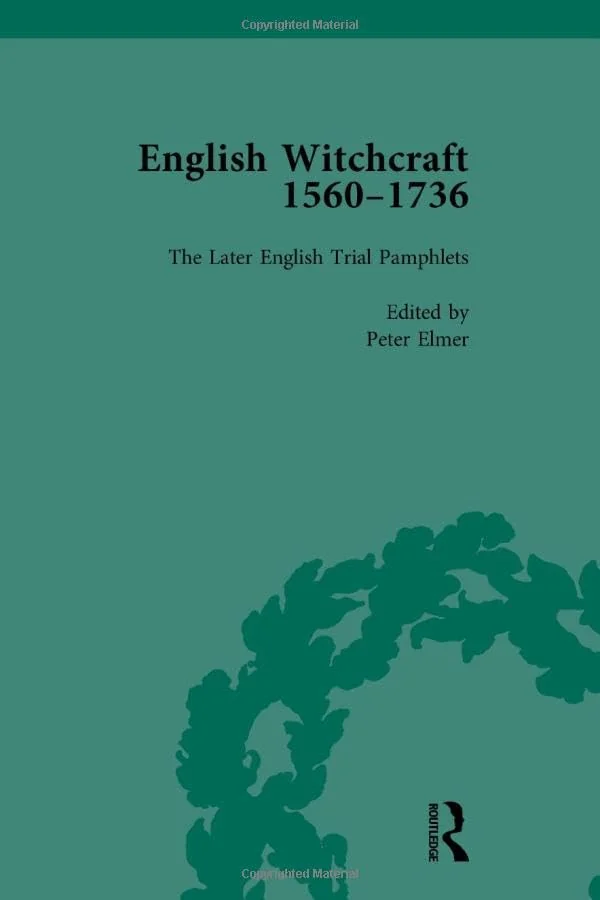 88
88
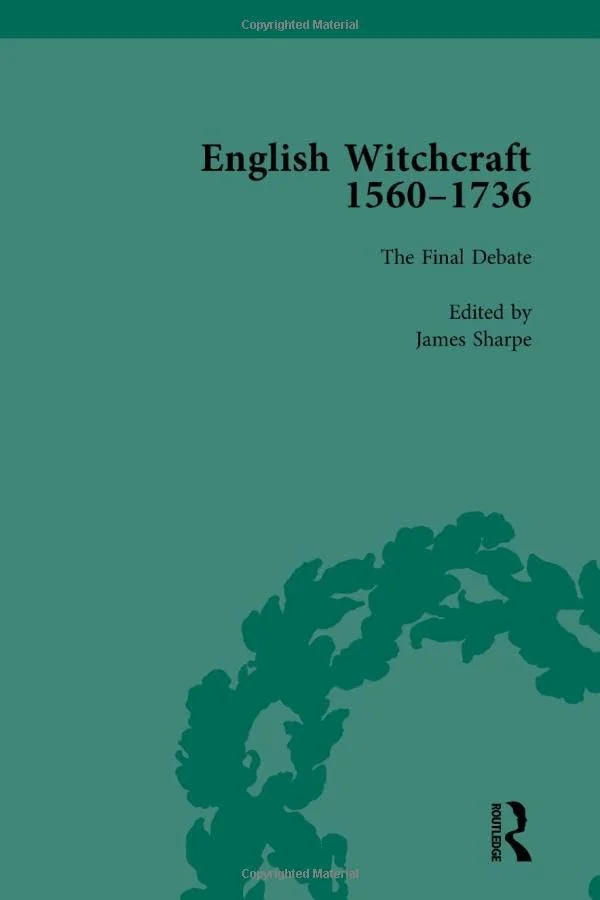 91
91
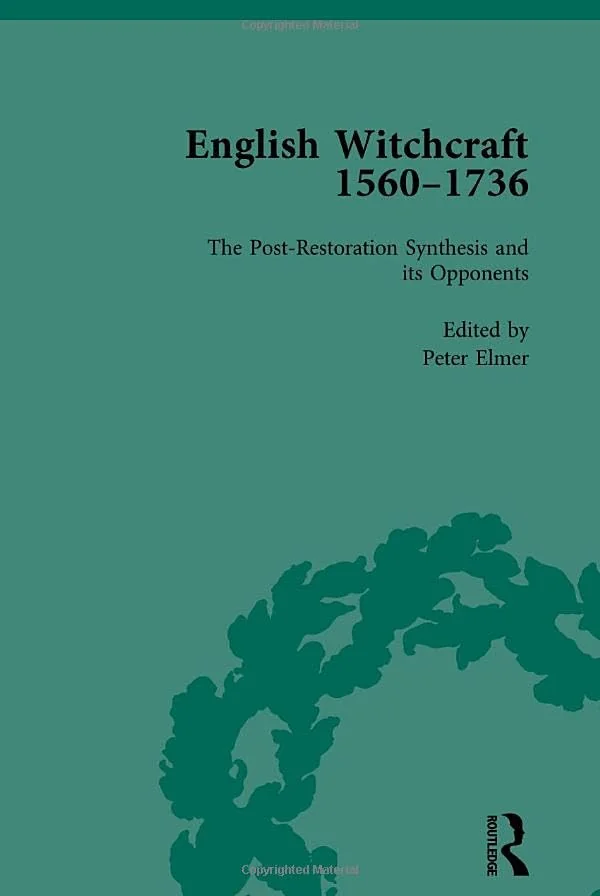
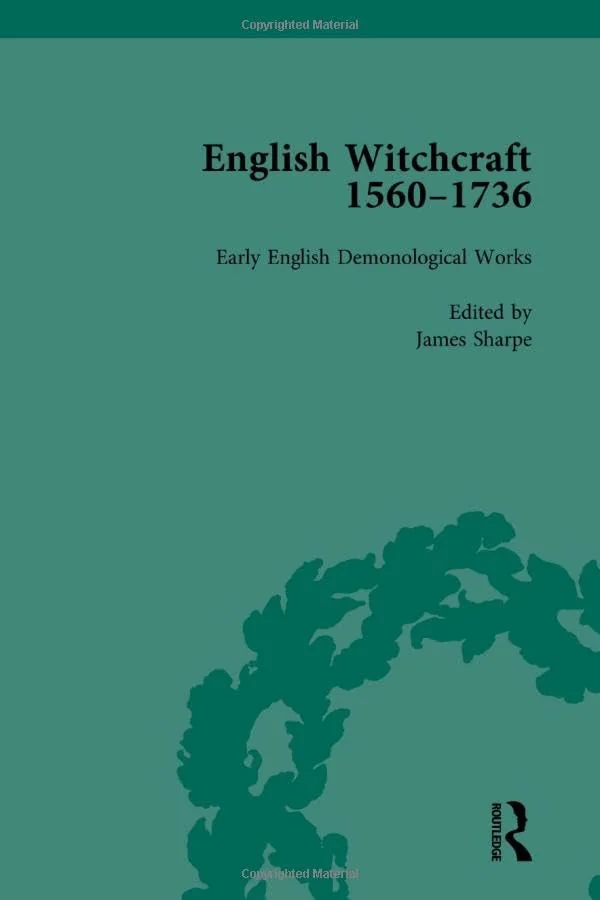
🏛 Books from this publisher Routledge
All books from this publisher →


 89
89

You might also like
See more → 91
91
 88
88
 86
86
 83
83
 90
90
 90
90