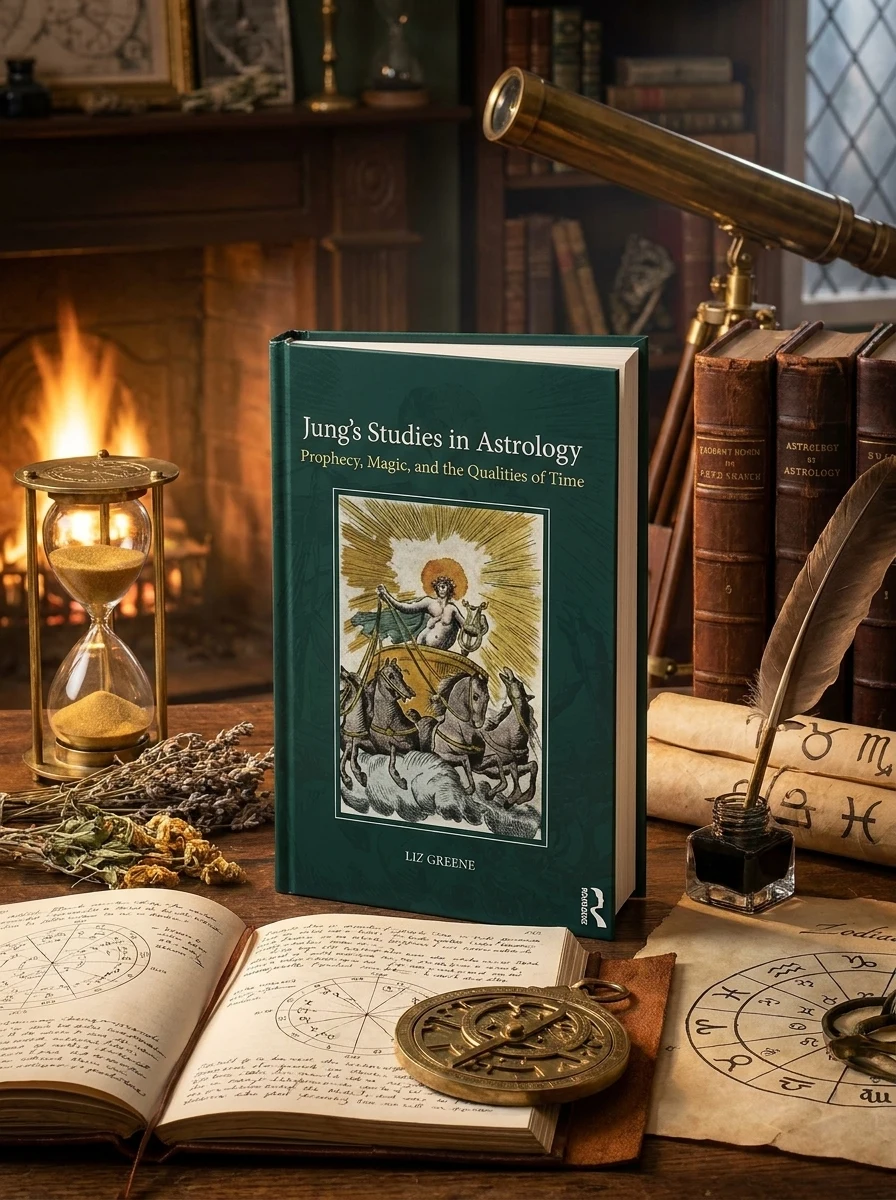
Jung's Studies in Astrology: Prophecy, Magic, and the Qualities of Time
Greene, LizStock reported in the catalog; fulfillment is confirmed with your request.
Unearth the hidden astrological depths woven throughout Jung's groundbreaking psychological theories.
Liz Greene meticulously unveils C. G. Jung's profound, yet often understated, engagement with astrology. This acclaimed work, a recipient of the IAJS award, reveals how this ancient symbolic system was not a mere curiosity for Jung, but a foundational pillar in his understanding of archetypes, synchronicity, and the very nature of time. Drawing extensively from Jung's private archives, including never-before-seen letters and documents, Greene provides an unparalleled historical survey of his astrological work, illustrating its critical role in both his theoretical development and his personal journey toward self-understanding.
This work sits at the intersection of depth psychology and esoteric studies, bridging the gap between academic psychological theory and traditional astrological symbolism. It serves as a critical scholarly resource within the modern Jungian tradition, highlighting the historical integration of mystical systems into contemporary psychodynamic frameworks.


📝 Description: Jung's Studies in Astrology: Prophecy, Magic, and the Qualities of Time
💎 Expert review
📖 Why choose it
Why this book is worth reading
This book is essential for the serious student of depth psychology who wishes to understand the hidden scaffolding of Jung’s theories. Readers interested in the historical development of archetypes and synchronicity will find immense value in Greene’s archival discoveries. It appeals to astrologers seeking a robust psychological foundation for their practice, moving beyond mere prediction to profound self-understanding. By illuminating Jung’s personal journey and theoretical growth through private documents, it offers a unique perspective on how ancient symbols shape modern consciousness. If you seek to grasp the full scope of Jung’s intellectual legacy, this text provides the necessary context and depth that standard biographies often miss.
⭐ Reader reviews
Reader rating
Greene delivers a meticulously researched survey that is indispensable for scholars but may overwhelm casual readers seeking practical astrological advice. The dense historical analysis and focus on theoretical underpinnings might disappoint those looking for immediate divinatory techniques or simplified applications of Jungian concepts to natal charts. It is not a light read; it demands patience and a willingness to engage with complex academic material. However, for those committed to the intersection of psychology and esotericism, it stands as an authoritative text that clarifies the profound role astrology played in Jung’s life and work.
❓ Frequently asked questions
📖 Who should read this
For serious students of Jungian psychology, seasoned astrologers, and those fascinated by the confluence of spirit and psyche, this work offers unparalleled insights into a foundational, yet often overlooked, aspect of Jung's thought. Dive deep into the esoteric roots of modern psychology.
🎯 Key themes and symbolism
Jung's Astrological Integration
Greene demonstrates that Jung's interest in astrology was far from casual; it was deeply interwoven into the fabric of his psychological theories. The book explores how this symbolic system provided a crucial framework for his ideas on human fate, the collective unconscious, and the intricate connections between inner and outer realities, revealing a more holistic Jung than often portrayed.
Archetypes & Synchronicity
The text illuminates how Jung leveraged astrological concepts to better articulate his revolutionary ideas of archetypes and synchronicity. By examining planetary alignments and zodiacal patterns, he found a cosmic language that mirrored the universal psychic structures and meaningful coincidences he observed, providing a rich, symbolic lens for these complex phenomena.
Therapeutic & Personal Application
Beyond theory, Greene meticulously details how Jung applied astrological insights in his clinical practice, using charts to understand the unique psychological landscape of his patients. Furthermore, the book explores how Jung utilized astrology for his own self-analysis and personal growth, highlighting its pragmatic value as a tool for profound self-reflection and development.
💬 Quotes from the book
“Astrology offers a symbolic key, unlocking the 'secret quality' of a moment, not its fated outcome, but its inherent psychic potential.”
“The heavens, for Jung, were a macrocosmic mirror, reflecting the archetypal dramas unfolding within the individual psyche, a dance of inner and outer reality.”
📜 Historical context
📚 Glossary
- Synchronicity
- Archetype
- Collected Works
📔 Questions to reflect on
- How might an understanding of 'qualities of time' influence my perception of personal events and my approach to decision-making?
- In what specific ways could exploring symbolic systems like astrology or tarot deepen my understanding of my own unconscious patterns and motivations?
- Reflect on a 'meaningful coincidence' in your life. How might Jung's concept of synchronicity illuminate its significance, and what archetypal themes might have been at play?
✍️ More books by this author Greene, Liz
All books by this author →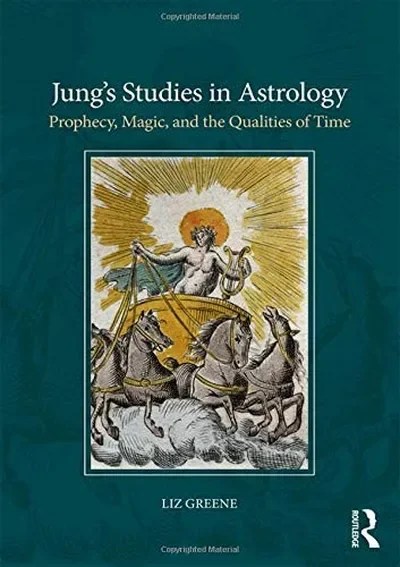


🏛 Books from this publisher Routledge
All books from this publisher →
 89
89

You might also like
See more →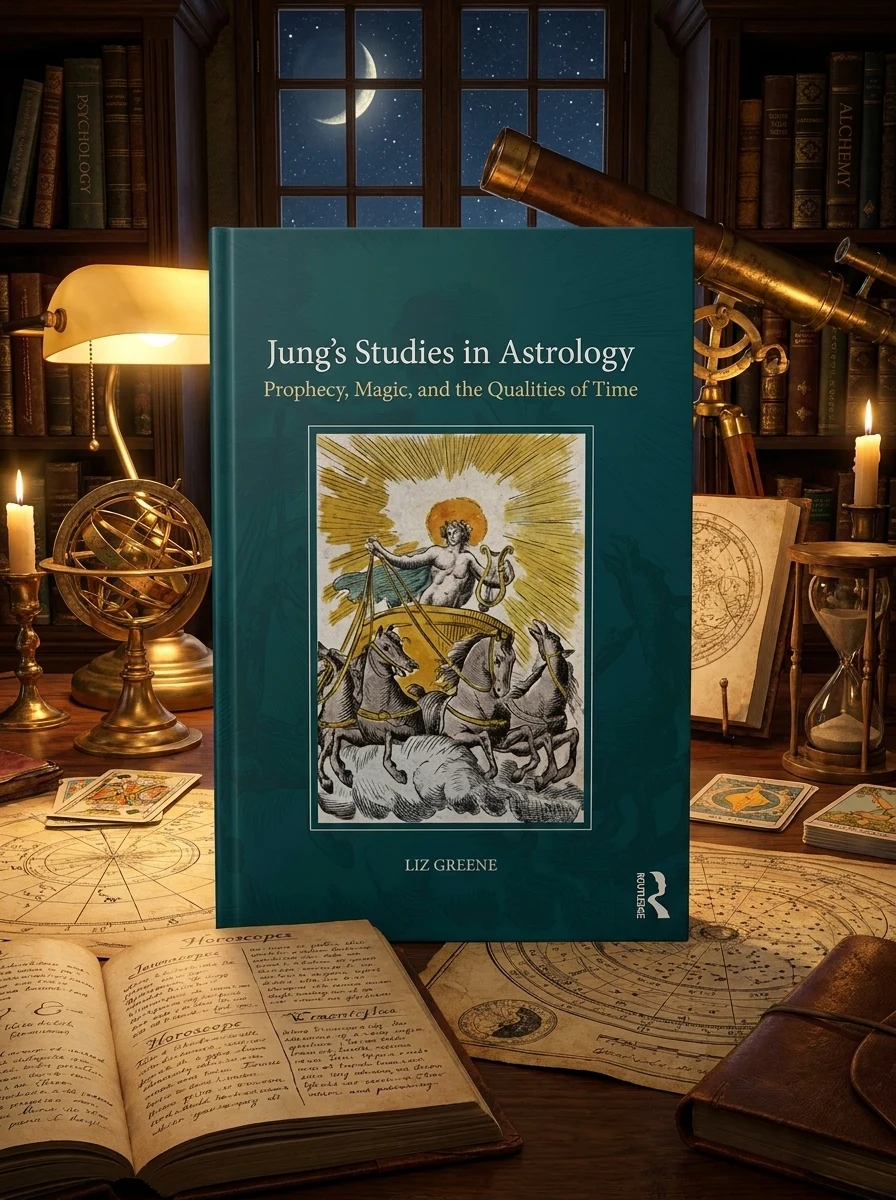
 83
83